
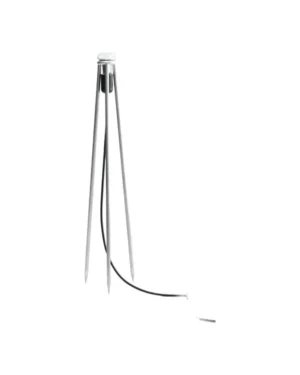
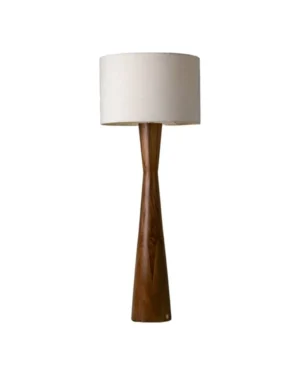
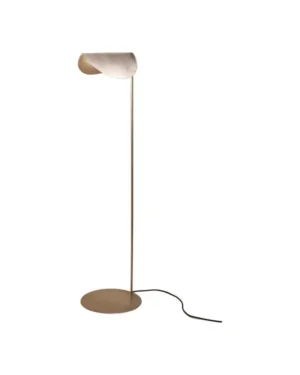
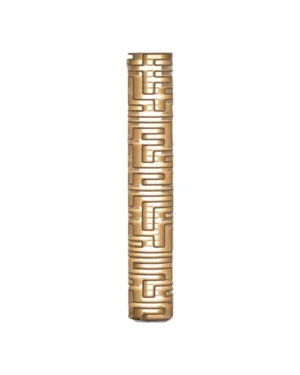
-
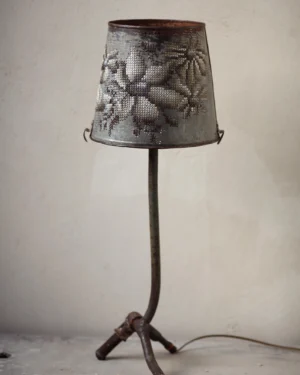
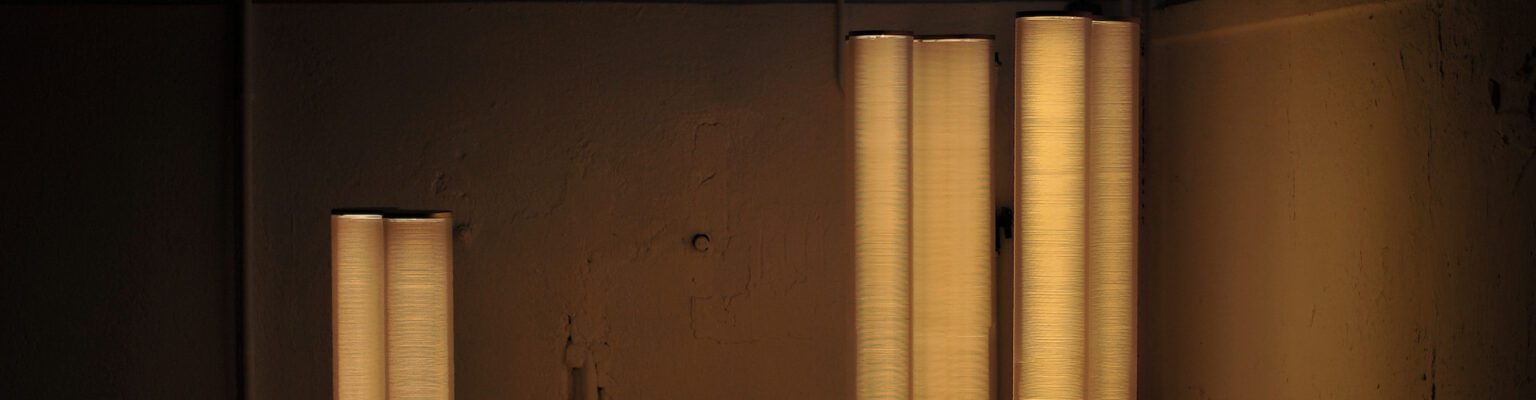
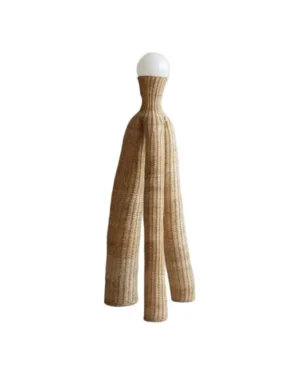
Light Bucket Challenge II Floor Lamp in Metal and Thread
By Severija Inčirauskaitė-Kriaunevičienė
€4.500 -

Lasso Floor Lamp in Stainless Steel and Glass
By Nitush and Aroosh
€2.850 -

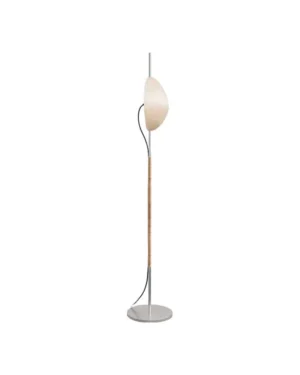
Pill1200 Floor Lamp In Stainless Steel
By MLK Furniture
€1.690 -
 In stock
Voguing No. 2 Floor Lamp in Cast Aluminum
By BY JAMPS
€2.500 -
 In stock
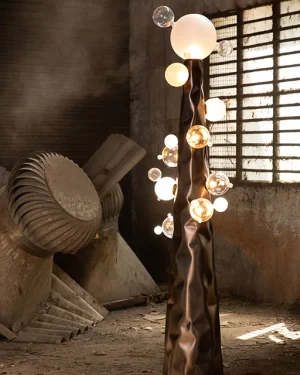
Molecule Floor Lamp in Stainless Steel and Blown Glass
By Nitush and Aroosh
€4.850 -
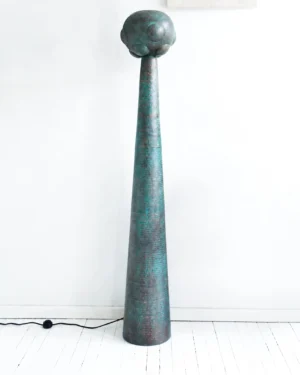 In stock
Artefacto Copper Venus Floor Lamp in Hammered Copper
By LØRDAG & SØNDAG
€4.768 -
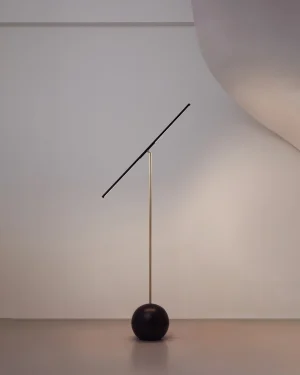 In stock
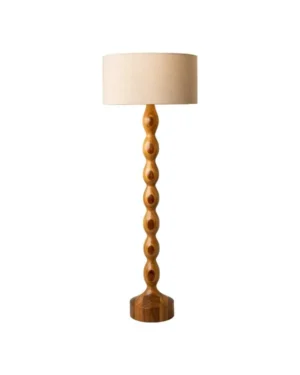
T-Lamp Floor Lamp in Aluminum, Brass and Oak Wood
By HEAKO
€3.850 -
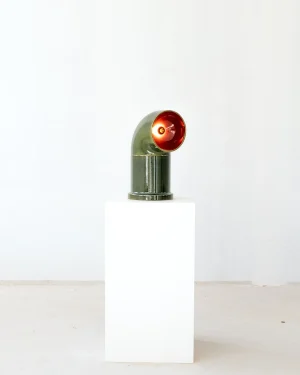
Fat Op No. 003 Two Piece Table Lamp In Ceramic
By Pani Jurek STUDIO
€1.539 -
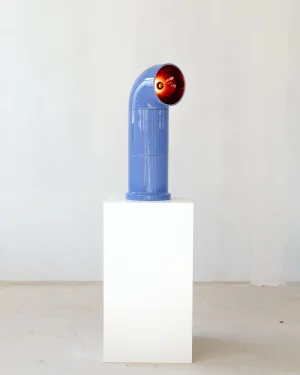
Fat Op No. 004 Three Piece Floor Lamp In Ceramic
By Pani Jurek STUDIO
€1.926 -
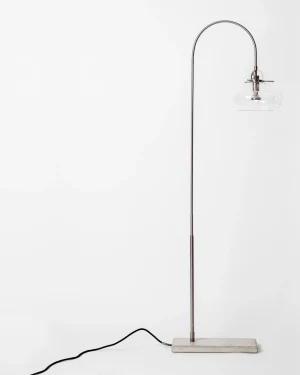
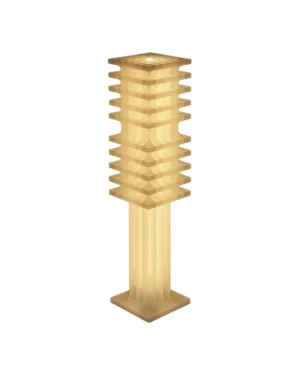
Art Deco Floor Lamp in Glass, Stainless Steel and Concrete
By Szostak Atelier
€2.100€1.995 -
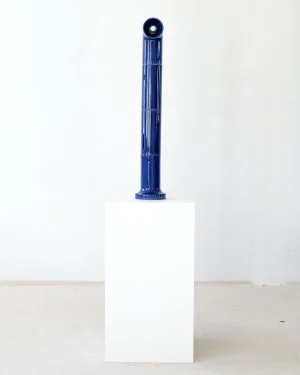
Slim Op Four Piece Floor Lamp In Ceramics
By Pani Jurek STUDIO
€1.045 -
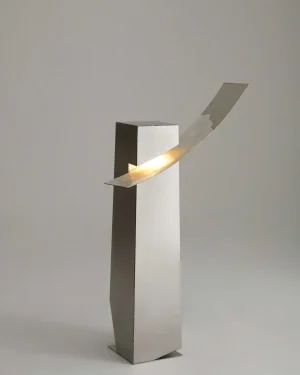
Shining No.2302 Floor Lamp in Stainless Steel
By Park Eunchong Studio
€3.200 -
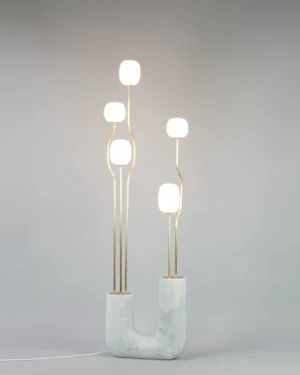 Sold
Comet Floor Lamp in Brass and Marble
By Dan Yeffet
€8.200
Art deco floor lamps carry the geometry of the 1920s and 1930s into a standing light: stepped bases, fluted stems, fan or sunburst shades, worked in brass, steel and sometimes glass. Independent studios build them with the same metalworking and glassblowing methods the style first called for, scaled to how rooms are lit today. What holds the look together is symmetry and a hard, polished line, not ornament for its own sake.
What makes a lamp read as art deco
The style is built on repetition and contrast: a stepped or tiered base, a stem that narrows or fans, a shade cut to a half-circle or fan rather than a plain drum. Brass and chrome-finished steel do most of the work, often paired with black or cobalt blue glass or lacquer for contrast. Where mid-century design softens its lines, art deco keeps them crisp and symmetrical, closer to architecture than to sculpture.
Materials, finishes and editions
Across the pieces here, a few materials recur because they hold the style's hard edges. Metalwork in brass and stainless steel forms most bases and stems, sometimes hammered by hand rather than machine-finished for a surface with slight variation. Glass, blown or pressed, appears in shades and diffusers, often in cobalt blue, amber or smoked tones that read as period-correct without copying a specific fixture. Some studios work in porcelain or glazed ceramic for a base, pairing a cool, hand-built form with a metal stem and shade.
- Metals: brass, stainless steel, copper, often hammered or polished to a gloss
- Glass: blown or pressed shades in cobalt blue, amber or clear
- Ceramic: glazed or hand-built bases in black, white or gray
- Editions: open runs alongside limited editions and occasional unique pieces, depending on the studio's method
How to choose an art deco floor lamp
Start with height relative to seating: a lamp meant to read beside an armchair should put its shade roughly at or just above eye level when seated, so the light source itself stays out of view. A taller, architectural piece can stand alone in a corner and act closer to a sculpture than a reading light. Base footprint matters as much as height, a wide stepped base needs floor space around it to read as deliberate rather than crowded.
Finish should answer to what is already in the room. Polished brass and chrome sit well against dark wood and deep paint colors; a black or cobalt glass shade can anchor a room where the rest of the furniture is pale. If other pieces in the room already lean geometric, look at metal floor lamps for the same hard-edged family without the historical reference.
Where these lamps work
A stepped brass base with a fan shade suits a living room with a club chair or a bar cart, where the style has somewhere to continue. In a bedroom, a slimmer stem with a smaller shade reads less theatrical and still throws enough light for a nightstand or a reading chair, closer to what is shown among living room floor lamps. Paired with a smaller companion, a matching table lamp from the art deco table lamps carries the same lines to a side table.
Caring for brass, steel and glass
Polished brass will darken and spot with handling and humidity; a soft cloth and occasional brass polish keep the shine, or leave it to darken into a warmer patina if that reads better in the room. Stainless steel wants only a dry or lightly damp cloth, nothing abrasive that could scratch the finish. Glass shades should be dusted rather than wiped with pressure, since pressed or hand-blown glass can mark under certain cleaning agents. For the full range of pieces in this style, see every art deco piece on ADORNO, or return to all floor lamps to compare against other styles and materials.
How do I choose an art deco floor lamp?
Look at the base first: a stepped or tiered form reads as art deco more than any surface detail. Match the finish, brass, chrome-finished steel or lacquer, to the metals already in the room.
What are art deco floor lamps made of?
Most are brass or chrome-finished steel, sometimes hammered by hand, with shades in blown or pressed glass. Porcelain or glazed ceramic bases appear too, usually paired with a metal stem.
How do I care for a brass or glass floor lamp?
Wipe brass with a dry or barely damp cloth; polish only if you want to slow its natural darkening. Dust glass shades gently, and avoid household cleaners that can dull a lacquered or plated finish.
How tall should an art deco floor lamp be?
Most stand tall enough to light a seated area without a shade at eye level, generally in line with other floor lamps. The maker can confirm exact height on the piece's page via Chat with the maker.
Which rooms suit an art deco floor lamp?
Their symmetry and hard lines suit living rooms and entries where the lamp stands in open view, beside a chair or against a wall. A fan or sunburst shade reads best where nothing crowds it.
What about shipping, returns and authenticity when I buy from ADORNO?
Shipping is insured and worldwide. Returns are accepted within 14 days, except on made-to-order pieces, and every lamp arrives with a certificate of authenticity.