




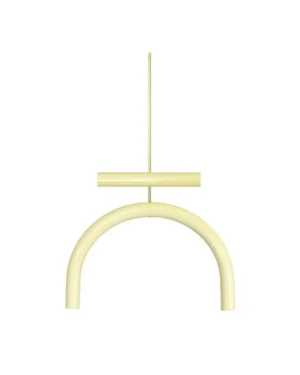
-

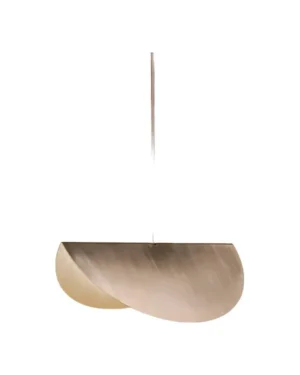
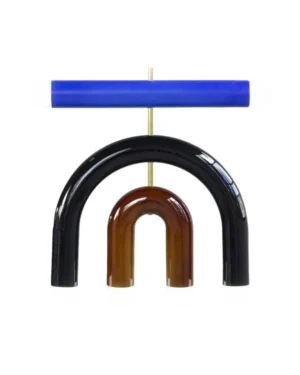
Pendulum Triptych Ceiling Lamp In Bio Plastic
By Julie Mallet Studio
€792 -
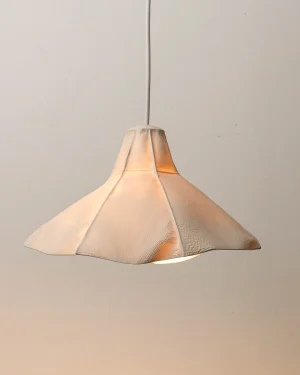
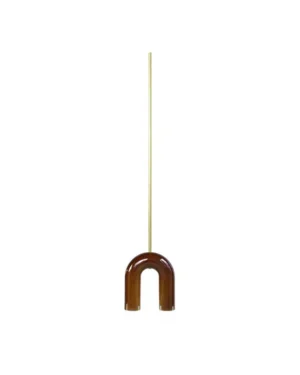
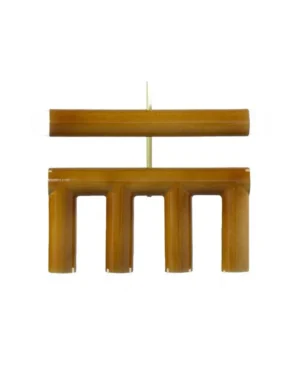
Kawa Series 04 – Ceramic Pendant Lamp
By Luft Tanaka Studio
€1.600 -
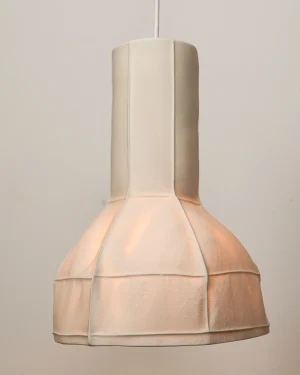
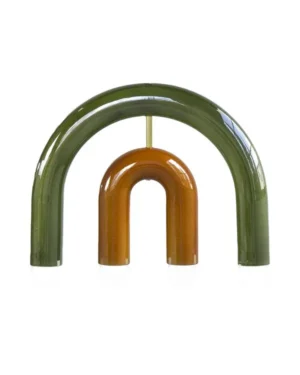
Kawa Series 05 Pendant Lamp in Porcelain and Ceramic
By Luft Tanaka Studio
€1.375 -
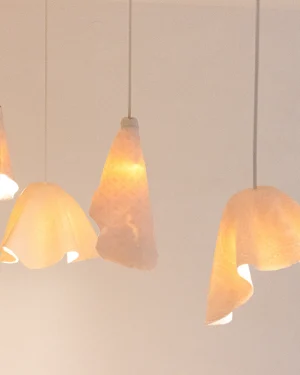
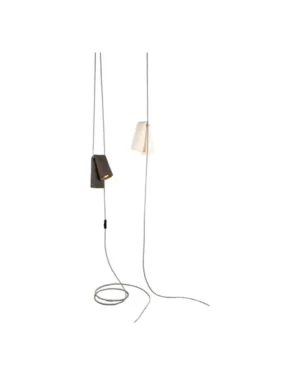
“nsidvblml” No One Is Enlightened Twice Under The Same Light
By Popdots Studio
€315 -
 In stock
Less Pendant Lamp In Steel, Wood And Plaster
By Jordi Canudas Faura
€388 -

Vira Triptych Ceiling Lamp In Bio Plastic
By Julie Mallet Studio
€567 -
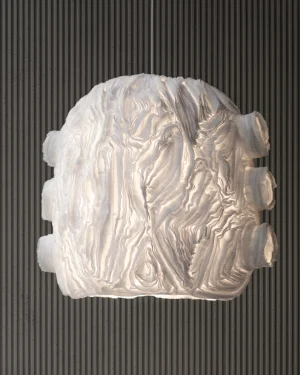
Idea Sluhach Pendant Lamp in Muslin and Metal
By FAINA
€1.950 -
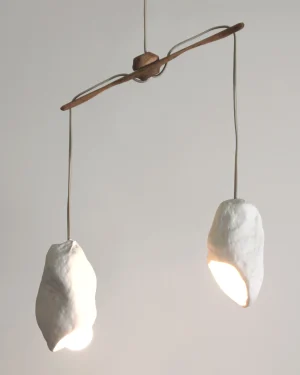
Maat Ceiling Lamp
By Dace Sūna
€1.200 -
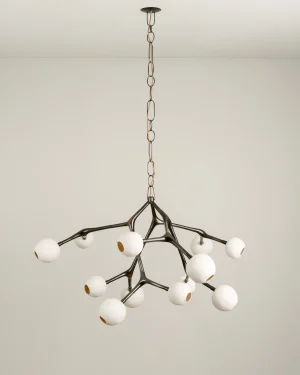
Maratus Chandelier in Bronze and Glass
By Isabel Moncada
€31.005 - €35.655 -
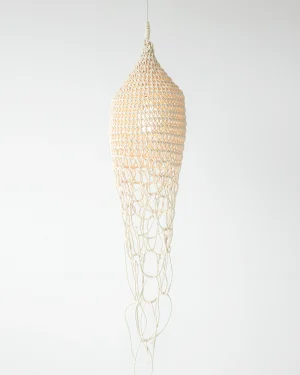
Meduse Pendant Lamp in Cotton
By Annie Legault
€700 -
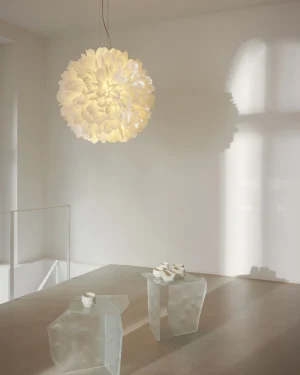
Blossom Pendant Lamp in Washi Paper
By HEIKE BUCHFELDER
€2.933 -

Desire Sluhach Pendant Lamp in Muslin and Metal
By FAINA
€1.950 -
 In stock
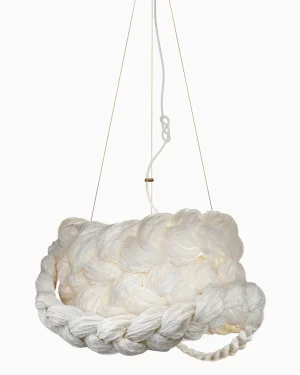
The Bride Pendant Lamp in Paper
By Mammalampa
€393 - €646 -
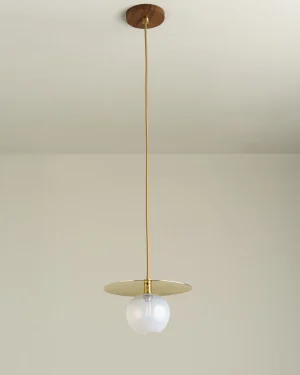
Cometa Pendant Lamp in Brass, Wood and Glass
By Isabel Moncada
€2.340 - €2.691 -
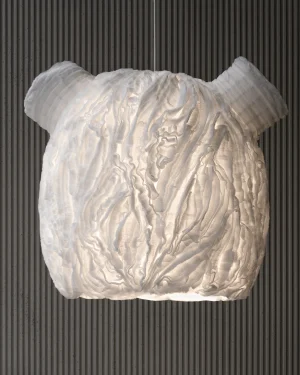
Dream Sluhach Pendant Lamp in Muslin and Metal
By FAINA
€1.950 -
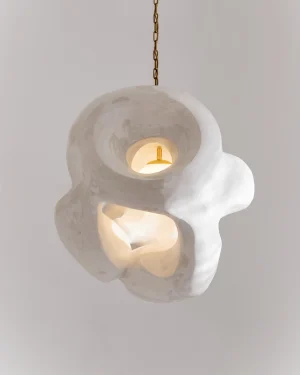
Ikigai Ceiling Lamp in Alabaster Gypsum
By Studio AOAO
€22.000 -
 In stock
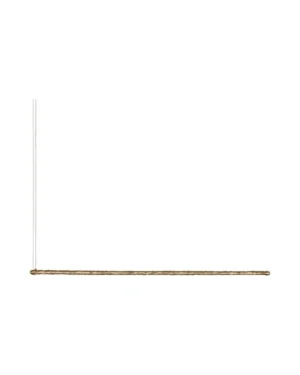
Flight Shadows 1500mm Pendant Lamp In Steel
By SVITANOK
€1.100 - €1.230 -
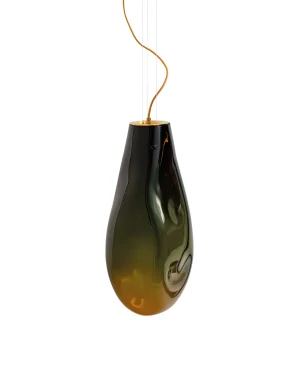
Lyra Pendant Lamp (yellow Green Blue) In Blown Glass
By ELOA - Unique Lights
€2.330 - €4.750 -
 In stock
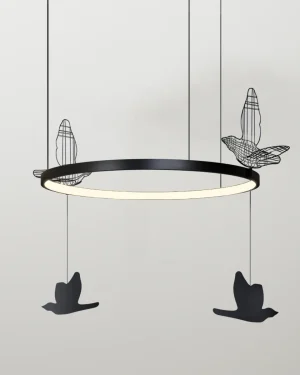
Flight Shadows Circular Pendant Lamp In Steel
By SVITANOK
€1.020 - €1.140 -
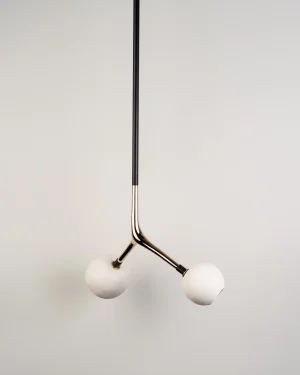
Dupla Pendant Lamp in Bronze, Brass and Glass
By Isabel Moncada
€3.217 - €3.744 -

Mélopée Pendant Lamp In Porcelain
By Pirouette
€636 - €1.980 -
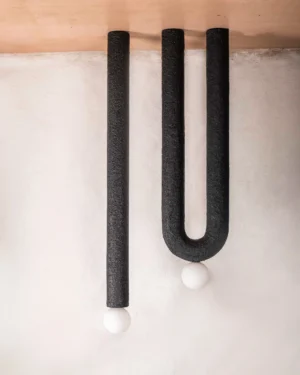
U And I Ceiling Light Set In Clay Paste And Glass
By Harshita Jhamtani Designs
€1.680 -
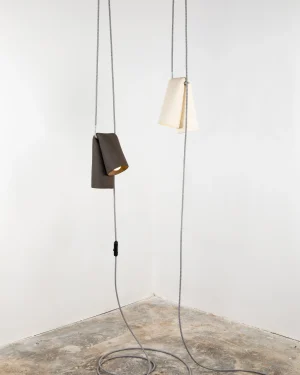
Melo Pendant Lamp In Ceramic
By Catalin Filip
€300 -

Crescent Pendant Lamp In Steel
By Natural Urbano - Sebastián Beltrán
€515 -
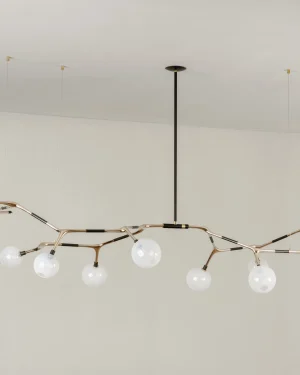
Mantis 13-Piece Chandelier in Bronze and Glass
By Isabel Moncada
Price Upon Request - -

Mantis 9-Piece Chandelier in Bronze and Glass
By Isabel Moncada
Price Upon Request - -
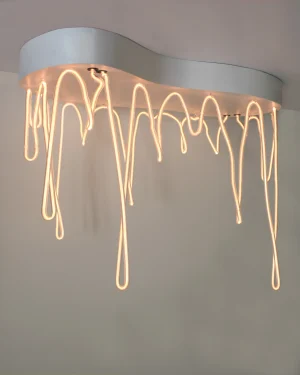
Vertical Fractal Helium Chandelier In Glass And Metal
By Dace Sūna
Price Upon Request -
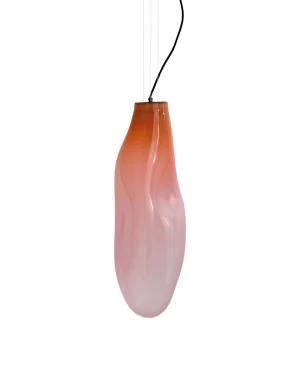
Lyra Single, Flamingo Opaque Pendant Lamp In Blown Glass
By ELOA - Unique Lights
€2.330 - €4.750 -

Zinc Pendant Curva
By Cultivado em Casa
€1.390 -
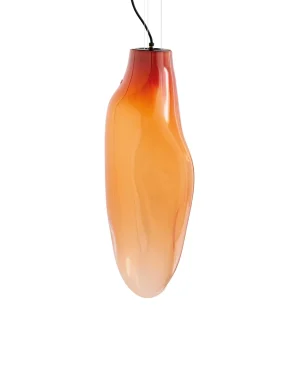
Lyra Pendant Lamp Single, Coral In Blown Glass
By ELOA - Unique Lights
€2.330 - €4.750 -
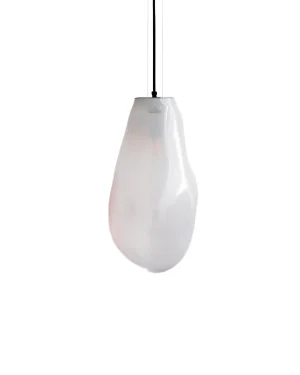
Lyra Pendant Lamp In White Opaque Glass
By ELOA - Unique Lights
€2.330 - €4.750
White ceiling lamps gather the pieces that treat color as light itself: blown glass left frosted or opaline, porcelain and ceramic glazed to a flat matte, brass and steel finished in white. Studios working across these materials shape the same fixture in different ways, some turning glass on a blowpipe, others building forms from clay or plaster by hand or shaping sheet steel, so the white surface reads differently depending on how it was made.
What white does to a ceiling lamp
White does not compete with a room; it repeats the color of the ceiling and the wall trim, so the fixture reads as part of the architecture rather than an object added to it. On glass, white softens into a glow rather than a point of glare, since blown and frosted surfaces scatter light instead of projecting it in a beam. On porcelain and ceramic, white can run from chalky and matte to glossy enough to pick up reflections, depending on the glaze. On steel, it is closer to an industrial white, flat and slightly cool, built to resist yellowing better than paint over wood.
Materials, techniques and editions found here
The range runs from hand-blown glass globes and shades, shaped while hot and then cooled slowly to hold their form, to porcelain and ceramic pendants, where each surface carries small variations from the maker's hand. Steel and brass pieces come from metalwork: cut, bent and finished in white, often with a more graphic, architectural outline than a blown or built form allows. Some pieces are produced in open or limited editions, repeated to a fixed design; others are unique, no two alike even when made by the same hand.
- Blown glass: globes, drops and clustered shades with a soft, diffused glow
- Porcelain and ceramic: pendants and shades with matte or glazed surfaces
- Steel and brass: metal fixtures with cleaner, more geometric lines
For a closer look at the metal side of the range on its own, see steel ceiling lamps, which tend toward a more architectural, less decorative outline than glass or ceramic.
How to choose a white ceiling lamp
Scale matters more on a ceiling fixture than almost anywhere else in a room, since it sits above eye level and against open space. A shade that is too small reads as an afterthought in a high-ceilinged room; one too large can crowd a low ceiling and sit close to head height. Measure the room's width as a rough guide to shade diameter, and check mounting height against door frames and sightlines before deciding.
Finish changes how the lamp behaves once it is lit as much as how it looks switched off. A glossy glaze or polished glass will throw soft reflections across a ceiling, while a matte surface absorbs more light and reads quieter. Steel in white tends to suit a room already working in clean lines, where the fixture should not add visual texture; ceramic and glass suit rooms that can carry a softer, handmade presence overhead.
Where these lamps work
White ceiling lamps suit rooms where the fixture needs to recede rather than announce itself: bedrooms, hallways, kitchens, and any room where the ceiling itself is already white or close to it. They also work well stacked above a dining table or kitchen island, where the fixture faces upward sightlines all day. For a living room, where the lamp is often viewed from below while seated, see the pieces under living room ceiling lamps, and for a broader look across styles within the color, visit white lighting as a whole.
Caring for white surfaces overhead
White shows dust and smoke residue more readily than darker finishes, particularly on matte ceramic and powder-coated steel, so a light, regular dusting keeps the surface from dulling. Glass can be wiped with a soft, slightly damp cloth once cooled and unplugged. Avoid abrasive cleaners on glazed ceramic, which can scratch a matte surface over time. For the full range of ceiling fixtures beyond this color, the ceiling lamps category covers every material and finish, while minimalist ceiling lamps offers a narrower, pared-back take on the same white and neutral palette.
How do I choose a white ceiling lamp?
Match the material to the light you want: glass glows and scatters, porcelain and ceramic hold a flatter, chalkier white, steel reads crisp and architectural. Consider the room's trim and ceiling color, since white repeats rather than contrasts with them.
How do you clean and care for a white ceiling lamp?
Dust glass and glazed ceramic with a soft, dry cloth, and avoid abrasive cleaners that can dull matte glazes. Powder-coated steel wipes clean easily and resists yellowing better than painted finishes.
What size or height should a white ceiling lamp be?
Size depends on ceiling height and room scale, so measure the space before choosing. The maker can confirm exact dimensions and recommended hanging height through Chat with the maker on the piece's page.
Which rooms suit white ceiling lamps?
White lamps work wherever the fixture should sit quietly within the architecture rather than stand out, from living rooms and bedrooms to kitchens and hallways with white or light-painted ceilings.
Are these white ceiling lamps handmade or mass-produced?
Many are hand-blown, hand-built or shaped by hand by independent studios, so surfaces can carry small variations from the maker's process rather than being perfectly uniform like factory lighting.
What is ADORNO's shipping and return policy for ceiling lamps?
Shipping is insured and worldwide, with a 14-day return policy, though made-to-order pieces are excluded. Every lamp arrives with a certificate of authenticity, and ADORNO offers a lowest-price guarantee.