




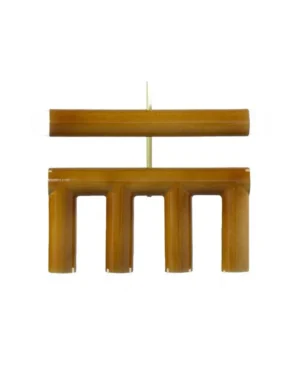
-
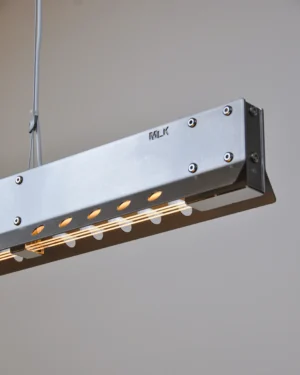
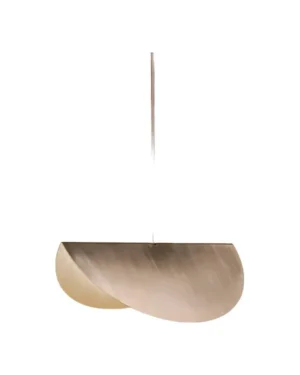
Ne1250/145 Pendant Lamp In Steel And Acrylic
By MLK Furniture
€1.390 -
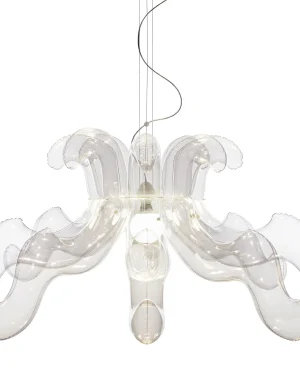
Lullaby No.2 Chandelier in PVC and Acrylic
By PUFF-BUFF
€640 -
 In stock
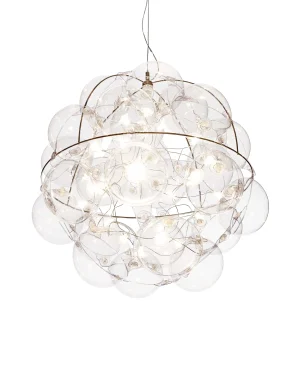
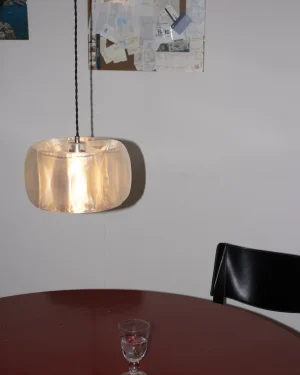
Starlette Chandelier in PVC and Stainless Steel
By PUFF-BUFF
€830 -
 In stock
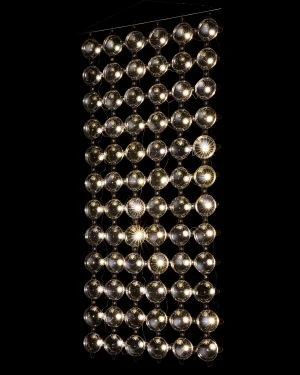
Pascal Pendant Lamp in Plastic
By 91-92
€306 - €459 -
Bubbles Lighting Divider, Pendant Lamp In Air-filled Pvc
By PUFF-BUFF
€1.190 -
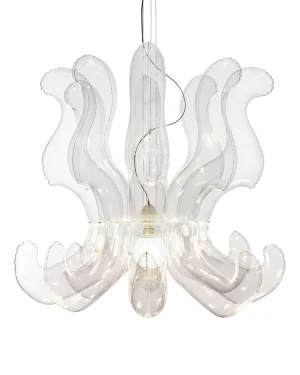
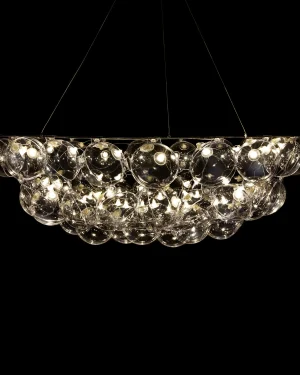
Lullaby No.1 Chandelier in PVC and Acrylic
By PUFF-BUFF
€640 -
 In stock
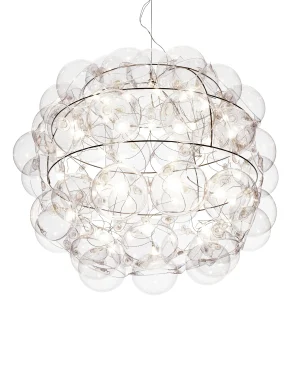
Half-superstar Ceiling/ Pendant Lamp In Pvc And Steel
By PUFF-BUFF
€1.190 -
 In stock
Star Chandelier in PVC and Stainless Steel
By PUFF-BUFF
€1.040 -
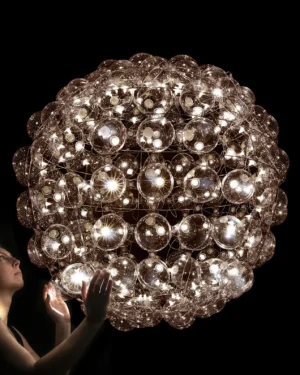
Superstar Chandelier in PVC and Stainless Steel
By PUFF-BUFF
€2.360 -
 In stock
Lullaby and Hygge Pendant Lamp in Resin and Steel
By BDCI
€1.400 -
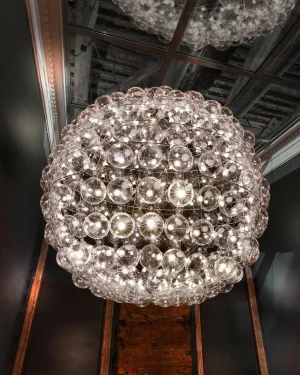
Megastar Chandelier in PVC and Stainless Steel
By PUFF-BUFF
€4.360 -
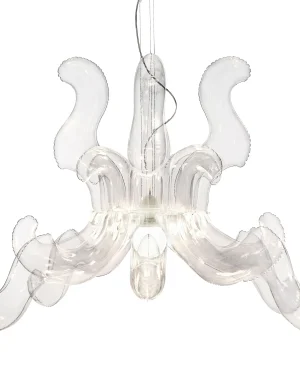
Lullaby No.3 Chandelier in PVC and Acrylic
By PUFF-BUFF
€640 -
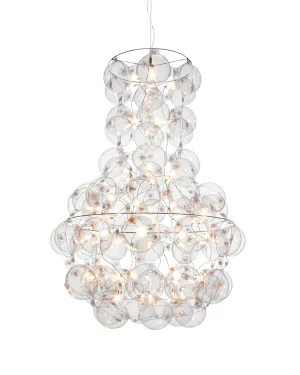
Prince’s Chandelier in PVC and Stainless Steel
By PUFF-BUFF
€1.160 -
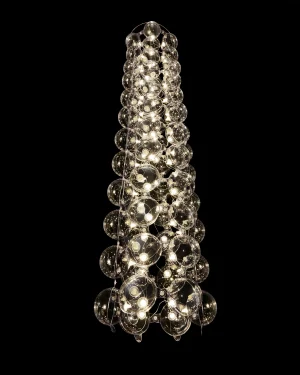
High Tower Pendant Lamp In Air-filled Pvc And Steel
By PUFF-BUFF
€1.480 -

Wind Pendant Lamp in Aluminum, Copper & Recycled Plastic
By SIGNATURE OBJECTS
€1.200 -

Queen’s Chandelier in PVC and Stainless Steel
By PUFF-BUFF
€2.360 -
 In stock
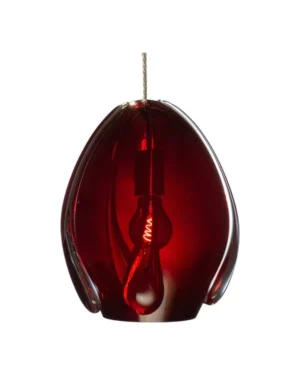
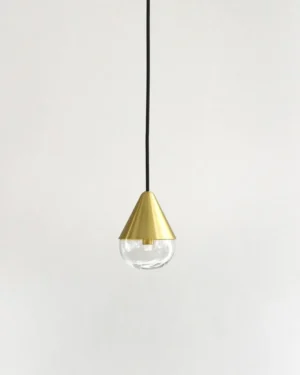
Gota Pendant Lamp in Glass and Brass
By Tributo
€382
Transparent ceiling lamps show the body of the fixture rather than hiding it, the diffuser and the wiring both visible through acrylic, PVC, or glass. Independent studios build them by vacuum forming sheet plastic into domes and globes, or by hand-assembling cut and bonded panels, so the material itself carries the design rather than a printed or painted surface. Editions run from open production to small limited runs, and the finish stays honest about how the piece was made.
What makes a transparent ceiling lamp transparent
Clarity comes first from the material and second from the thickness and the mold. Acrylic glass (often sold as Plexiglas) takes a high polish and holds a crisp edge, PVC film stays soft and faintly cloudy even when stretched taut, and glass gives the coldest, most optically true transparency of the three. Each reacts differently to light: acrylic scatters it slightly at the edges, PVC softens it into a glow, glass lets it pass almost unbroken.
Because nothing is hidden, the quality of the forming shows. Vacuum-formed domes reveal seam lines and wall thickness if the mold was rushed; hand-assembled panels reveal the glue line and the precision of the cut. Buying transparent work means looking at these details as closely as the overall shape.
The range of materials, finishes, and styles
Stainless steel appears often, framing the clear body with a hard edge or a ring at top and bottom. Some pieces pair transparent panels with gray or black metalwork for contrast, others stay fully clear or tint toward silver. Stylistically the range runs from minimalist globes and discs to neo-industrial and Art Deco references, with 3D printing and digital fabrication now sitting alongside welding and traditional vacuum forming as ways of shaping the material. For related finishes and materials in the same family, the wider transparent lighting group and the broader transparent pieces on ADORNO show how the color behaves across lamps, tables, and objects beyond the ceiling.
How to choose a transparent ceiling lamp
Scale matters more with transparent ceiling lamps than with opaque ones, since a clear body reads smaller from below than a solid one of the same size. Measure the room's floor area and ceiling height before settling on a diameter, and leave enough drop below the fixture for sightlines across the room. In a room with low ceilings, a flatter disc or a slim ring keeps the fixture from crowding the space the way a deep dome would.
Finish and metal trim should answer the room's existing hardware, not fight it. A brushed-steel ring suits handles and taps in the same tone; a bare acrylic edge with no metal at all suits a room that already has enough hardware to look at. Placement should also account for dust and fingerprints, which show more readily on clear surfaces than on matte or dark ones.
Where these lamps work and how to care for them
Transparent fixtures suit rooms where the ceiling line itself is worth showing, dining areas, entry halls, and living room ceiling lamps above a seating group, where the lamp needs to read clearly from several angles at once. They also suit smaller rooms, since a clear body never visually fills a corner the way an opaque shade does.
Care is simple but regular. Dust acrylic and PVC with a soft, dry cloth, since paper towels and abrasive cleaners scratch both; wipe glass with a standard glass cleaner and a lint-free cloth. Static can draw dust to acrylic faster than to glass, so a light wipe-down on a routine schedule keeps the clarity intact. For the full range of ceiling fixtures, including options in metal, wood, and fiber alongside glass and plastic, the ceiling lamps category and the pared-back minimalist ceiling lamps group are both worth a look alongside the transparent pieces.
How do I choose a transparent ceiling lamp?
Start with the material. Acrylic gives a crisp, polished clarity, PVC softens light into a glow, and glass stays coldest and most optically true. Each changes how the room reads beneath it, so match the material to the light quality you want.
How do I clean and care for a transparent ceiling lamp?
Dust with a dry or barely damp microfiber cloth, since abrasive cleaners dull acrylic and PVC faster than glass. Avoid ammonia-based glass cleaners on acrylic, as they can cloud or craze the surface over time.
What size lamp do I need, and how high should it hang?
Size depends on the room's floor area and ceiling height, with larger diffusers suited to open living and dining spaces. For exact dimensions and recommended drop height, chat with the maker on the piece's page.
Which rooms suit transparent ceiling lamps?
Their open structure suits rooms where the ceiling itself is part of the view: living rooms, dining areas, and stairwells with height to spare. In low-ceilinged or cluttered rooms, the visible wiring and diffuser can read as busy rather than clean.
Does ADORNO ship transparent ceiling lamps worldwide, and can I return one?
Shipping is insured and worldwide. Returns are accepted within 14 days, except on made-to-order pieces, and every lamp arrives with a certificate of authenticity.
Can I order a custom transparent ceiling lamp?
Some studios take custom sizes, finishes, or wiring configurations on request. Chat with the maker on the piece's page to ask about custom orders and lead times.