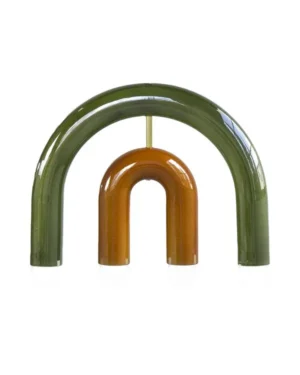
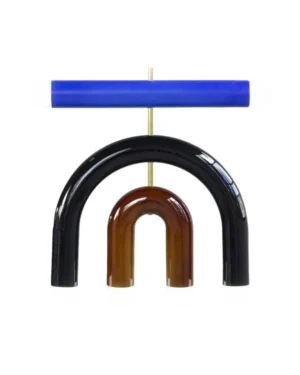
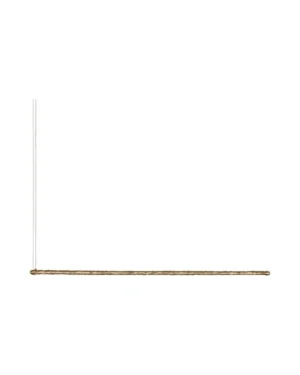
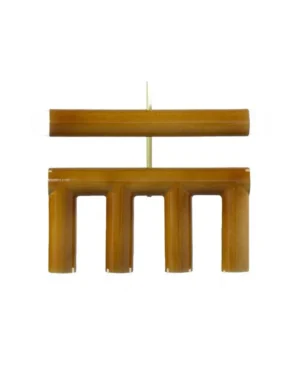
-
 In stock
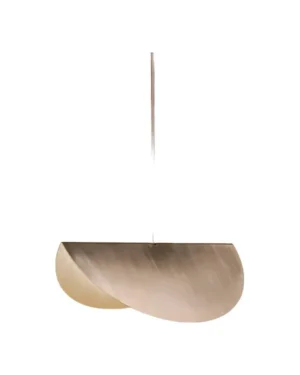
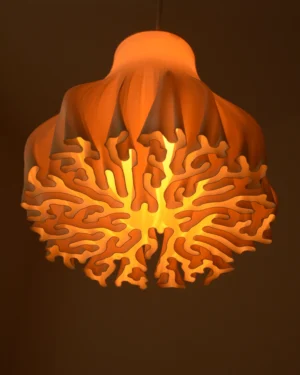
H 1 Pendant Lamp In Bio Polymer
By diploria studio
€295 - €495 -
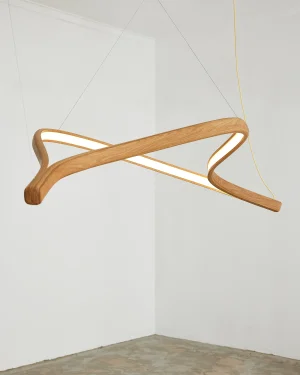
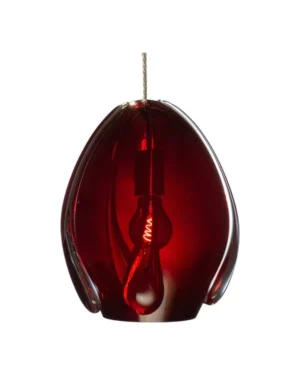
Perola Pendant Lamp in Oak Wood
By Poémia
€8.000 -
 In stock
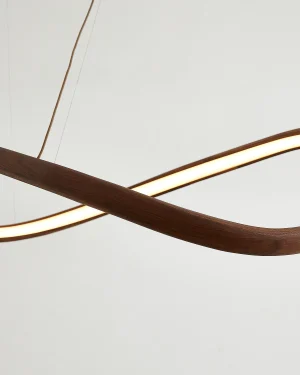
Horizonte Pendant Lamp in Walnut Wood
By Poémia
€8.450 -
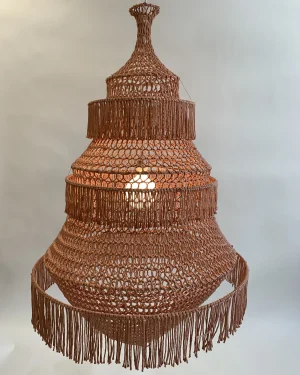
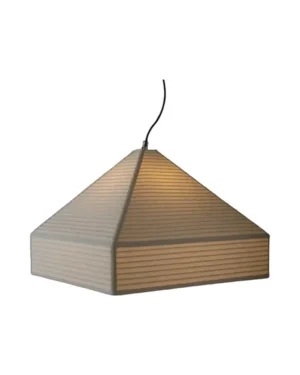
Typha Pendant Lamp in Cotton Rope
By Annie Legault
€1.907 -
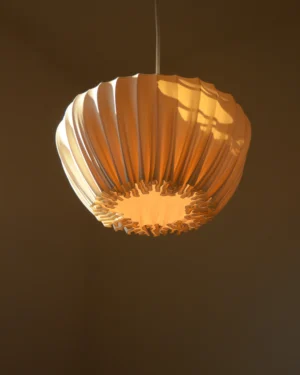
M 2 H Pendant Lamp In Bio Polymer
By diploria studio
€295 -
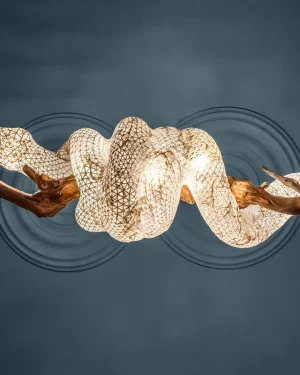
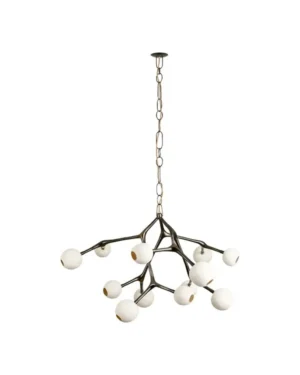
The Staff Of Asclepius Chandelier In Pla And Wool
By Danik Uderbekov
€2.500 -

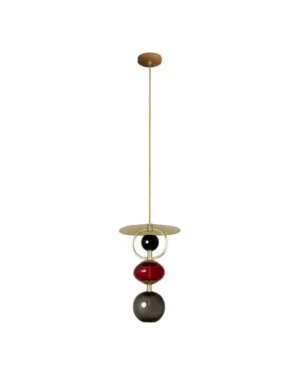
Pendulum Triptych Ceiling Lamp In Bio Plastic
By Julie Mallet Studio
€792 -
 In stock
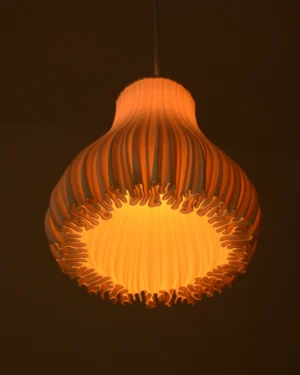
H 2 Pendant Lamp In Bio Polymer
By diploria studio
€295 - €495 -

Vira Triptych Ceiling Lamp In Bio Plastic
By Julie Mallet Studio
€567 -
 In stock
H 3 Pendant Lamp In Bio Polymer
By diploria studio
€395 -
 In stock
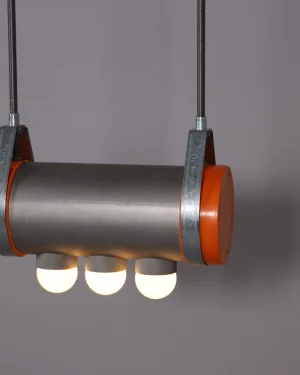
Three Bulb Upcycled Pendant Lamp In Raw Steel
By Nolan Talbot-Kelly
€2.100 -
 In stock
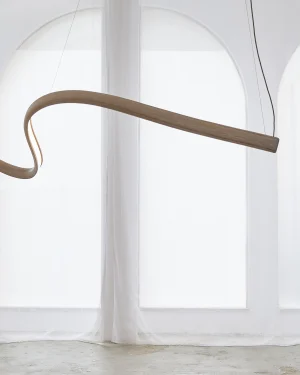
Brisa Pendant Lamp in White Ash Wood
By Poémia
€5.750 -
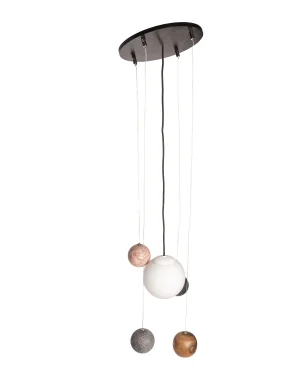
Planeta Ceiling Lamp in Marble and Volcanic Stone
By Daniel Orozco Estudio
€1.260 -

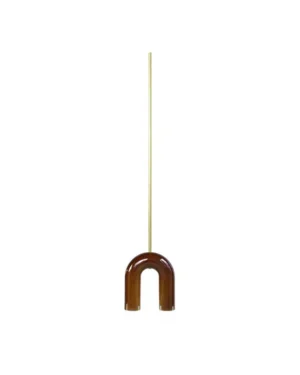
Chema Pendant Lamp in Parota Wood
By Daniel Orozco Estudio
€1.154 -
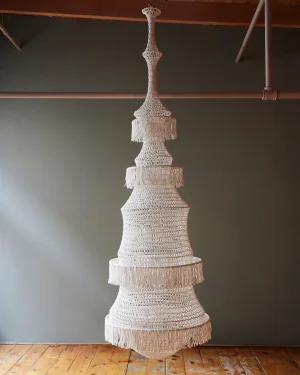
Luzule Pendant Lamp in Cotton Rope
By Annie Legault
Price Upon Request -

Ms Eclipse M (25cm) Pendant Lamp in Marbled Salts
By MARBLEDSALTS studio
Price Upon Request -
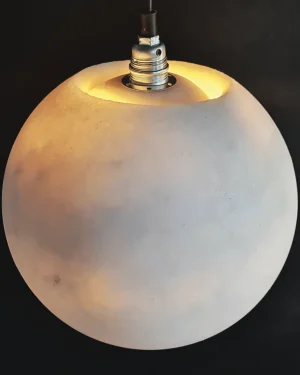
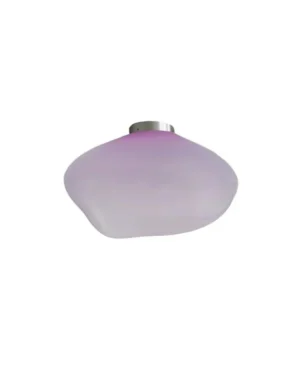
Marbled Salts Ceiling Lamp in Marbled Salts
By MARBLEDSALTS studio
Price Upon Request -
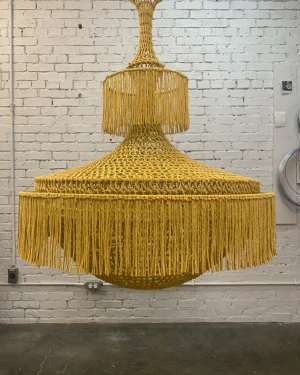
Lola Chandelier in Textiles
By Annie Legault
Price Upon Request
Sustainable ceiling lamps gather bioplastic shells, natural fiber shades and recycled materials into fixtures shaped by studios working in biofabrication, digital fabrication and mould making. Rather than one look, they share a method: materials that grow back, break down, or were already something else before they became light. The result ranges from rope and textile pendants to 3D-printed bioplastic forms and pieces that use marble dust or marbled salts.
What defines this material in a ceiling lamp
Bioplastic is the material doing the most new work here. Cotton rope and other natural fibers are knotted or woven by hand into cone and dome shades, so no two have quite the same surface. Recycled synthetic fiber and textile scraps get a second use as diffusers, softening light rather than scattering it the way glass does.
How these materials behave overhead
Fiber and textile shades filter light into a warm, slightly uneven glow, closer to lamplight than to the even wash of a glass or metal fixture. Bioplastic diffuses more evenly and tends to run cooler in tone, depending on wall thickness and pigment. Marble, used mostly as counterweight or base rather than shade, read heavy and matte, and darken slightly with handling over years. None of these materials is fully transparent, which is worth factoring into a room that depends on one ceiling fixture for most of its light.
Choosing a sustainable ceiling lamp for scale and placement
Start with the drop: a fiber or textile pendant reads best when it hangs low enough to show its shape against the ceiling, rather than sitting flush like a flush-mount fixture. In a room with standard ceiling height, aim for the shade to sit at or just below head height when the room is empty, higher where people gather or pass underneath. Open-weave shades throw pattern onto walls and ceiling, so hanging height changes the room's shadow as much as its light.
- Over a dining table, keep the shade wide enough to spread light across the surface without glare at eye level.
- In an entry or stairwell, a taller, narrower silhouette avoids crowding a tight space.
- Where the ceiling is low, choose a shallow dome or disc rather than a long drop.
Finish matters as much as form. Open editions tend to come in a narrower set of standard sizes and colorways, while limited editions and unique pieces allow for one-off dye lots, irregular weave or a single hand-finished bioplastic shell, so check whether color consistency matters before buying more than one.
Where these lamps work best
Fiber, rope and textile shades suit rooms built around texture already, living rooms, bedrooms, reading corners, anywhere the lamp will be seen as much as used. Bioplastic and digitally fabricated forms sit more easily in kitchens and dining areas, where their cleaner geometry holds up against hard surfaces. For a fuller sense of how these pieces furnish a living space, the living room ceiling lamps group is a useful place to compare scale and drop.
Caring for natural and bio-based materials
Dust fiber and textile shades with a soft brush rather than a damp cloth, which can mat the weave or leave water marks on cotton rope. Bioplastic should stay away from direct heat sources and strong sun, which can soften or discolor it over time. Marble bases wipe clean with a dry cloth; avoid acidic cleaners, which etch stone finishes permanently.
For a wider view of low-impact lighting beyond ceiling fixtures, see sustainable lighting as a whole, or step back to every ceiling lamp on ADORNO regardless of material. The full range of sustainable work across objects and surfaces sits under sustainable decor, and every piece tagged with this approach, lighting included, is gathered under sustainable design.
How do I choose a sustainable ceiling lamp?
Start with the glow you want: fiber and textile shades give a warm, uneven light, bioplastic diffuses more evenly and runs cooler. Then weigh the base material against the room's scale and existing finishes.
How do you care for bioplastic and natural fiber lamps?
Dust with a dry or barely damp cloth and keep bioplastic shades from direct, sustained heat, since the material softens before standard plastic would. Natural fiber shades should stay dry to avoid mildew.
What height should a ceiling lamp hang at?
In most living areas, aim for the shade's underside around 180 to 200 centimeters from the floor, and higher over walkways. Over a table, let the light sit close enough to pool without glaring at eye level.
Which rooms suit a sustainable ceiling lamp?
Fiber and rope shades warm up living rooms and bedrooms, while bioplastic's even, cooler light works well over kitchen tables and work areas. Stone-weighted pieces anchor larger, higher-ceilinged rooms.
Can I get a sustainable ceiling lamp made to order?
Customization depends on the maker, so chat with the maker on the piece's page to ask about alternate sizes, colors or materials.
What are ADORNO's shipping and return policies?
Shipping is insured and worldwide. Returns are accepted within 14 days, except on made-to-order pieces, and every lamp arrives with a certificate of authenticity.