








-
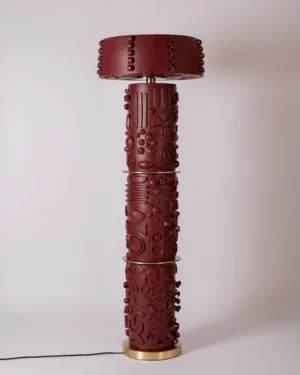
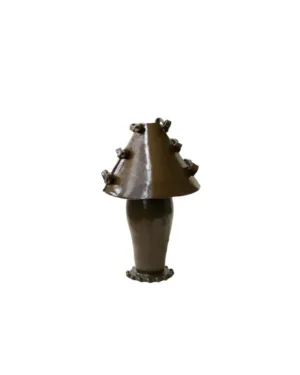
Sculpt Floor Lamp In Hand-built Stoneware
By Harshita Jhamtani Designs
€7.880 -
 In stock
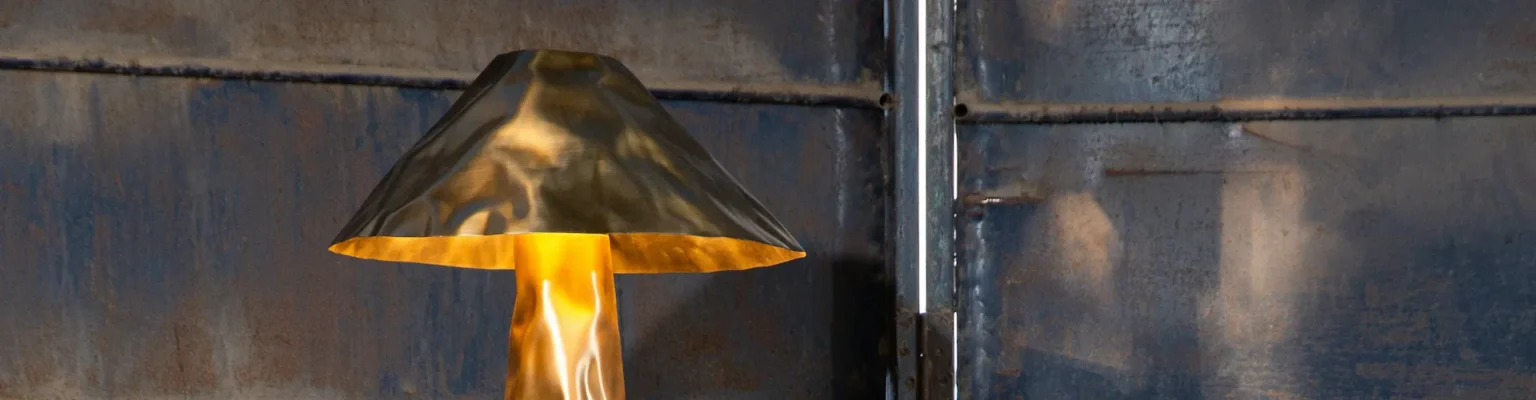
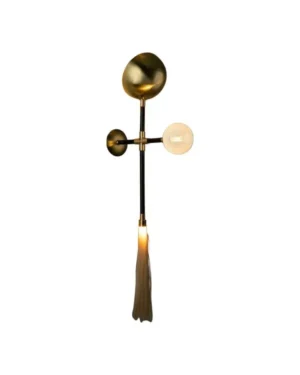
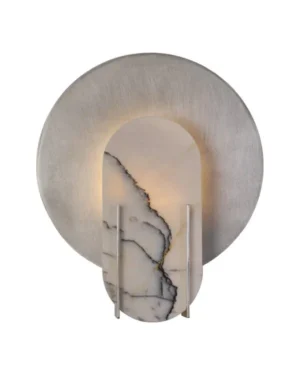
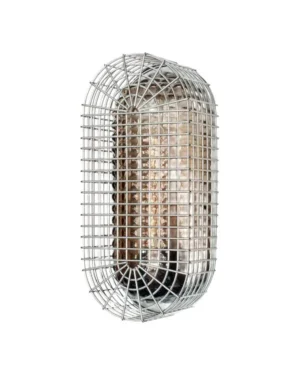
Bells and Whistles Wall Sconce in Aluminum
By Toro Manifesto
€1.300 -
 In stock
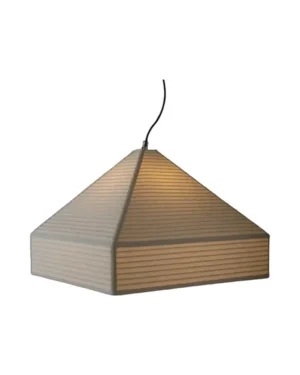
Plissé – Table Lamp In Burgundy Red
By Vlad Oganov Objects
€399 -
 In stock
Manon Floor Lamp in Rattan
By Heaps & Woods
€2.125 - €2.375 -

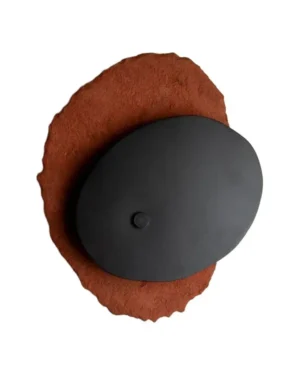
Oasis Wall Light In Hand-sculpted Stoneware
By Harshita Jhamtani Designs
€410 -

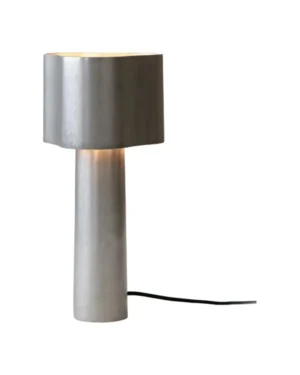
Bells and Whistles Table Lamp in Aluminum
By Toro Manifesto
€2.100 -
 In stock
Sputnik V Floor Lamp in Steel
By StorqueStudios
€689 -
 In stock
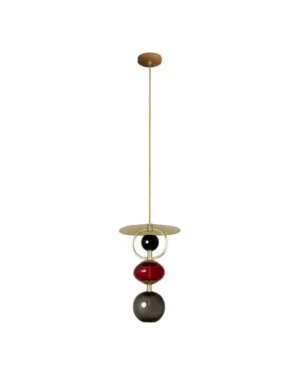
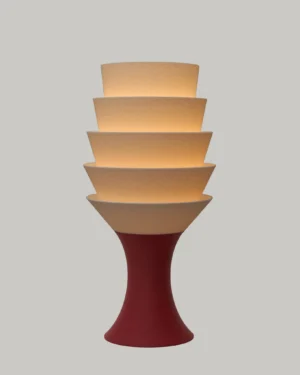
Empilé Petit – Table Lamp In Burgundy Red
By Vlad Oganov Objects
€299 -
 In stock
Empilé Grande Table Lamp In Burgundy Red
By Vlad Oganov Objects
€499 -
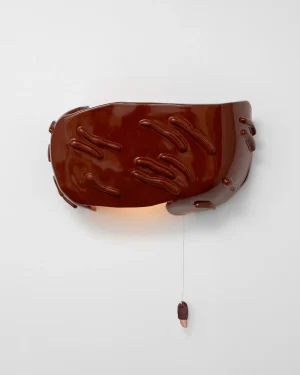
Killing the Mood Wall Sconce in Ceramic
By Studio AOAO
€2.200 -

The Rouge Floor Lamp In Clay Paste And Metal
By Harshita Jhamtani Designs
€4.430 -
 In stock
Plissé Mini Table Lamp In Bio Plastic
By Vlad Oganov Objects
€299
Burgundy lamps carry the color of aged wine into blown glass, glazed stoneware and lacquered metal, where the same hue looks deep red under daylight and nearly black once the bulb goes dark. Independent studios build them through hand-blowing, hand-building, glazing and metalwork, so the color behaves differently depending on whether light passes through the material or simply sits on its surface. Some pieces are one-offs, others come from limited runs or small open editions.
What makes burgundy read differently in each material
In blown glass, burgundy depends on how much light passes through: thin walls glow garnet when lit and read almost black in daylight, while thicker castings hold a denser, more opaque red. Stoneware carries the color through its glaze, so a matte finish sits flat and chalky while a glossy one pools and deepens in the grooves of a hand-built form. Lacquered steel or aluminum holds the darkest version of the color, closer to dried blood than to wine, since the lacquer sits as a hard, reflective skin rather than sinking into the material. Across the range, burgundy lamps lean toward glass and ceramic rather than wood, because the color comes from a glaze or a cast rather than a stain.
The materials and techniques behind the range
Studios working in this color use hand-building, glazing, metalwork, lacquering and digital fabrication side by side, so a lamp in this tone might come from a potter's wheel, a mold, a steel frame or a 3D printer. Finishes run from raw stoneware to high-gloss lacquer, and editions range from unique pieces through small limited runs to open editions kept in steady production.
- Materials: stoneware, clay, mild steel, stainless steel, aluminum, bioplastic, plaster composite
- Techniques: hand-building, glazing, metalwork, lacquering, sculpting, digital fabrication
- Editions: unique pieces, limited editions, open editions
How to choose a burgundy lamp
Start with scale: a tall floor lamp can carry a saturated burgundy across a room, while a small table lamp concentrates the same color into one pool of light close to where it sits. Height matters as much as footprint, since a lamp set at eye level when seated reads differently from one placed to wash light upward across a ceiling. Match the finish to the room's other surfaces, pairing a matte glaze with raw wood and stone, or a glossy lacquer with glass, marble or polished metal.
Within the wider range of collectible lamps on ADORNO, burgundy sits alongside white, beige, black and white, terracotta and blue, so it is worth weighing a piece against the warmer or cooler tones already in a room before settling on one. For the color across other kinds of furniture and objects, see every burgundy piece on ADORNO.
Where burgundy lamps belong
The color carries weight, so it tends to anchor a room rather than recede into it. A table lamp in this tone holds its own on a console or sideboard in a living room, especially near leather, dark wood or brass. In a bedroom, a smaller lamp beside the bed gives a warmer, lower light than a white or cream shade, useful in a room used mostly after dark. See further options among living room lamps and bedroom lamps.
Caring for glazed, blown and lacquered surfaces
Stoneware and glazed ceramic resist fading but can chip at the base or rim, so lift rather than drag them when cleaning. Blown glass should be dusted with a dry or barely damp cloth, since abrasive cleaners can dull the surface shine that gives the color its depth. Lacquered metal, including pieces found among metal lamps, holds its color well but shows scratches more readily than a matte finish, so it is best kept from sharp contact. Whether blown, glazed or lacquered, burgundy lamps hold their color best when kept out of direct, prolonged sun.
How do I choose a burgundy lamp?
Decide whether you want the color to glow or stay solid: thin blown glass lights up garnet, while glazed stoneware and lacquered metal hold a steady, opaque red whether lit or not.
How do you care for a burgundy lamp?
Dust glass and metal with a dry or barely damp cloth, and avoid abrasive cleaners on glazed stoneware since they can dull the surface and shift how the color reads.
Does burgundy fade or change color over time?
Lacquer and glaze hold their color well out of direct, constant sun, but strong daylight over years can soften any pigmented surface, including burgundy glass and ceramic.
What size lamp works best on a side table versus a floor?
Table and desk lamps generally sit low enough to clear sightlines when seated, while floor lamps stand taller to throw light across a room; the maker can confirm exact dimensions through Chat with the maker on the piece's page.
Which rooms suit a burgundy lamp?
The depth of the color suits living rooms and bedrooms especially well, where it reads as a quiet accent in daylight and a warmer glow once lit after dark.
How does shipping, returns and authenticity work when I buy from ADORNO?
Shipping is insured and worldwide, returns are accepted within 14 days except on made-to-order pieces, each lamp comes with a certificate of authenticity, and ADORNO offers a lowest-price guarantee.