






-
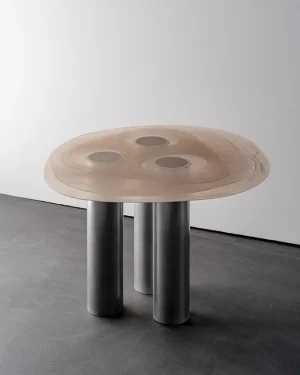
Flywater Side Table in Epoxy Resin
By Calen Knauf Studio
€2.838 -
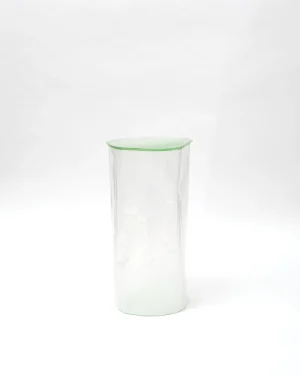
Trace Side Table in Epoxy Resin and Vellum
By Calen Knauf Studio
€340 - €380 This product has multiple variants. The options may be chosen on the product page -
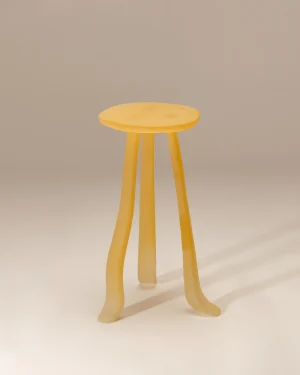
Lung 1.0 Honey Matte Side Table in Resin
By Szymon Keller
€2.200 - €2.400 This product has multiple variants. The options may be chosen on the product page -
 In stock
The Shifting Side Table in Acrylic Glass
By em ef studio
€11.000 -

U-001 Cacao Side Table in 3D-Printed PLA
By Rollo Studio
€1.620 -
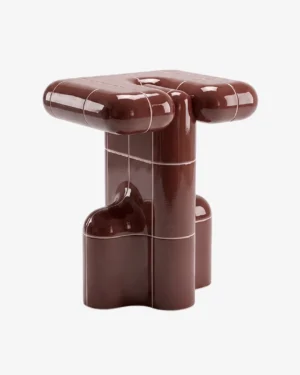
U-001 Garnet Side Table in 3D-Printed PLA
By Rollo Studio
€1.620 -
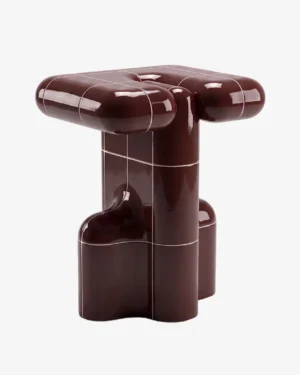
U-001 Oxide Side Table in 3D-Printed PLA
By Rollo Studio
€1.620 -
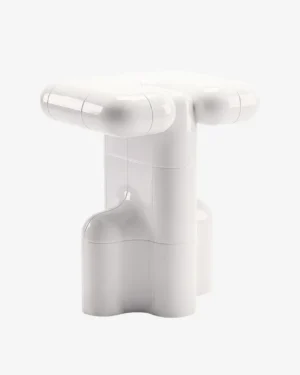
U-001 Chalk Side Table in 3D-Printed PLA
By Rollo Studio
€1.620 -
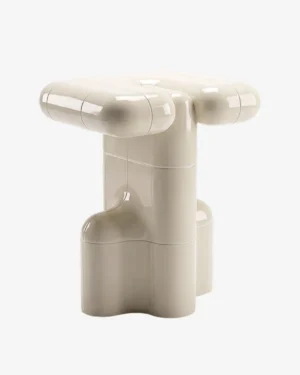 In stock
U-001 Cream Side Table in 3D-Printed PLA
By Rollo Studio
€1.620 -
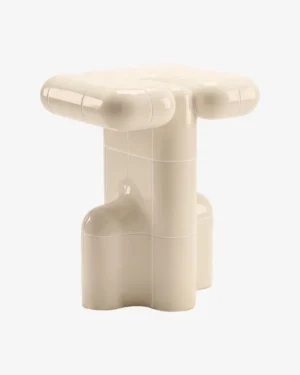
U-001 Ivory Side Table in 3D-Printed PLA
By Rollo Studio
€1.620 -
 In stock
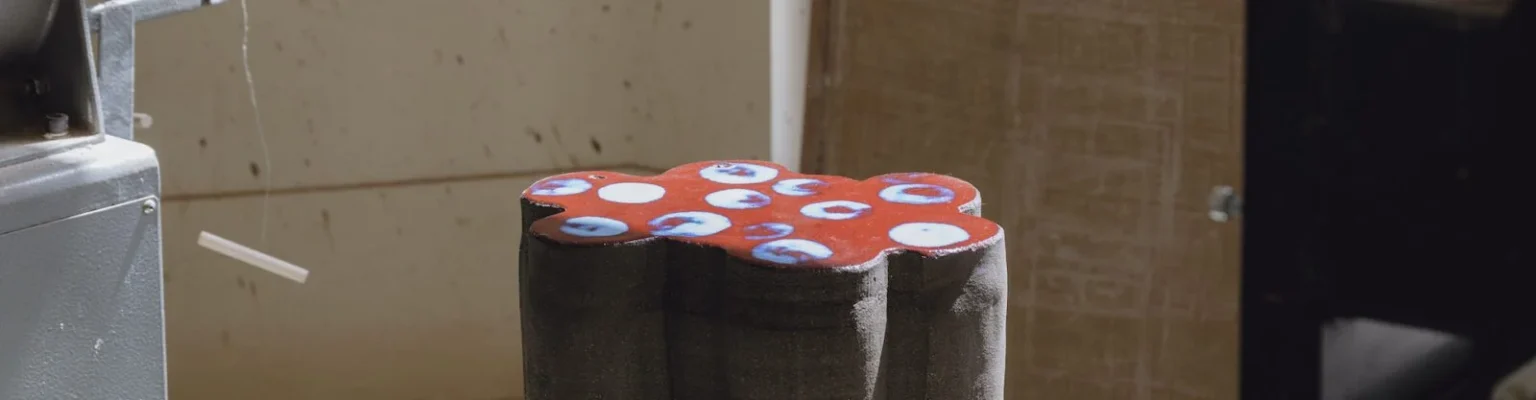
Orange With Green Tape Wowtable Side Table in Epoxy Resin
By Calen Knauf Studio
€273 -
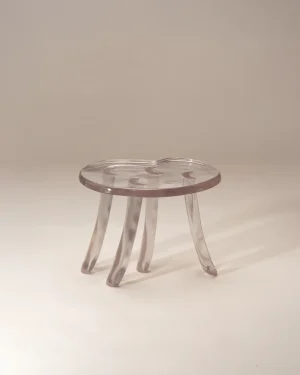
Lung 2.0 Side Table in Resin
By Szymon Keller
€3.180 -

Lung 2.0 Blue Side Table in Resin
By Szymon Keller
€3.180 This product has multiple variants. The options may be chosen on the product page -
 In stock
Dendria Side Table in Biopolymer and Walnut Root Veneer
By diploria studio
€4.050 -

Cult Stool – Sculptural Side Table In Black Laquer
By Panorammma Atelier
€1.200 -
 In stock
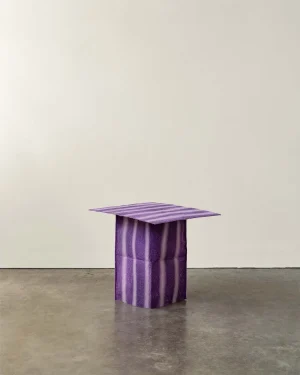
Purple-Striped Wowtable Side Table in Epoxy Resin
By Calen Knauf Studio
€277 -
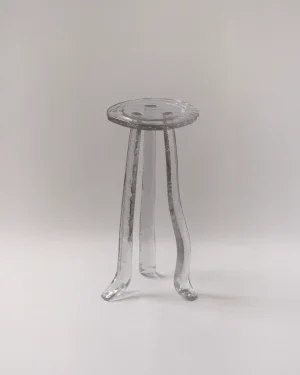
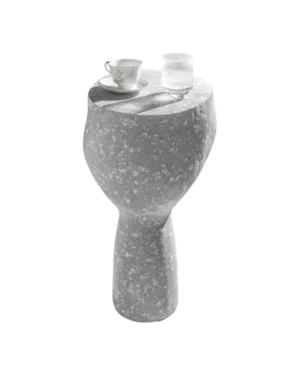
Lung 1.0 Side Table in Resin
By Szymon Keller
€2.000 - €2.400 This product has multiple variants. The options may be chosen on the product page -
 In stock
The Space Between Us Side Table in Resin and Volcanic Stone
By Toro Manifesto
€7.400 -
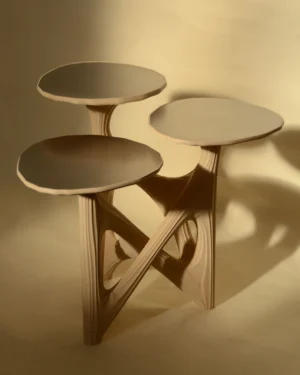
Dendria Side Table in Biopolymer and Stainless Steel
By diploria studio
€3.250 -
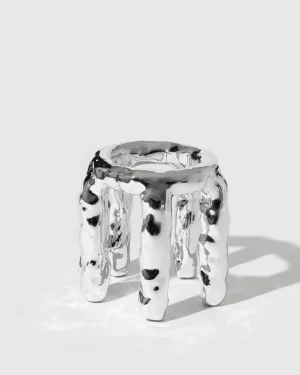
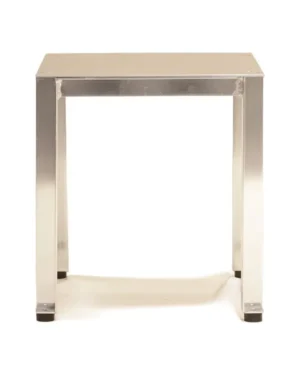
Crest And Trough Series – Chrome Stool / Side Table
By Dongwook Choi
€2.600 -
 In stock
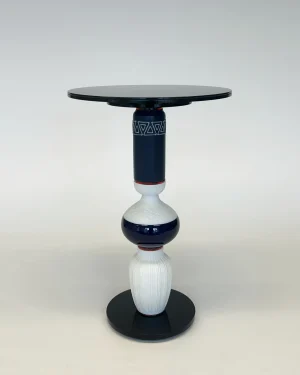
Angels Side Table in Glazed Clay and Glass
By Andreas Berlin
€3.500 -

Vendi Side Table in Black Quartz Sand
By Rollo Studio
€4.100 -
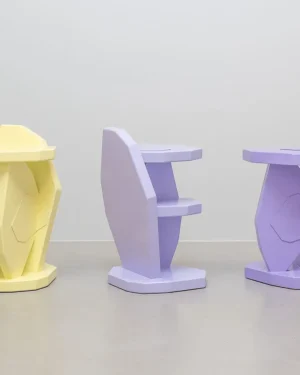
Patched Side Table in Painted Birch and Aluminum
By Jacob Mathias Egeberg
€1.300 This product has multiple variants. The options may be chosen on the product page -

Dendria Side Table in Biopolymer and Stainless Steel
By diploria studio
€3.250 -
 In stock
Yellow Dotted Cube Wowtable Side Table in Epoxy Resin
By Calen Knauf Studio
€273 -
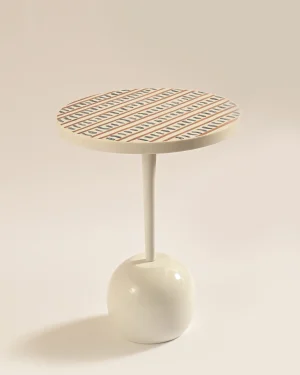
Sambhal Bone Inlay Side Table in Cast Aluminum and Resin
By LMNOH
€856 -
 In stock
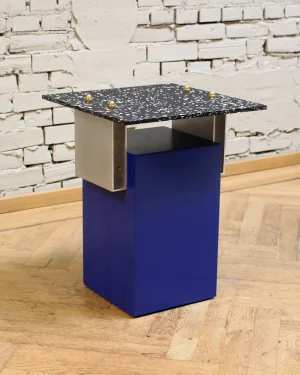
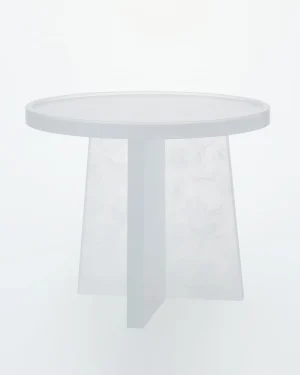
Build Side Table in Recycled Plastic and Aluminum
By Lisanne Meester
€1.399 -
 In stock
Kiri Side Table in Korean Paper and Resin
By Sangwoo Son
€900 This product has multiple variants. The options may be chosen on the product page -
 In stock
Servant Side Table in Black Marble, Oak, Acrylic and Brass
By VAUST Studio
€7.600 -
 In stock
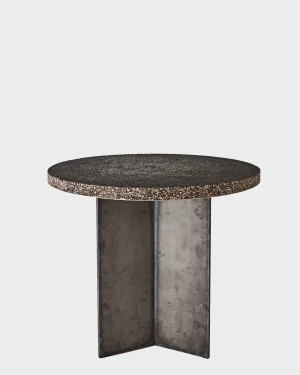
Temporal Tarmac Side Table in Asphalt and Iron
By Lucas Muñoz Muñoz
€20.000 -
 In stock
Yellow Circular Drape Wowtable Side Table in Epoxy Resin
By Calen Knauf Studio
€273 -

Tap Side Table in Brass and Acrylic
By Nama Home
€2.725 -
 In stock
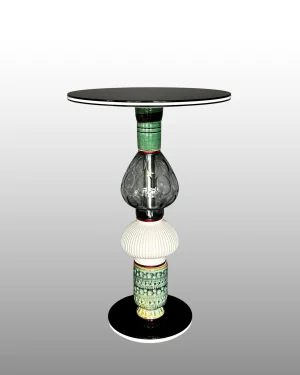
Aeroplane Side Table in Glazed Clay and Glass
By Andreas Berlin
€3.500 -
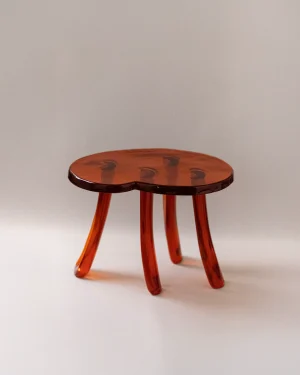
Lung 2.0 Amber Side Table in Resin
By Szymon Keller
€3.180 This product has multiple variants. The options may be chosen on the product page -

Shrine Side Table in Black Marble, Oak, Acrylic and Brass
By VAUST Studio
€8.200 -
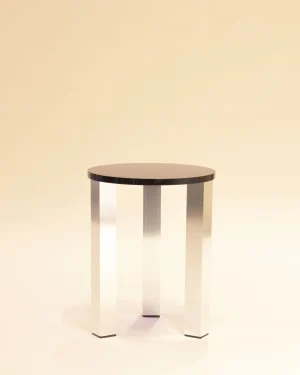 In stock
Acrilar Side Table in Acrylic and Aluminum
By Luiz Solano
€650 -
 In stock
Stalgia Side Table in Guarango Wood
By Laluz Handcraft
€1.440 -
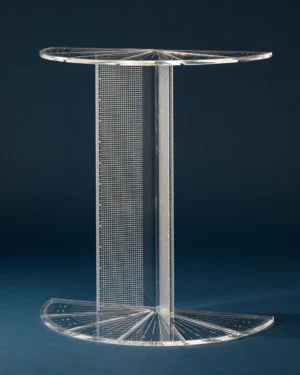 In stock
Angle A Side Table in Acrylic
By Iyo Hasegawa
€2.800 -
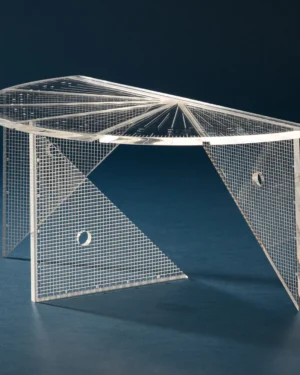 In stock
Angle C Side Table in Acrylic
By Iyo Hasegawa
€2.350 -
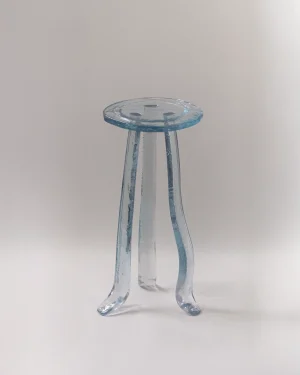
Lung 1.0 Blue Side Table in Resin
By Szymon Keller
€2.000 - €2.400 This product has multiple variants. The options may be chosen on the product page -
 In stock
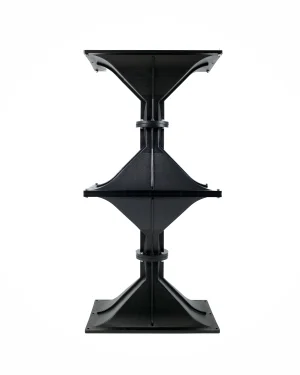
Horn Series Side Table in Stainless Steel and Plastic
By juyong shim
Price Upon Request -
 In stock
Horn Series No. 2 Side Table in Stainless Steel and Plastic
By juyong shim
Price Upon Request -
 In stock
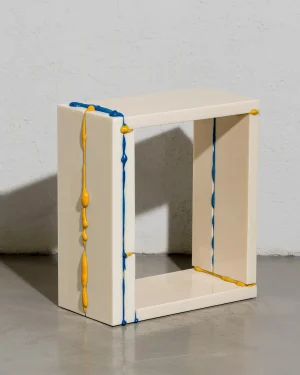
B.S.P. Series Side Table in Recycled Plastic
By Atelier SOHN
Price Upon Request -
 In stock
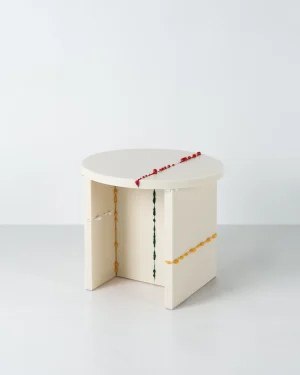
B.S.P. Series Side Table in Recycled Plastic
By Atelier SOHN
Price Upon Request -
 In stock
B.S.P. Series Black Edition Side Table in Recycled Plastic
By Atelier SOHN
Price Upon Request -

Lung 1.0 Amber Side Table in Resin
By Szymon Keller
€2.041 - €2.400 This product has multiple variants. The options may be chosen on the product page -
 In stock
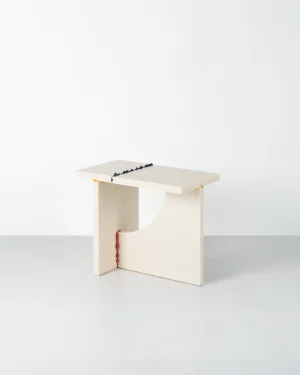
B.S.P. Series Side Table in Recycled Plastic
By Atelier SOHN
Price Upon Request -
 In stock
B. S. P Series, Black Edition – Recycled Plastic Stool
By Atelier SOHN
Price Upon Request -
 In stock
B.S.P. Series Black Edition Side Table in Recycled Plastic
By Atelier SOHN
Price Upon Request -
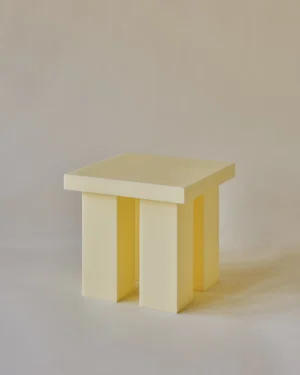 Sold
SoldMiter Side Table in Frosted Acrylic
By Mock Studio
€750 -
 Sold
SoldGreen Rectangular Wowtable Side Table in Epoxy Resin
By Calen Knauf Studio
€273 -
 Sold
SoldOrange Mask Wowtable Side Table in Epoxy Resin
By Calen Knauf Studio
€277
Plastic side tables bring color, lightness and a certain optical clarity into a room that wood and metal cannot match. The pieces gathered under this material are built by studios working in PLA, resin, epoxy and bioplastic, often alongside acrylic or acrylic glass, using 3D printing, digital fabrication, resin casting or biofabrication rather than traditional joinery. The result is a side table that can look carved, poured, molded or almost liquid, depending on the hand behind it.
What defines plastic side tables
Plastic and polymer behave differently from timber or stone. Cast resin and epoxy can trap pigment, bubbles or layered color inside a solid block, so a table reads as transparent, clear or as deep as wine depending on how much light passes through it. PLA and bioplastic, often extruded through 3D printing, build a surface in visible layers rather than hiding the process, giving the table a worked, almost topographic texture. Acrylic and acrylic resin stay closer to glass: hard, cool to the touch, and prone to scratching if treated carelessly.
Color carries more weight here than in most other side table materials. Cream, ivory and sky blue sit toward the softer end, while black, copper tones and transparent or clear finishes push the same basic form toward very different effects. A single plastic side table can act as a quiet accent or as the one saturated object in an otherwise neutral room.
The range of plastics, finishes and editions
Within this material, the making itself varies as much as the look. Some studios lean on digital fabrication and 3D printing to produce tables in open editions, repeatable forms refined through software before they are printed or molded. Others work by hand with resin casting, painting and drawing, or biofabrication, producing unique pieces or limited editions where no two tables share exactly the same pattern of color or air. Metalwork sometimes enters as a base or fitting, pairing stainless steel legs with a cast or printed top.
Styles range from strict minimalist and contemporary forms, through recognizably modern lines, to eclectic, radical, conceptual or Art Deco references that use plastic precisely because it can be shaped into curves and volumes that wood and stone resist. Anyone working across a scheme of minimalist side tables or contemporary side tables will find plastic pieces that sit comfortably alongside either language.
How to choose a plastic side table
Start with scale. A plastic side table often reads as lighter, visually and physically, than an equivalent table in oak or steel, so it can sit closer to seating without crowding a sofa or bed. Standard side table height sits near the arm of a sofa or just below a mattress edge; check this against the piece before placing an order, since a few centimeters change how comfortable it is to reach a lamp or a cup.
- Match the finish to light: transparent or clear tops let a rug or floor show through, while opaque colors like black or ivory anchor the eye on the object itself.
- Consider weight and footprint if the table will be moved often, since plastic pieces are generally easier to shift than stone or solid wood.
- Think about contrast: a cast resin or acrylic table reads clearly against a room otherwise built from wood, textile and stone.
Where plastic side tables fit in a room
These tables suit living rooms where a reading corner needs a surface for a lamp and a book, bedrooms where a bedside routine calls for something easy to wipe down, and entryways where a small, water-resistant surface can hold keys or a bowl. Because the material rarely stains or absorbs moisture the way wood can, plastic side tables also hold up well near a door or a bathroom. Anyone assembling a broader scheme can look across all side tables or the wider world of plastic furniture to carry the same material language into seating or storage.
Caring for plastic and resin surfaces
Most plastics and resins resist water and everyday stains, so a damp cloth is usually enough for cleaning. Avoid abrasive pads on acrylic and acrylic glass, since both scratch more easily than glass itself; a microfiber cloth keeps the surface clear rather than clouded. Direct, sustained sun can fade pigmented resin or bioplastic over time, so rotating a table out of a strong window line helps keep its color even. For the full material range, including lighting and accessories made the same way, see every plastic and polymer piece on ADORNO.
How do I choose a plastic side table?
Consider the finish first: glossy acrylic reads sharp and reflective, cast resin holds color and depth, 3D-printed forms show visible layering. Match that character to the room's existing materials and light.
Is plastic a good material for a side table?
Plastic resists moisture, scratches less visibly than wood, and stays lightweight enough to move easily. Acrylic and resin pieces also tolerate humidity, making them practical near bathrooms or outdoor-adjacent spaces.
How do I clean and care for a plastic side table?
Wipe with a soft cloth and mild soap; avoid abrasive cleaners, which can dull or scratch the surface. Keep acrylic and clear resin out of direct sun to prevent yellowing over time.
What height and size should a plastic side table be?
Most side tables sit between 18 and 26 inches, close to the arm height of a sofa or the top of a mattress. Choose a size that leaves clearance for lamps or daily objects.
Which rooms suit a plastic side table?
Their light weight and water resistance suit living rooms, bedrooms, and sunrooms alike. Transparent or colored forms also work well as sculptural accents beside seating or beds.
Does ADORNO offer worldwide shipping and returns on plastic side tables?
Shipping is insured and worldwide, with a 14-day return policy, excluding made-to-order pieces. Each table arrives with a certificate of authenticity, and ADORNO offers a lowest-price guarantee.