






-
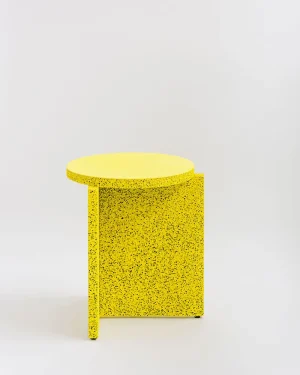
Sponge Side Table in Foamed Aluminum
By Calen Knauf Studio
€898 This product has multiple variants. The options may be chosen on the product page -
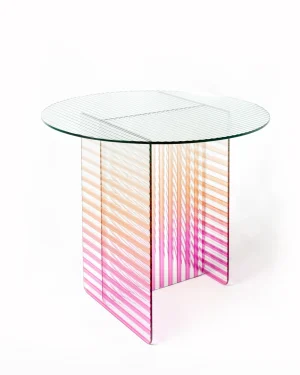
Kaila-I Side Table in Ribbed Glass
By Yugen Lab
€1.050 -

Kaila-II Side Table in Ribbed Glass
By Yugen Lab
€1.000 -

Cherry Side Table in Steel and Wood
By SALAK Studio
€590 -
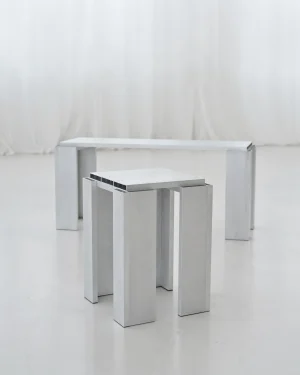
Al01 Aluminum Stool
By NOSTUDIO
€750 -

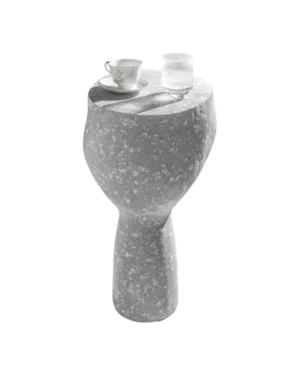
Ludovica – Stone Stool / Side Table
By Studio Ayres
€1.960 This product has multiple variants. The options may be chosen on the product page -
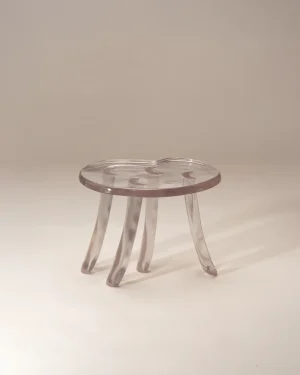
Lung 2.0 Side Table in Resin
By Szymon Keller
€3.180 -

Lung 2.0 Blue Side Table in Resin
By Szymon Keller
€3.180 This product has multiple variants. The options may be chosen on the product page -
 In stock
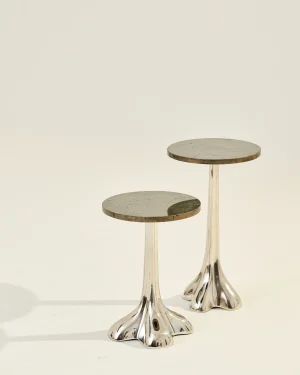
Theia Side Table in Golden Pyrite and Brass
By LMNOH
€2.100 -
 In stock
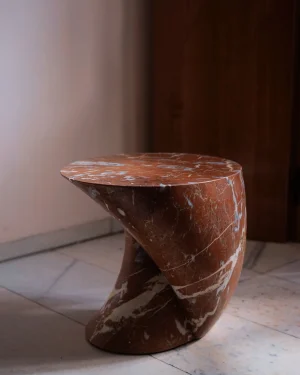
Departed Side Table in Rosso Francia Marble
By Studio TOOJ
€9.600 -
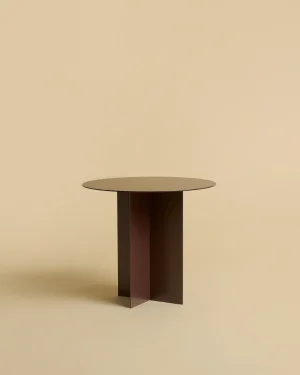
Wake Side Table in Metal
By Lebanto
€902 -
 In stock
Kilt Side Table in Felt, Textile and MDF
By FARG & BLANCHE
€960 -
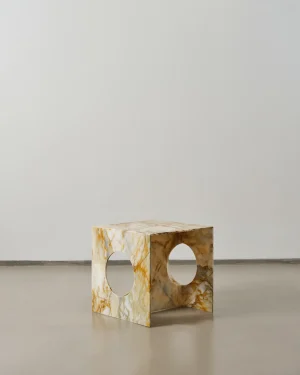
Hera Side Table in Sky Blue Marble
By Studio Mohs
€2.703 -
 In stock
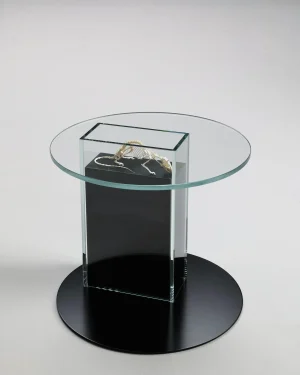
The Rat Side Table in Painted Steel and Ultraclear Glass
By Leo De Carlo
€4.000 -
 In stock
Joe’s Dream Side Table in Ceramic
By Andreas Berlin
€8.000 -
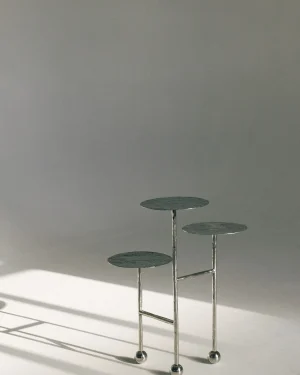
Liquid Side Table in Steel and Brass
By FURN OBJECT
€3.000 -
 In stock
Pisa Side Table in Iron and Marble
By Nama Home
€1.600 This product has multiple variants. The options may be chosen on the product page -
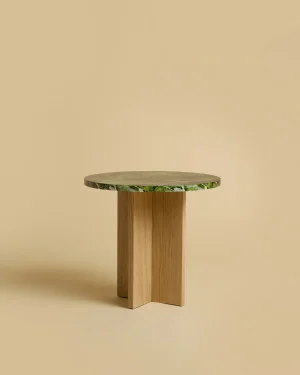
Sherman Side Table in Verde Tifone Marble and Oak
By Lebanto
€2.700 -
 In stock
Oto – Low Stool & Side Table
By Neiw Studio
€1.400 -
 Sold
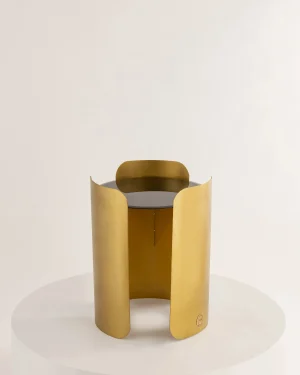
SoldHug Side Table in Iron and Glass
By Nama Home
€2.270 This product has multiple variants. The options may be chosen on the product page -

Sion Side Table in Steel and Ash Wood
By SALAK Studio
€690 This product has multiple variants. The options may be chosen on the product page -
 In stock
Yellow Circular Drape Wowtable Side Table in Epoxy Resin
By Calen Knauf Studio
€273 -
 In stock
Avior Side Table in Carrara Marble and Steel
By DFdesignLab
€500 This product has multiple variants. The options may be chosen on the product page -
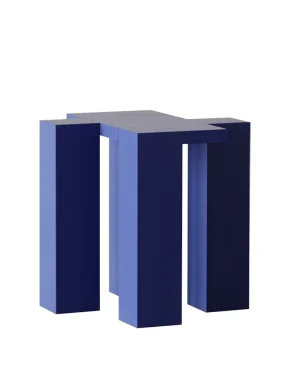
Leg Side Table in MDF
By hermhaus
€681 This product has multiple variants. The options may be chosen on the product page -
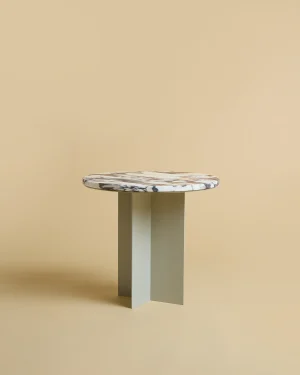
Baker Side Table in Calacatta Violet Marble and Metal
By Lebanto
€1.705 -
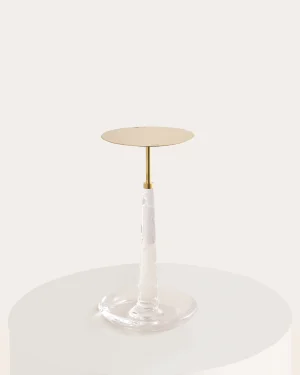
Tap Side Table in Brass and Acrylic
By Nama Home
€2.725 -
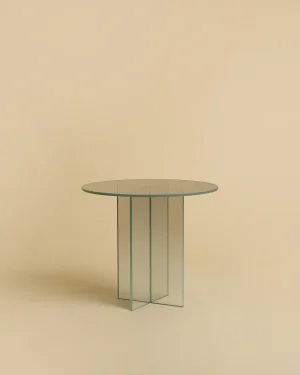
Amami Side Table in Transparent Glass
By Lebanto
€835 -

Ventura Side Table in Oak Wood
By Joyful Objects, Yes!
€2.200 This product has multiple variants. The options may be chosen on the product page -
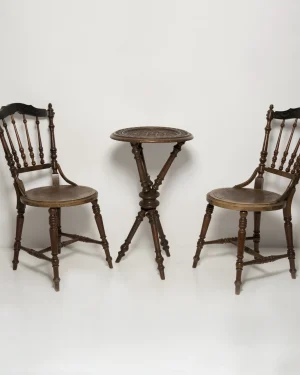 In stock
Midcentury Table & Set Of 2 Chairs
By Vintola Studio
€1.100 -

Shrine Side Table in Black Marble, Oak, Acrylic and Brass
By VAUST Studio
€8.200 -

Luminous Side Table in Ribbed Glass
By Yugen Lab
€1.150 -

Plus Side Table in Cipollino Ondulato Marble and Oak
By Nathan Chintala
€1.806 -
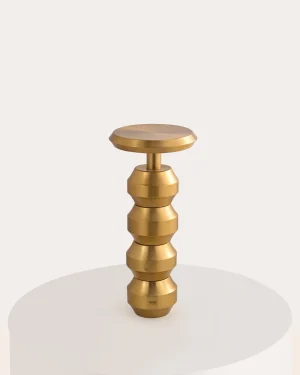
Bail Side Table in Steel
By Nama Home
€1.840 -
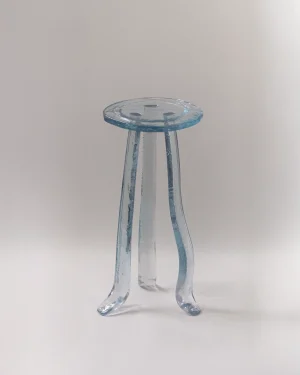
Lung 1.0 Blue Side Table in Resin
By Szymon Keller
€2.000 - €2.400 This product has multiple variants. The options may be chosen on the product page -

Ludovica – Onyx Stool / Side Table / High Vibration Energy Amulet
By Studio Ayres
Price Upon Request This product has multiple variants. The options may be chosen on the product page -

Screwd Side Table in Blown Glass
By Nama Home
€1.820 -
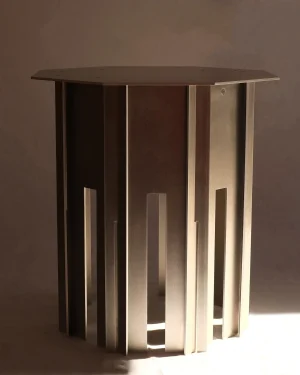
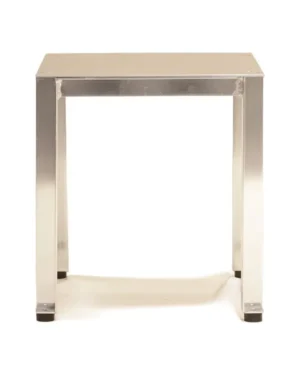
Siniya of Merzouga Side Table in Brushed Aluminum
By BUREAU OF ENTROPY
Price Upon Request
Art deco side tables carry the geometric confidence of the style that swept interiors in the 1920s and 1930s: stepped silhouettes, sunburst motifs, and a taste for materials that take a high shine. Studios working in this idiom turn to lacquered wood, polished marble, brass-toned metal, and cast or blown glass, often pairing two or three of these in a single piece. The result sits closer to a small sculpture than a utility table, built to hold its own beside a sofa or bed.
What defines the art deco look in a side table
The style reads through geometry more than ornament. Stepped or tiered forms, fluted or fan-shaped bases, and sharp symmetrical lines replace the curved, organic shapes common to other styles. Surfaces tend toward contrast: a dark lacquered or stained wood top set on a slim metal base, or a marble slab resting on stacked drums.
Color follows the same logic of contrast rather than blending in. Black, burgundy, and deep brown appear often, set against brass, chrome, or pale stone, so the table reads as an object first and a surface second. Even a small art deco side table tends to anchor a room rather than disappear into it.
Materials, finishes, and ways of making
Wood and cabinetmaking produce the lacquered or veneered surfaces most associated with the style, often finished to a deep, reflective sheen that shows grain only faintly. Stone carving and polishing bring marble and other stone tops, prized for their weight and cool surface but prone to staining from oil, wine, or acidic liquids left standing. Metalwork and welding supply brass-finished steel and aluminum bases, while glass casting and glassblowing contribute transparent or tinted tops and inset panels.
- Open editions, for pieces made to a repeatable standard
- Limited editions, produced in a fixed, smaller run
- Unique pieces, made as one-offs and not repeated
Within the wider range of side tables, these three ways of editioning sit alongside the broader set of materials, colors, and techniques found across art deco furniture generally, from case pieces to seating.
How to choose an art deco side table
Start with height relative to what it will sit beside: a table beside a sofa arm usually sits close to arm height, while a bedside table is set closer to mattress height so a lamp or glass stays within easy reach. Scale matters as much as height. A tall, narrow piece suits a tight corner or a single armchair, while a wider, lower table can anchor a seating group.
Finish decides how much visual weight the table carries. A high-gloss lacquer or polished marble top draws the eye and works best as a single strong note in a room, while a matte metal base reads quieter and pairs more easily with existing pieces. If the room already holds pattern or strong color, a plainer art deco side table in dark wood or black-finished metal will sit more comfortably than one in another high-shine material.
Where these tables work
Living rooms are the most common setting, where a side table frames a sofa or armchair and gives a lamp or a stack of books somewhere to sit. Bedrooms call for a lower, often rounder profile, something that clears the edge of a mattress without crowding a walk path. Entryways suit a narrow, tall table that holds keys or a small bowl without taking up floor space; for that setting it is worth comparing against pieces built specifically for entry use, such as entryway side tables.
Caring for lacquer, marble, and metal surfaces
Lacquered wood resists everyday wear but marks under direct heat or standing moisture, so coasters and trivets protect the finish over time. Marble and other stone tops should be wiped promptly after spills, since wine, coffee, and oils can etch or stain the surface permanently. Brass-toned and chrome metal bases need only a soft, dry cloth; abrasive cleaners dull the finish and should be avoided. For pieces that lean more on metal than stone or wood, the range of metal side tables gives a sense of how these finishes age across different bases.
How do I choose an art deco side table?
Look for geometric forms, stepped profiles, and material contrast, such as marble paired with metal or polished wood with steel trim. Match its scale to the seating or bed it will stand beside.
What materials are art deco side tables made from?
Common choices include marble, wood, steel, and aluminum, often combined for contrast. Marble brings weight and veining, wood brings warmth, and metal adds sharp, reflective edges.
How do I care for the materials in these tables?
Wipe marble and stone promptly to avoid staining, and avoid acidic cleaners. Dust wood and polished metal with a soft, dry cloth, and keep both from direct, prolonged sunlight.
What height and size should a side table be?
Most side tables sit close to arm height, roughly level with or slightly below the seat or mattress beside them. Measure the adjacent furniture before choosing a table.
Which rooms suit an art deco side table?
Living rooms and bedrooms both work well, where the table can anchor a seating group or hold a lamp and bedside essentials. Entryways suit smaller, sculptural forms.
What about shipping, returns, and authenticity through ADORNO?
Shipping is insured and worldwide. Returns are accepted within 14 days, excluding made-to-order pieces, and each table ships with a certificate of authenticity.