









-

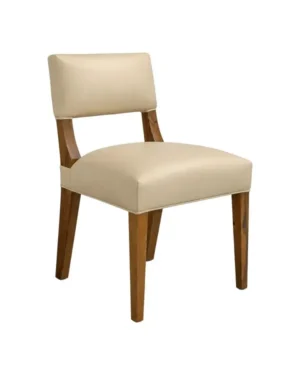
Dessert – Steel Chair
By SALAK Studio
€790 -
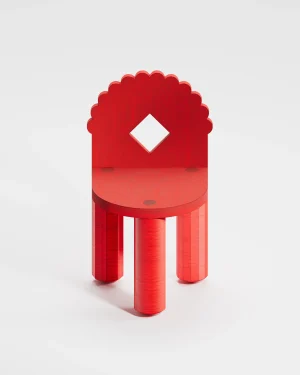
Bold Shkam Chair – Red
By SHAPE & SHADE
€333 -
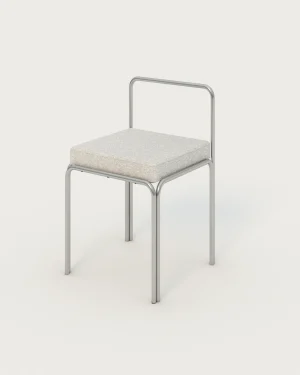
Sali – Upholstered Chair
By SALAK Studio
€620 This product has multiple variants. The options may be chosen on the product page -
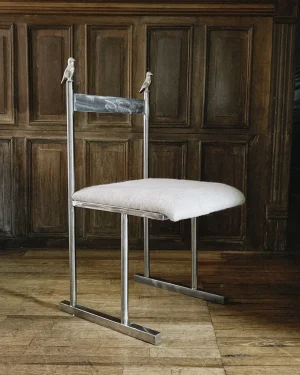
School Chair – Upcycled Materials
By Around the Studio
€1.500 -

Red Chair 1901
By espina corona
€890 -
 In stock
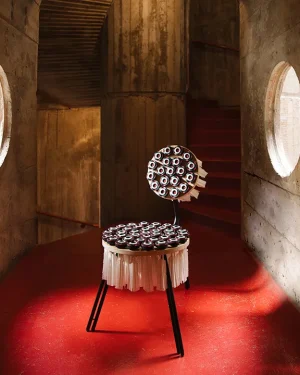
56 Petecas Chair
By Cultivado em Casa
€3.590 -

1907 Wood And Felted Wool Lounge Chair
By espina corona
€1.050 -
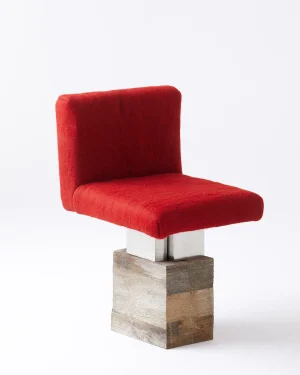
Tbilisi Street Chair – Upcycled Materials
By Around the Studio
€1.500 -

Random Chair – Upcycled Materials
By Around the Studio
€1.400 -
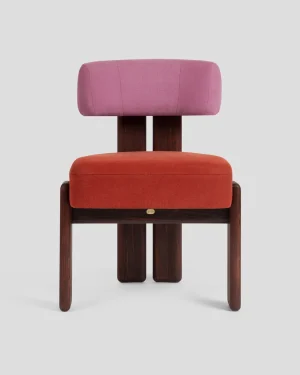
Anni Cocoa De La Paz Dining Chair
By Comité de Proyectos
Price Upon Request
Red dining chairs bring a single strong color into a room built around wood, steel, or molded shell forms. Studios reach this shade through dyed textiles, powder-coated steel, lacquered wood, or pigmented recycled material, so the same color can read as matte or glossy depending on the finish. What they share is a readiness to stand apart from a neutral table rather than disappear into it.
What gives these chairs their color
Red on a dining chair rarely comes from paint alone. Upholstered seats take the color through felt or woven textile, dyed before or after construction, while wooden frames carry it as a stained or lacquered surface that still shows the grain underneath. Steel and aluminum frames are usually powder-coated, a process that bonds pigment to metal and resists chipping better than wet paint. Each route changes how the red behaves in light: felt absorbs it and reads matte, lacquer reflects it and reads sharp, terracotta holds a warmer, earthier version of the same hue.
Materials and ways of making found here
Wood remains the most common base, oak in particular, worked through cabinetmaking and jointing techniques that have changed little in centuries. Alongside it sit chairs built from steel and stainless steel through metalwork, welded or bent into frames that carry weight on slender lines. Some studios work in recycled material or biofabricated surfaces, part of a broader move toward sustainable practice in furniture, while others apply felting, textilework, or upholstery to build a soft red seat over a hidden frame. A smaller number use 3D printing or digital fabrication, methods that let a single red shell take on a form a lathe or press could not.
- Open editions, for studios producing a design on an ongoing basis
- Limited editions, produced in a fixed run and not repeated once sold
- Unique pieces, each one a one-off rather than part of any run
Style follows a similar spread: Bauhaus-influenced frames with primary color and geometric restraint, Art Deco curves, brutalist forms left deliberately unrefined, and eclectic or contemporary pieces that borrow from several of these at once. Minimalist chairs tend to let the red carry the whole statement, with no further ornament competing for attention.
Choosing a chair that fits your table
Start with seat height relative to your table: a gap of around twenty-five to thirty centimeters between seat and tabletop lets diners sit comfortably without the chair lodging under the apron. Measure arm width against the table edge if the chairs are the kind with arms, since arms that are too wide can prevent chairs from sliding fully under. Where a table already carries pattern or a strong material of its own, such as marble or dark walnut, a single red chair or a matched set can act as the room's one accent rather than add a second competing surface.
Finish matters as much as form. A matte felt or wool seat softens a room with hard flooring and bare walls, where a lacquered wood or powder-coated steel chair throws back light and reads as a sharper, more graphic mark. If you already own red furniture or red lighting elsewhere in the room, choosing a chair in a slightly different value, wine rather than true red, keeps the palette from flattening into one note.
Where red dining chairs work best
Because red is a color that asserts itself, red dining chairs tend to work best where they have room to be seen rather than competing with a crowded wall of color. A pared-back dining room, or a kitchen with plain cabinetry, gives the chair space to register as the room's focal point. In open-plan living areas, a set placed around a dining table can mark the dining zone clearly against the living room furniture nearby, without need for a wall or partition.
Upholstered red seats benefit from the same care as any fabric: vacuum regularly, blot spills rather than rub them, and keep direct sun off the textile to slow fading. Lacquered or powder-coated frames need only a soft, dry cloth, since solvents can dull the sheen over time. For the full range of tones and finishes, see every <a href=
How do I choose a red dining chair?
Look at the base material first, wood, metal or molded shell carries the color differently, then consider how saturated a red works against your table and floor tones.
What is the red color made from, and how do I care for it?
Red comes from painted or lacquered wood and metal, dyed textile upholstery, or pigmented molded materials. Wipe hard finishes with a damp cloth and keep upholstery out of direct sun to limit fading.
What size and seat height should a dining chair be?
Most dining chairs sit between 17 and 19 inches at the seat, which pairs with standard table heights of 28 to 30 inches, leaving room for knees and movement.
Which rooms suit a red dining chair?
Red dining chairs anchor dining rooms and open kitchen areas, and work well wherever a table needs a point of color against neutral walls or wood tones.
Can I order a red dining chair custom made?
Some studios work to order in red and others only in fixed finishes. Chat with the maker on the piece's page to confirm options.
How does shipping, returns and authenticity work on ADORNO?
Shipping is insured and worldwide. Returns are accepted within 14 days, except for made-to-order pieces, and every piece arrives with a certificate of authenticity alongside a lowest-price guarantee.