




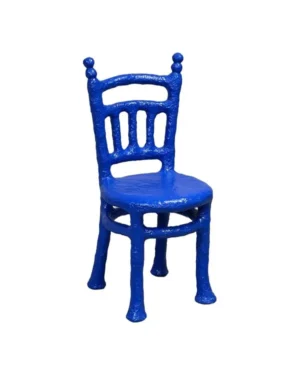





-
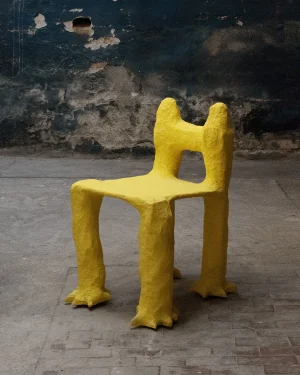 In stock
Zampa
By Jonathan Bocca
€2.700 -
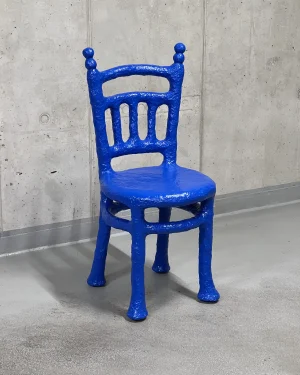
Blue Papier-mâché Chess Chair
By David Čáp
€1.000 -
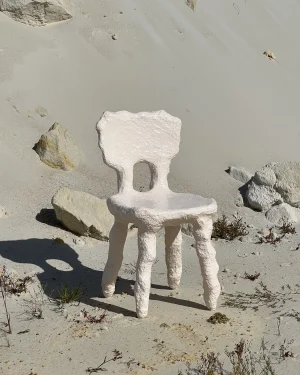
Crispy Chicken Light Orange Papier-mâché Chair
By David Čáp
€1.000 -
 In stock
Pink Papier-mâché Chair
By David Čáp
€1.000 -
 In stock
Charcoal-drawn Papier-mâché Chair
By David Čáp
€1.000 -
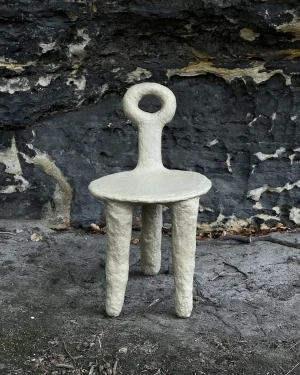
Sandstone Chair
By David Čáp
€1.000 -
 In stock
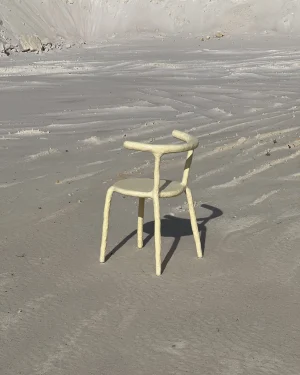
Light Yellow Papier-mâché Chair
By David Čáp
€1.000 -
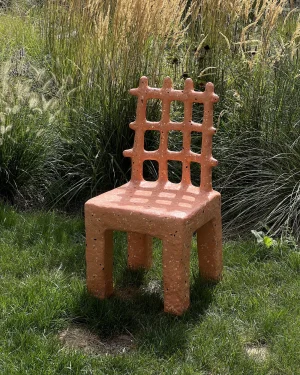
“terazzo” Brick Chair
By David Čáp
€1.500 -
 In stock
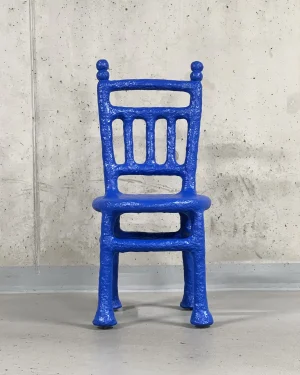
Chess Chair 2 Blue
By David Čáp
€1.000 -
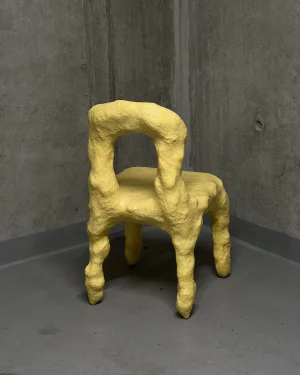
Textured Yellow Papier-mâché Chair
By David Čáp
€1.000 -
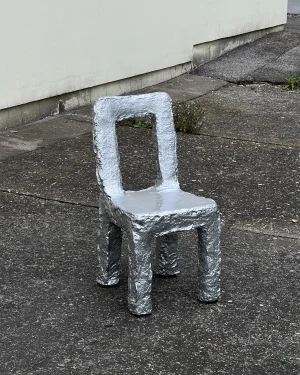 In stock
Silver Dough Chair
By David Čáp
€1.000 -
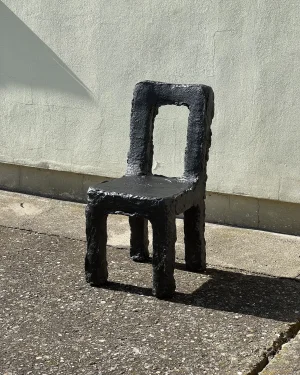
Black Dough Chair
By David Čáp
€1.000 -
 Sold
SoldBlack Grill Papier-mâché Chair
By David Čáp
€1.000 -
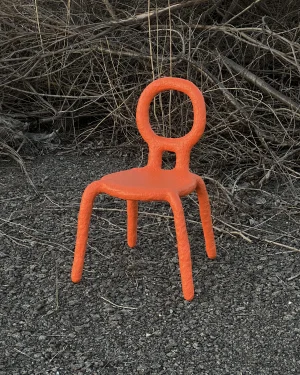 Sold
SoldFrog Chair – Orange Matte
By David Čáp
€1.000 -
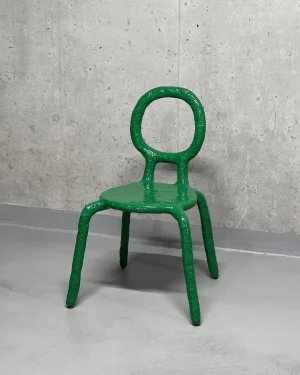 Sold
SoldFrog Chair Green Gloss
By David Čáp
€1.000 -
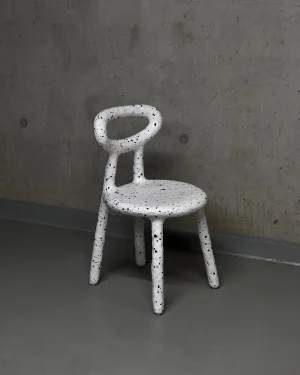 Sold
SoldStracciatella Papier-mâché Chair
By David Čáp
€1.000
Paper pulp dining chairs are built from fiber, water and a binder rather than from solid wood or sheet metal, pressed or hand-built into a shell that is light to lift yet firm enough to carry weight at a table. Studios working in this material pulp down reclaimed paper, cardboard or offcuts, bind the mixture, and shape it over a mold or by hand before letting it dry into a rigid form. The surface keeps a faint fiber texture even once painted, which sets it apart from plastic or lacquered wood seating.
What defines paper pulp as a dining chair material
Pulp is cellulose fiber rebuilt from scratch, so its character comes from the recipe and the mold rather than from a tree's grain or a mined stone's vein. A shell can be thin at the seat and thicker at the legs or frame junctions, since the maker controls density by hand rather than by cutting from a fixed board. This gives paper pulp dining chairs a sculpted, slightly irregular surface that no two casting cycles repeat exactly.
How these pieces are made
Papier-mâché and related hand-building methods remain the common route: layers of pulp are pressed into or over a form, left to cure, then trimmed and finished. Some studios pair a pulp shell with a steel or wood frame for added support at the joints, borrowing techniques from metalwork or cabinetmaking to reinforce a seat that would otherwise flex under daily use. Others work the pulp alone, relying on wall thickness and curvature for strength, closer to hand-building in clay than to standard upholstery work.
Because each shell is formed and dried rather than machined, output runs tend to stay small. Pieces in this material are more often sold as open editions produced in limited batches or as unique, one-off casts than as a standardized run, so color and surface can vary slightly piece to piece even within the same edition.
Finishes, color and style range
Paper pulp dining chairs appear in a wide color range, from black and white through cobalt blue, butter yellow and orange, since pigment can be mixed into the pulp itself or painted on afterward. Stylistically the material moves easily between registers: sustainable and minimalist studios leave the fiber raw or matte, while others push into space age curves, radical silhouettes or maximalist color blocking. This flexibility makes the material a natural fit for dining chairs shown alongside steel, wood or sand-finished pieces in a single room, where contrast in texture matters more than matching materials. For a broader view of what pulp can do beyond seating, the full range of paper pulp furniture on ADORNO spans tables, storage and lighting worked in the same technique.
Choosing and placing a paper pulp dining chair
Scale and seat height matter more with pulp than with a frame-and-upholstery chair, since the shell itself sets the sitting posture; check that the seat height suits a standard dining table before adding a cushion. A thicker-walled shell will read heavier and sit more firmly under regular use, while a thin, sculptural cast suits lighter, occasional seating or a side chair rather than daily family meals. Matte or raw finishes show fingerprints and scuffs less than glossy paint, which is worth weighing against the color intensity a painted surface offers.
- Pair pulp dining chairs with a wood or steel table to balance the fiber's softness against a harder surface.
- Group a set in one color for a dining room, or mix finishes for an eclectic table setting.
- Keep pulp seating away from direct exposure to rain or standing water, since the material can soften if it stays wet.
Paper pulp dining chairs suit dining rooms and open kitchen-dining areas where they are seen as much as used, and they hold up well as occasional seating in a living room setting too. Wipe surfaces with a dry or barely damp cloth, avoid soaking, and keep pieces out of direct sun if the color is painted rather than mixed into the pulp, since prolonged exposure can fade pigment unevenly. For the wider set of dining chairs on ADORNO, including other materials and finishes, see all dining chairs, or look at paper pulp chairs and paper pulp seating for related forms, and the full paper pulp material page for every piece worked in this fiber.
How do I choose a paper pulp dining chair?
Look at the finish and weight first: dense, sealed pulp suits daily use, while lighter, raw-finished pieces work better as accent seating. Chat with the maker on the piece's page to confirm structural details.
Is paper pulp durable enough for everyday dining use?
Pressed and dried under heat, paper pulp becomes rigid and surprisingly strong, though it stays lighter than wood or steel. Sealed finishes resist scuffs, but the material still prefers dry, stable conditions.
How do you clean and care for paper pulp furniture?
Wipe with a dry or barely damp cloth and keep the piece away from standing water, which softens the fibers over time. Avoid prolonged direct sun, which can dry and fade the surface.
What size and seat height do these chairs come in?
Most follow standard dining proportions, with seat heights around 18 inches to pair with a standard table. Chat with the maker on the piece's page for exact measurements.
Which rooms and settings suit paper pulp dining chairs?
Their light, sculptural forms work well in dining rooms, breakfast nooks and dry indoor settings away from heavy moisture or direct weather exposure.
How does shipping, returns and authenticity work when buying from ADORNO?
Shipping is insured and worldwide. Returns are accepted within 14 days, excluding made-to-order pieces, and every purchase includes a certificate of authenticity along with a lowest-price guarantee.