









-
 In stock
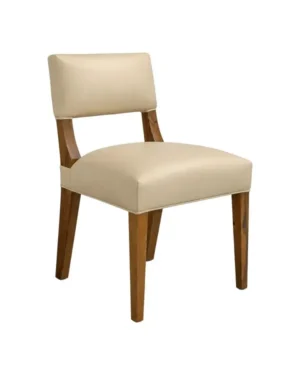
Zampa
By Jonathan Bocca
€2.700 -
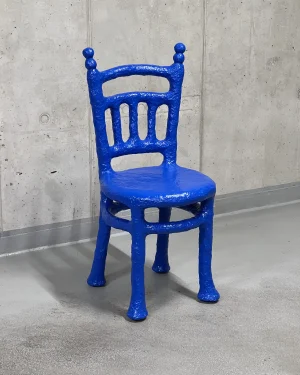
Blue Papier-mâché Chess Chair
By David Čáp
€1.000 -
Crispy Chicken Light Orange Papier-mâché Chair
By David Čáp
€1.000 -
 In stock
Pink Papier-mâché Chair
By David Čáp
€1.000 -
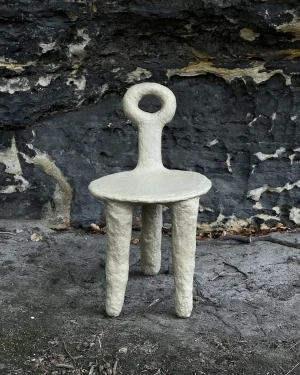
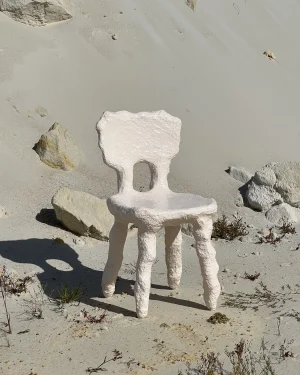
Sandstone Chair
By David Čáp
€1.000 -
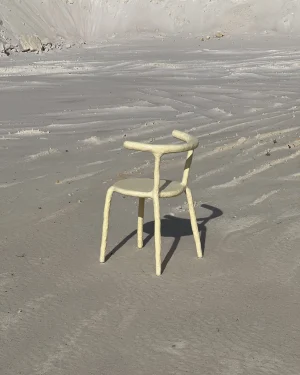 In stock
Light Yellow Papier-mâché Chair
By David Čáp
€1.000 -
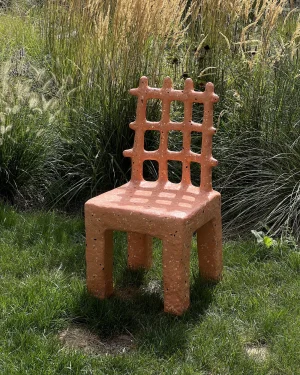
“terazzo” Brick Chair
By David Čáp
€1.500 -
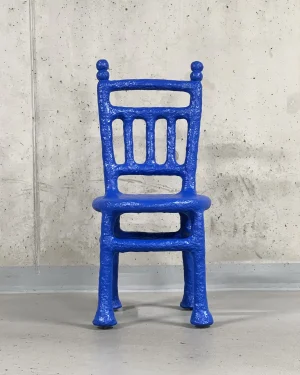 In stock
Chess Chair 2 Blue
By David Čáp
€1.000 -
 In stock
Charcoal-drawn Papier-mâché Chair
By David Čáp
€1.000 -
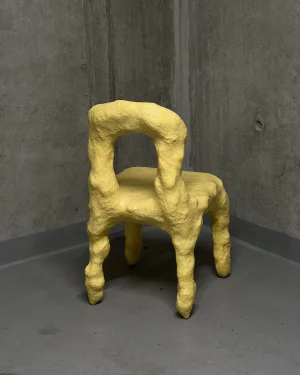
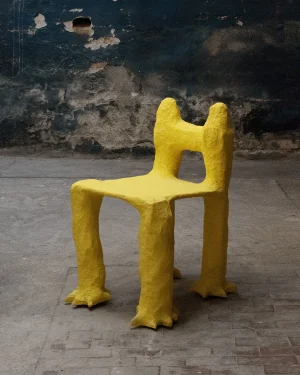
Textured Yellow Papier-mâché Chair
By David Čáp
€1.000 -
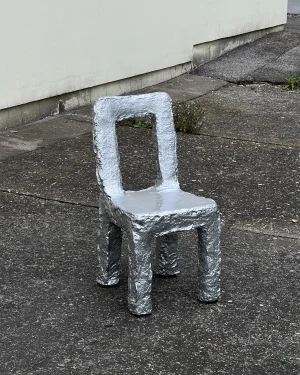 In stock
Silver Dough Chair
By David Čáp
€1.000 -
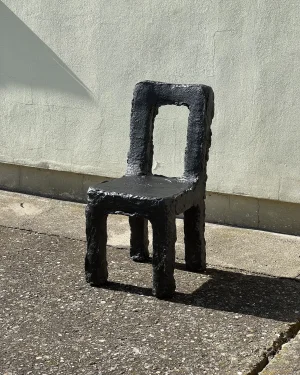
Black Dough Chair
By David Čáp
€1.000 -
 Sold
SoldBlack Grill Papier-mâché Chair
By David Čáp
€1.000 -
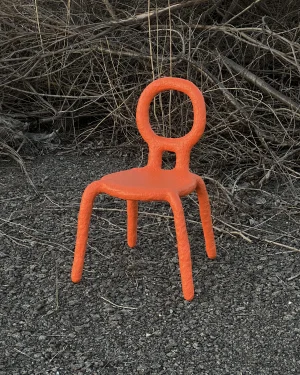 Sold
SoldFrog Chair – Orange Matte
By David Čáp
€1.000 -
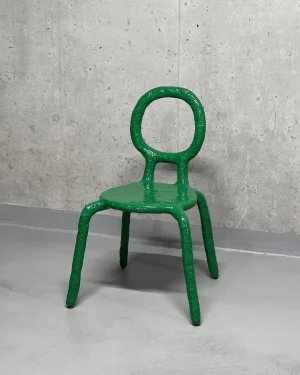 Sold
SoldFrog Chair Green Gloss
By David Čáp
€1.000 -
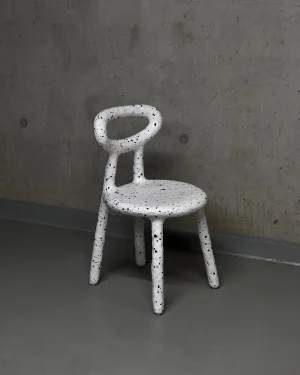 Sold
SoldStracciatella Papier-mâché Chair
By David Čáp
€1.000
Paper dining chairs take a material usually reserved for packaging or print and press it, layer it or mold it into a seat that carries a person's full weight at the table. Studios working in pulp, papier-mâché and hand-built layers treat paper as a structural fiber rather than a surface, building up sheets until they cure into something rigid. The shell that results often sits on a frame of steel or wood, the two materials sharing the load between them.
What defines paper as a seating material
Paper pulp behaves differently from solid wood or cast metal. Mixed with binder and pressed into a mold, it dries into a shell that is light to lift yet stiff enough to hold a sitter, closer in logic to a boat hull than a woven basket. Papier-mâché works the same way at a smaller scale, strips of paper and paste built up by hand over days until the form hardens.
Because the fiber is porous before it is sealed, most studios finish these chairs with paint, lacquer or a wax coat. That layer gives the surface its color and its resistance to daily handling, and it is the layer that determines how the chair ages. Left unsealed, paper darkens and softens with humidity; sealed well, it holds its shape and color for years.
The range of materials, colors and editions found here
Paper dining chairs on ADORNO rarely stand alone as pure pulp. Many pair paper with steel legs, wood frames or a sand and sandstone filler for added weight and stability, and some studios work recycled material into the pulp itself as part of a sustainable approach to the craft. Techniques range from papier-mâché and hand-building to metalwork and welding for the base, with painting and drawing used to finish the surface by hand.
- Colors run from black and white through butter yellow, light yellow and orange to blue and cobalt blue.
- Styles span minimalist and contemporary forms through to radical, space age and maximalist shapes, often eclectic in how they combine paper with other materials.
- Editions include open runs alongside unique, one-off pieces where each chair is built and finished by hand.
For a wider view of what paper can do beyond the dining table, the full range of paper pieces on ADORNO covers lighting, decor and small objects built with the same pulp and papier-mâché methods.
How to choose a paper dining chair
Start with scale. A paper shell can look sculptural from across a room, so check how it reads next to the table itself, particularly if the table is already a strong shape in wood or stone. Seat height should match standard dining proportions even when the silhouette is unusual, so the chair tucks under the table at a comfortable line.
Finish matters as much as form. A matte painted surface will show fingerprints less than a glossy lacquer, and a darker color hides the inevitable small marks of daily use better than pale yellow or white. If the base is steel or wood rather than paper throughout, check how that material is finished too, since it will carry most of the structural wear.
Placement follows from there. A single paper chair works as a statement at the head of a table set otherwise in wooden dining chairs, while a full set reads as one gesture and suits a room built around strong color and shape rather than wood tone.
Where these chairs sit well
Paper dining chairs suit rooms where the table is the quiet element and the seating carries the color or the form. They read well against plaster, concrete or pale wood floors, surfaces that let the painted or pulped surface stand forward rather than compete. In open-plan spaces where the dining area borders a sitting room, a paper chair can echo a lamp or a decorative object made in the same material, tying the two zones together without matching them exactly.
Caring for paper seating
Keep paper dining chairs away from direct moisture and standing water, since an unsealed or worn finish will absorb it and soften. Wipe spills immediately with a dry or barely damp cloth rather than letting liquid sit on the surface. Direct sun will fade painted color over time, so rotating a chair out of a strong window line helps it hold its finish. For structural checks, look at the joints where a paper shell meets a steel or wood base, since that junction takes the most repeated stress and is worth confirming is still secure.
Across the full set of dining chairs on ADORNO, paper sits alongside steel in the metal dining chairs and other paper-based work shown under paper furniture, giving a sense of how far the material stretches beyond a single chair.
Are paper dining chairs sturdy enough for daily use?
Paper pulp chairs are built up in layers, often bonded with resin and finished with paint or lacquer, giving a shell that holds its shape and carries normal seating weight. Many rest on a steel or wood frame for added support at the base.
How do you clean and care for a paper dining chair?
Wipe the surface with a dry or barely damp cloth and keep the piece away from standing water, high humidity, or direct sun, which can soften the pulp or fade pigment. Avoid soaking or harsh cleaners on painted or lacquered finishes.
What height and size are paper dining chairs?
Most sit at standard dining height, with the seat around 18 inches from the floor so the chair pairs comfortably with a table of typical dining proportions. Exact dimensions vary by piece, so the maker can confirm specifics through Chat with the maker on the piece's page.
Which rooms suit paper dining chairs best?
They work well in dining rooms and dry, climate-controlled living spaces where they are not exposed to rain, spills, or heavy daily traffic. Pulp and papier-mâché respond to moisture, so kitchens and outdoor settings are best avoided.
Are paper dining chairs sold as limited editions or one-offs?
Some are produced in open editions, while others are hand-built as unique pieces, so no two are exactly alike. The maker can confirm edition details through Chat with the maker on the piece's page.
What are ADORNO's shipping, returns, and authenticity policies?
Shipping is insured and worldwide, with a 14-day return policy excluding made-to-order pieces. Every piece arrives with a certificate of authenticity, backed by a lowest-price guarantee.