 Comet Floor Lamp in Brass and Marble - White
 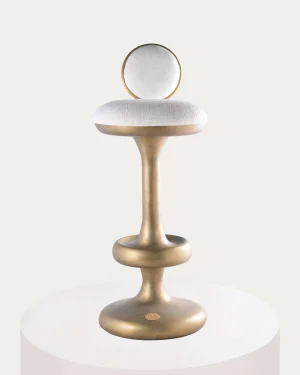 Atom Barstool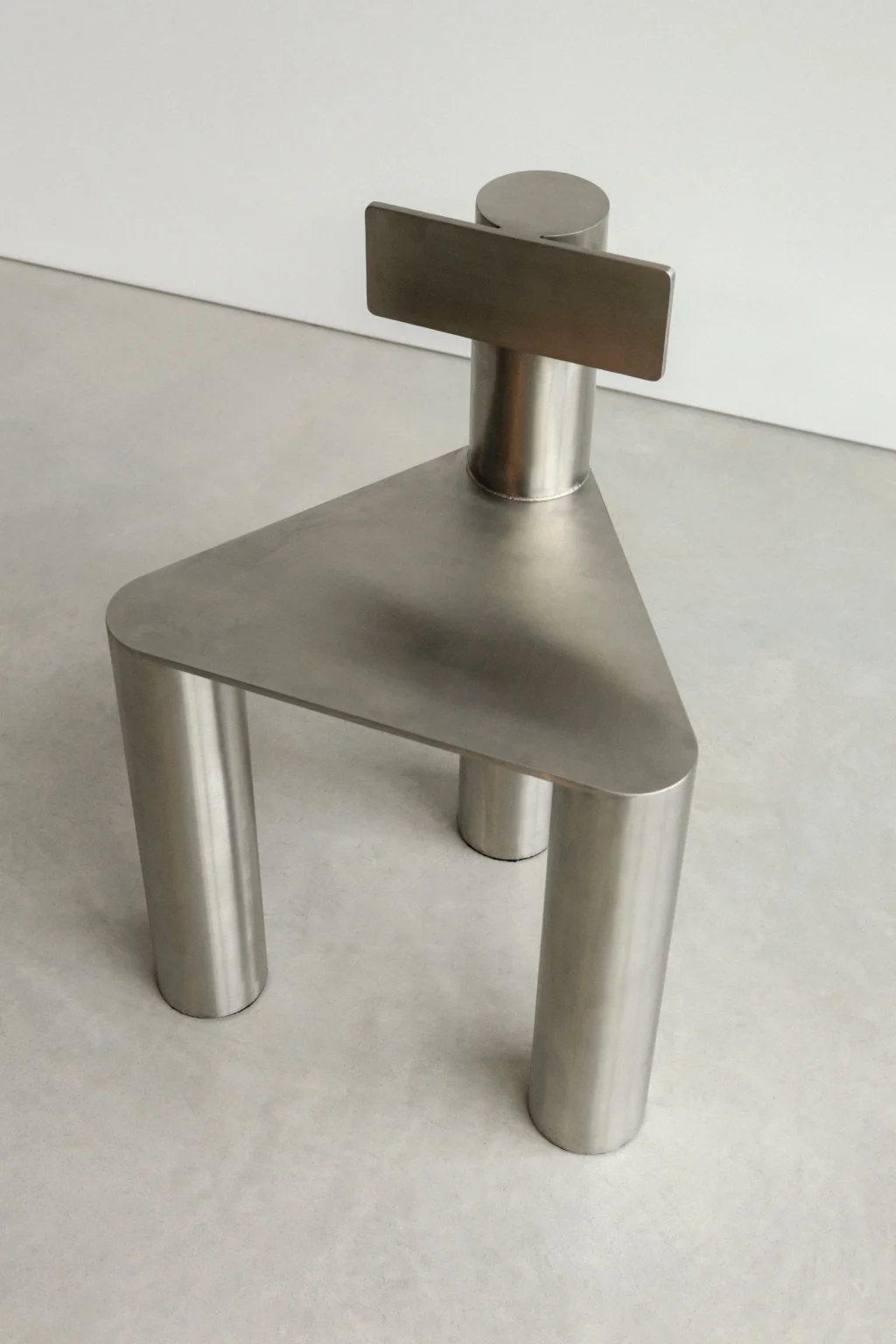








-

Camber – Stainless Steel Chair
By Paul Coenen
€1.121 -
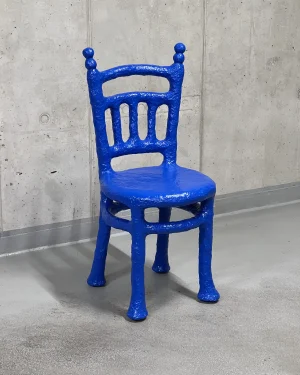
Blue Papier-mâché Chess Chair
By David Čáp
€1.000 -

Chainmail Sculptural Chair, Nickel Plated Steel Finish, Hand Linked Mesh
By Panorammma Atelier
€4.200 -
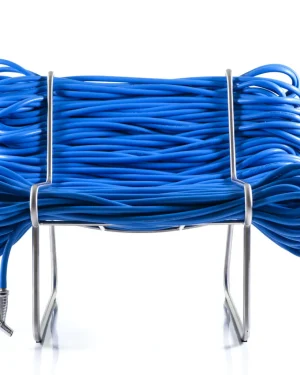
Super Jardim Armchair
By Cultivado em Casa
€4.549 This product has multiple variants. The options may be chosen on the product page -
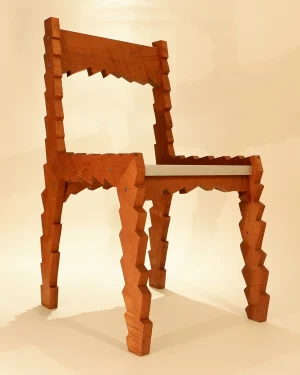
Shocking Chair – Stained Oak Wood Dining Chair
By Josh Page Studio
€940 -
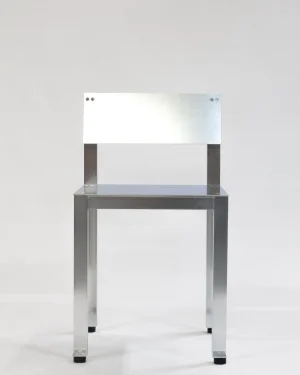
Canto – Aluminum Dining Chair
By Luiz Solano
€840 -
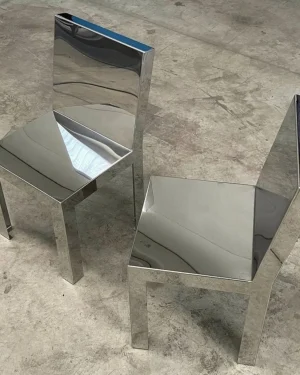
Sedia 1 – Mirror Polished Stainless Steel Chair
By Julia Chiaramonti
€5.500 -
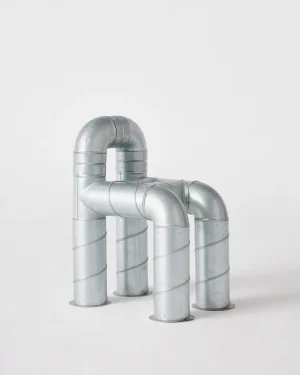
O.F.I.S Series, Steel Chair
By Lucas Muñoz Muñoz
€1.200 -

Kut – Accent Chair
By SABAN FURKAN
€3.400 -

Boom Accent Chair
By ASUL-STUDIO
€2.000 -

Binario II – Accent Chair
By SABAN FURKAN
€3.600 -

Harakiri – Aluminum And Damascus Steel Chair
By ORFEO STUDIO
€4.918 -
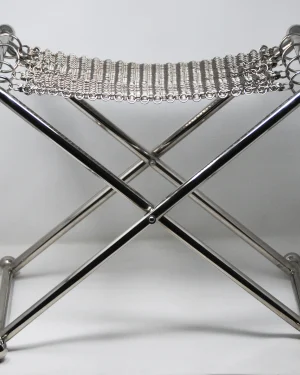
Chainmail Camping Stool
By Panorammma Atelier
€1.990 -
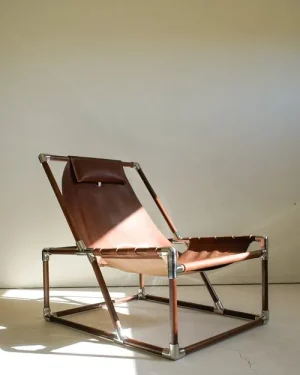
Marina Sling – Lounge Chair
By CHANDLER MCLELLAN
€2.588 -
 In stock
Pneumatic Chair 2
By Szostak Atelier
€5.990 This product has multiple variants. The options may be chosen on the product page -

Sitting Bull – Stainless Steel Accent Chair
By ORFEO STUDIO
€5.800 - €6.200 This product has multiple variants. The options may be chosen on the product page -
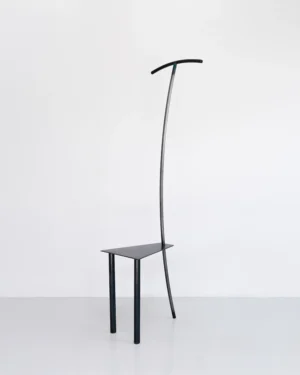
Hang Chair
By seamlessnote
€1.587 -
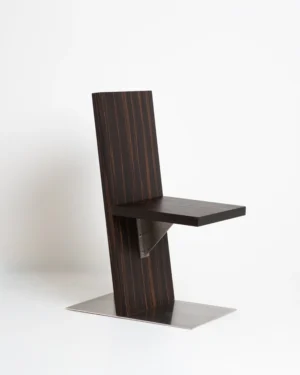
F – Accent Chair
By SABAN FURKAN
€3.600 -
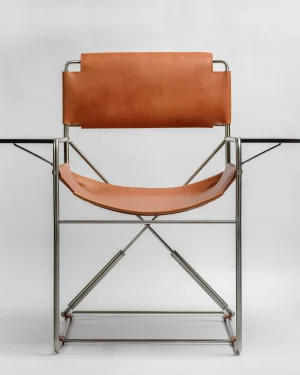
Pneumatic Chair – Unique Piece
By Szostak Atelier
€9.000 -
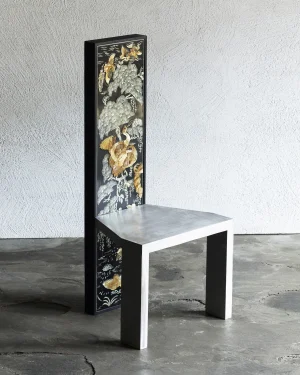
Narrative 001 – Stainless Steel / Wood Chair
By STUDIO KIMBYUNGSUB
€8.000 -

Slide Stool / Chair
By Ziroru Studio
€1.360 -
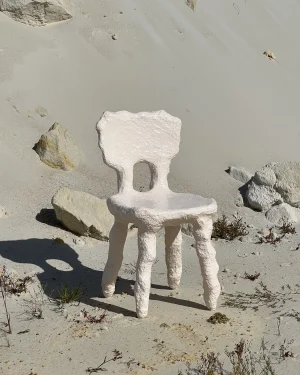
Crispy Chicken Light Orange Papier-mâché Chair
By David Čáp
€1.000 -

Invisible Chair No. 1 – Steel Wall Chair
By lee hyokk
€2.070 -
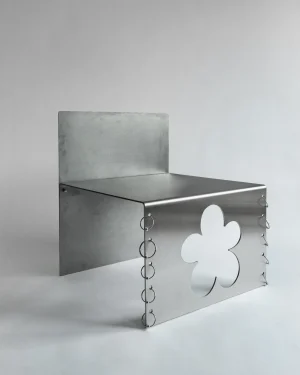
Pierced Cosmic Flower Chair
By LAÔMA ATELIER
€983 -

Pink Papier-mâché Chair
By David Čáp
€1.000 -
 In stock
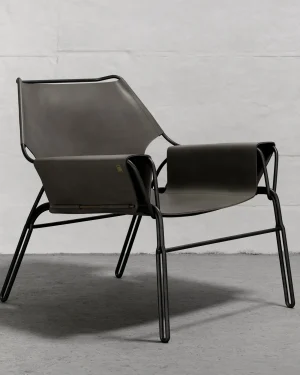
Perfidia_02 – Thick Leather Sling Lounge Chair In Black Steel
By ANDEAN
€4.542 This product has multiple variants. The options may be chosen on the product page -

Fision Oak & Steel Chair
By Toro Manifesto
€2.450 -

Charcoal-drawn Papier-mâché Chair
By David Čáp
€1.000 -
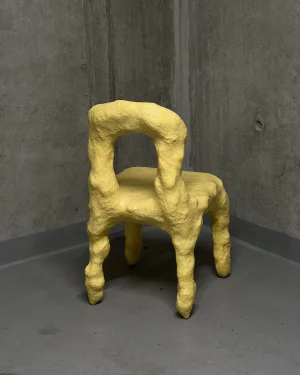
Textured Yellow Papier-mâché Chair
By David Čáp
€1.000 -
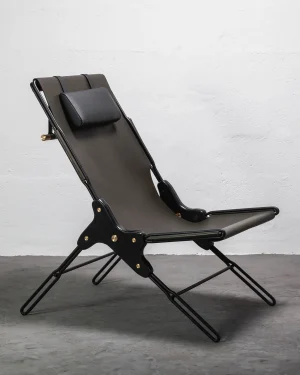 In stock
Perfidia_01 – Thick Leather Sling Lounge Chair In Black Steel
By ANDEAN
€4.133 This product has multiple variants. The options may be chosen on the product page -
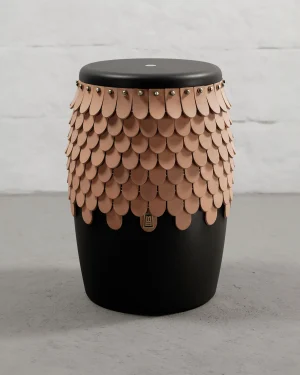 In stock
Sitiera_01 Solid Wood Stool, With Thick Leather Accents, Aged Bronze
By ANDEAN
€2.495 - €3.743 This product has multiple variants. The options may be chosen on the product page -
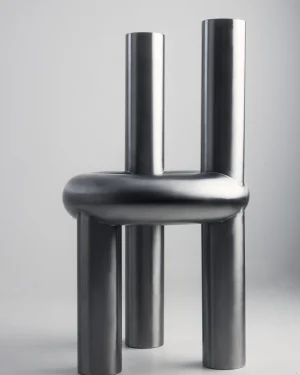
Chunk Chair – Stainless Steel
By Obscure Objects
€6.303 -
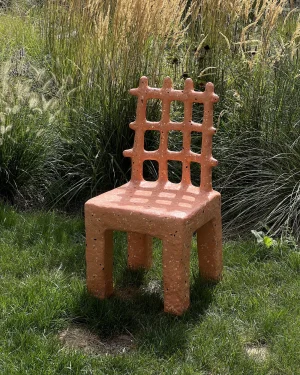
“terazzo” Brick Chair
By David Čáp
€1.500 -
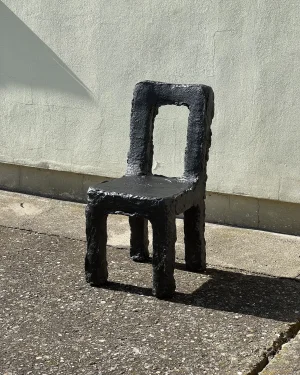
Black Dough Chair
By David Čáp
€1.000 -
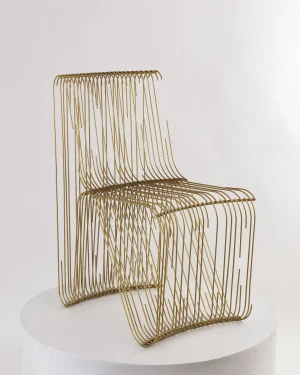
Glitch – Stainless Steel Chair
By Nama Home
€3.630 -
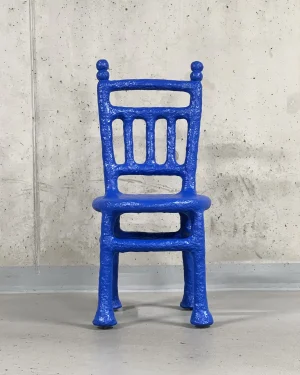
Chess Chair 2 Blue
By David Čáp
€1.000 -
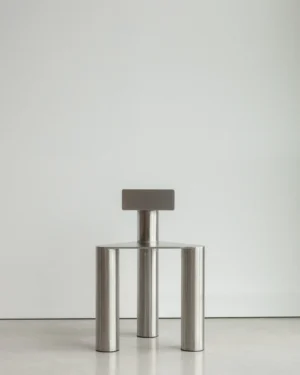
La Chaise — Trépieds Collection
By Olive®
€1.200 -
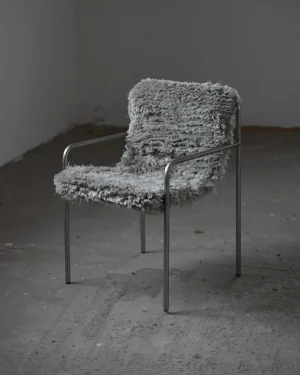
Dessert Shaggy – Steel Chair With Handmade Fabric
By SALAK Studio
€1.500 -
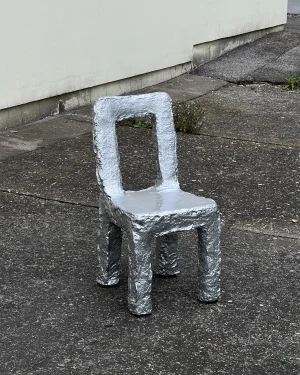
Silver Dough Chair
By David Čáp
€1.000 -

Angulo Burnt Oak Chair
By Toro Manifesto
€1.780 -

“Soft Non-Conformist” chair
By AaltoAalto Studio
€1.300 -
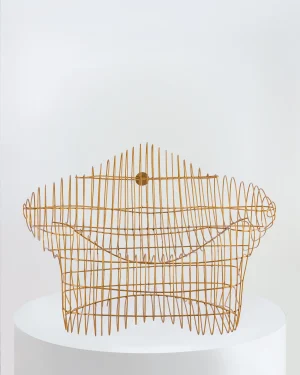
Starfish – Stainless Steel Lounge Chair
By Nama Home
€3.185 -
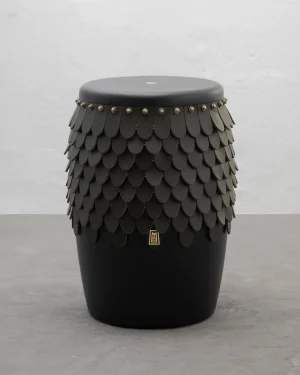
Sitiera_01 Solid Wood Stool, With Olivo Thick Leather Accents, And Aged Bronze
By ANDEAN
€2.495 -

Tronco Chair
By Nitush and Aroosh
€4.750 -
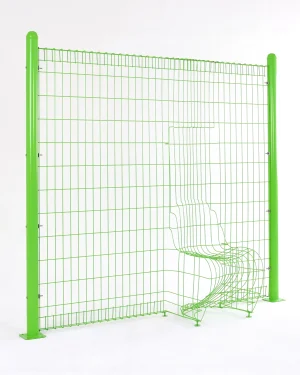
Invisible Panton Chair
By lee hyokk
Price Upon Request -
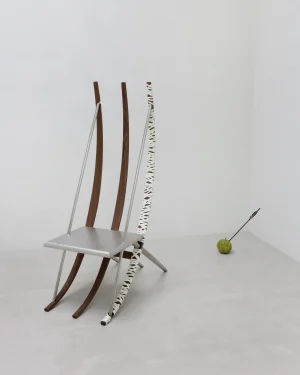
Bow Chair
By Undress House
Price Upon Request -

Rest Chair
By Obscure Objects
€5.800 -
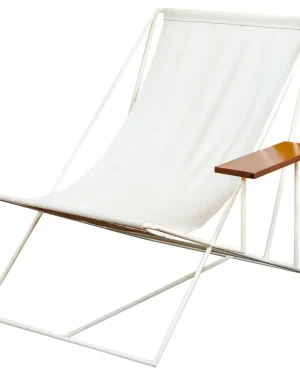
Transat – Lounge Chair
By Fi
€3.500 -

Black Grill Papier-mâché Chair
By David Čáp
€1.000 -
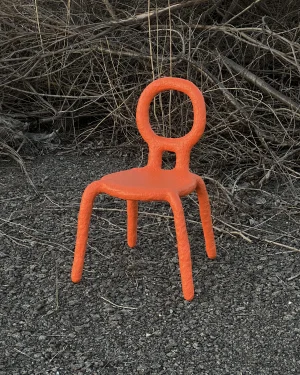
Frog Chair – Orange Matte
By David Čáp
€1.000 -
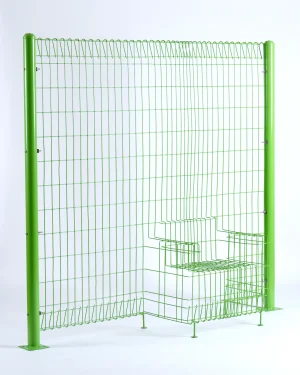
Invisible Chair No. 2 – Steel Wall Armchair
By lee hyokk
€2.470 -
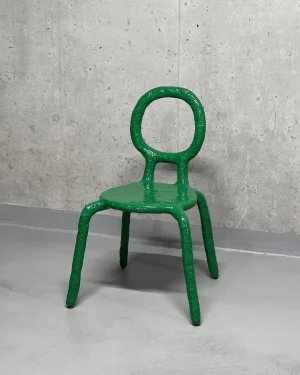
Frog Chair Green Gloss
By David Čáp
€1.000 -
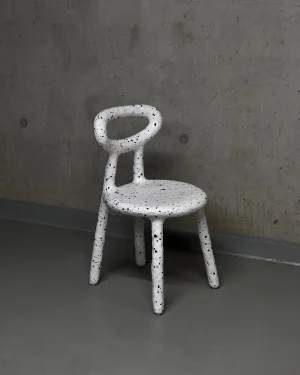
Stracciatella Papier-mâché Chair
By David Čáp
€1.000 -
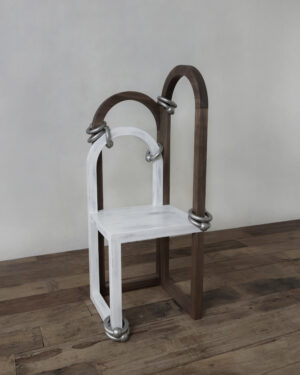
Linked Chair
By Undress House
Price Upon Request
Steel accent chairs bring a cold-rolled, welded or powder-coated frame into the living room, built by studios working in metalwork and welding rather than wood or upholstery alone. The material defines the silhouette: thin sections that would snap in wood hold their shape in steel, so backs curve, legs taper, and frames read as line drawings as much as seats. Some pieces stay bare and bead-blasted, others are painted or powder-coated in solid color, and a few pair a steel structure with a leather or upholstered seat pad.
What steel brings to an accent chair
Steel carries weight without needing bulk. A seat frame can be thin, even perforated, and still hold a sitter, which lets designers push toward cantilevers, box forms and angular brutalist shapes that other materials cannot support on their own. Where wood needs joints and grain direction, steel is welded into one continuous form, so the chair often reads as a single gesture rather than an assembly of parts.
Finish does most of the talking. Raw or blackened steel leans neo-industrial, polished stainless steel turns reflective and almost futuristic, and powder coating opens the door to flat color: cobalt blue, apple green, black, or a quieter beige. Painted steel ages differently from bare metal, since the coating protects the surface and keeps the color stable under normal indoor use.
The range of steel accent chairs on ADORNO
Within this material, the construction methods vary. Some chairs are built from flat steel bar or tube, welded into open, linear frames that stay visually light. Others start as sheet steel, cut and formed into solid planes for a more brutalist or sculptural effect. A number of pieces add upholstery or leather padding over a steel shell, trading some of the material's coolness for comfort without losing the frame's presence.
- Finishes: raw or brushed stainless steel, blackened steel, powder-coated color, painted steel
- Styles: minimalist, neo-industrial, brutalist, futuristic, surrealist and maximalist forms
- Editions: open editions for everyday use, alongside limited editions and unique pieces from studios working in small runs
For a broader view of the material across other kinds of seating, lighting and objects, the full range of steel pieces on ADORNO shows how the same welding and finishing techniques carry into tables, shelving and lamps.
How to choose one
Scale and weight matter more than they do with wood. A steel chair can look slight from a distance and still anchor a room, because the material's density gives it visual gravity even in a thin frame. Check seat height against existing furniture, and look at how the legs meet the floor: splayed steel legs need more floor space to read correctly than a tucked, vertical base.
Finish should answer the room's other metals. A raw or blackened frame sits well against brass hardware and dark wood, while a powder-coated chair in a saturated color works best as a single, deliberate accent rather than one of several. If comfort is a priority, look for pieces that add a leather or upholstered seat pad over the steel shell, since bare metal stays cool and firm underfoot and underseat alike.
Where these chairs work
Steel accent chairs suit rooms that can take a hard edge: a living room corner, a reading spot by a window, or a hallway where one chair stands alone rather than in a set. Paired with oak or other wooden accent chairs, a steel piece reads as the sharper note in the room. In dining settings, lighter welded frames are common among dining room accent chairs, where they stack or tuck away easily.
Anyone set on the material but open on silhouette can also look across metal accent chairs more broadly, including aluminum frames, or step back to the full range of accent chairs to compare materials side by side.
Care
Raw and blackened steel can mark with fingerprints and moisture, so wipe the frame dry after cleaning and keep it away from damp corners or direct exposure to rain if used outdoors. Powder-coated and painted finishes are more forgiving and can be dusted or wiped with a damp cloth, though abrasive cleaners will dull the coating over time. Check welded joints occasionally for tightness, and avoid dragging the chair across hard floors, since steel legs can scratch stone or wood underfoot.
How do I choose a steel accent chair?
Consider the frame's finish and weight alongside the room's existing materials, since steel reads as cool and graphic next to wood or textile pieces. Welded or powder-coated frames suit bold, sculptural spots, while painted steel softens into quieter corners.
How do you care for a steel chair?
Wipe steel frames with a dry or slightly damp cloth, and avoid abrasive cleaners that can wear through powder coating or paint. Keep painted or powder-coated steel away from prolonged damp to prevent rust at seams and joints.
What height is a standard accent chair?
Most accent chairs sit with a seat height between 17 and 19 inches, close to dining chair range, so they pair easily with side tables or desks. Steel frames keep a slim profile, so proportions often read lighter than upholstered alternatives.
Which rooms suit a steel accent chair?
Steel frames hold their shape and structure well in living rooms, entryways and dining areas, anywhere a chair needs to double as sculpture. Painted or powder-coated finishes also resist wear in high-traffic spots better than softer materials.
Does ADORNO ship steel chairs internationally?
Yes, shipping is insured and worldwide. Each piece arrives with a certificate of authenticity.
What is ADORNO's return policy on accent chairs?
Returns are accepted within 14 days, except for made-to-order pieces, which are excluded. For details on a specific chair, chat with the maker on the piece's page.