









-
Contemporary Vanity Chair V2
By Six Dots Design
€920 -
 In stock
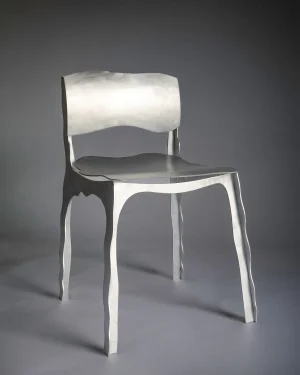
Camber – Stainless Steel Chair
By Paul Coenen
€1.121 -
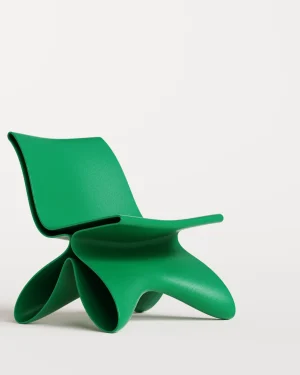
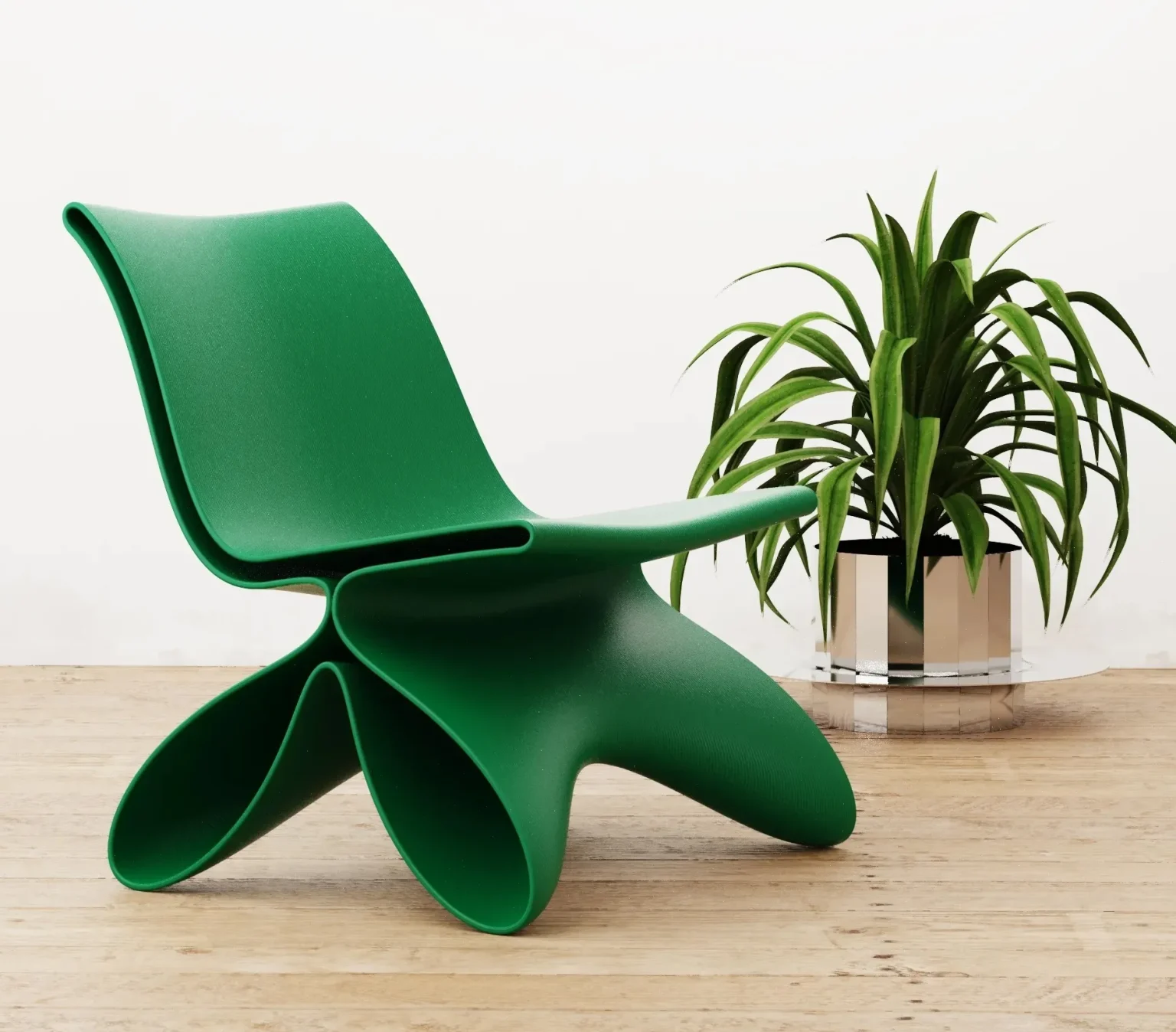
Sprout Lounge Chair
By noknok
€2.075 -
 In stock
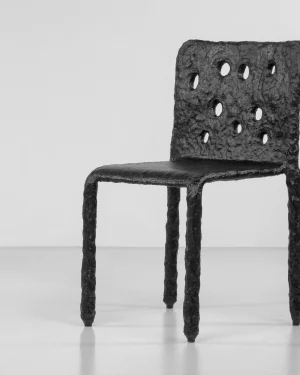
ZTISTA Chair
By FAINA
€1.900 This product has multiple variants. The options may be chosen on the product page -
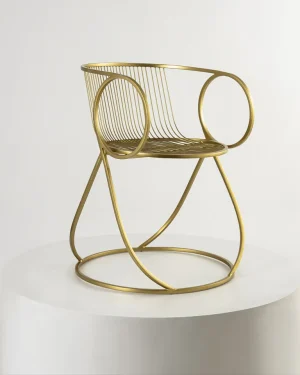 In stock
Ohio – Iron Sculptural Chair
By Nama Home
€1.360 - €1.450 This product has multiple variants. The options may be chosen on the product page -
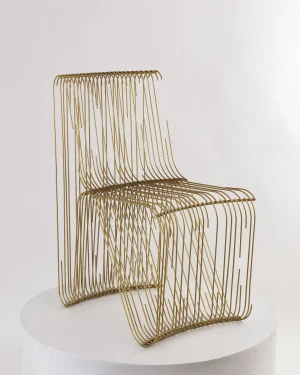
Glitch – Stainless Steel Chair
By Nama Home
€3.630 -
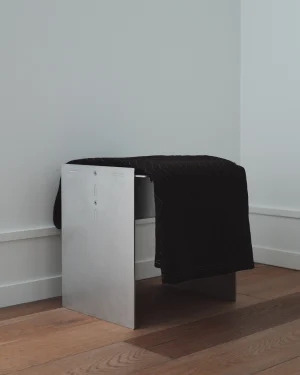
Flat Metals – Seat 01
By Estudio Material
€900 -
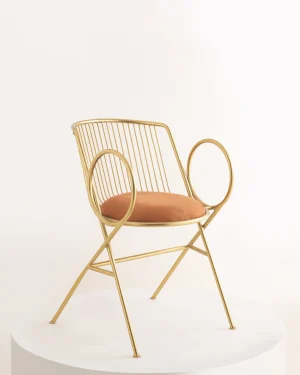 In stock
O2 – Padded Iron Chair
By Nama Home
€1.450 This product has multiple variants. The options may be chosen on the product page -
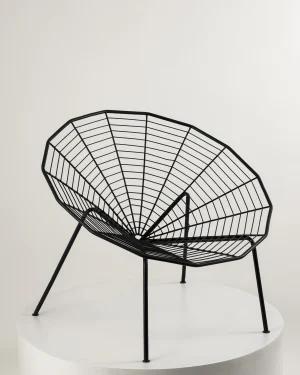
Spidey – Iron Lounge Chair
By Nama Home
€2.725 -
 Sold
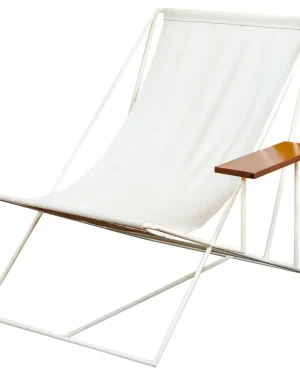
SoldTransat – Lounge Chair
By Fi
€3.500 -
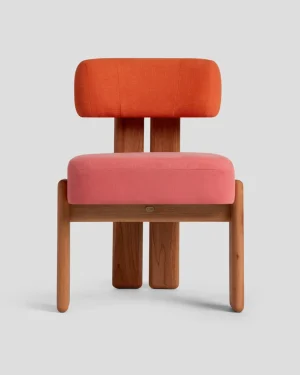
Anni Toronja De La Paz Dining Chair
By Comité de Proyectos
Price Upon Request -
 Sold
SoldFos Chair Flor
By Daniel Orozco Estudio
€2.238
Patio accent chairs gather the pieces built to hold their shape outdoors, worked in metals that shrug off weather, aluminum, iron and stainless steel, alongside mahogany, bamboo and recycled plastic for studios who favor warmth or circularity over cold metal. Welding, metalwork and laser cutting shape the frames, while upholstery in Italian suede or outdoor textiles sits on a few, chosen for backs and seats that still need softness. Studios working this way read climate first, then silhouette, so a chair earns its spot on a terrace before it earns its look.
What defines a patio accent chair
A chair made for the patio answers to sun, rain and temperature swings in ways a living room chair never has to. Metal pieces, especially aluminum, resist rust and carry a light, almost architectural profile, while iron and stainless steel read heavier and more sculptural, suited to a bolder stance in an open garden. Recycled plastic chairs shed water without complaint and hold color, often in beige, off-white or charcoal, without fading as quickly as fabric. Mahogany and bamboo bring grain and warmth back into the mix, aging to a silver-gray patina if left untreated, or holding their tone with an oil finish reapplied each season.
Color, finish and style outdoors
Outdoor palettes lean toward tones that hold up against strong light: off-white, beige, charcoal and black sit easiest against greenery and stone, while gold, orange and pink appear as accents on a single chair rather than across a whole seating group. Style ranges as wide as it does indoors, from minimalist and contemporary frames that disappear into the landscape to art deco curves, brutalist mass or futuristic lines that make the chair the focal point of a terrace. Maximalism and radical design show up here too, usually through color or an unexpected silhouette rather than ornament, since weather punishes anything fussy.
Choosing a chair for scale and placement
Start with the footprint: a patio reads differently from a living room, so a chair that looks right indoors can feel small against open sky and hard surfaces. Seat height and depth matter for comfort over long afternoons, and a chair paired with a low table should sit a little lower than one meant to stand alone. Arrangement matters as much as the chair itself, a pair facing a low table reads as a conversation spot, while a single chair angled toward a view works as a quiet anchor.
- Metal and stainless steel for a light, weather-resistant frame that holds a sharp line
- Mahogany or bamboo for warmth and a finish that ages visibly over the years
- Recycled plastic for color that holds and upkeep that stays simple
- Upholstered seats in Italian suede or outdoor textile where a softer touch is wanted, kept under cover between seasons
Where these chairs work
Beyond the patio itself, these chairs suit covered porches, poolside corners and gardens where the ground is level enough to keep a frame steady. A single piece can furnish a reading spot under an awning, while two or three together turn an unused corner into a gathering point for guests. For anyone furnishing a full terrace rather than one corner, patio furniture and patio tables fill out the rest of the setting, and patio chairs cover dining-height seating where accent chairs are too low.
Care and editions
Metal frames benefit from a rinse after storms and a check for standing water in joints, which is where rust begins. Wood wants an oil or sealant renewed yearly if it is to keep its color rather than silver with age, and upholstered cushions should come indoors or under cover when not in use. Across materials, the range includes open editions produced in ongoing runs, limited editions released in smaller numbers, and unique pieces made once, so the same silhouette rarely returns twice in exactly the same form. For a broader look at outdoor seating, patio seating spans chairs, benches and more, and accent chairs as a category show how the same ideas shift once a chair moves indoors. Anyone furnishing a full outdoor room can also see every patio piece on ADORNO gathered by room rather than by chair type, a useful way to match a new find to what already sits outside.
How do I choose a patio accent chair?
Look for weather-resistant material first, then silhouette. Metal and aluminum frames hold up outdoors with little upkeep, while a sculptural shape anchors a terrace or balcony the way an accent piece does indoors.
What materials hold up best outdoors?
Aluminum and stainless steel resist rust and need only occasional washing. Iron and untreated metal can corrode outdoors unless powder-coated or sealed, so check the finish before placing a chair in open weather.
How do I clean and maintain an outdoor accent chair?
Wipe metal frames with mild soap and water, and dry fully to prevent water spots. Suede or textile upholstery should move indoors or under cover when rain is expected, since moisture weakens fibers over time.
What size is a standard patio accent chair?
Most sit at standard chair height, around 17 to 19 inches from floor to seat, with proportions sized for open-air lounging rather than dining. The maker can confirm exact dimensions on the piece's page.
Can patio accent chairs work indoors too?
Yes. Many weather-rated frames suit sunrooms, covered porches or interior corners equally well, carrying their outdoor durability into daily indoor use without losing their presence as a statement seat.
What is ADORNO's shipping and return policy for patio chairs?
Shipping is insured and worldwide. Returns are accepted within 14 days, except for made-to-order pieces. Every chair includes a certificate of authenticity, backed by a lowest-price guarantee.