 Comet Floor Lamp in Brass and Marble - White
 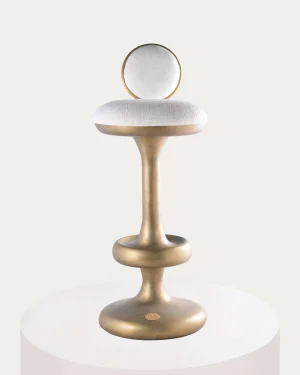 Atom Barstool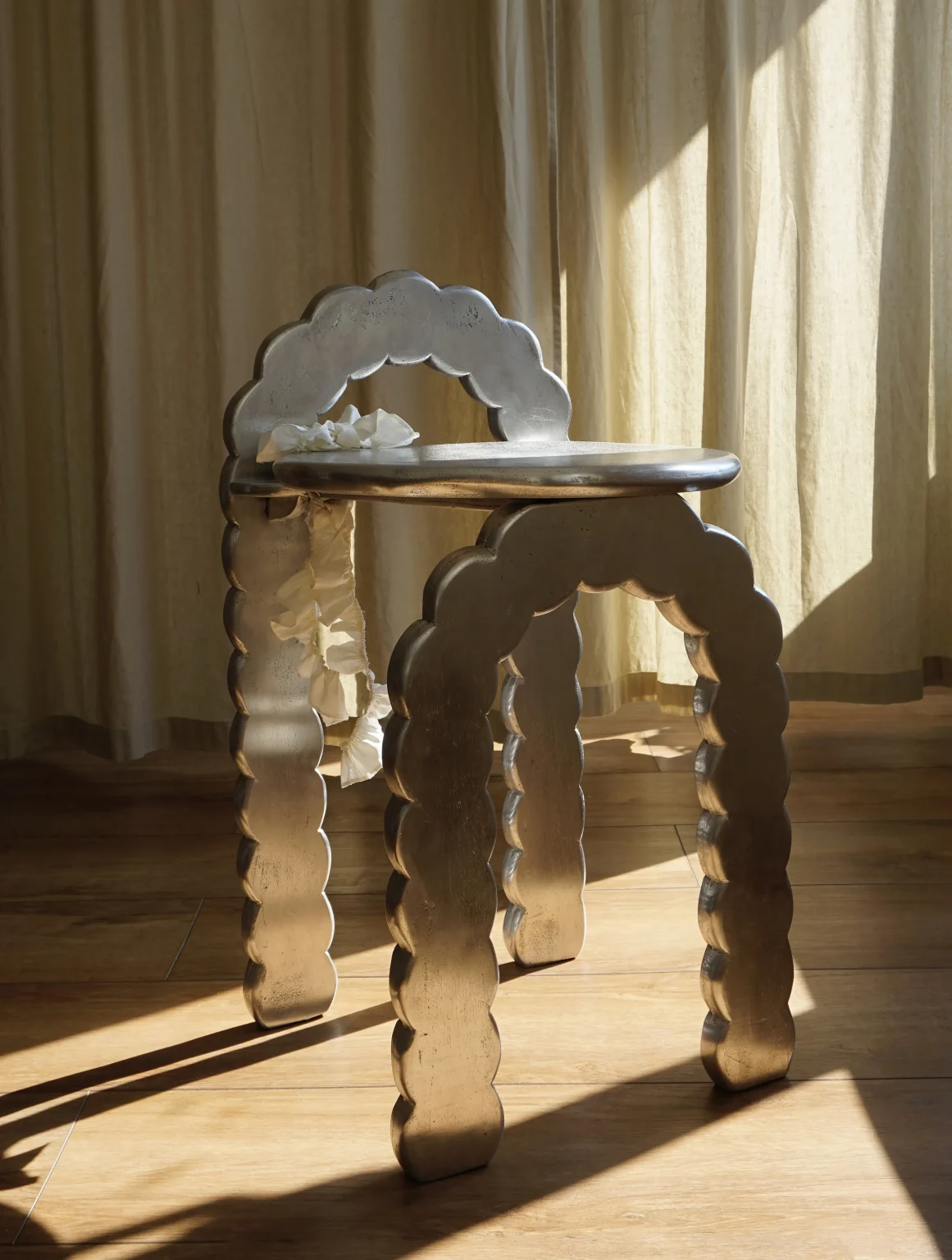








-
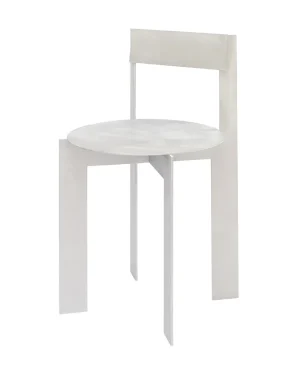
Object111 – Aluminum Chair
By NG DESIGN
€333 -

Kut – Accent Chair
By SABAN FURKAN
€3.400 -

Binario II – Accent Chair
By SABAN FURKAN
€3.600 -
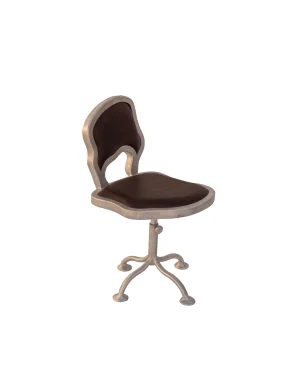
Office Chair
By Six Dots Design
€2.450 -
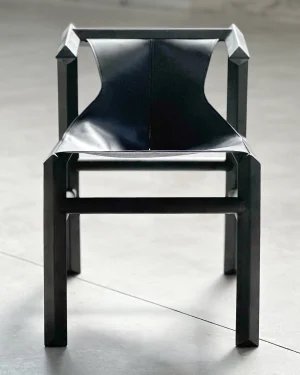
1901 – Black Leather And Wood Dining Chair
By espina corona
€890 -

Harakiri – Aluminum And Damascus Steel Chair
By ORFEO STUDIO
€4.918 -
 In stock
Pneumatic Chair 2
By Szostak Atelier
€5.990 This product has multiple variants. The options may be chosen on the product page -

Sitting Bull – Stainless Steel Accent Chair
By ORFEO STUDIO
€5.800 - €6.200 This product has multiple variants. The options may be chosen on the product page -
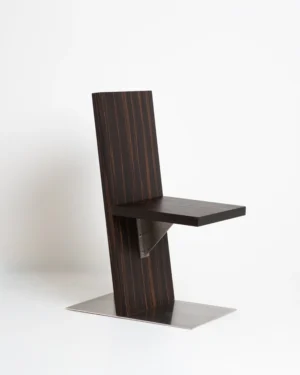
F – Accent Chair
By SABAN FURKAN
€3.600 -

Slide Stool / Chair
By Ziroru Studio
€1.360 -
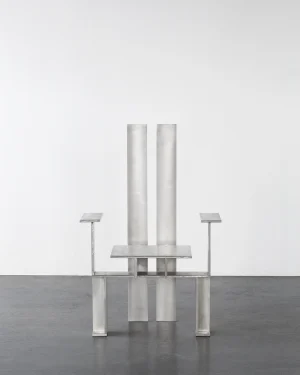
Relatively Comfy Armchair
By Thomas Gayet
€2.900 -

Fision Oak & Steel Chair
By Toro Manifesto
€2.450 -

Rounded Edges Aluminum Chair
By LESORR
€1.273 This product has multiple variants. The options may be chosen on the product page -
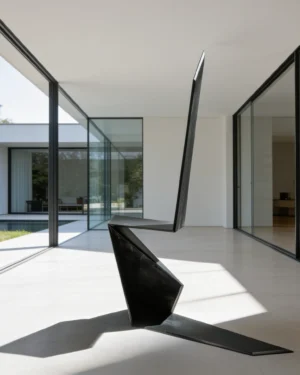
Dark Side – Aluminum Chair
By ORFEO STUDIO
€5.082 -
 In stock
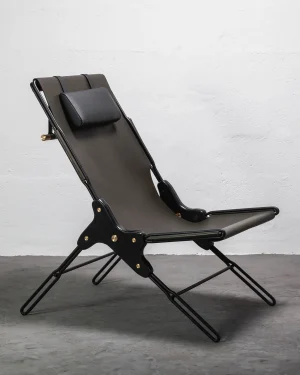
Perfidia_01 – Thick Leather Sling Lounge Chair In Black Steel
By ANDEAN
€4.133 This product has multiple variants. The options may be chosen on the product page -
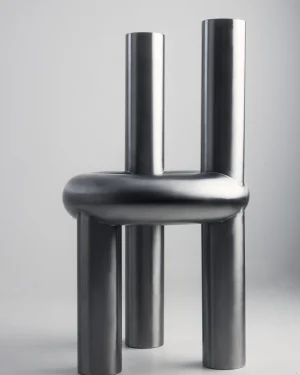
Chunk Chair – Stainless Steel
By Obscure Objects
€6.303 -
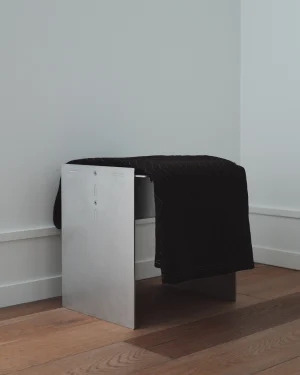
Flat Metals – Seat 01
By Estudio Material
€900 -

“Sand in Motion” Pleat Chair I
By Rive Roshan
€9.000 -
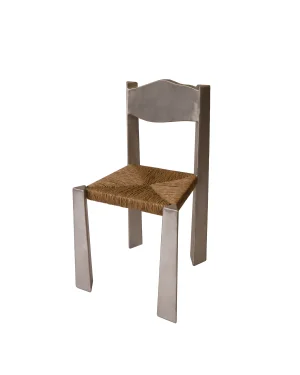
‘woven Chair’ – Aluminum & Paper Cord Chair
By Six Dots Design
€2.375 -
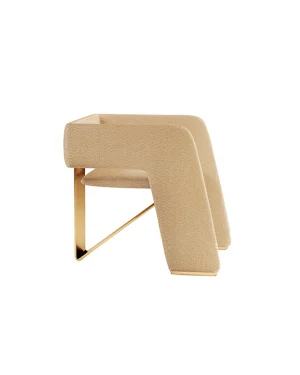
Futura Chair
By Alter Ego Studio
€3.900 This product has multiple variants. The options may be chosen on the product page -

Alux Chair
By Spero Furniture
€530 -
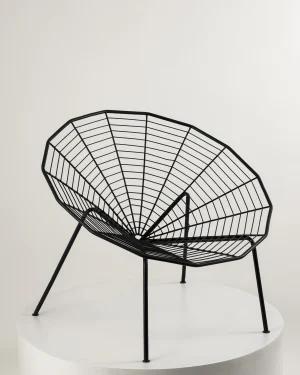
Spidey – Iron Lounge Chair
By Nama Home
€2.725 -

La Linea – Accent Chair
By Mike Wirthensohn
€2.800 -

Rest Chair
By Obscure Objects
€5.800 -

Sulky Sand Chair
By Rollo Studio
€6.100 -
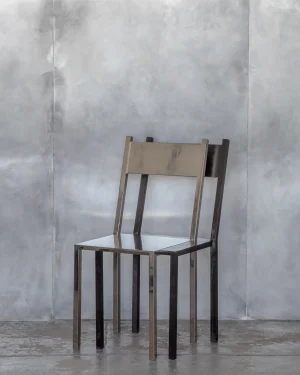
Double Vision (DV) Chair
By Studio S II
Price Upon Request -
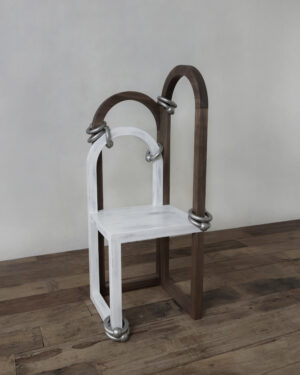
Linked Chair
By Undress House
Price Upon Request -
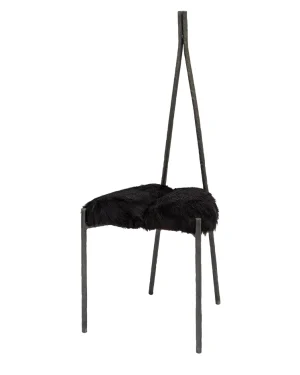
Object117 – Sculptural Chair
By NG DESIGN
Price Upon Request -
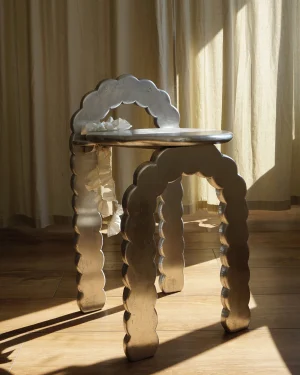
Roman Chair
By Basia Pruszyńska
Price Upon Request -
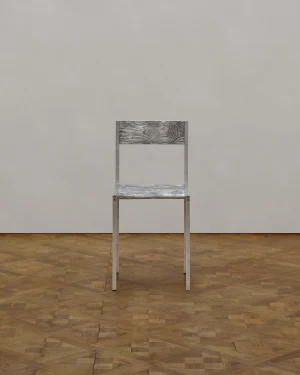
Aluminum Veneer Chair
By Bureau.parso
Price Upon Request -
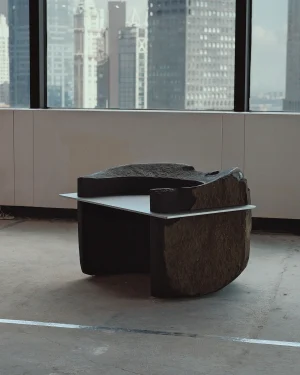
Basalt Seat 01
By Estudio Material
Price Upon Request -

Insect Lounger – Recycled Cast Aluminum
By BY JAMPS
Price Upon Request -
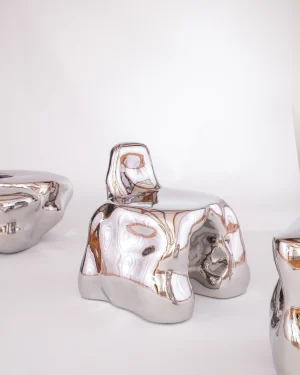
Surface Chair – Mirror Polished Stainless Steel
By studio NAWA
Price Upon Request -
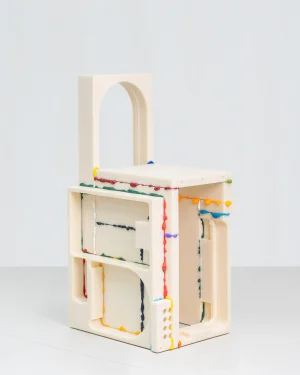
B. S. P Series “the Original”
By Atelier SOHN
Price Upon Request -
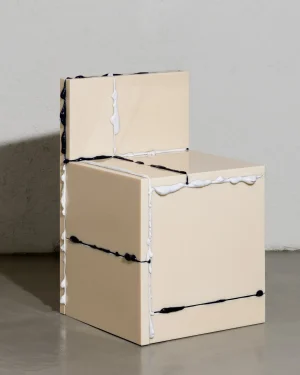
B. S. P Series – Recycled Plastic Chair
By Atelier SOHN
Price Upon Request
Neo-industrial accent chairs take their cues from factory floors and machine shops, built in steel, aluminum and cast aluminum by studios who weld, cast and patinate rather than upholster. The frames stay visible, the joins are often left honest, and the finish runs from raw sand-cast texture to a black or silver patination that reads as worked rather than painted. Oak or white oak sometimes meets the metal as a seat or armrest, giving the chair a warmer counterpoint to its industrial frame.
What defines the neo-industrial style in a chair
The style favors structure over decoration. A chair frame reads as an exposed skeleton of flat or tubular steel, bolted or welded at the joints, with little attempt to hide the method of its own making. Where aluminum is cast rather than bent, the surface can carry the faint grain of the mold, a record of process that studios tend to leave rather than polish away.
Color stays restrained: black, sand, cognac and silver dominate, sometimes with a cooler indigo or baby blue worked into a seat pad or textile panel. Patination is used deliberately, pushing steel toward a matte, almost oxidized surface that resists showing fingerprints and daily wear.
The range of materials, techniques and editions
Within neo-industrial seating, metalwork is the constant: steel and stainless steel for structural frames, aluminum and cast aluminum where a lighter or more sculptural silhouette is wanted. Resin appears occasionally as a seat shell, giving a transparent or sand-toned contrast to a dark metal base. Wood and cabinetmaking techniques bring oak into the mix as a seat, back slat or armrest, aging over time with the kind of surface wear that reads as history rather than damage.
- Metalwork and welding for exposed steel and aluminum frames
- Metal casting for chairs with a heavier, sculptural base
- Patination for matte black, sand or cognac-toned finishes
- Wood and cabinetmaking where oak or white oak meets the metal
- Textilework for seat pads in indigo, beige or baby blue
Editions vary by maker: some neo-industrial chairs are produced as open editions, made to a consistent spec over time, while others are limited editions or unique pieces where the casting or patination makes each chair slightly different from the next. For a wider view of pieces working the same material language, the metal accent chairs and aluminum accent chairs carry the same frame-first approach without being tied to one style.
How to choose a neo-industrial accent chair
Scale matters more than ornament here. A chair with a heavy cast base or thick tubular frame can dominate a small room, so measure the corner or nook it will anchor before committing to one. Seat height should match how the chair will be used: a touch lower for a reading chair, closer to standard dining height if it will pull up to a table.
Finish is the other variable worth weighing. A raw or lightly patinated steel surface will darken and mark with handling over years, while a powder-coated or fully patinated black finish hides fingerprints and stays more consistent. Where oak is involved, check whether it is sealed or left open-grained, since that decides how much maintenance the wood will ask for.
Where these chairs sit in a room
Neo-industrial accent chairs read well in rooms that already have some hard surface to answer them: concrete floors, exposed brick, steel-framed windows. A single chair can anchor a reading corner in a bedroom or study, while a pair works as flanking seating in a living room without needing a sofa to match. For softer rooms, pairing one industrial chair with upholstered pieces lets it act as a counterpoint rather than the dominant note.
Dining settings take a slightly lighter version of the same language, often in aluminum rather than heavier cast steel, chosen to stand up to daily use around a table. Those looking specifically for that context can check the dining room accent chairs, while living spaces are better served by the living room accent chairs.
Caring for metal and wood finishes
Steel and aluminum frames need little beyond a dry or lightly damp cloth; avoid abrasive cleaners that can strip a patinated surface down to bare metal. Any oak elements should be kept away from direct heat sources and wiped rather than soaked, since standing water will raise the grain and dull a sealed finish over time. Left alone, both the metal and the wood tend to age into a slightly darker, more settled version of how they left the studio.
For the full spread of chair types before narrowing by material or style, start from all accent chairs, or see every neo-industrial piece on ADORNO's neo-industrial style page to compare how the same material logic plays out across lighting and objects as well as seating.
What makes a chair neo-industrial?
Raw or blackened metal frames, exposed welds and joinery, and finishes that recall factory equipment rather than domestic furniture. Oak or steel seats often appear alongside aluminum, with little softening of the structure.
What materials are neo-industrial accent chairs made from?
Steel, aluminum and cast aluminum frames are most common, sometimes paired with oak or white oak seats. Patination or raw metalwork finishes are left visible rather than painted over.
How do I care for a metal and wood accent chair?
Wipe metal frames with a dry cloth and keep them away from moisture to prevent rust or pitting. Oak seats benefit from occasional oiling and should stay clear of direct heat and sun.
What size should an accent chair be?
Standard accent chairs sit around 17 to 19 inches at seat height, close to dining chair range, with overall width enough for one person to sit and turn comfortably. Check each piece's listed dimensions before ordering.
Which rooms suit a neo-industrial accent chair?
Living rooms, studies and entryways where a single strong silhouette can anchor the space. The style also holds its own in loft interiors with exposed brick, concrete or steel beams.
Does ADORNO ship internationally and accept returns?
Shipping is insured and worldwide. Returns are accepted within 14 days, except on made-to-order pieces, and each chair arrives with a certificate of authenticity.