


-
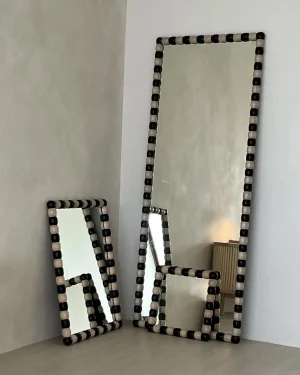
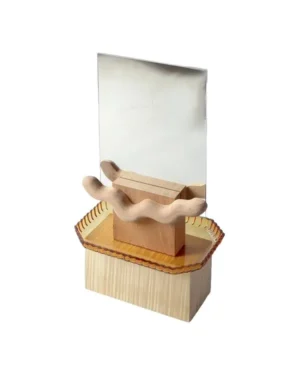
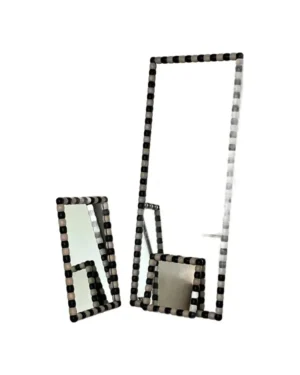
Onde – Two-toned Mirror
By STUDIO KALLANG
€940 - €2.050 -
 In stock
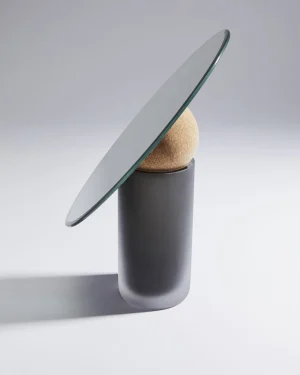
Mirror – Astra 30
By Clemence Birot
€409 -
 In stock
Creux – Black Tinted Ash Wood Tray
By Clemence Birot
€82 - €134 -

“vaiven” containers
By Tributo
€104 - €122 -
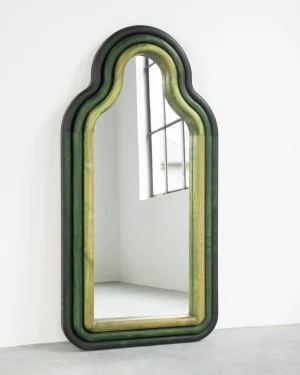
Trn Mirror / Triple / Solid Wood
By Pani Jurek STUDIO
€2.255 -
 In stock
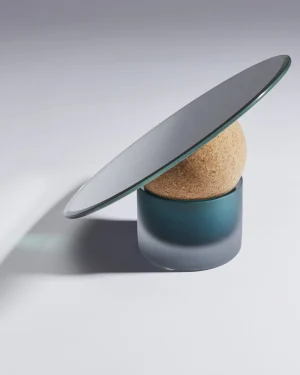
Mirror – Astra 24
By Clemence Birot
€345 -
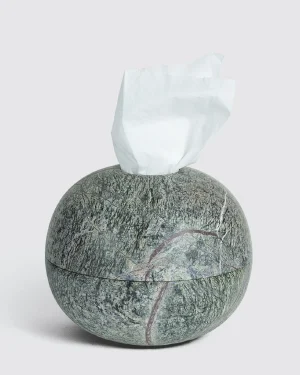
Ovoid Keeper – Tissue Paper Holder
By WANNAS
€330 - €430 -

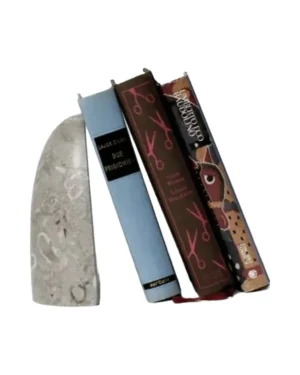
Slant – Marble, Brass and Oak Bookends
By VAUST Studio
€6.600 -

Bauhaus – Blown Glass and Cumaru Wood Vase
By Carol Gay
€900 -

Trn Mirror / M
By Pani Jurek STUDIO
€1.065 -

“YOUR FACE” Mirror
By Leo De Carlo
€5.000 -
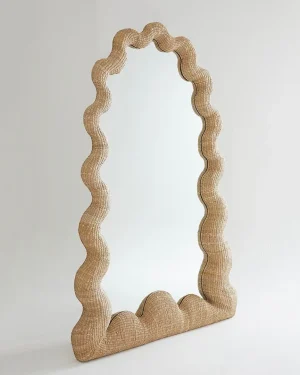
La Celebración – Handwoven Fiber Mirror
By Joyful Objects, Yes!
€6.000 -
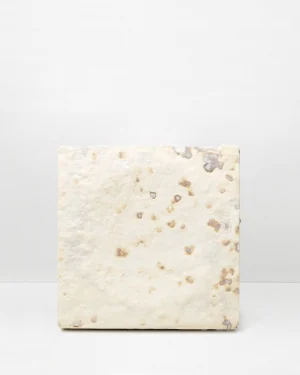
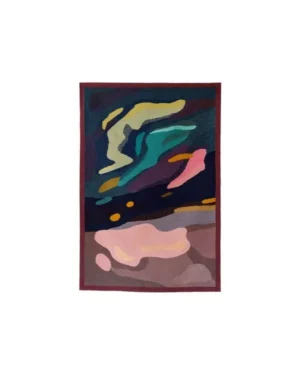
Small Wall Panel – Mycelium and Birch Wood Wall Art
By Myceen
€50 -
 In stock
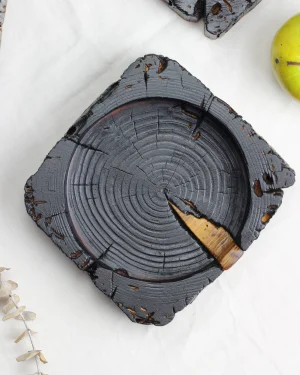
Bruciata Wooden Tray
By Gábor Góbi
€189 -
 In stock
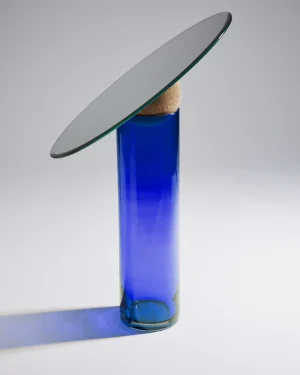
Mirror – Astra 34 Cobalt
By Clemence Birot
€540 -
 Sold
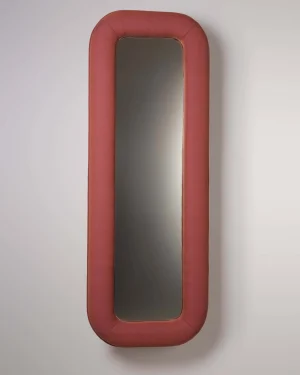
Combo Mirror – Upcycled Wall Mirror
By Jaclyn Pappalardo
-
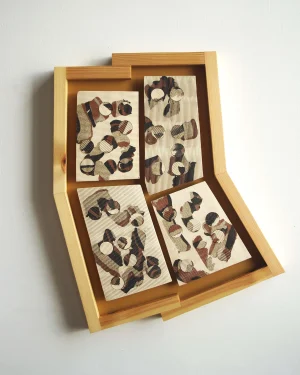 In stock
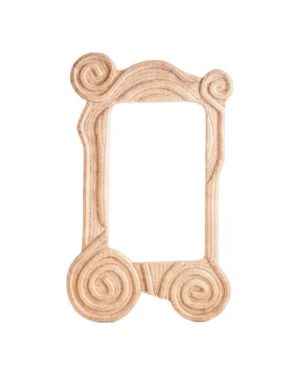
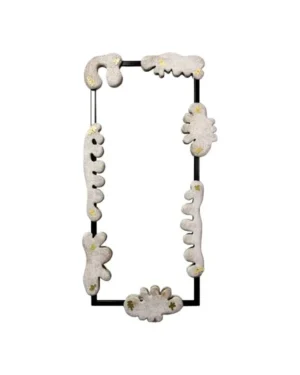
Frame – Stoneware and Pine Wood Wall Art
By Isabella Artale
€650 -
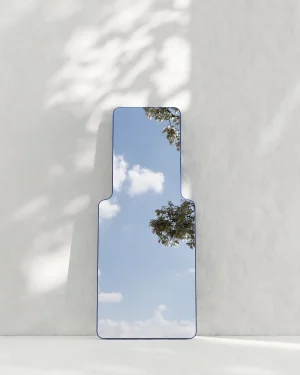
Loveself 03 – Shifted Full Length Mirror
By oitoproducts
€1.455 -

The Paper Towel Keeper
By ilan
€185 -
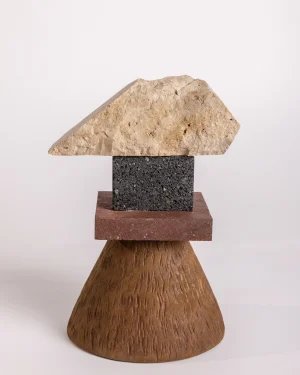
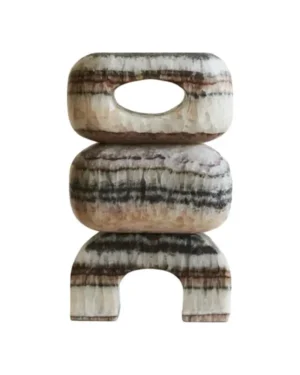
Clara – Limestone and Stoneware Sculpture
By Daniel Orozco Estudio
€962 -

Aura Mirror
By PROSA
€4.200 -

Hvyli 14 – Wavy Full Length Mirror
By oitoproducts
€1.300 -
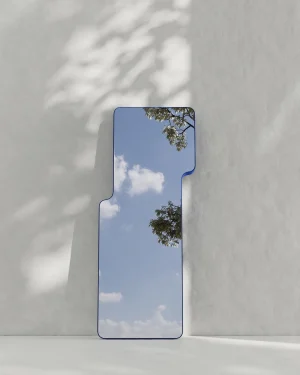
Loveself 04 – Shifted Full Length Mirror
By oitoproducts
€1.455 -

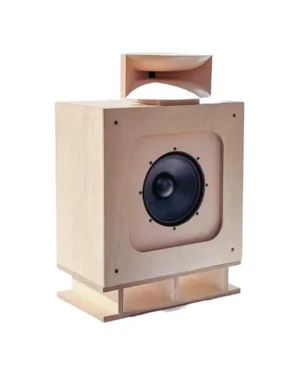
OBJ_RV Bi-Radial – Birch Plywood Speaker
By Concept Object
€3.000 -
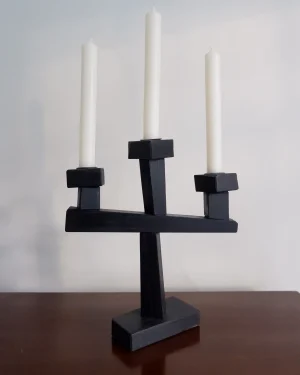
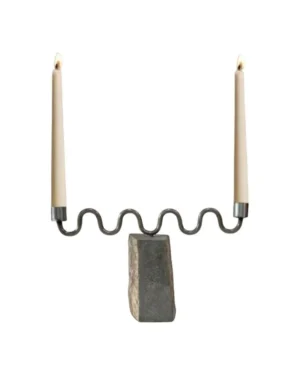
Cubist Candelabra – Ebonized Oak and Aluminum Candle Holder
By Josh Page Studio
€173 -
 In stock
Type 2.1 – Maple and Birch Wood Speaker
By Western Acoustics
€5.700 -

Permeio Medium – Fused Glass and Wood Vase
By Estúdio Dentro
€810 -
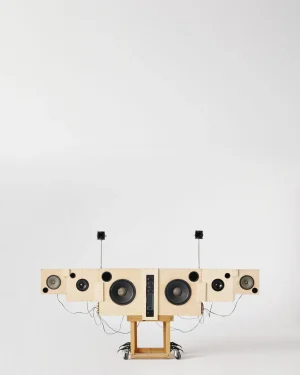
S.S Sound System 01 – Reclaimed Plywood Speaker
By Lucas Muñoz Muñoz
€24.000 -
 In stock
“San Lucas” XS Containers (Set of Three)
By piedrafuego
€72 -
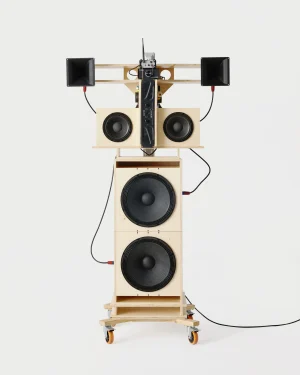
S.S Sound System 03 – Poplar Plywood Speaker
By Lucas Muñoz Muñoz
€24.000 -

Phondo Mirror
By TheUrbanative
€1.400 -
 In stock
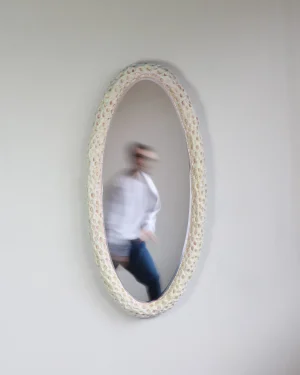
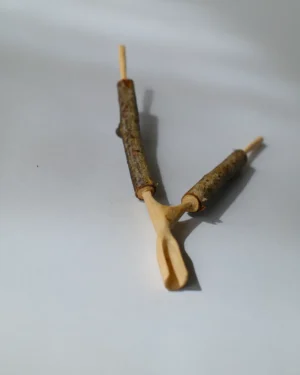
Blue Yellow Pink – Textured Papier-mâché Mirror
By David Čáp
€1.000 -
 In stock
Birke – B6
By Louise Hurth
€45 -
 In stock
Common Practice Table – Upcycled Wood Vase
By Studio Fabius Clovis
€393 -
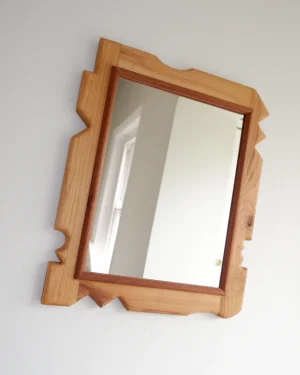
Cut Out Mirror, Cherry And Sapele Wood
By Josh Page Studio
€335 - €520 -

“lago” Wall Mirror | Liquid Metal
By Giselle Vanessa Johnson
€3.900 -

Meadows Mirror
By BOTHI
€700 -

Brancusi Mirror, Sapele Mahogany Wood
By Josh Page Studio
€410 - €585 -
 In stock
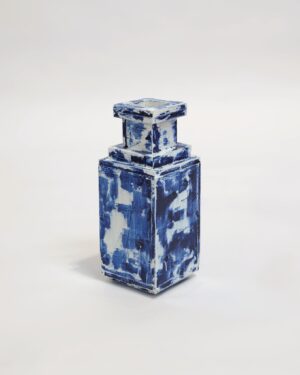
Common Practice – Upcycled Wood Vase
By Studio Fabius Clovis
€393 -
 In stock
Common Practice – Upcycled Wood Vase
By Studio Fabius Clovis
€393 -
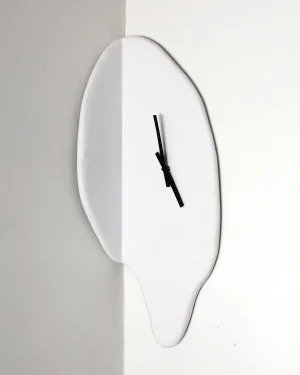
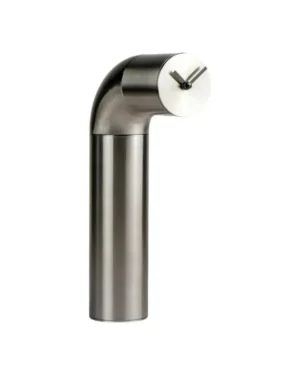
Corner – Painted Wood Wall Clock
By Dace Sūna
€1.500 -

12I2 – Wood and Mycelium Speaker
By MYCOAUDIO
€4.400 -

Walnut Mirror B — Ves
By Anna Bera
€659 -
 In stock
Burning Mirror – Melting Collection | Sculptural Mirror In Burned Wood And White Marble
By Gábor Góbi
€24.390 -

OBJ_CX – Birch Plywood Speaker
By Concept Object
€1.220 -
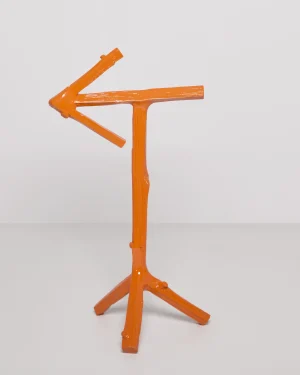 In stock
Splitted Arrow – Douglas Fir Sculpture
By Teun Zwets
€940 -
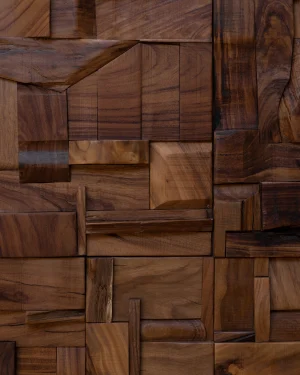 Sold
Natural Parota Wood Collage – Recycled Hardwood Wall Art
By Peter Glassford
€61 - €244 -
 In stock
Lava Frame – Reclaimed Wood Wall Sculpture
By Gábor Góbi
€1.290 -
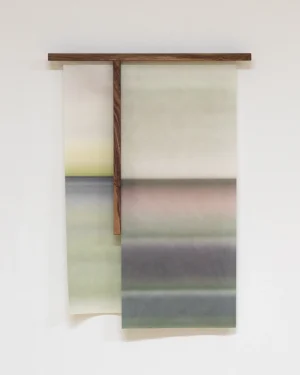 In stock
Horizon ALLV – Washi Paper and Walnut Wall Art
By Prangé
€853 -
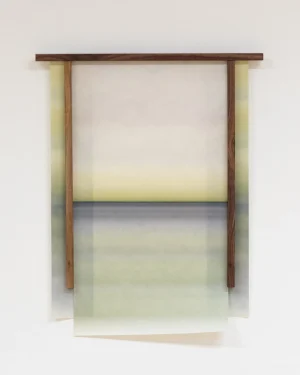 In stock
Horizon VSLM – Washi Paper and Walnut Wall Art
By Prangé
€853 -
 In stock
Blooming On Love – Birch Fiber Bioplastic Candle Holder
By M’ama edizioni
€45 -
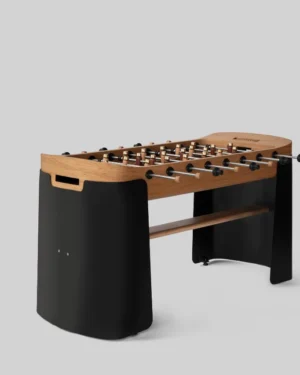
Basamento Foosball
By Juskani Alonso
€11.950 -
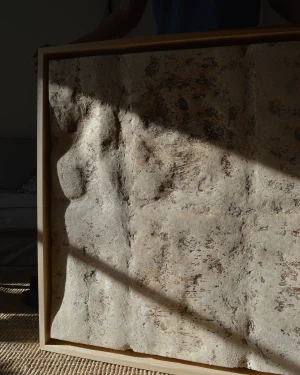 In stock
Bound – Mycelium and Pine Wood Wall Art
By Olle Sahlqvist
€4.000 -

Ziryab – Cherry and Walnut Wood Speaker
By Brett Paulin
€3.139
Wooden accessories gather the smaller, handled objects of a room — bowls, trays, boxes, candle holders, bookends — made by independent studios working in solid timber, laminated offcuts or reclaimed stock. Each piece carries the grain, color and weight of the species it came from, shaped through wood carving, cabinetmaking joinery or patination rather than left to a single finish. What results is an object that ages with use, taking on sheen or softening at the edges where hands return to it.
What defines a wooden accessory
Wood brings warmth and variation that other materials cannot fake: no two boards share the same grain, and a knot or streak of sapwood marks a piece as its own. Oak and ash read pale, walnut runs darker with more figure, and all three take an oiled or waxed finish well. Because wood is porous and moves slightly with humidity, makers season it before carving or joining, which is why solid pieces hold their form for years rather than cracking at a seam.
The range of finishes and techniques on ADORNO
The range of wooden accessories on ADORNO spans more than one species and one method. Some studios turn or carve a single block by hand, leaving tool marks as part of the surface; others laminate thin layers for strength before shaping. Finishes run from raw and lightly oiled to stained dark or patinated to read almost black. Editions vary too, from open runs repeated to a standard to limited runs and one-off pieces where no second example will be made. For the full range of timber, dimension and species available right now, every wood piece on ADORNO sits in one place, alongside objects worked in stoneware, blown glass and other materials across the full accessories category.
How to choose a wooden accessory
Scale matters more than it first appears: a tray sized for a coffee table reads differently from one meant for a console or sideboard, and a bowl's diameter should leave room for a hand to lift it without grazing the rim. Finish should match the surface it sits near — an oiled ash object looks at home beside a pale oak table, where a dark walnut or stained piece grounds a lighter room by contrast. Consider how the piece will be touched daily: a candle holder or box handled often benefits from a wax finish that deepens with use rather than one that shows every mark.
- Match the wood tone to nearby furniture, or let it contrast deliberately
- Check that the scale suits the surface, not just the room
- Favor an oiled or waxed finish for pieces that will be handled often
- Treat carved or turned pieces as objects in their own right, not only as containers
Where wooden accessories sit in a room
Wooden accessories suit any room where something needs to be held, stored or set down: entryways for keys and mail, dining tables for serving, bedrooms for trinkets and jewelry. They pair naturally with other wooden furniture, continuing a line of wooden furniture into smaller objects, or stand apart against stone, metal or ceramic surfaces, including ceramic accessories set nearby for contrast. A carved wooden base also turns up under table lighting, where wooden lamps carry the same material logic upward.
Caring for wood
Wood prefers steady humidity and no direct heat source nearby, since both can cause warping or hairline splits over time. Wipe with a dry or barely damp cloth, and reapply oil or wax periodically to keep the surface fed and water-resistant. Avoid soaking any wooden piece or running it through a dishwasher, even where it looks sealed, since sustained moisture works against the material's grain rather than with it.
How do I choose a wooden accessory?
Match the wood's tone and grain to what already sits in the room, and consider weight and finish: oiled or waxed surfaces feel warmer underhand than lacquered ones.
How do I care for wooden accessories?
Keep pieces away from direct heat and standing water, dust with a dry cloth, and feed the wood with oil or wax occasionally to stop it drying out.
Will wooden accessories fade or change color over time?
Most wood darkens or mellows slightly with light exposure, which is normal; rotating a piece now and then keeps the change even.
What size wooden accessories should I get?
Sizes vary by piece, so check the dimensions on the product page, or use Chat with the maker to confirm scale against your space.
Which rooms suit wooden accessories?
Wood sits easily in living rooms, bedrooms and entryways, and tolerates kitchens better than bathrooms, where steam and damp can warp it.
How does shipping, returns and authenticity work at ADORNO?
Shipping is insured and worldwide. Returns are accepted within 14 days, except made-to-order pieces, and each order includes a certificate of authenticity.