

-
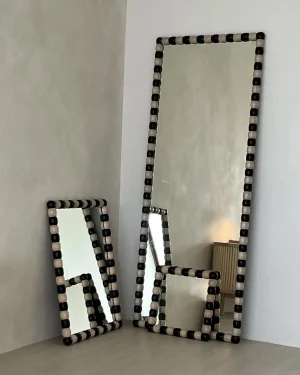
Onde – Two-toned Mirror
By STUDIO KALLANG
€940 - €2.050 This product has multiple variants. The options may be chosen on the product page -
 In stock
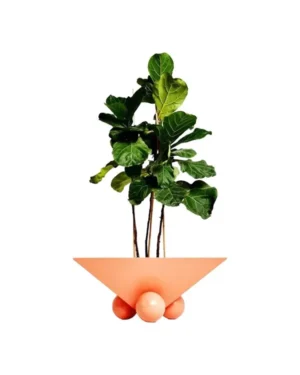
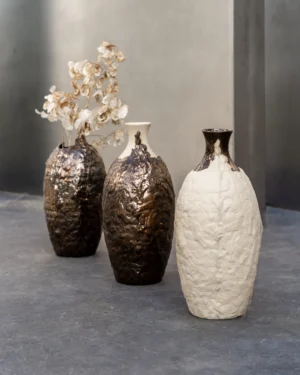
Terra
By Daniel Elkayam
€1.100 - €1.250 This product has multiple variants. The options may be chosen on the product page -
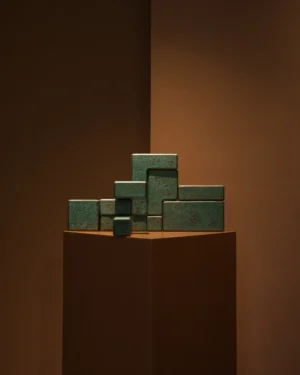
Votto®
By Aura Carpio®
€3.300 This product has multiple variants. The options may be chosen on the product page -
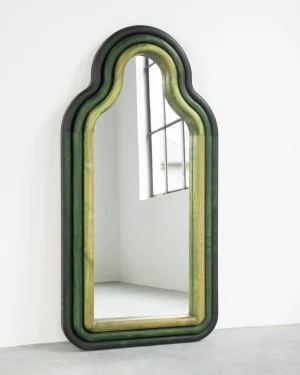
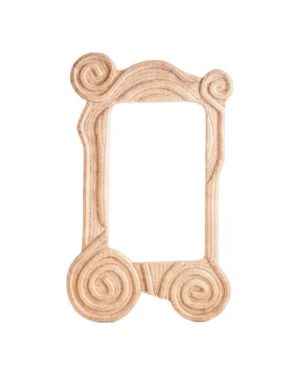
Trn Mirror / Triple / Solid Wood
By Pani Jurek STUDIO
€2.255 This product has multiple variants. The options may be chosen on the product page -
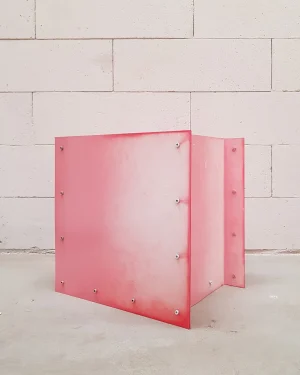 In stock
Iron And Steel Life Cabin Vase D
By TUNK I Busra Tunc
€220 -
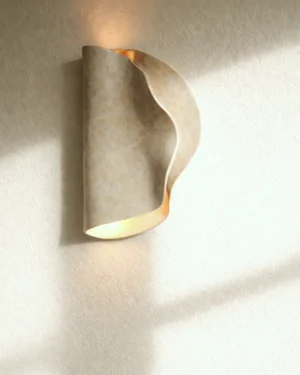
Lamp Shade – Fado
By Joana Vilaça Studio
€790 -
 In stock
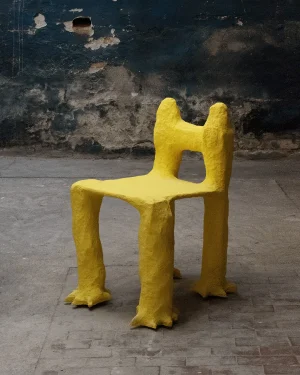
Zampa
By Jonathan Bocca
€2.700 -
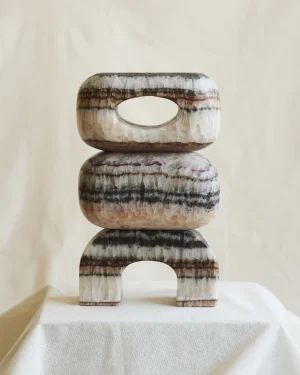
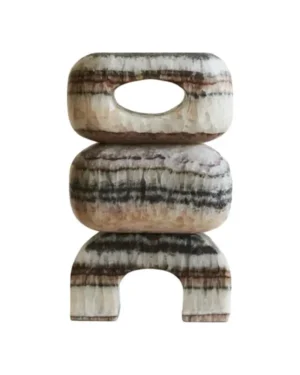
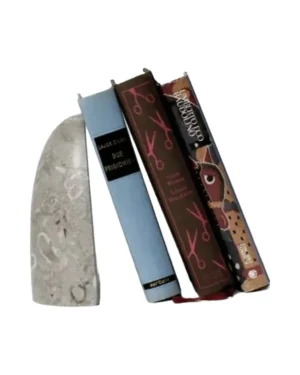
Artefacto Mármol Ls 01
By LØRDAG & SØNDAG
€900 This product has multiple variants. The options may be chosen on the product page -
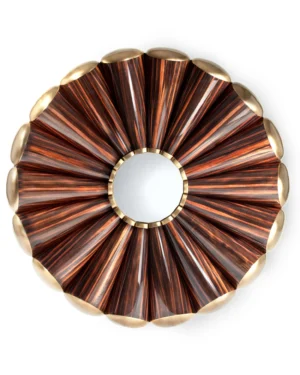 In stock
Osani Mirror In Stock
By InsidherLand
€7.350 -

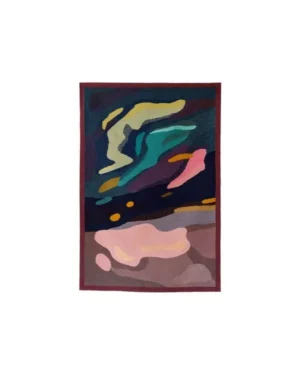
Terrae N°1 – Handwoven Wall Decoration
By Susanna Costantini
€910 -
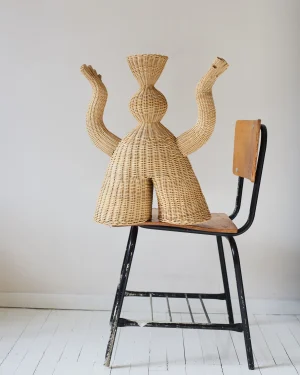 In stock
Artefacto Chan Maák Sculpture – Pol & Cab
By LØRDAG & SØNDAG
€655 This product has multiple variants. The options may be chosen on the product page -
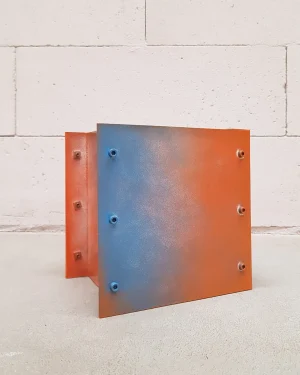 In stock
Iron And Steel Life Cabin Vase A
By TUNK I Busra Tunc
€140 -
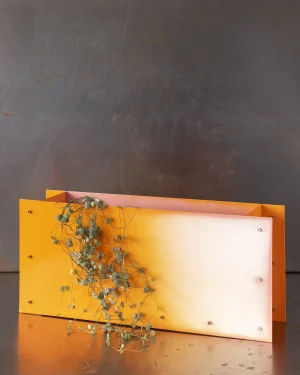 In stock
Iron And Steel Life Cabin Vase C
By TUNK I Busra Tunc
€180 -

Trn Mirror / M
By Pani Jurek STUDIO
€1.065 This product has multiple variants. The options may be chosen on the product page -
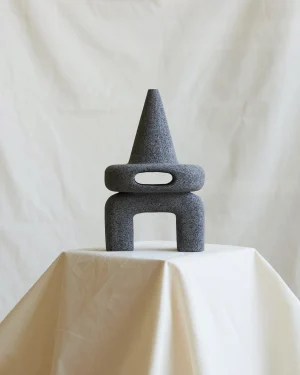 In stock
Artefacto Volcán Ls 06
By LØRDAG & SØNDAG
€490 -
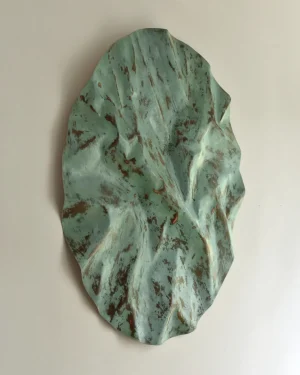
Mar De Cobre – Copper Wall Sculpture
By Aura Carpio®
€2.800 -
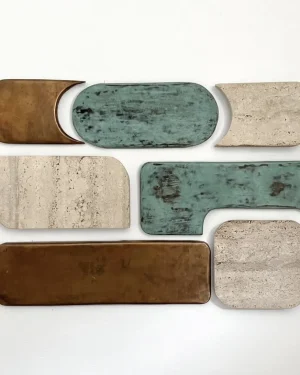
Vides Wall Decoration in Copper And Marble
By Aura Carpio®
€3.325 -

Spigolatura N°48 – Handwoven Wall Art
By Susanna Costantini
€1.180 -

Eros Mirror
By Dzovag Kotchian
€860 -
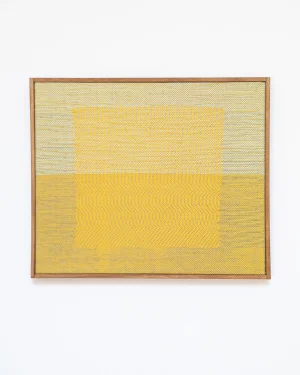
Bandiera N° 20 – Hand-woven Wall Art
By Susanna Costantini
€950 -
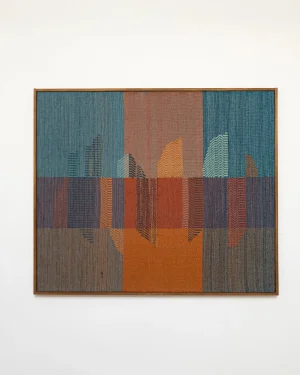
Terrae N°28 – Handwoven Wall Art
By Susanna Costantini
€1.450 -
 In stock
Ramé – Stainless Steel Wall Sculpture
By Nitush and Aroosh
€2.500 This product has multiple variants. The options may be chosen on the product page -
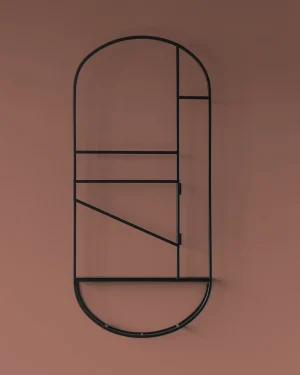
Foldwork – Valet – Wall Mounted Clothes Holder, Drying Rack
By STUDIO BERG
€334 This product has multiple variants. The options may be chosen on the product page -
 In stock
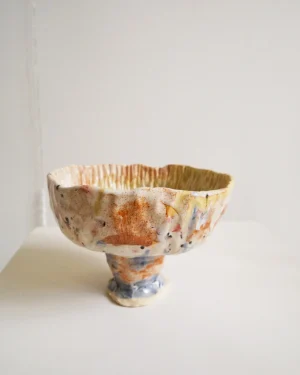
Naive Series- Multi-coloured Tones Vessel
By Hania Jneid Design Studio
€650 This product has multiple variants. The options may be chosen on the product page -
 In stock
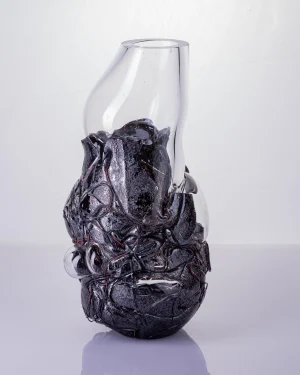
Lava – Transparent Blown Glass / Copper Wire Vase
By Anna Jožová
€1.600 -
 In stock
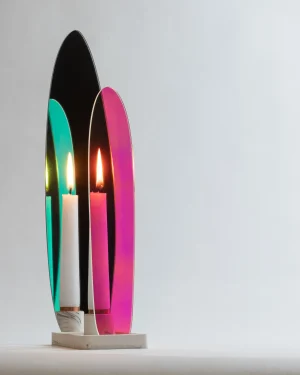
Dichroic Iridescent Candleholder Stick Onnda Flame: Filiform-Pink & Green
By Catrinel Sabaciag
€215 This product has multiple variants. The options may be chosen on the product page -
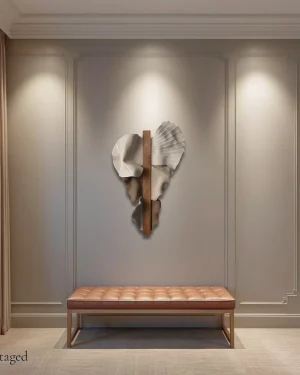
Abundance Wall Sculpture | Toffee · Studio Series ·
By Studio Ēeme
€3.565 -
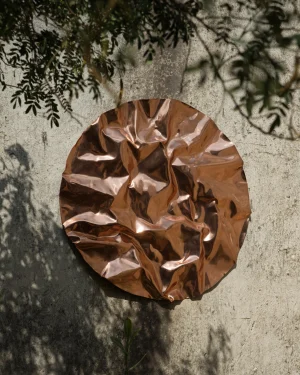
Mar De Cobre – Wall Decoration
By Aura Carpio®
€2.200 -
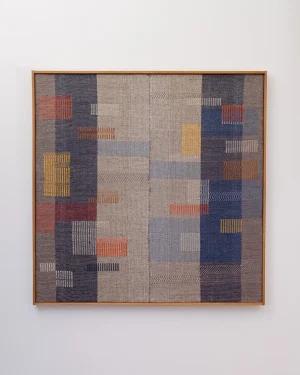
Spigolatura N°61 – Handwoven Wall Art
By Susanna Costantini
€1.800 -
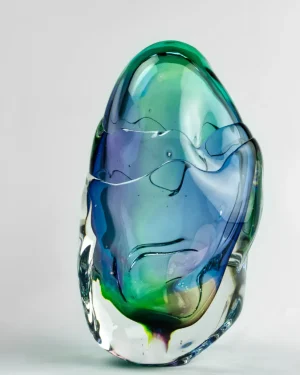
Persona – Glass Sculpture
By MILA ZILA
€2.400 -

Sontsehryv – Clay Sculpture
By FAINA
€620 -
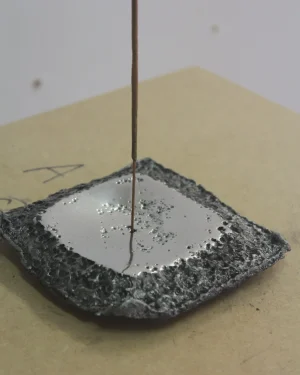
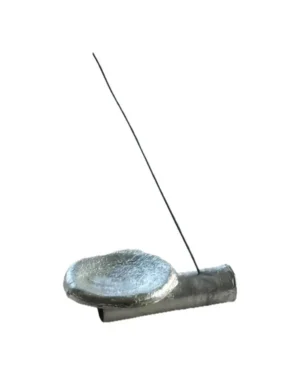
Melancholy – Incense Burner – Aluminium
By Saturday Yard Work
€133 -
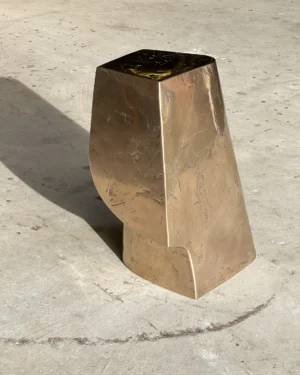
Palm Table Il – Handmade Bronze Side Table
By Vogel Studio
€7.800 - €8.800 This product has multiple variants. The options may be chosen on the product page -

Underneath Me – 3d Printed Red Vase
By M’ama edizioni
€330 -
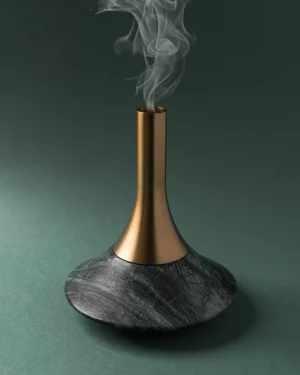 In stock
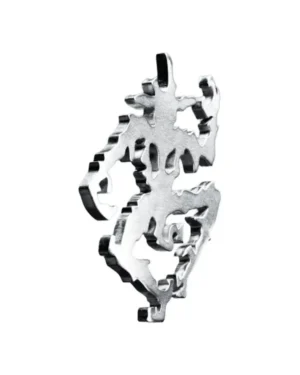
Dervish Incense Burner
By Boo Design Studio
€265 -
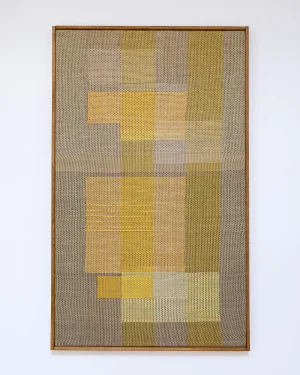
Spigolatura N°68 – Handwoven Wall Art
By Susanna Costantini
€1.200 -
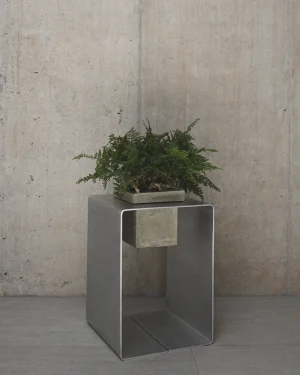
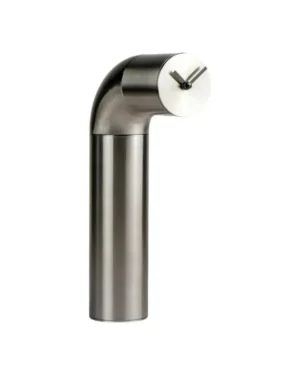
ST001-02 Side Table in Stainless Steel and Concrete
By NAVE
€990 -
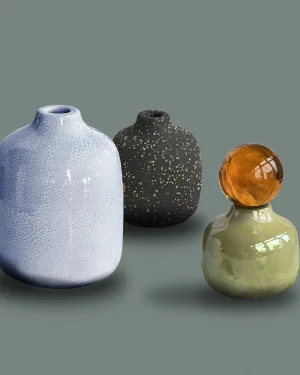
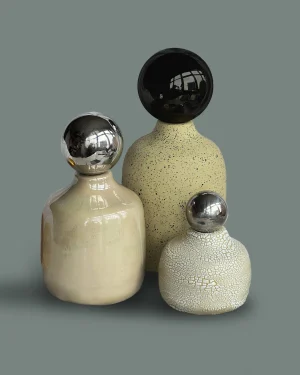
Set 1 With 3 Medium-sized Viie Vases 2.0
By STUDIO BERG
€157 -
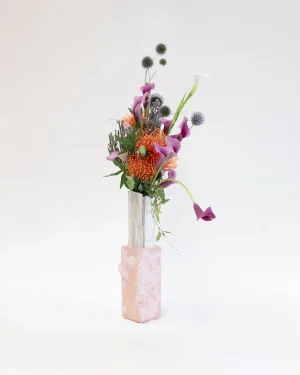
Set No. 2 With 3 Medium-sized Viie Vases 2.0
By STUDIO BERG
€150 -
 In stock
Pintrapòts – Stoneware Vase
By Pierre Klein
€380 -
 In stock
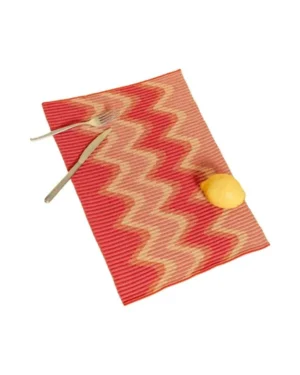
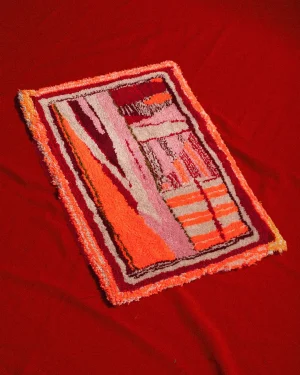
The Neon Rug
By Draken Studio
€100 - €550 This product has multiple variants. The options may be chosen on the product page -
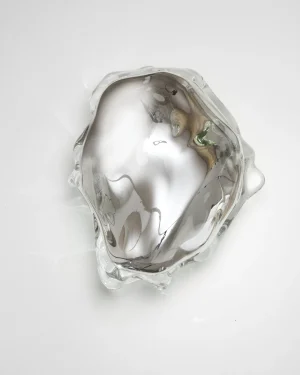
Persona Mirror Sculpture
By MILA ZILA
€2.100 -
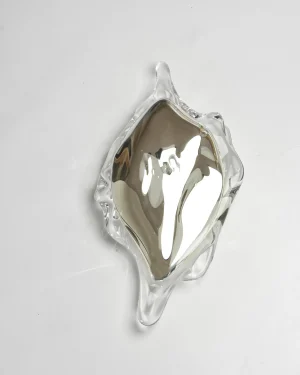
Persona Mirror Sculpture – Small
By MILA ZILA
€1.100 -
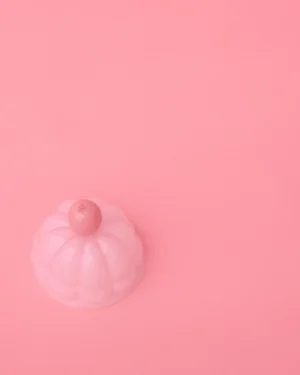
Jello S – Hand-blown Glass Cloche
By STUDIO BERG
€208 This product has multiple variants. The options may be chosen on the product page -

Pojagi N°3 – Handwoven Wall Art
By Susanna Costantini
€4.000 -
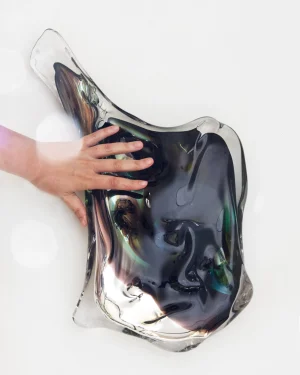
Persona Mirror Sculpture – Multicolour Small
By MILA ZILA
€1.800 -
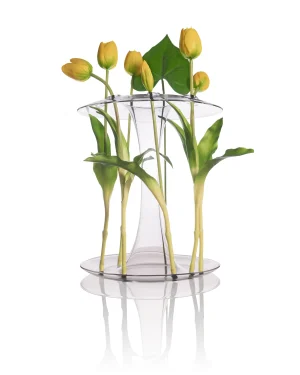 In stock
Aqua Vase
By KANZ
€156 -
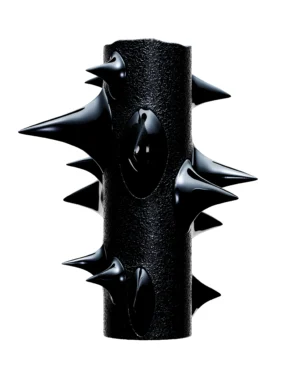
Stem Vase
By Gast Studio
€275 This product has multiple variants. The options may be chosen on the product page -

Joyful Horses Rug
By Pupcha
€2.400 -

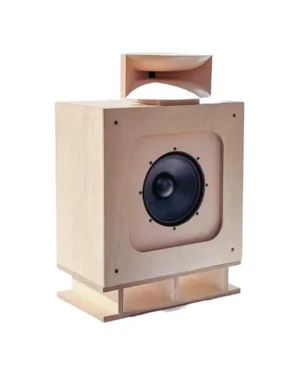
Bella – Speaker – Cream Color
By SOOS Sound
€4.500 -
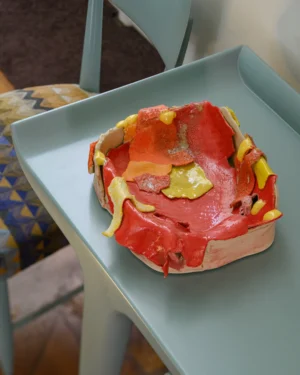
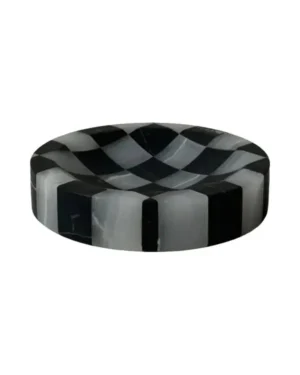
Estudi 03 – Tray
By Pierre Klein
€330 -

Incense Holder I-45
By julius.works
€140 -

Mush Brown, Glass Vase
By Juliana Maurer
€832 -
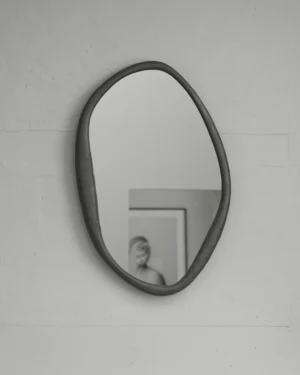
Mirror Perfumer – Handmade Aluminium Wall Mirror
By Vogel Studio
€8.000 - €11.700 This product has multiple variants. The options may be chosen on the product page
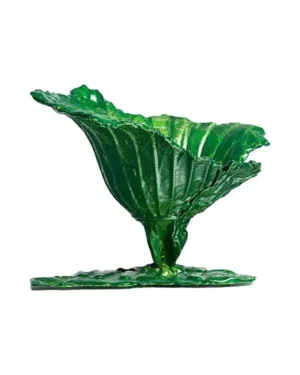
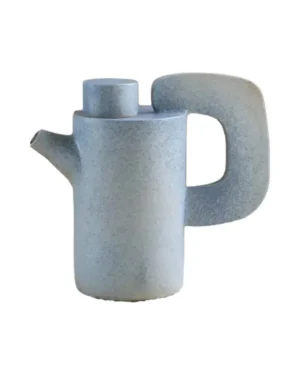
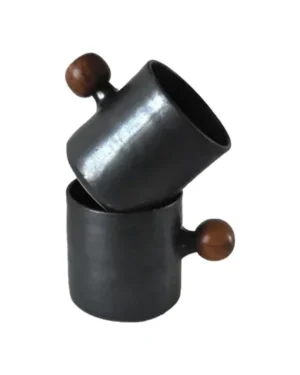
Living room accessories at ADORNO gather the small, finished pieces that give a seated room its texture: glazed stoneware vessels, wool and woven textiles, stainless steel objects and blown glass forms, each made by an independent studio working by hand or with a small run of tools rather than a factory line. What holds the group together is scale and intent — objects sized for a shelf, a console or a low table, made to be touched daily rather than looked at once.
What defines these pieces
Clay runs through much of what's found among living room accessories, worked as stoneware or finished with glaze that pools and thins across a curved wall, so no two surfaces read quite the same even within one firing. Wool and other textiles follow closely, with stainless steel bringing a harder, reflective counterpoint. Glass comes blown, carrying the faint asymmetry of breath and gravity, and textile work — woven or screen printed — brings pattern and softness into a room otherwise built from hard surfaces.
Color leans toward the grounded: black, brown and beige sit alongside cobalt blue, green and the occasional light yellow, with multicolor pieces used sparingly as a single bright note. Styles range from Mid-Century Modern restraint to Art Deco's sharper geometry, with contemporary and minimalist work on one end and eclectic, boho chic or maximalist pieces on the other, layering pattern and color without much hesitation.
How the pieces are made
Hand-building and glazing produce the stoneware and clay work, each pass of glaze applied and fired separately so color depth builds in layers. Glassblowing shapes the blown glass pieces, where the maker's breath sets wall thickness and form at once. Weaving and basketry account for the textile and fiber objects, while metalwork covers the stainless steel pieces.
Editions vary by studio. Some pieces are open editions, made to a repeatable method whenever a studio restocks; others are one-offs, unique pieces where glaze, grain or weave cannot be exactly repeated.
Choosing living room accessories by scale, finish and placement
Start with where the object will sit. A console or sideboard can hold a taller vase or a pair of smaller vessels grouped together; a low coffee table asks for something flatter, a bowl or a tray that doesn't block sightlines across the room. Shelving rewards objects with a strong silhouette, since they'll be seen mostly in profile.
Finish matters as much as form. Matte stoneware and wool sit quietly against upholstery and rugs, while a glossy glaze or cobalt blue glass reads as a focal point and should be given room rather than crowded by other objects. If a room already carries pattern through textiles, a plainer piece in a Minimalist or Mid-Century register often balances it better than another patterned one.
- Pair warm wood with wool or linen upholstery for a tonal, low-contrast room.
- Use a single saturated glaze or glass color as the room's accent rather than repeating it.
- Group odd numbers of small objects — three bowls, three vessels — rather than pairs, for a less formal arrangement.
Care, by material
Glazed stoneware and ceramic wipe clean with a damp cloth; avoid sudden temperature changes, which can crack a glaze over time. Blown glass should be dusted rather than scrubbed, and kept clear of direct, prolonged sun if it's colored, since some pigments fade. Wood benefits from an occasional wipe with a dry cloth and, if it dries out, a light food-safe oil; keep it away from direct heat sources like radiators. Woven textile pieces can be aired outdoors periodically and spot-cleaned, since full washing can distort a hand-woven structure.
For the full range of materials behind these objects, the accessories category covers every finish, while every living room piece on ADORNO extends beyond accessories into furniture and lighting for the same room. Those drawn to fired surfaces can look through ceramic accessories, and anyone furnishing a quieter room might pair living room accessories with pieces from minimalist accessories or living room furniture.
How do I choose living room accessories?
Start with the surfaces already in the room, wood, textile or stone, and pick a material that sits well against them. Scale matters too, a piece should hold its own on a shelf or table without crowding it.
What materials are living room accessories made from?
Glazed stoneware and ceramics are most common, alongside wool and other textiles, stainless steel and blown glass. Each material brings its own texture, from the sheen of glaze to the grain of wood.
How do I care for ceramic, glass and wood accessories?
Dust ceramics and glass with a soft cloth and avoid sudden temperature changes, which can crack glazes. Wood pieces benefit from an occasional wipe with a dry cloth and should stay clear of direct heat or damp.
What size should a living room accessory be?
Size depends on where it sits, a side table calls for something smaller than a console or sideboard. The maker can confirm exact dimensions on the piece's page through Chat with the maker.
Can these accessories also work in other rooms?
Many pieces move easily between spaces, a bowl or vase suits an entryway as well as a living room. Function and finish matter more than the room name on the label.
How does shipping, returns and authenticity work on ADORNO?
Shipping is insured and worldwide, with a 14-day return policy except on made-to-order pieces. Every piece comes with a certificate of authenticity, and ADORNO offers a lowest-price guarantee.