
-

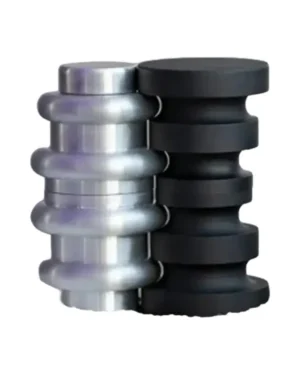
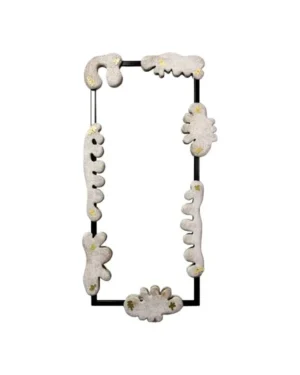
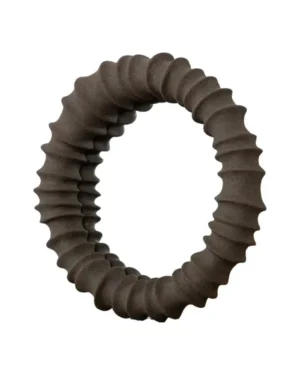
LMC mobile
By Jordi Canudas Faura
€215 -

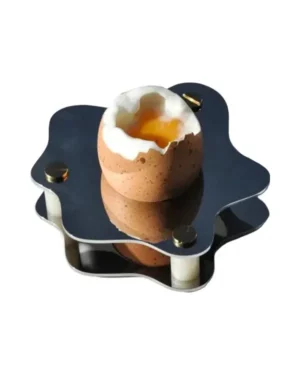
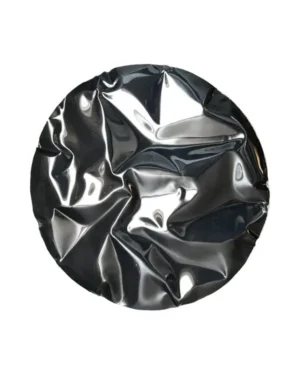
Float Mirror Black #b_31 in Liquid Silver and Glass
By Studio Speculo
€465 -
 In stock
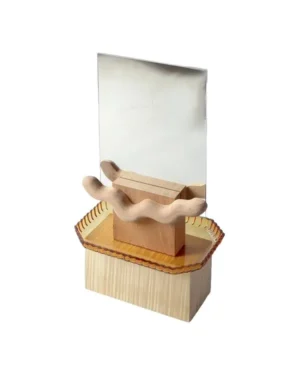
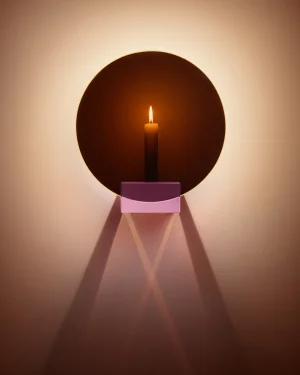
Spegla Wall Edition – Mirror & Candle Holder In Crystal Glass And Half-transparent Mirror
By Jochen Lavéno Mangelsdorff Studio & Objects
€345 - €395 This product has multiple variants. The options may be chosen on the product page -
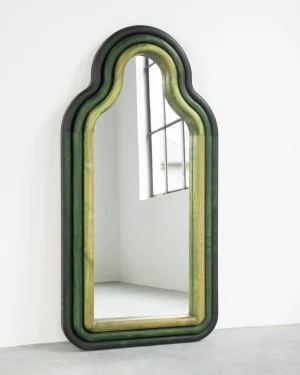
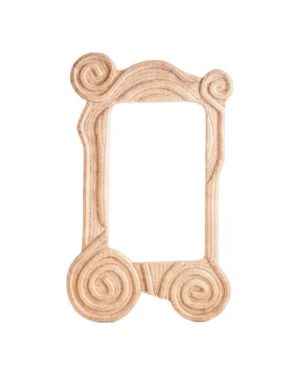
Trn Mirror / Triple / Solid Wood
By Pani Jurek STUDIO
€2.255 This product has multiple variants. The options may be chosen on the product page -
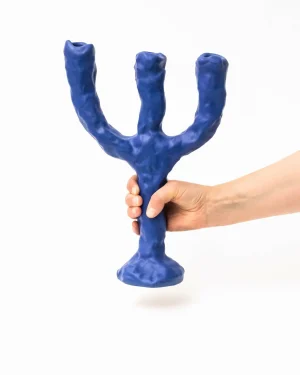
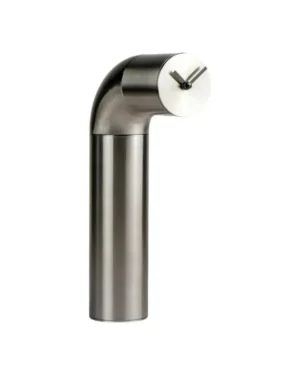
Minute – Candle Holder
By Studio Flétta
€320 This product has multiple variants. The options may be chosen on the product page -

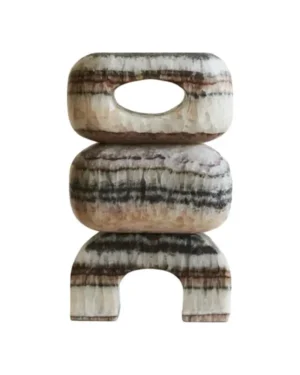
A Beautiful Mind – Sculptural Organic Stone Mirror
By Odditi
€3.600 -
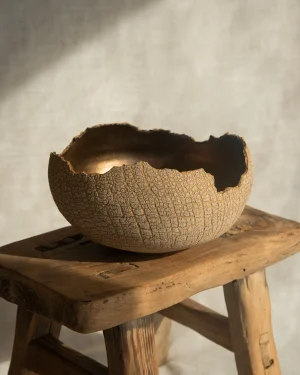
Distressed Sandstone Ikebana Vessel No.1
By Alex Roby Design
€488 -
 In stock
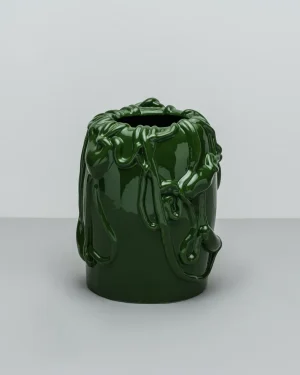
Jam – Earthenware Vase
By raawii
€220 This product has multiple variants. The options may be chosen on the product page -
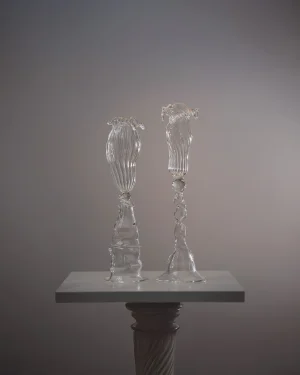
Cariño – Glass Sculptures
By PIA GLASSWORKS
€400 -

Tornado – 0 1 0 1 – Vase
By Yiannis Vogdanis
€260 -
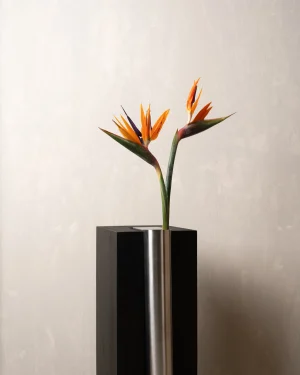
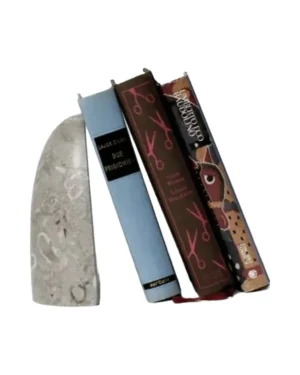
Bookcase Vase
By MANUHITA
€250 -
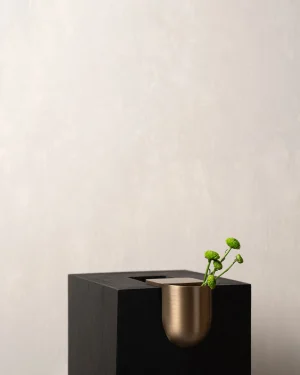
Bookcase Vase – Small
By MANUHITA
€215 -

O-Jar Porcelain Vessel
By Erin Turkoglu
€210 -
 In stock
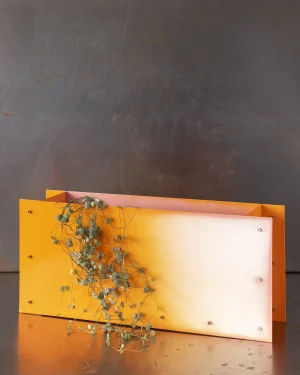
Iron And Steel Life Cabin Vase C
By TUNK I Busra Tunc
€180 -
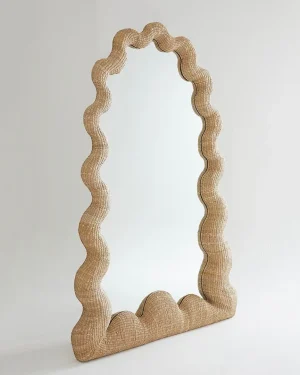
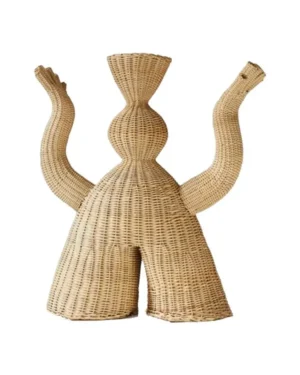
La Celebración – Handwoven Fiber Mirror
By Joyful Objects, Yes!
€6.000 -
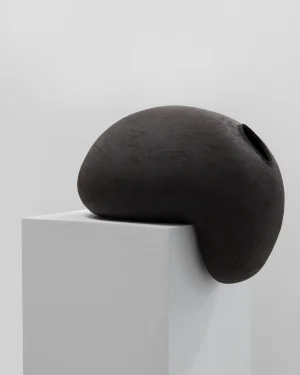
Movement Phase 1 – Black Sculptural Ceramic Vessel
By Catalin Filip
€1.350 -
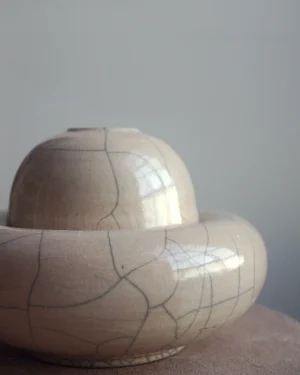
Raku – Ceramic Acorn Vase
By Isabella Artale
€350 -
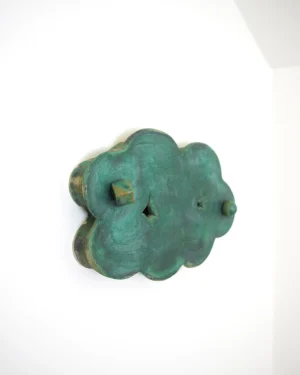
Green Cloud – Ceramic Wall Sculpture
By Isabella Artale
€250 -

Arbo – Stoneware Candleholder
By Lucia Mondadori
€284 -

Floating In Space – Orange And Green Porcelain Vase
By Liquid Void Studio
€75 -

Round We Go – Porcelain Vase Small
By Liquid Void Studio
€45 -

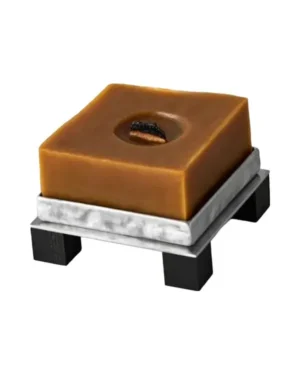
Fetish – Wax Vase
By Pierre Klein
€80 - €145 This product has multiple variants. The options may be chosen on the product page -
 In stock
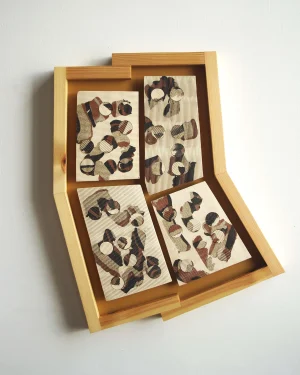
Frame – Stoneware & Oak Wall Art
By Isabella Artale
€650 -
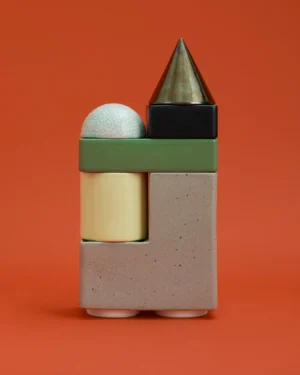 In stock
Knstrkt Set Of 6 With Large Pieces – Stackable Earthenware
By STUDIO BERG
€166 -
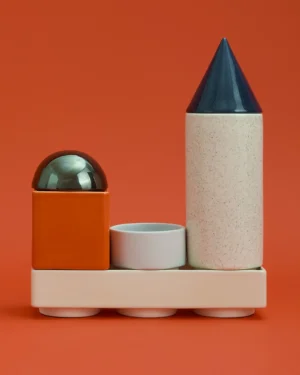 In stock
Knstrkt Set Of 6 – Stackable Earthenware
By STUDIO BERG
€155 -
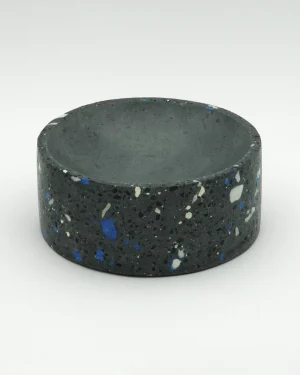 In stock
Escudela 01 – Medium Terrazzo Bowl
By Pierre Klein
€150 This product has multiple variants. The options may be chosen on the product page -
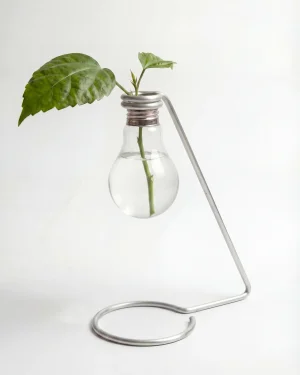 In stock
Testikel – Glass Cuttings Vase
By Olle Sahlqvist
€70 - €80 This product has multiple variants. The options may be chosen on the product page -
 In stock
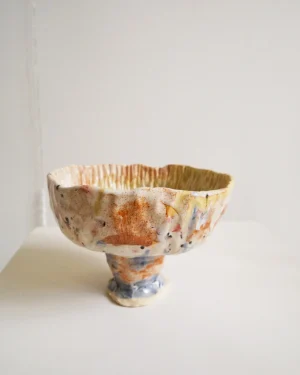
Naive Series- Multi-coloured Tones Vessel
By Hania Jneid Design Studio
€650 This product has multiple variants. The options may be chosen on the product page -
 In stock
Arch – Brass & Marble Calendar
By Boo Design Studio
€180 -
 In stock
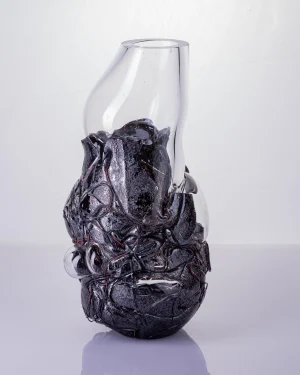
Lava – Transparent Blown Glass / Copper Wire Vase
By Anna Jožová
€1.600 -
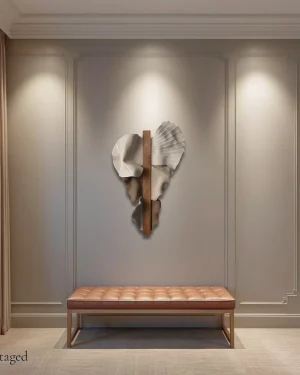
Abundance Wall Sculpture | Toffee · Studio Series ·
By Studio Ēeme
€3.565 -
 In stock
Pair Of Reef Vases
By Dzovag Kotchian
€1.100 -
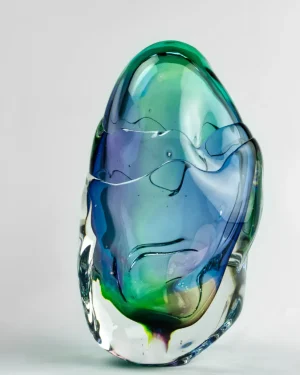
Persona – Glass Sculpture
By MILA ZILA
€2.400 -

Underneath Me – 3d Printed Red Vase
By M’ama edizioni
€330 -
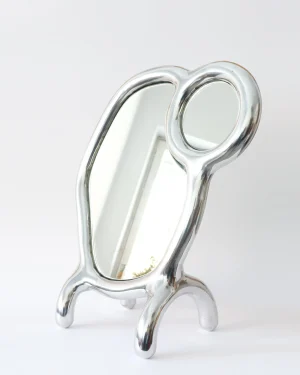 In stock
Mi-rr 13
By Studio Speculo
€1.100 -
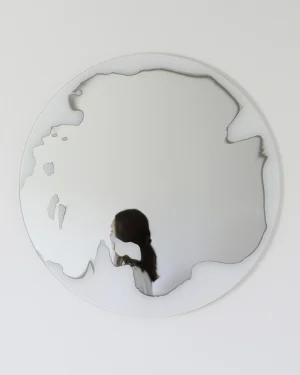
Float Mirror White – Liquid Silver / Glass
By Studio Speculo
€370 -
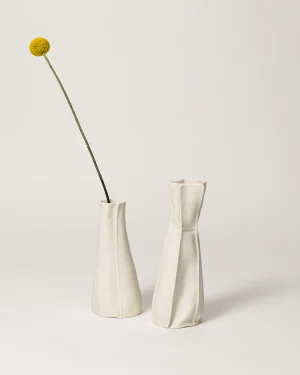
Pair of White Ceramic Kawa Vases
By Luft Tanaka Studio
€490 -
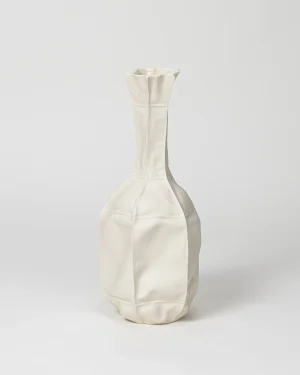
Organic White Ceramic Kawa Vase #12
By Luft Tanaka Studio
€1.075 -
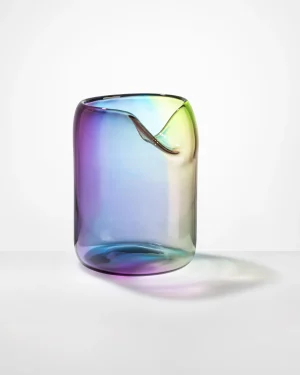 In stock
Mind Vases – Handblown Glass
By MILA ZILA
€220 - €245 This product has multiple variants. The options may be chosen on the product page -
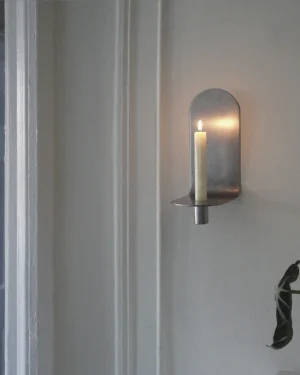
Wch001-11 Stainless Steel Candleholder
By NAVE
€160 -
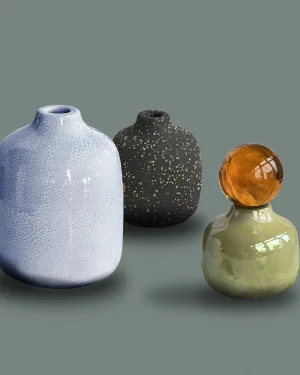
Set 1 With 3 Medium-sized Viie Vases 2.0
By STUDIO BERG
€157 -
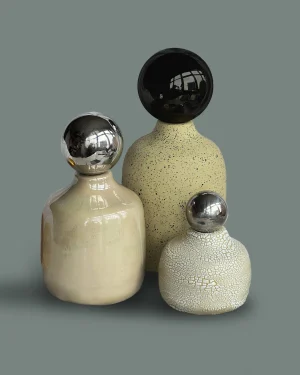
Set No. 2 With 3 Medium-sized Viie Vases 2.0
By STUDIO BERG
€150 -

Puffer Vase Ii – Abs Plastic
By Gast Studio
€286 - €345 This product has multiple variants. The options may be chosen on the product page -

Puffer Vase I – Abs Plastic
By Gast Studio
€190 - €490 This product has multiple variants. The options may be chosen on the product page -
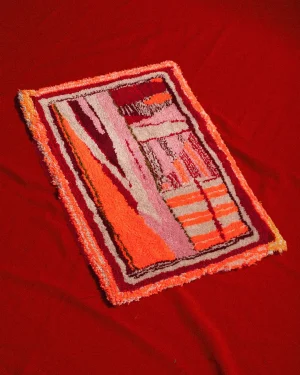 In stock
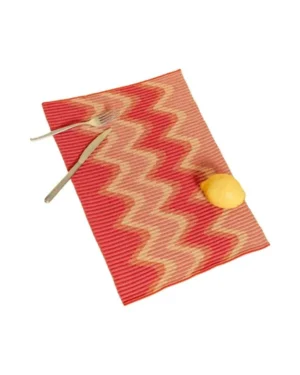
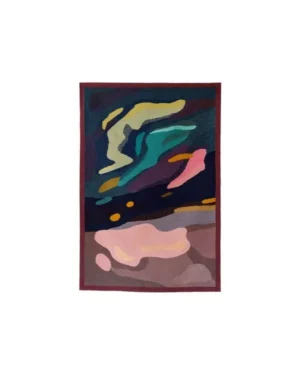
The Neon Rug
By Draken Studio
€100 - €550 This product has multiple variants. The options may be chosen on the product page -
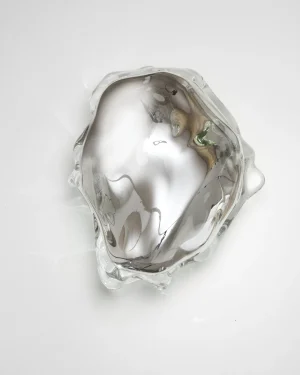
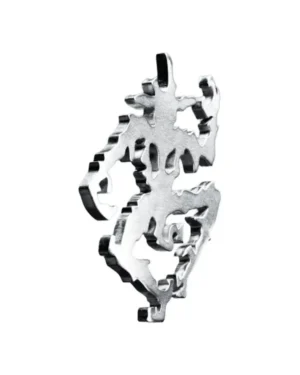
Persona Mirror Sculpture
By MILA ZILA
€2.100 -
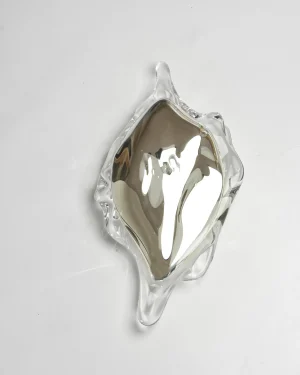
Persona Mirror Sculpture – Small
By MILA ZILA
€1.100 -
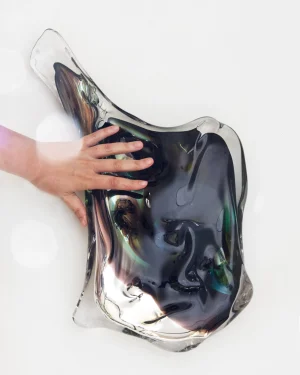
Persona Mirror Sculpture – Multicolour Small
By MILA ZILA
€1.800 -
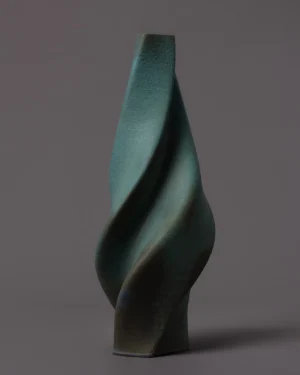
T – 0 1 1 0 – G
By Yiannis Vogdanis
€420 -
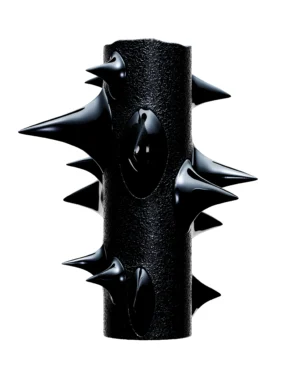
Stem Vase
By Gast Studio
€275 This product has multiple variants. The options may be chosen on the product page -
 In stock
Velvet Praying Carpet
By Boo Design Studio
€155 This product has multiple variants. The options may be chosen on the product page -
 In stock
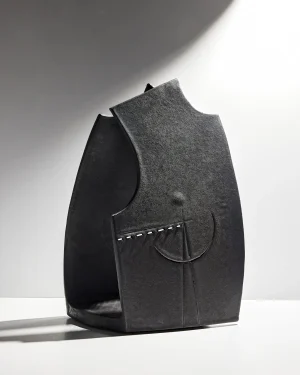
_migrated Forms 06 Sculpture
By C E R A M I C 4 7
€820 -

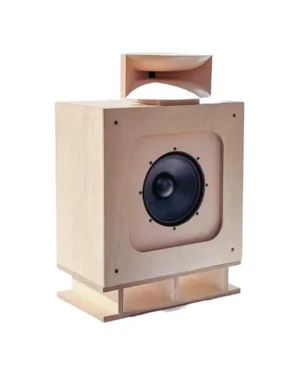
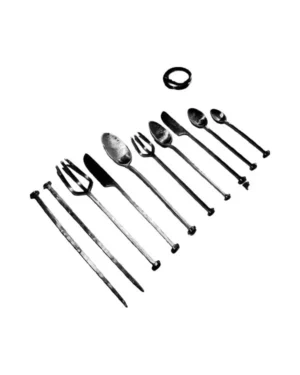
Obj_rv.bi-radial Speaker
By Concept Object
€3.000 -
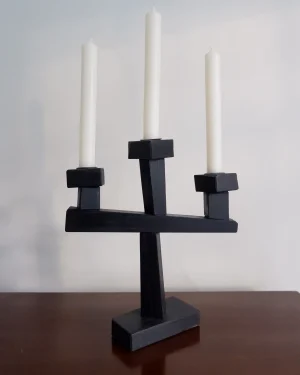
Cubist Candelabra, Black Ebonized Oak
By Josh Page Studio
€173
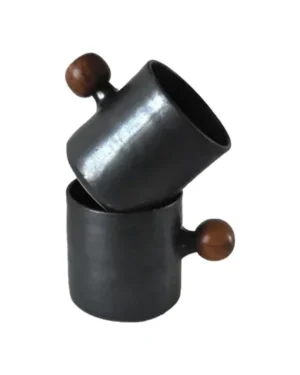
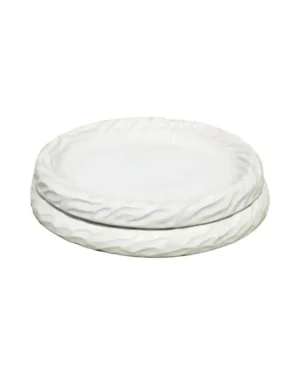
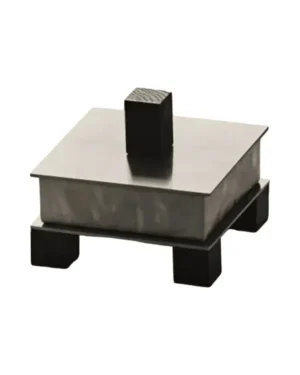
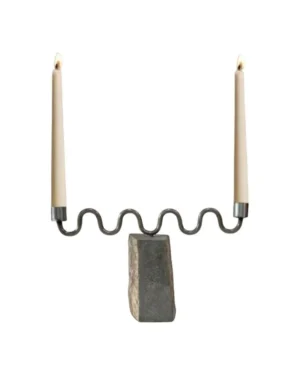
Eclectic accessories bring together objects that would never share a shelf in a conventional scheme: a hand-blown glass vessel next to a cast bronze dish, a glazed ceramic bowl beside a chrome candle holder. What unites them is not one material but a way of working, where independent studios mix clay, glass and metal, and combine finishes and techniques rather than repeat a single formula. The result reads as a room built over time, not bought in one trip.
What defines an eclectic approach to accessories
An eclectic piece draws on more than one tradition at once. A studio might pair wheel-thrown clay with a glaze that reads as industrial, or set hammered brass against smooth cast concrete. Color plays a part too: black and bronze sit next to pink, green or orange without apology, because contrast is the point, not an accident to be corrected.
This makes the category harder to pin to one material, and that is by design. Looking at every eclectic piece on ADORNO shows the pattern clearly: no single finish dominates, and no two groupings look quite the same from one season to the next.
Materials, finishes and techniques found here
The materials found here, and the ways studios shape them, include:
- Glass, shaped by glassblowing or finished through cold working for a cut or frosted edge
- Brass, chrome and other metals, worked by hand or cast, often left to pick up a patina over time
- Ceramic and clay, built by hand or thrown on a wheel, then glazed in a single color or a mix
- Silver and bronze accents, used for weight and for the way they catch light differently from matte surfaces
Editions vary by piece: some studios work in open editions, others limit a glaze or a cast to a small run, and a number of objects are unique, no two alike even within the same batch. Where a listing states a limited run or a one-off, that status will not repeat once the piece sells.
How to choose a piece for a mixed room
Start with scale before finish. A small dish or candle holder can sit on a shelf without competing for attention, while a taller vessel or sculptural object needs enough clear space around it to read as a single statement rather than clutter.
Then think about what the piece will sit against. Glass and chrome throw light and work well near a window or a mirror, where reflections add to the effect. Ceramic and ceramic glazes read as warmer and suit a sideboard, a console or a dining table where the object will be seen up close.
Height matters on a shelf more than most people expect: grouping pieces of different heights, as eclectic schemes tend to do, reads better than lining up matching sizes. Leave gaps between objects rather than filling every inch of a surface.
Where these pieces work in the home
Accessories in this style suit rooms that already carry some variety, living rooms with mixed-era furniture, entry tables, or a bookshelf where color and texture can build up gradually. They also work as a counterpoint in an otherwise quiet room, one glazed bowl or brass object doing the work that a whole wall of pattern would otherwise do.
For a fuller sense of range, the metal accessories and ceramic accessories groupings show how far a single material can stretch before it needs a contrasting partner, while eclectic decor extends the same approach into wall pieces and objects beyond tabletop scale.
Caring for mixed materials
Metal finishes such as brass and bronze will darken or develop a patina with handling and air exposure; a soft cloth and occasional polish keep the surface even, or leave it to age if the patina is wanted. Glass and ceramic glazes need only a damp cloth, avoiding abrasive cleaners that can dull a cold-worked edge or a matte glaze. Keep unglazed clay away from standing water, since the surface can absorb moisture and stain.
For the wider set of forms, finishes and price points across the gallery, all accessories covers the full spread beyond this one style.
How do I choose an eclectic accessory?
Look for a piece that mixes materials or references several styles at once, glass with brass, or clay with chrome. Let it stand apart from the rest of the room rather than match it.
What materials are eclectic accessories usually made from?
Ceramic and stoneware appear most often, followed by blown glass and porcelain, sometimes combined with metal in one piece. Each material ages differently, so check whether it needs polishing, dusting or protection from damp.
How do I care for mixed-material accessories?
Clean glass and chrome with a soft, dry cloth, and keep ceramic and brass away from harsh chemicals. Separate care for each material keeps colors and finishes from dulling over time.
What size accessory works best on a shelf or table?
Scale depends on the surface: small objects suit shelves and side tables, while taller or wider pieces anchor a console or sideboard. The maker can confirm exact dimensions on the piece's page.
Which rooms suit eclectic accessories?
Living rooms, entryways and dining spaces take well to eclectic pieces, since the style thrives on contrast with existing furniture. A single bold object often carries more weight than several smaller ones.
What are ADORNO's shipping and return policies?
Shipping is insured and worldwide. Returns are accepted within 14 days, except for made-to-order pieces, and every piece comes with a certificate of authenticity.