
-
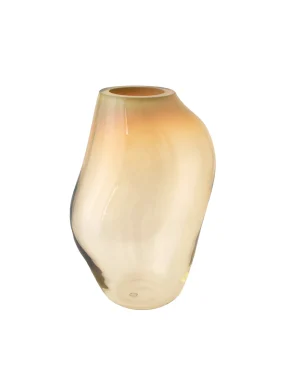
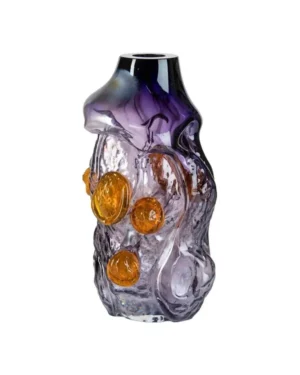
Supernova 4 Amber Iridescent – Mouth-Blown Glass Vase
By ELOA - Unique Lights
€760 - €1.365 -
 In stock
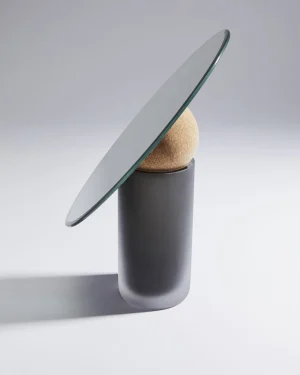
Spegla Crystal – Crystal Glass and Mirror Candle Holder
By Jochen Lavéno Mangelsdorff Studio & Objects
€260 - €290 -
 In stock
Mirror – Astra 30
By Clemence Birot
€409 -
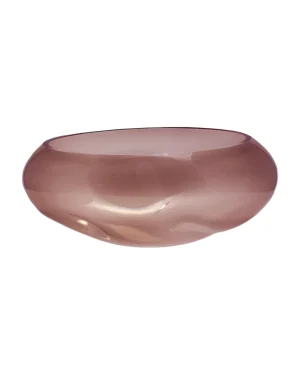
Supernova 1 Bowl – Silver Smoke Red
By ELOA - Unique Lights
€635 - €1.160 -
 In stock
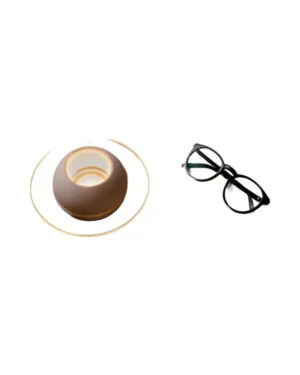
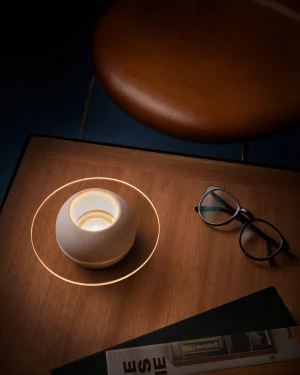
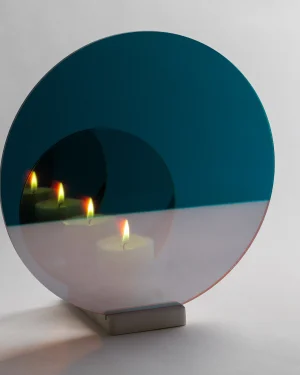
Sfär – Glass and Porcelain Candle Holder
By Jochen Lavéno Mangelsdorff Studio & Objects
€160 -
 In stock
Onnda Flame Concentric Deep Sea – Dichroic Glass Marble
By Catrinel Sabaciag
€210 -

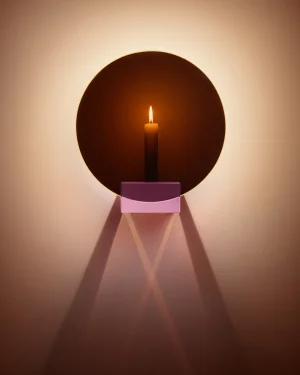
Float Mirror Black #b_31 in Liquid Silver and Glass
By Studio Speculo
€465 -
 In stock
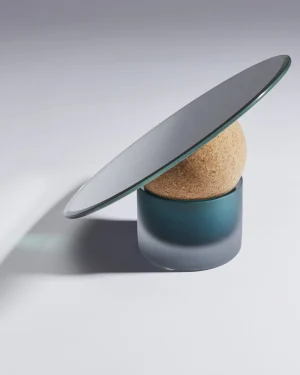
Spegla Wall Edition – Crystal Glass and Mirror Candle Holder
By Jochen Lavéno Mangelsdorff Studio & Objects
€345 - €395 -
 In stock
Mirror – Astra 24
By Clemence Birot
€345 -

Organically Shaped No. 2 – Hand-Blown Glass Vase
By Szkło Studio
€1.400 -

Supernova 4 Silver Smoke Red – Mouth-Blown Glass Vase
By ELOA - Unique Lights
€760 - €1.365 -
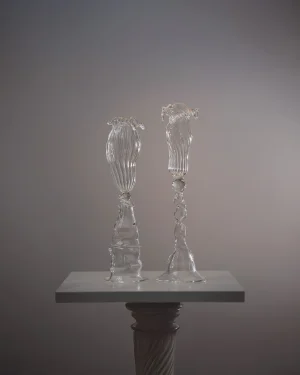
Cariño Set of 2 – Borosilicate Glass Sculpture
By PIA GLASSWORKS
€400 -
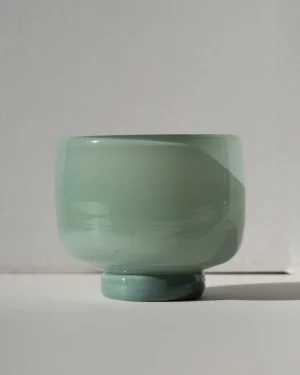
Chawan – Mass-tinted Hand-blown Glass Matcha Bowl
By OOG Objects
€200 -

Citrino Large – Crystal Vase
By Carol Gay
€2.614 -

Black Tourmaline and Quartz Large – Crystal Vase
By Carol Gay
€2.376 -

Bauhaus – Blown Glass and Cumaru Wood Vase
By Carol Gay
€900 -
 In stock
Mirage Mirror 80cmØ
By Anne Nowak
€1.008 -
 In stock
Mirage Golden Rose – Mirrored Glass Wall Art
By Anne Nowak
€600 -
 In stock
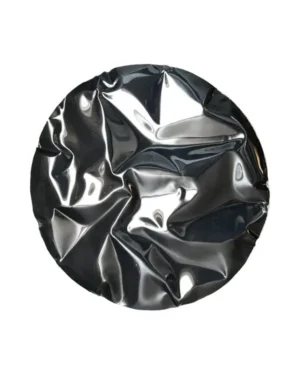
Mirage Silver – Mirrored Glass Wall Art
By Anne Nowak
€600 -
 In stock
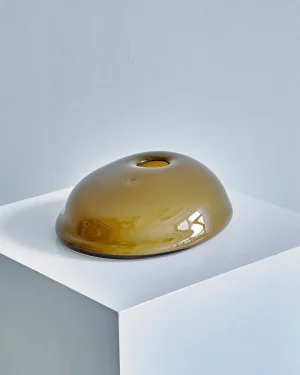
Candy Chocolate Brown – Blown Glass Vase
By Jumbo
€500 -
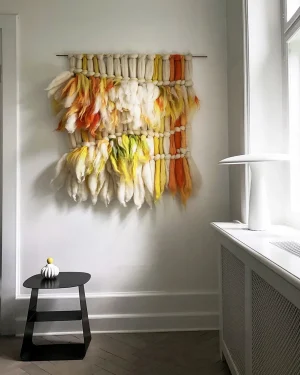
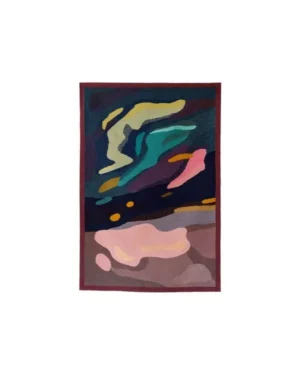
Woolwalls Neon Yellow, Orange and Green – Wool Wall Art
By jeanett knipschildt
€1.224 -
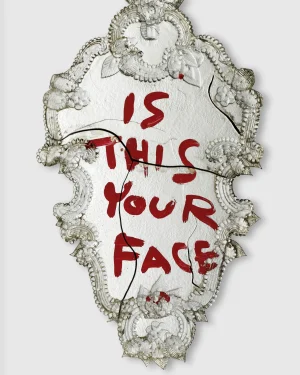
“YOUR FACE” Mirror
By Leo De Carlo
€5.000 -
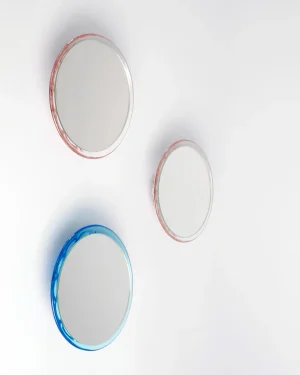 In stock
Set Saturn 155a Ppb – Vintage Wall Mirrors
By Andreas Berlin
€690 -
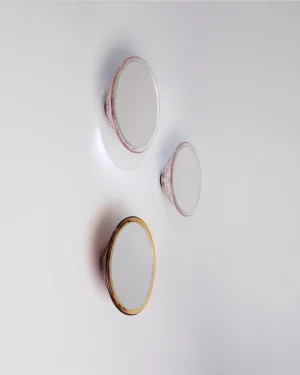 In stock
“set Saturn 155a Ppa” Vintage Wall Mirrors
By Andreas Berlin
€690 -
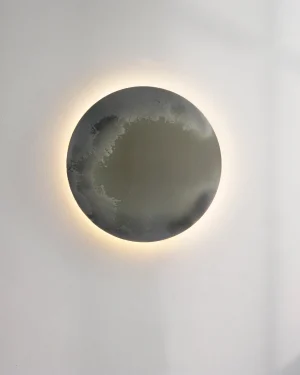 In stock
Moon Mirror Light
By Anne Nowak
€1.140 -
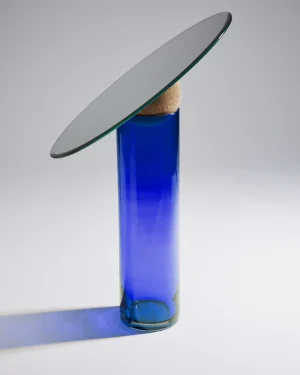 In stock
Mirror – Astra 34 Cobalt
By Clemence Birot
€540 -
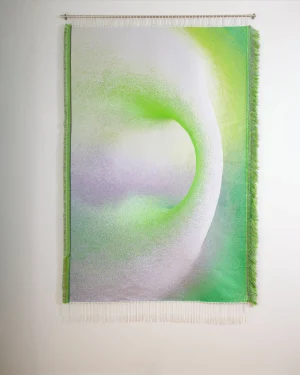
Light Mode 280 Modern Foliage – Polyester Tapestry
By Lucas Gutierrez Studio
€5.850 -
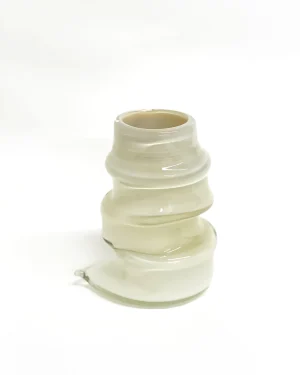
Deflated – Blown Glass Vase
By Sticky Glass
€326 -
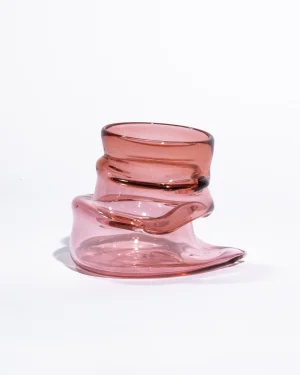 In stock
Deflated Cup
By Sticky Glass
€93 -
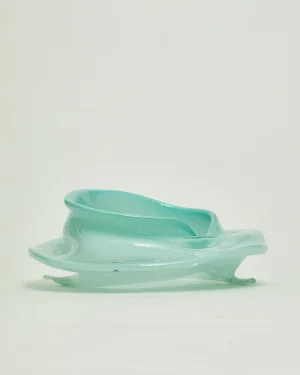 In stock
Deflated Glass Bowl
By Sticky Glass
€327 -
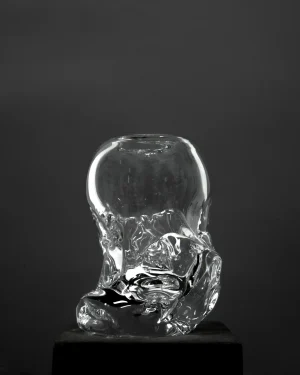
Egg Shaped – Hand-Blown Glass Vase
By Szkło Studio
€1.400 -
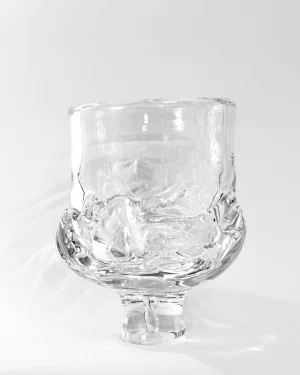
Large Hand-blown Fruit Bowl
By Szkło Studio
€1.800 -
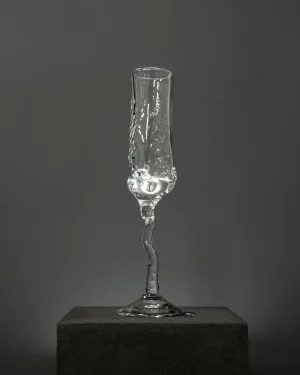 In stock
Organic Flute Champagne Glass
By Szkło Studio
€220 -
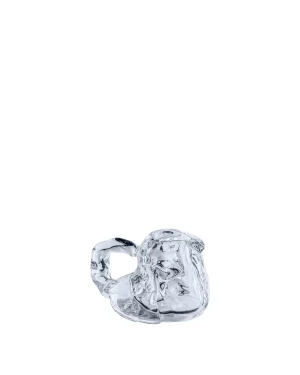
Small Hand-blown Glass Creamer
By Szkło Studio
€250 -
 In stock
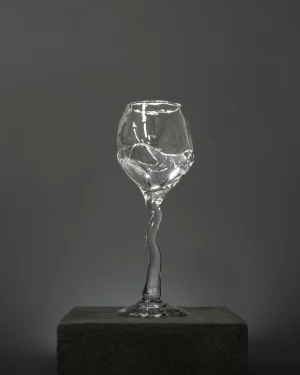
Hand-blown Wine Glass
By Szkło Studio
€220 -
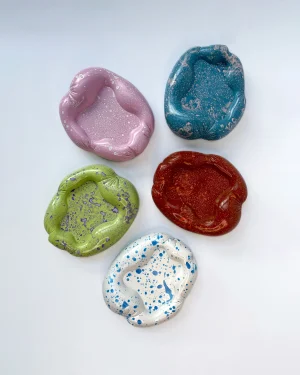
Desktop Swimming Pool – Speckled Jesmonite Tray/catchall
By Craig Barrow
€127 -
 Sold
Combo Mirror – Upcycled Wall Mirror
By Jaclyn Pappalardo
-

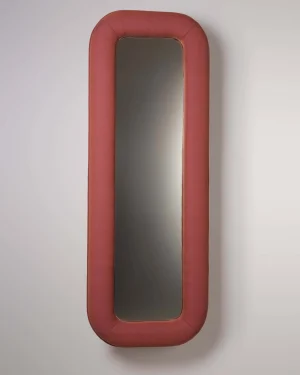
Eros Mirror – Clay Wall Mirror
By Dzovag Kotchian
€860 -
 In stock
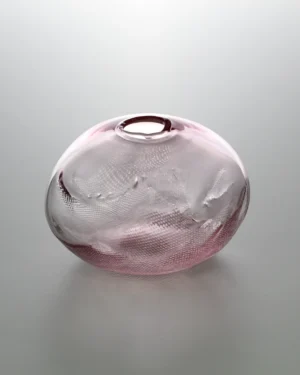
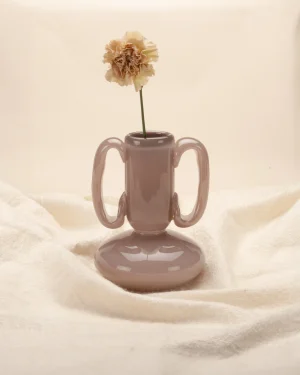
1/2 Ltr Forms Light Pink – Blown Glass Decorative Object
By Vogel Studio
€100 -
 In stock
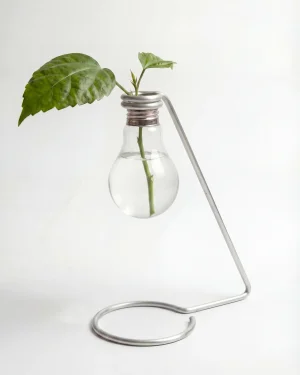
G.01 Vase 02 – Blown Glass Vase
By OOG Objects
€340 -
 In stock
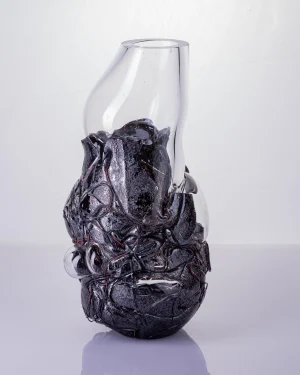
Testikel – Upcycled Glass and Aluminum Bud Vase
By Olle Sahlqvist
€70 - €80 -
 In stock
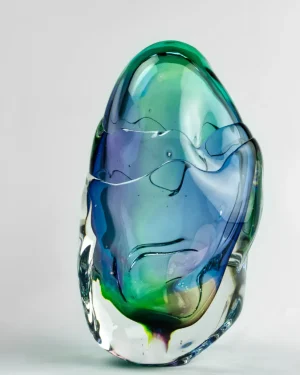
Lava Transparent – Blown Glass and Copper Wire Vase
By Anna Jožová
€1.600 -
Persona – Glass Sculpture
By MILA ZILA
€2.400 -
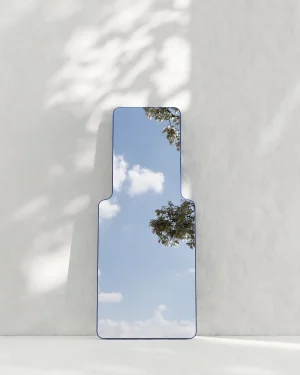
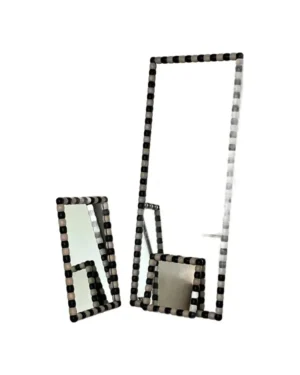
Loveself 03 – Shifted Full Length Mirror
By oitoproducts
€1.455 -
 In stock
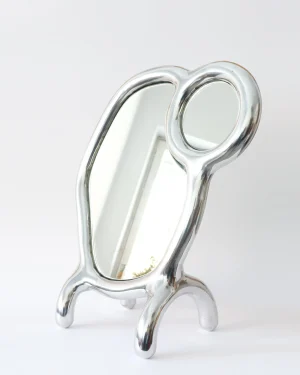
Mi-rr 13
By Studio Speculo
€1.100 -
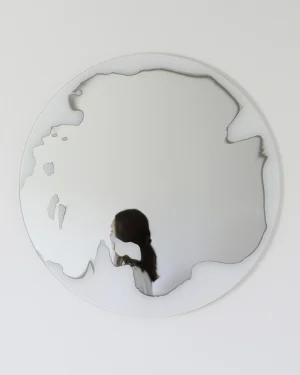
Float Mirror White – Liquid Silver / Glass
By Studio Speculo
€370 -
 In stock
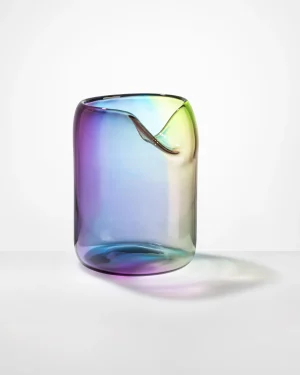
Mind – Blown Glass Vase
By MILA ZILA
€220 - €245 -
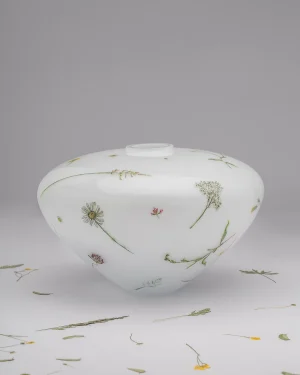
Fleur – Hand-Painted Opal Glass Bud Vase
By Frantisek Jungvirt
€6.900 -
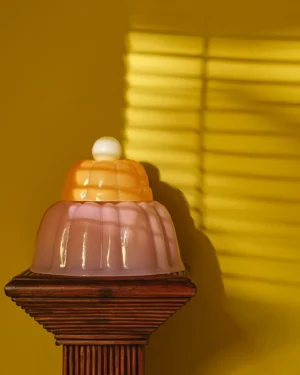
Jello S – Hand-blown Glass Cloche
By STUDIO BERG
€208 -
 In stock
Cup Of Love Ring – Transparent
By PIA GLASSWORKS
€152 -
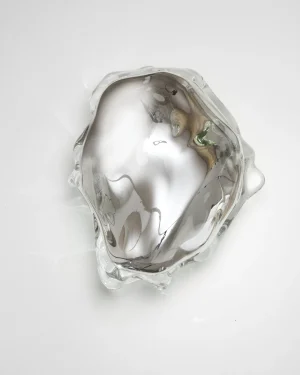
Persona Mirror Sculpture
By MILA ZILA
€2.100 -
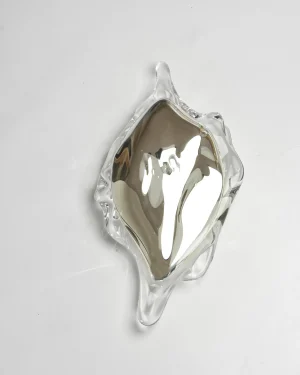
Persona Mirror Sculpture – Small
By MILA ZILA
€1.100 -
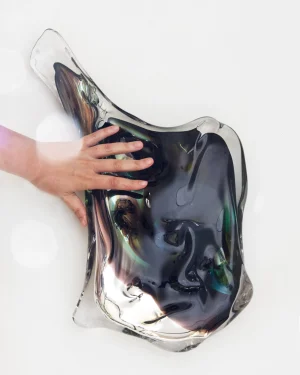
Persona Mirror Sculpture – Multicolour Small
By MILA ZILA
€1.800 -
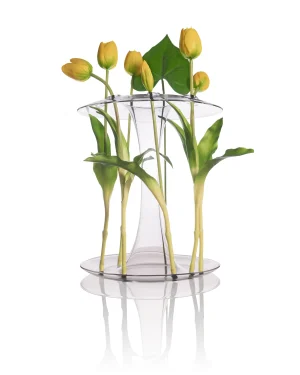 In stock
Aqua – Borosilicate Glass Bud Vase
By KANZ
€156
Glass accessories on ADORNO are objects made from a material that is poured, blown or cast while molten and then cooled into permanent form, shaped by studios working across lampworking, glassblowing, cold working and casting. What ties them together is not a single look but a shared starting point: silica brought to a liquid state, then worked by hand or in small batches before it sets. The result ranges from thin, breathable vessels to dense, weighted sculptural forms.
What defines glass as a material
Glass is transparent or translucent by nature, which means light passes through it, bends around its edges, and changes depending on the hour and the window it sits near. A piece in amber or green glass will throw color across a shelf or tabletop that a solid material never could. Crystal and transparent glass do the opposite, staying nearly invisible except for the way they catch a reflection or a shadow.
Because it starts as a liquid, glass takes forms that other materials resist: thin necks, bulbous bodies, sharp cut facets, or surfaces left with the soft ripples of hand work. It is also brittle in a way that wood or steel is not, so pieces meant to hold weight, like bowls or trays, are generally made thicker at the base and finished with cold working to smooth any sharp edges left by the mold or the pipe.
The range of finishes, colors and techniques
Within glass accessories, the finish does much of the work. Blown glass tends to show subtle variation, a thickness that shifts slightly from one side to another, proof of a human hand guiding air through molten material. Cast and slip-cast pieces read more even and architectural, suited to a Brutalist or Space Age sensibility, while lampworked details bring finer, more ornamental touches closer to Art Deco or Romanticism.
- Colors run from transparent and crystal clear to amber, green, orange, pink, black and light gray, each changing the way a piece reads in daylight versus lamplight.
- Techniques include glassblowing, glass cold working, glass casting, slip casting and lampworking, often combined within a single studio's practice.
- Editions vary from open runs to limited editions and unique pieces, so two objects that look alike at a glance can carry different levels of scarcity.
How to choose a glass accessory
Start with scale. A single glass vessel can anchor a console or a dining table, but a cluster of smaller pieces in related tones often reads more intentional than one object sized to fill a gap. Height matters too: tall, narrow forms suit a floor-adjacent plinth or a sideboard, while low, wide bowls sit naturally at eye level on a coffee table.
Color and transparency decide how much a piece competes with its surroundings. Clear or crystal glass recedes and lets other materials, wood grain, stone veining, lead the room, while amber, green or black glass becomes a focal point on its own. Where a room already carries strong pattern or color, a transparent piece keeps the composition calm; where walls and furniture stay quiet, a tinted piece gives the eye somewhere to land.
These pieces suit dining rooms and kitchens as glass tableware, living rooms and entryways as vessels or glass vases, and bedrooms or studies wherever a small reflective object is welcome on a shelf or desk. For lit pieces built from the same material, glass lighting follows many of the same rules around transparency and color.
Caring for glass
Glass resists staining and does not absorb odor or moisture, which makes it straightforward to keep clean with a soft cloth and mild soap. It does not tolerate sudden temperature swings well, so pieces should move gradually from cold storage to a warm room rather than facing direct heat. Because it is brittle, glass is best placed somewhere it will not be regularly bumped or stacked under other objects.
For the full range of glass accessories and related objects, see every glass piece on ADORNO, or step back to view all accessories across every material.
How do I choose a glass accessory?
Consider whether you want transparency or color, since clear glass reads light and airy while amber, green or black glass carries more visual weight. Blown and cast pieces also differ in surface, one smoother, the other more textured.
How do I care for glass accessories?
Clean with a soft cloth and mild soap, avoiding abrasive pads that can scratch the surface. Keep away from sudden temperature changes, which can cause cracking, and lift rather than drag pieces to prevent chipped edges.
What sizes do glass accessories come in?
Sizes range from small bowls and cups to larger vases and bowls meant to anchor a console or table. For exact dimensions on a specific piece, chat with the maker on the piece's page.
Which rooms suit glass accessories?
Their transparency and reflectivity suit living rooms, dining tables and entryways, where light passing through the material adds depth. Colored or frosted pieces also hold their own on shelving or in bathrooms.
Is glass a durable material for everyday use?
Glass resists staining and does not absorb odors, making it practical for daily use, though it can chip or crack under impact. Cold-worked edges and cast forms tend to hold up well with normal handling.
How does shipping, returns and authenticity work at ADORNO?
Shipping is insured and worldwide, with a 14-day return policy excluding made-to-order pieces. Every piece arrives with a certificate of authenticity, and ADORNO offers a lowest-price guarantee.