
-
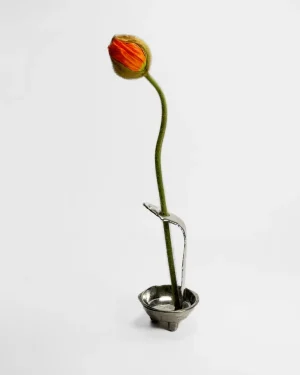
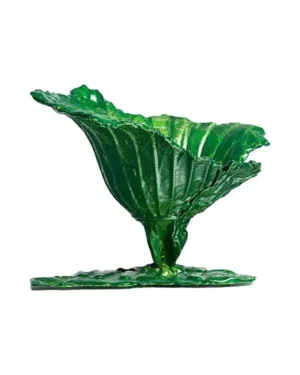
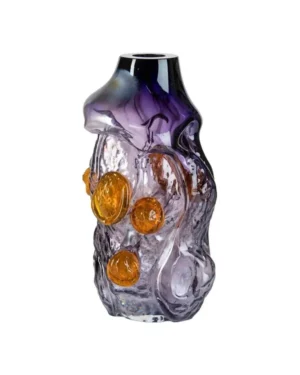
Favorite Vase
By Studio Formbart
€224 -
 In stock
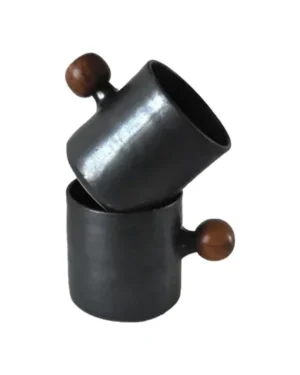
“oro Cacao” Cups
By Tributo
€201 -
 In stock
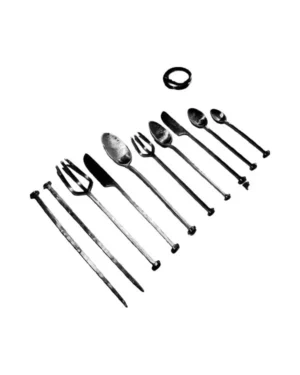
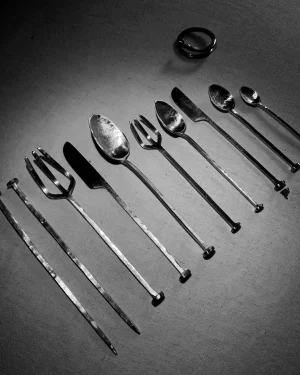
“nail” Full Cutlery Set
By Sebastião Lobo
€200 -
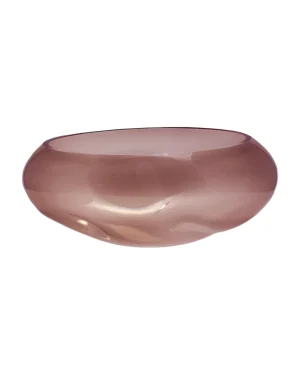
Supernova 1 Bowl – Silver Smoke Red
By ELOA - Unique Lights
€635 - €1.160 This product has multiple variants. The options may be chosen on the product page -
 In stock
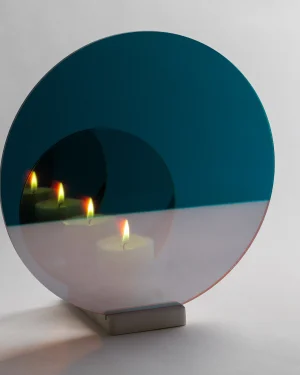
Onnda Flame Concentric Deep Sea – Dichroic Glass Marble
By Catrinel Sabaciag
€210 -
 In stock
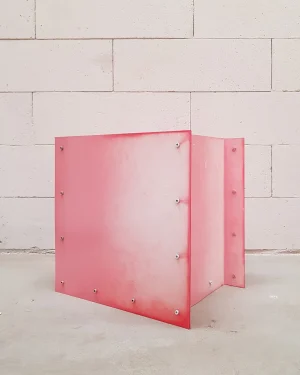
Iron And Steel Life Cabin Vase D
By TUNK I Busra Tunc
€220 -
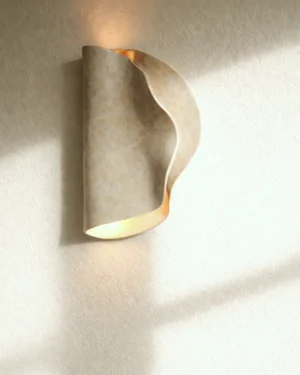
Lamp Shade – Fado
By Joana Vilaça Studio
€790 -
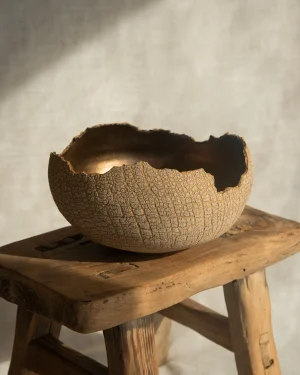
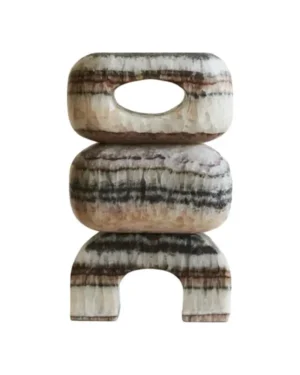
Distressed Sandstone Ikebana Vessel No.1
By Alex Roby Design
€488 -
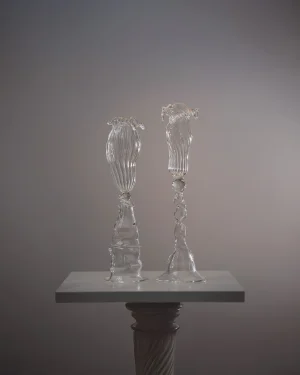
Cariño – Glass Sculptures
By PIA GLASSWORKS
€400 -

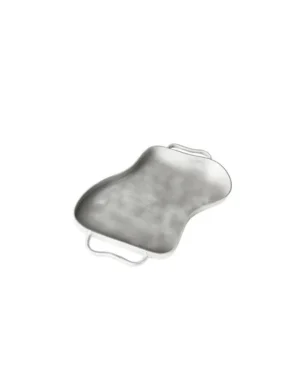
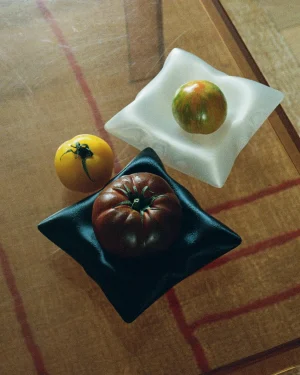
Aluminum Sculptural Bowl
By Six Dots Design
€65 - €90 This product has multiple variants. The options may be chosen on the product page -
 In stock
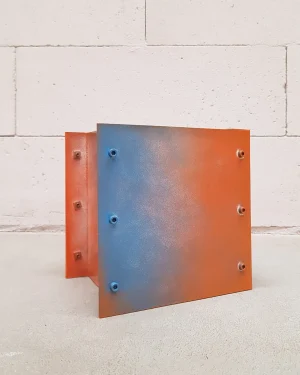
Pillow Tray – 3d Printed Recycled Plastic
By 91-92
€21 - €44 This product has multiple variants. The options may be chosen on the product page -
 In stock
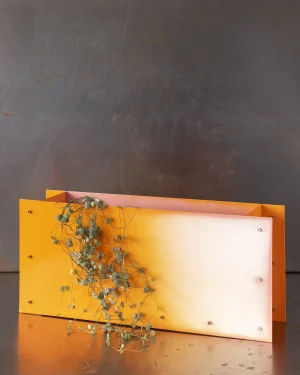
Iron And Steel Life Cabin Vase A
By TUNK I Busra Tunc
€140 -
 In stock
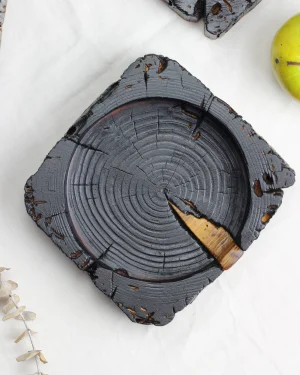
Iron And Steel Life Cabin Vase C
By TUNK I Busra Tunc
€180 -
 In stock
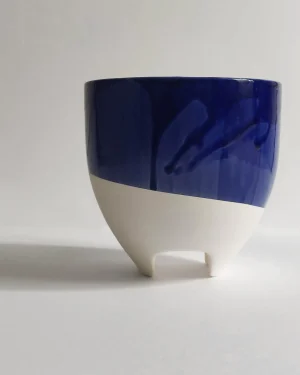
Bruciata Wooden Tray
By Gábor Góbi
€189 -
 In stock
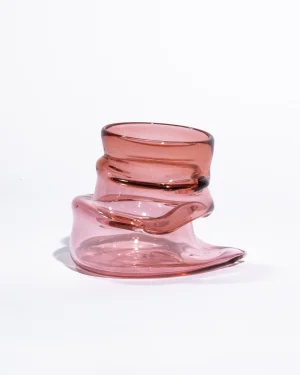
Geta – Porcelain Pot
By Clemence Birot
€110 -
 In stock
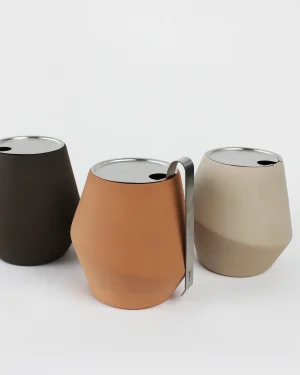
Deflated Cup
By Sticky Glass
€93 This product has multiple variants. The options may be chosen on the product page -
 In stock
Ice Bucket – Clay Cooler
By Twelve Degrees
€220 This product has multiple variants. The options may be chosen on the product page -
 In stock
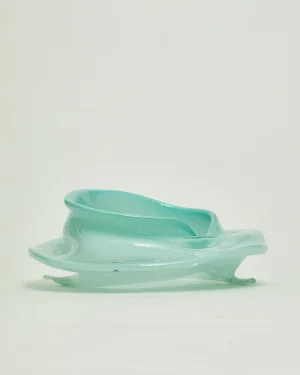
Deflated Glass Bowl
By Sticky Glass
€327 This product has multiple variants. The options may be chosen on the product page -
 In stock
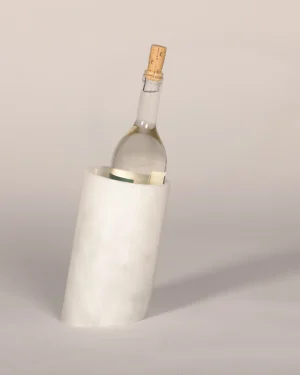
Botella – White Marble Bottle Holder
By Studio Mohs
€235 -
 In stock
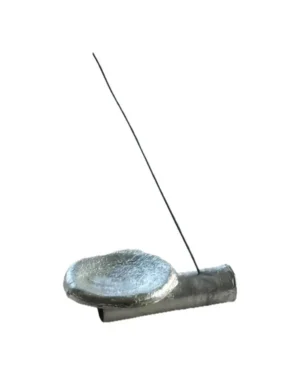
Diya – Incense Burner
By Twelve Degrees
€230 This product has multiple variants. The options may be chosen on the product page -

Round We Go – Porcelain Vase Small
By Liquid Void Studio
€45 -
 In stock
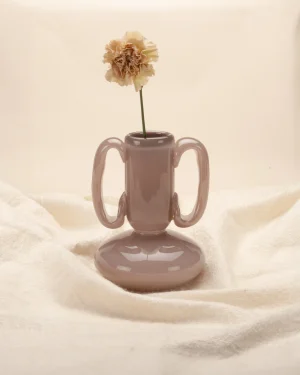
Betonschüssel – Concrete Bowl
By clasik.studio
€45 This product has multiple variants. The options may be chosen on the product page -
 In stock
Hand-blown Glass Vase 02
By OOG Objects
€340 -
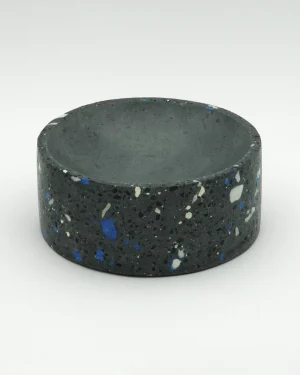 In stock
Escudela 01 – Medium Terrazzo Bowl
By Pierre Klein
€150 This product has multiple variants. The options may be chosen on the product page -
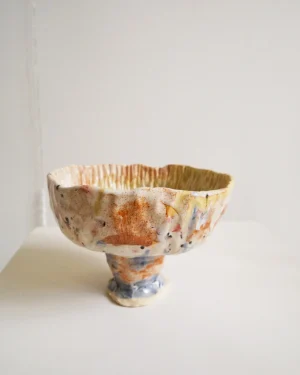 In stock
Naive Series- Multi-coloured Tones Vessel
By Hania Jneid Design Studio
€650 This product has multiple variants. The options may be chosen on the product page -
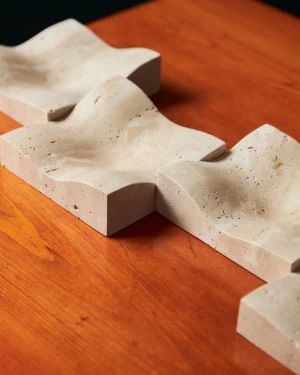 In stock
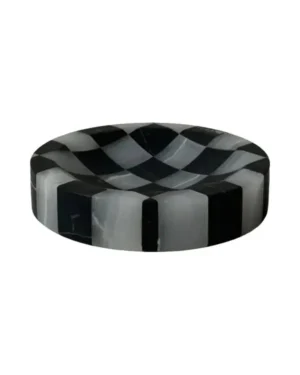
Ashen – Marble Ashtray / Catch All Tray
By Boo Design Studio
€162 -
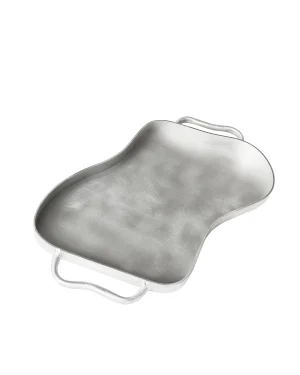
Aluminum Serving Tray
By Six Dots Design
€425 -

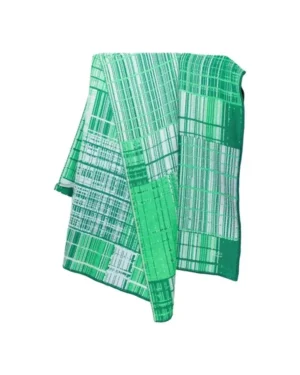
The Paper Towel Keeper
By ilan
€185 This product has multiple variants. The options may be chosen on the product page -
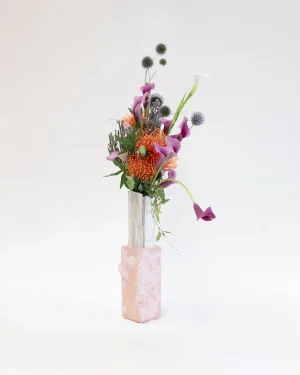 In stock
Pintrapòts – Stoneware Vase
By Pierre Klein
€380 -
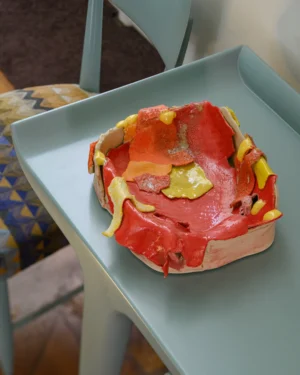
Estudi 03 – Tray
By Pierre Klein
€330 -
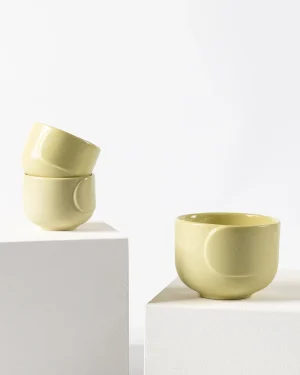
Phantom Cup_lemon Yellow
By narratology
€98 - €130 This product has multiple variants. The options may be chosen on the product page -

Supernova 2 Vase – Steel Blue
By ELOA - Unique Lights
€760 - €1.365 This product has multiple variants. The options may be chosen on the product page -
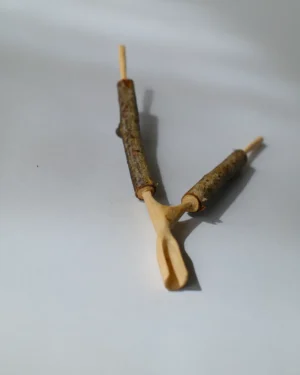 In stock
Birke – B6
By Louise Hurth
€45 -

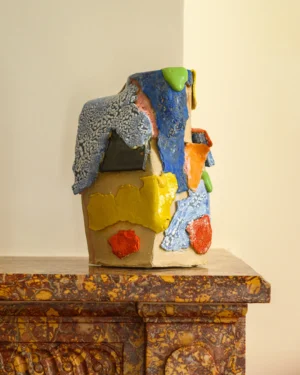
Desca 01 – Plaster Vessel
By Pierre Klein
€520 This product has multiple variants. The options may be chosen on the product page -
 In stock
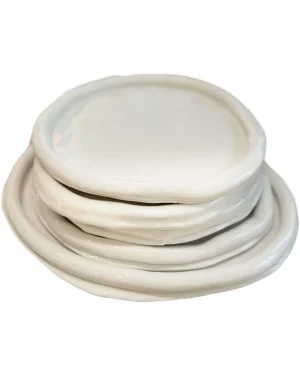
Estudi 02 – Vase
By Pierre Klein
€400 -
 In stock
White Porcelain Dinner Plate
By Hania Jneid Design Studio
€75 -
 In stock
Glass Spoon
By NOSTUDIO
€15 - €28 This product has multiple variants. The options may be chosen on the product page -
 In stock
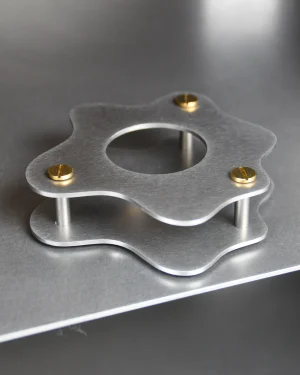
Egg40 – Matte Stainless Steel Egg Cup
By MLK Furniture
€190 -
 In stock
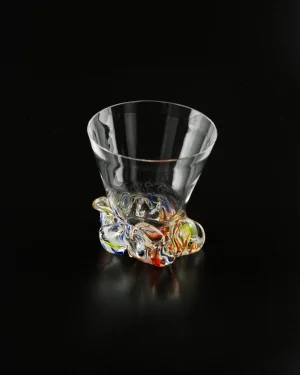
Persona Glass Multicolour
By MILA ZILA
€120 -
 In stock
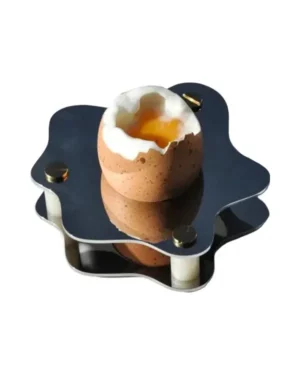
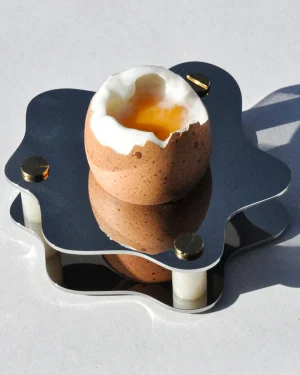
Egg40 – Mirror Stainless Steel Egg Cup
By MLK Furniture
€290 -

The Front – Stainless Steel Shelf
By COSEINCORSO
€1.410 -
 In stock
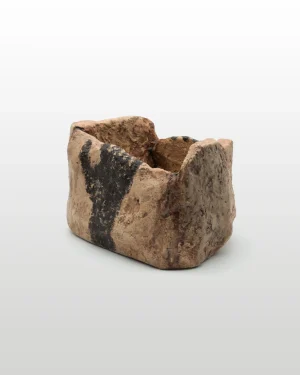
Alu – Aluminum Vase
By 304.cage
€2.200 -
 In stock
La Cauna – Cafaròt 03 Bowl
By Pierre Klein
€550 -

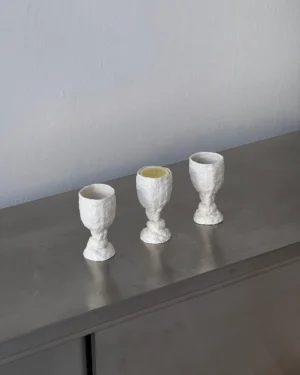
Stackrack
By FlatFlat
€172 -
 In stock
Lemon–split–twist Cup
By David Čáp
€58 - €182 This product has multiple variants. The options may be chosen on the product page -
 In stock
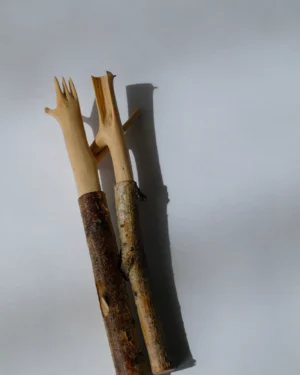
Mortero – Decorative Volcanic Stone Bowl
By ANDEAN
€448 -
 In stock
Birke – B4
By Louise Hurth
€90 -
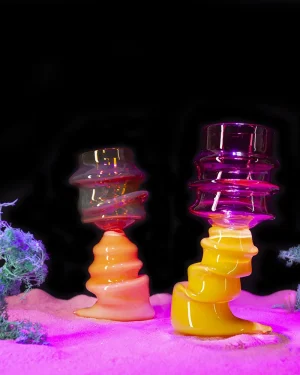 In stock
Deflated Mouth blown Glass Goblet
By Sticky Glass
€330 This product has multiple variants. The options may be chosen on the product page -

Makemake Vase & Bowl – Purple
By ELOA - Unique Lights
€840 - €1.080 This product has multiple variants. The options may be chosen on the product page -
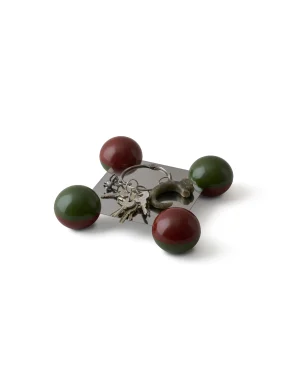 In stock
Ball Tray Collection – Casted Resin /Stainless Steel
By 304.cage
€400 This product has multiple variants. The options may be chosen on the product page -

The Knife Rack
By ilan
€280 This product has multiple variants. The options may be chosen on the product page -
 In stock
Galéa – Eggcup
By Errance.
€25 -
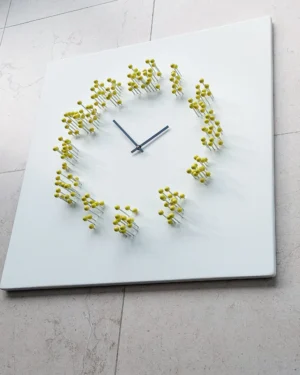 In stock
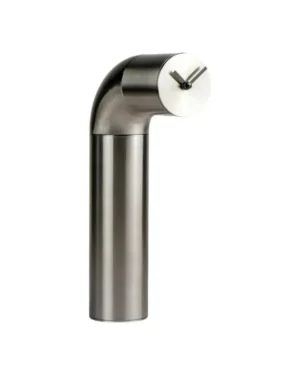
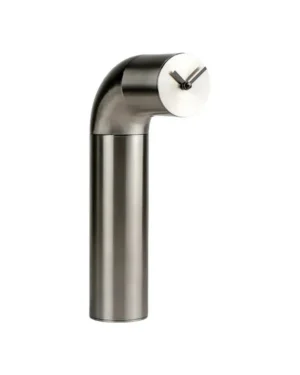
“mocap” Illusionistic Wall Clock White/yellow
By JAN PAUL
€683 -

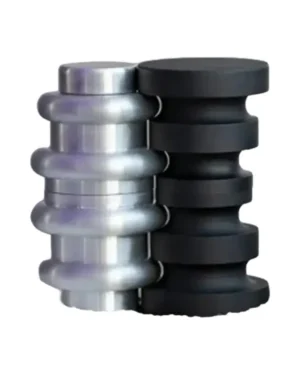
Fos Deco 06 – Salt & Pepper Shakers
By Daniel Orozco Estudio
€75 This product has multiple variants. The options may be chosen on the product page
Kitchen accessories on ADORNO gather the small objects that take the daily weight of cooking and serving: blown glass vessels, stoneware jars, glazed porcelain bowls and steel pieces, each one made by an independent studio working close to the material rather than on a factory line. What defines them is contact, with food, with heat, with hands, so the body of the material and the way it is finished matter as much as the shape.
What the material does
Stoneware and ceramic account for most of what sits on a kitchen counter, because clay takes a glaze well and holds heat without transferring it straight to the hand. A glaze can be glossy or matte, and it is the glaze, not the clay underneath, that decides whether a bowl stains with turmeric or wipes clean. Marble pieces carry their own veining, cool to the touch, but porous enough to mark with wine or oil over time, which is less a flaw than a record of use.
Stainless steel pieces, built by metalwork, resist corrosion and are made to outlast the pots around them. Blown glass, the most common single material here, brings transparency and a slight unevenness, since each piece is shaped while hot and never comes out quite identical to the last.
The range on ADORNO
The kitchen pieces found across the category move through stoneware, terrazzo, ceramic, clay, marble, blown glass and steel, finished in glaze, concrete casting, terrazzo making, wheel throwing, stone carving, hand-building and glassblowing. Color runs from white, light gray and black through cobalt blue, amber, aqua green and multicolor glazes, and style ranges from brutalist and radical to boho chic, coastal and contemporary. Editions vary too: some objects are produced in open runs, others as limited editions or unique pieces where no two will match exactly.
For a fuller view of what is made in these materials and techniques, the wider accessories range covers vases, trays and other objects beyond the kitchen, while everything gathered specifically for this room sits under kitchen pieces on ADORNO.
How to choose a piece
Scale against the counter or shelf it will occupy first: a board or bowl should leave room to work around it, not crowd a cutting surface. Height matters for pitchers and canisters meant to sit under a cabinet, and for tools, the length of a handle decides whether it clears the rim of a pot comfortably.
- Match the finish to use: glossy glaze for anything that meets acid or oil daily, raw stoneware or unglazed clay for dry storage only.
- Pick a color that holds against a busy counter rather than disappearing into it, or one quiet enough to let food and ingredients stand out.
- Decide whether a one-off piece, with its small variations, sits better in the kitchen than a matched open-edition set.
Anyone building out tableware alongside these objects can look at kitchen tableware, while smaller finishing touches for shelves and counters sit under kitchen decor. Those drawn specifically to clay and glaze work can go straight to ceramic accessories.
Care by material
Unglazed stoneware and raw clay should stay dry and away from the dishwasher, since water works into the surface and weakens it over repeated cycles. Marble asks for a quick wipe after contact with wine, citrus or oil, and an occasional sealant keeps staining at bay without changing the stone's look. Steel wants a dry cloth rather than prolonged soaking, and blown glass, being handmade and therefore slightly uneven in thickness, is best washed by hand rather than run through a machine built for uniform shapes. Treated this way, kitchen accessories in any of these materials earn the marks of daily use rather than wearing out from it.
How do I choose kitchen accessories?
Start with how a piece will be used, whether for serving, storage or display, then match material to that use. Stoneware and glazed ceramic suit daily handling, while blown glass and marble lean toward occasional or decorative use.
How do I care for ceramic and stoneware kitchen pieces?
Hand wash glazed stoneware and ceramic to protect the glaze, and avoid sudden temperature changes that can cause cracking. Unglazed clay stays porous and can stain, so wipe it dry rather than soaking it.
Does marble need special care in the kitchen?
Marble is porous and can stain or etch from acidic foods like citrus or vinegar, so wipe spills quickly and avoid harsh cleaners. A light sealant applied occasionally helps it hold its color.
What size are kitchen accessories?
Sizes range from small dishes and utensil holders to larger bowls, trays and vessels meant to anchor a counter or table. The maker can confirm exact dimensions through Chat with the maker on the piece's page.
Can kitchen accessories be used in other rooms?
Yes, bowls, trays and vessels made for the kitchen often work equally well in a dining room or on a console, since their materials and forms are not strictly functional.
How does shipping, returns and authenticity work at ADORNO?
Shipping is insured and worldwide. Returns are accepted within 14 days, except for made-to-order pieces, and every piece arrives with a certificate of authenticity, backed by a lowest-price guarantee.