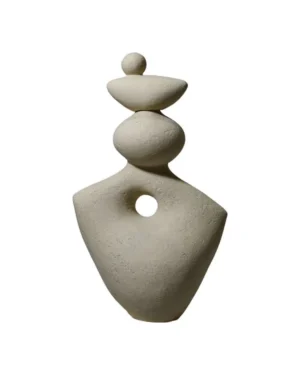
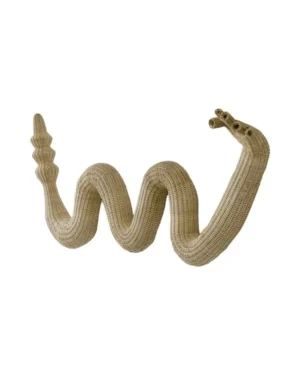
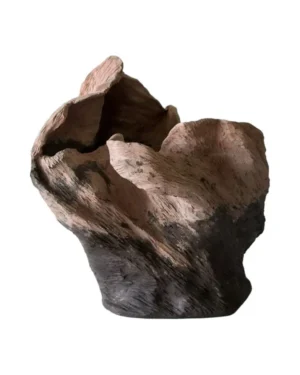
-
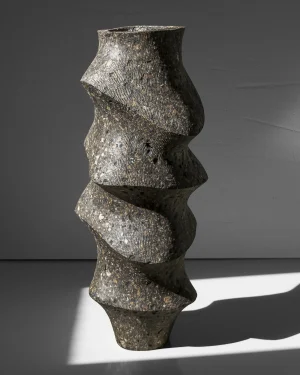
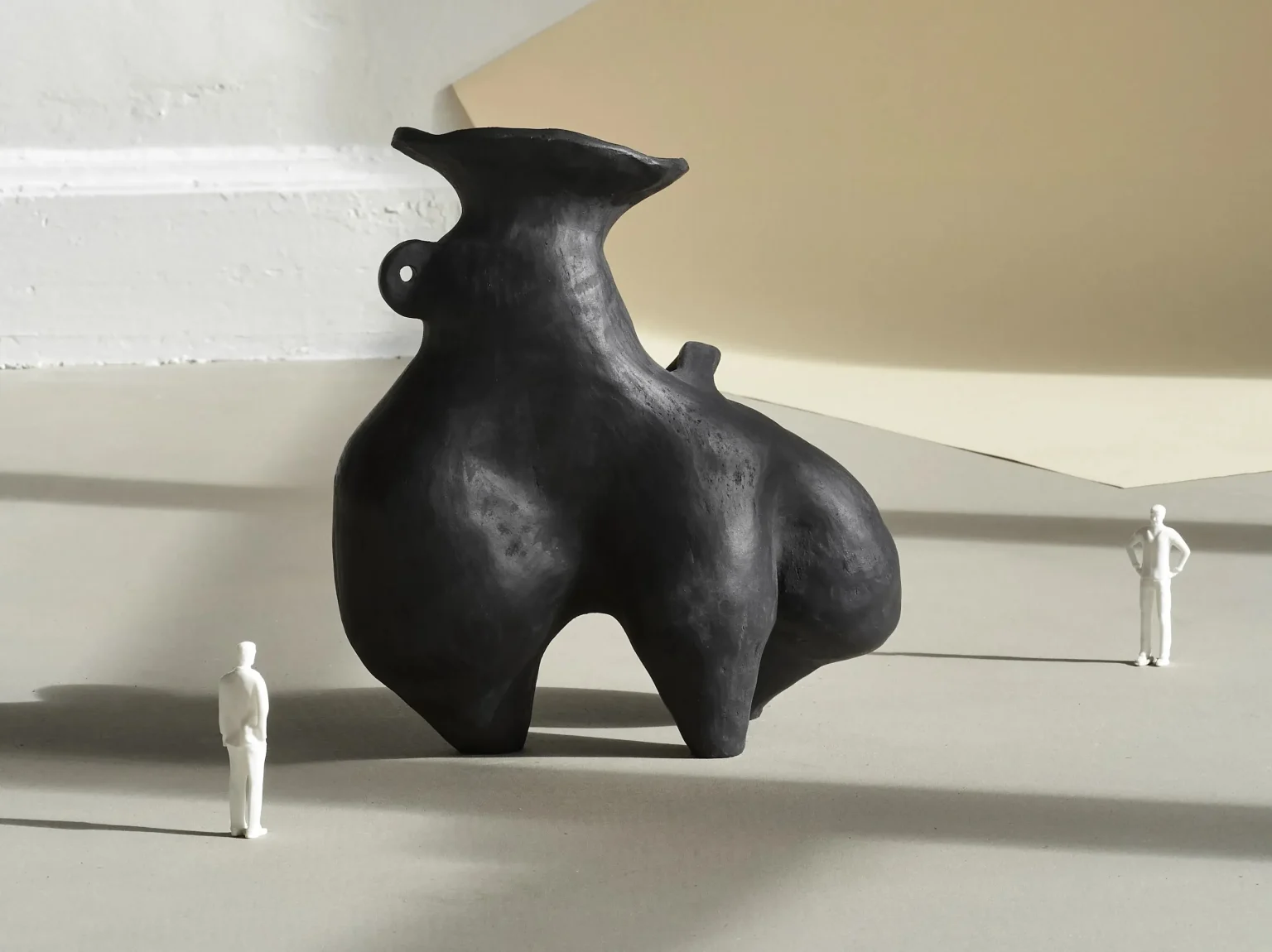
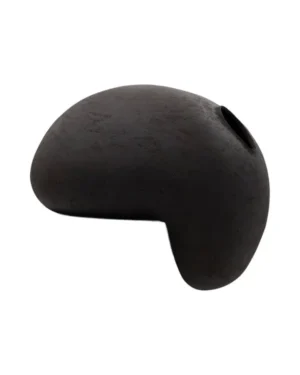
Large Floor Vase, Brutalist Concrete-look Sculpture
By Donatas Žukauskas
€1.450 -
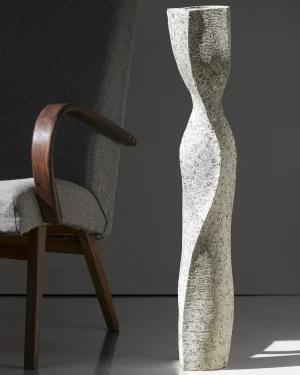
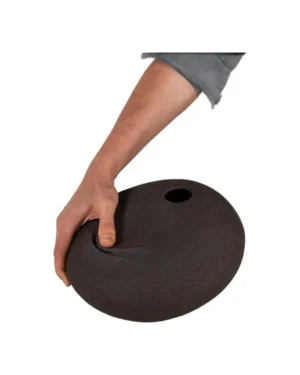
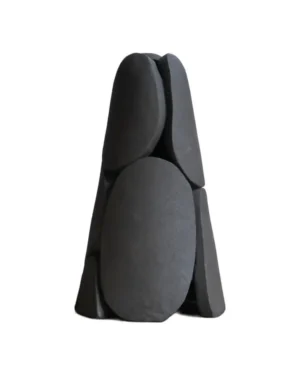
Column Tall Twisted Sculptural Vase, Brutalist Textured Floor Vase
By Donatas Žukauskas
€860 -
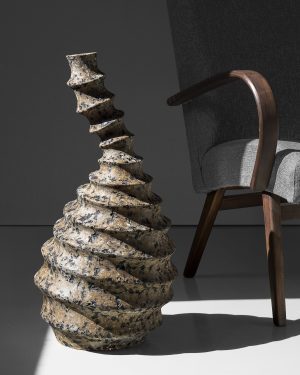
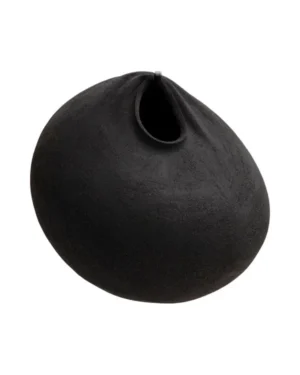
Solid Beige Stone Floor Vase – Erosion Series In Cast Stone By Donatas Zukauskas
By Donatas Žukauskas
€1.450 -
 In stock
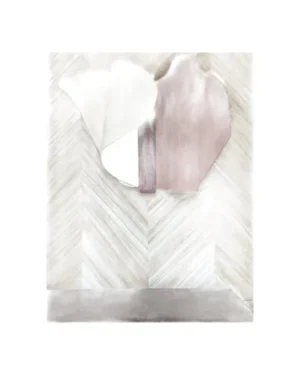
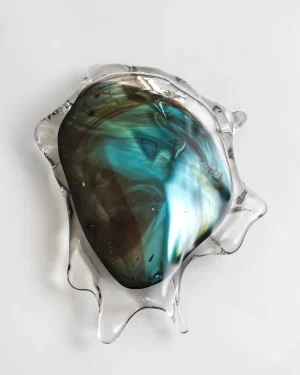
Persona Mirror Sculpture – Multicolour
By MILA ZILA
€2.100 -
 In stock
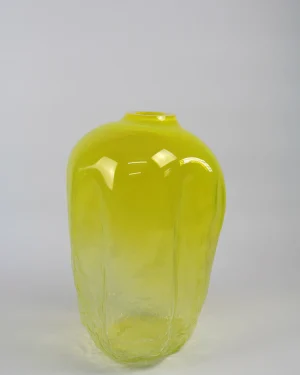
Sand Series – Narcissus Handmade Glass Object
By Vogel Studio
€1.150 -
 In stock
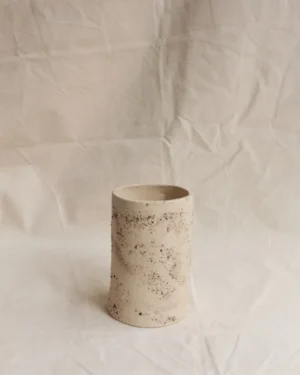
Cylinder Vessel 02
By Valentine Benoist Ceramics
€1.180 -

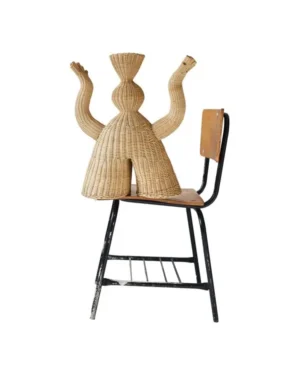
Nc Hongo Baby Totem
By Daniel Orozco Estudio
€407 -
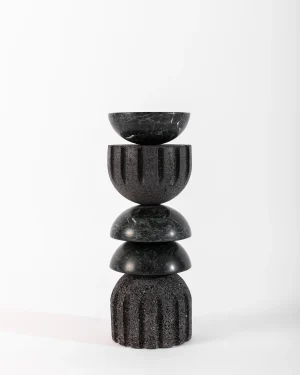
ZM Tikal Sculpture
By Daniel Orozco Estudio
€1.925 -
 In stock
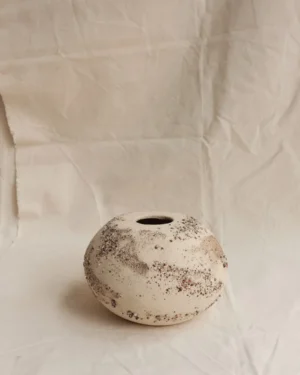
Globe Vessel 01
By Valentine Benoist Ceramics
€1.250 -
 In stock
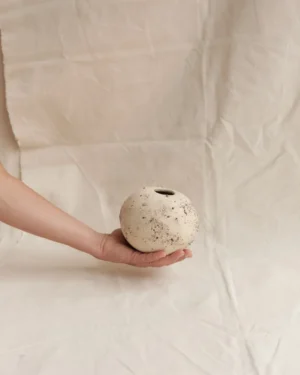
Globe Vessel 02
By Valentine Benoist Ceramics
€980 -
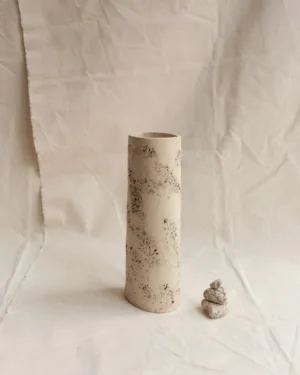 In stock
Cylinder Vessel 01
By Valentine Benoist Ceramics
€1.300
Bathroom sculptures are small works made to hold their own against water, steam and tile, pieces in ceramic, stoneware, glazed clay, cast glass or carved stone that bring a point of view into a room usually left to function alone. They come from independent studios working in hand-building, coiling, glassblowing, stone carving and concrete casting, each technique leaving its own trace on the surface. What unites them is scale rather than subject: objects sized for a shelf, a windowsill or the edge of a tub, not a plinth.
What defines a bathroom sculpture
Material comes first. Stoneware and white stoneware fire to a dense, chip-resistant body that tolerates damp air without absorbing it, especially once glazed. Natural stone and granite carry weight and a cool, mineral surface that reads as permanent. Blown glass and paper pulp sit at the other end, lighter in hand, translucent or matte, built through breath or layered fiber rather than fire.
Form follows from process. Coiled and hand-built ceramic pieces often keep a visible seam or irregular wall, evidence of the hand rather than a mold. Stone-carved and concrete-cast works tend toward geometric, reductive shapes, since both techniques resist fine detail and reward mass. Glassblowing produces rounded, continuous forms that catch light rather than block it.
The range of finishes, styles and editions
Finishes run from matte and glazed stoneware to glossy or clear glass, with beige, black, silver and multicolor surfaces covering most of what shows up in a bathroom. Stylistically the range spans minimalist and wabi-sabi objects, which leave material and imperfection visible, through to brutalist and maximalist pieces built on contrast, scale or color. Some studios work toward open editions, repeating a form with small variation; others produce unique pieces, where no two works share exact proportions or glaze.
For a closer look at specific bodies, ceramic sculptures and stoneware sculptures show how glaze and firing shift the same basic material toward very different surfaces, while unique sculptures covers the one-off end of the range.
Choosing a piece for a bathroom
Scale matters more here than in a living room, since a bathroom sculpture is usually seen up close and from one angle. A piece meant for a vanity or windowsill should sit comfortably within reach without crowding taps, soap or towels. Height and footprint decide placement as much as subject: a tall, narrow form reads well on a shelf, while a low, wide one holds its ground on a floor or stool.
- Match finish to humidity: glazed stoneware and sealed stone tolerate splashes better than raw, unglazed clay.
- Keep scale modest near sinks and tubs, where steam and movement are constant.
- Let color answer the tile or fixtures already in the room, rather than compete with both.
Living with stone, ceramic and glass in a damp room
Glazed ceramic and stoneware wipe clean with a damp cloth and need no sealing, though a sudden drop in temperature can stress the glaze over time. Natural stone and granite resist water but can stain if left wet or in contact with soap residue, so a dry wipe after use keeps the surface even. Blown glass asks only for care in handling, since its strength lies in form rather than thickness.
Bathroom sculptures sit alongside a wider set of pieces made for the same room, from bathroom decor objects to the full range on every bathroom piece on ADORNO, and within the broader sculpture category they remain some of the smallest, most material-driven works on offer.
How do I choose a sculpture for a bathroom?
Pick a material that tolerates humidity, such as glazed ceramic, stoneware, or dense stone, and a form sized to clear counters and ledges without crowding them. Let the piece hold its own against tile and fittings rather than compete with them.
What materials are bathroom sculptures made from and how do I care for them?
Most are glazed ceramic, stoneware, cast or blown glass, or carved stone, all suited to damp air. Wipe with a soft, dry cloth, avoid harsh cleaners on unglazed surfaces, and keep carved stone away from standing water to prevent staining.
What size sculpture works in a bathroom?
Scale depends on where it sits: smaller forms suit vanities and shelves, while larger stone or ceramic pieces hold a floor corner or windowsill. Check exact dimensions on the piece's page before ordering.
Can a bathroom sculpture go in other rooms too?
Yes. The same ceramic, glass, and stone forms read just as well on a console, bookshelf, or windowsill elsewhere, since their materials and finishes are not specific to wet rooms.
Are bathroom sculptures one-off pieces or made in editions?
Both exist across the range, from unique, hand-finished pieces to open editions worked in repeatable studio processes. Each piece's page states which applies.
How does shipping, returns, and authenticity work when I order from ADORNO?
Shipping is insured and worldwide. Returns are accepted within 14 days, except for made-to-order pieces. Every order includes a certificate of authenticity, and ADORNO guarantees the lowest price.