









-
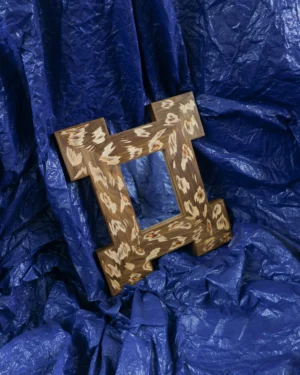
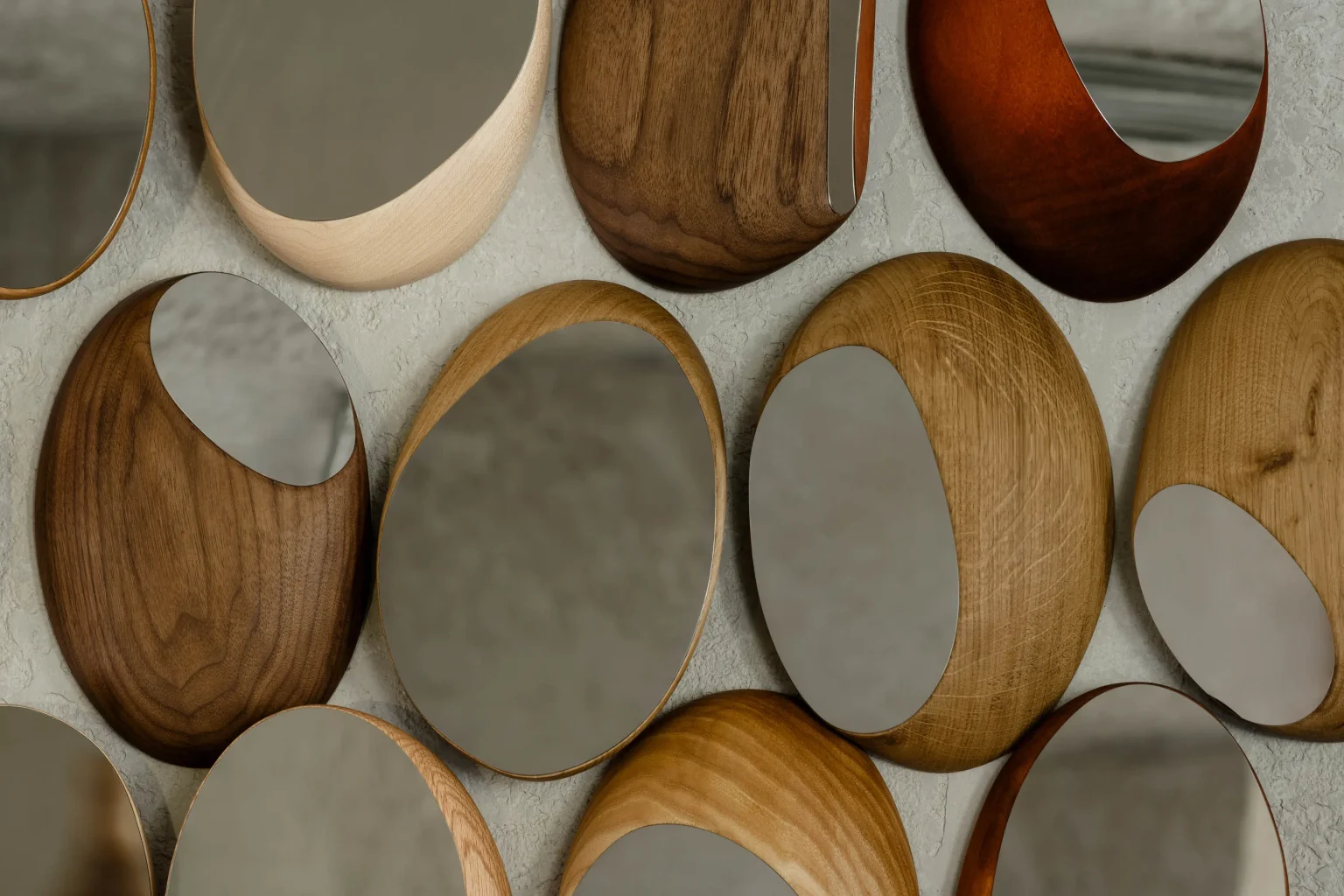
Acid Mirror, Carved Walnut Veneer
By Josh Page Studio
€430 - €610 This product has multiple variants. The options may be chosen on the product page -
 In stock
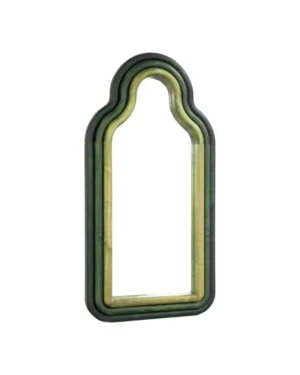
De Vita Ad Vitam: The Mirror As A Philosophical Object
By Yury Goncharov
€9.600 -

Walnut Mirror B — Ves
By Anna Bera
€659 -
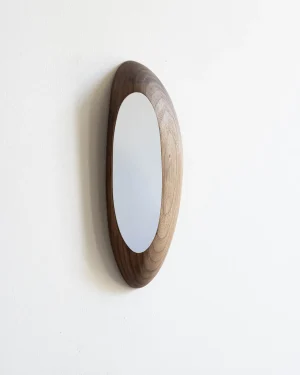
Walnut Mirror A — Ves
By Anna Bera
€659 -

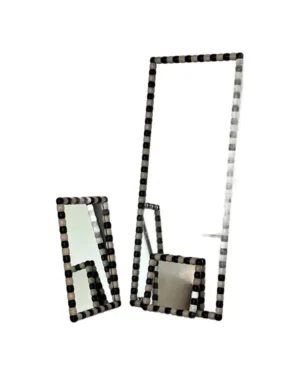
Bistrò Reflections Floor Mirror
By Toro Manifesto
€6.200 -

Walnut Mirror E2 — Ves
By Anna Bera
€777 -

Walnut Mirror D — Ves
By Anna Bera
€659 -
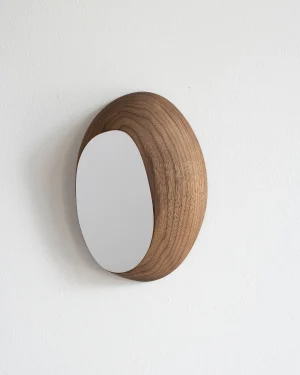
Walnut Mirror F — Ves
By Anna Bera
€659 -

Walnut Mirror F2 — Ves
By Anna Bera
€777 -
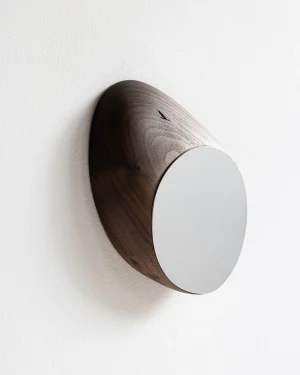
Walnut Mirror E — Ves
By Anna Bera
€706
Walnut mirrors pair a dense, close-grained hardwood frame with a glass or mirrored surface, and the studios working in this material favor it for its warm brown tone and its resistance to warping. Some frames are solid wood, turned or carved by hand; others rely on veneering over a lighter substrate to stretch a limited supply of timber further. Either way, the wood darkens and deepens in color over years of light exposure, so a walnut mirror tends to look richer with age rather than worn.
What defines a walnut mirror
Walnut sits toward the darker end of the wood spectrum, with a grain that ranges from straight and even to wildly figured depending on where the tree grew and how it was cut. Cabinetmakers prize it because it machines cleanly and holds fine detail, which is why frames in this wood often carry rounded edges, beveled profiles or subtle carving that a softer species would chip on. The color reads as brown rather than red or gray, and it sits comfortably with the beige and neutral tones common in contemporary rooms.
Frames, finishes and ways of making
Within the wider range of wooden mirrors on ADORNO, walnut sits alongside elm and birch as one of the species studios turn to most. Framing techniques vary: some makers build frames through traditional wood and cabinetmaking joinery, others apply thin walnut veneer over a stable core, and a smaller number carve the wood directly to shape the reflective opening. Metalwork sometimes enters as a steel or polished steel backing plate or stand, giving a neo-industrial or mid-century modern mirror a harder edge against the wood's warmth.
Editions differ by studio. Some frames are produced as open editions and remain part of a maker's ongoing range, while others are limited editions or unique pieces, shaped individually and not repeated. Either way, the wood itself is never uniform, since grain and color shift slightly from one board to the next.
Choosing the right size and placement
Scale matters more with a wood frame than with a plain glass one, since the frame itself reads as a piece of furniture. A narrow profile suits a hallway or a small wall where the mirror needs to reflect light without crowding the space, while a thicker, carved frame can anchor a larger wall on its own. Hanging height follows the same logic as any wall mirror: the center should sit roughly at eye level for the room's main use, lower in an entryway, higher above a console or sideboard.
- For a bathroom, choose a frame with a sealed or lacquered finish that can tolerate humidity.
- For a bedroom or living room, an open-grain or oiled finish shows the wood's texture more directly.
- For a narrow entry, a slim vertical frame carries less visual weight than a wide round one.
Where walnut mirrors work best
The warmth of walnut suits rooms built around wood tones, leather and natural textiles, which is why it turns up often in eclectic and boho chic interiors as well as more restrained mid-century modern ones. Paired with other walnut accessories or with walnut furniture nearby, a mirror in the same species ties a room together without matching it exactly, since no two walnut pieces carry identical grain. Against lighter oak or painted walls, the darker frame reads as a deliberate accent rather than a filler object.
Caring for a walnut frame
Solid and veneered walnut both respond to the same basic care: keep frames away from direct, prolonged sun, which fades the color unevenly, and away from radiators or damp walls, which can cause movement or lifting at the joints. A dry or barely damp cloth is usually enough for dusting; avoid soaking the wood or using household glass sprays directly on the frame. An occasional pass with a wood-appropriate oil or wax keeps an unlacquered finish from drying out.
For the full range of frame materials and finishes, the mirrors category covers glass, metal and wood together, while every walnut piece on ADORNO spans mirrors, seating and tables worked in the same timber.
How do I choose a walnut mirror?
Consider the frame width and grain pattern against your wall, and whether the finish is oiled or lacquered. A thicker frame carries more visual weight, while a slim frame reads lighter against the wall.
How do you care for a walnut mirror frame?
Dust with a dry or slightly damp cloth, and keep walnut away from direct heat and prolonged sun, which dry the wood and shift its color over time. Occasional oiling keeps the grain from drying out.
What size mirror should I choose, and how high should it hang?
Center the mirror so its middle sits roughly at eye level, about 60 to 65 inches from the floor, adjusting for ceiling height and the furniture it hangs above.
Which rooms suit a walnut mirror?
Walnut's warm, reddish-brown tone suits entryways, living rooms and bedrooms, anywhere the wood can sit away from steady moisture, which rules out direct placement over a shower.
Is shipping insured, and what if I need to return a walnut mirror?
Shipping is insured and worldwide. Pieces can be returned within 14 days, except made-to-order mirrors, which are excluded from that policy.
How do I know a walnut mirror is authentic, and can I order a custom size?
Every piece ships with a certificate of authenticity. For custom sizing or finish questions, chat with the maker directly on the piece's page.