





-
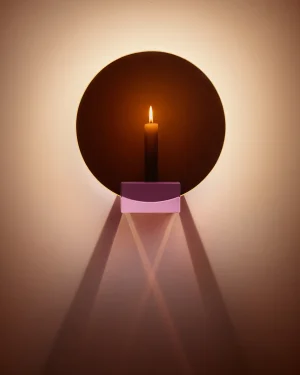 In stock
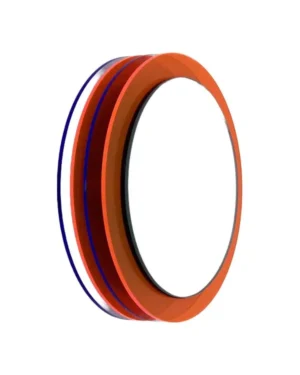
Spegla Wall Edition – Mirror & Candle Holder In Crystal Glass And Half-transparent Mirror
By Jochen Lavéno Mangelsdorff Studio & Objects
€345 - €395 This product has multiple variants. The options may be chosen on the product page -

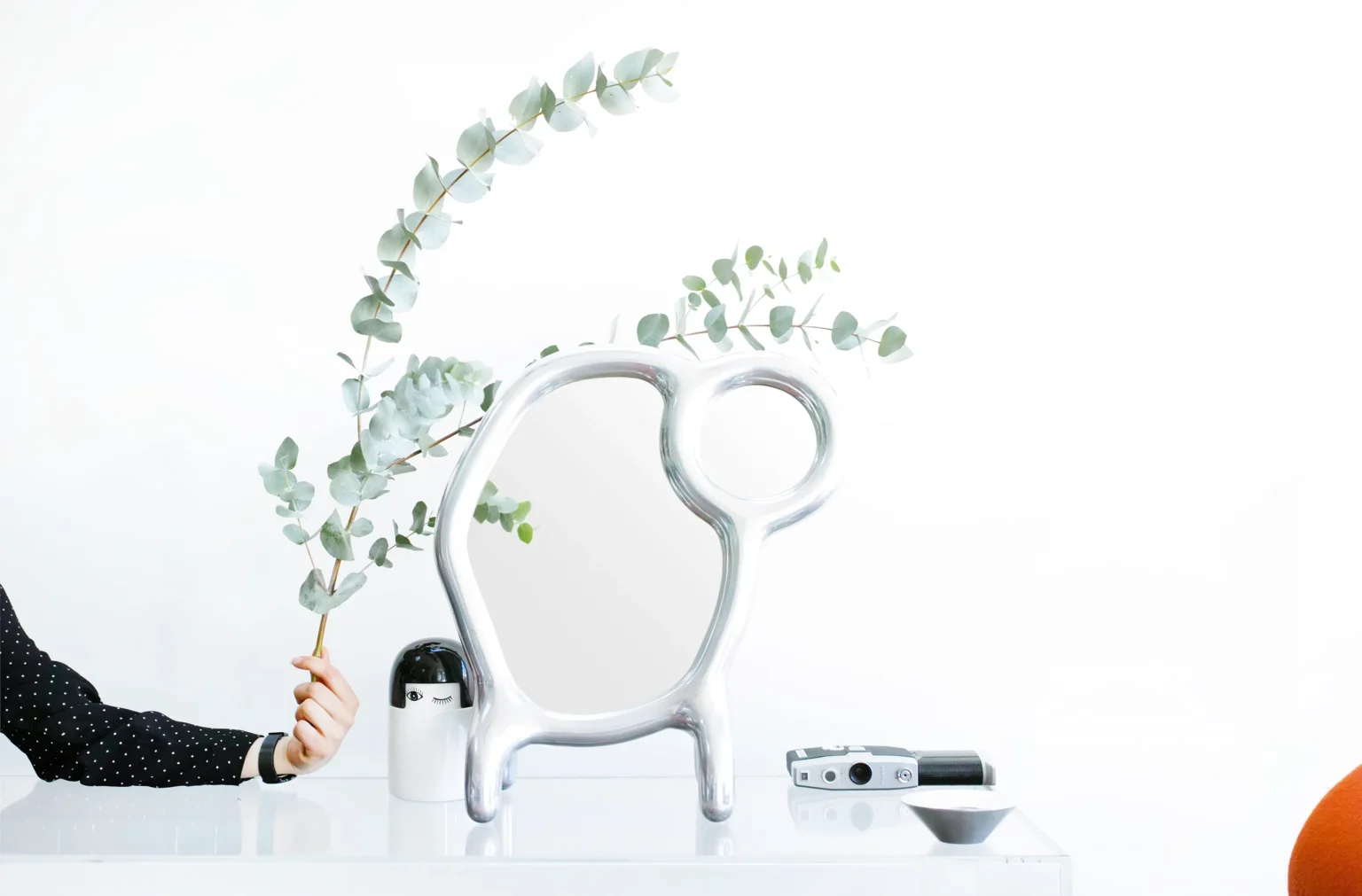
Float Mirror Black #b_31 in Liquid Silver and Glass
By Studio Speculo
€465 -

“lago” Wall Mirror | Liquid Metal
By Giselle Vanessa Johnson
€3.900 -
 In stock
Float Mirror Transparent #t_48 – Liquid Silver / Glass
By Studio Speculo
€400 -

Brancusi Mirror, Sapele Mahogany Wood
By Josh Page Studio
€410 - €585 This product has multiple variants. The options may be chosen on the product page -
 In stock
Persona — Wall Object, Amber
By MILA ZILA
€2.800 -

Phondo Mirror
By TheUrbanative
€1.400 -
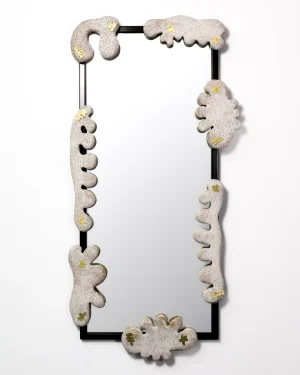
Tanguay – Ceramic And Metal Full Length Wall Mirror
By Luft Tanaka Studio
€6.400 -
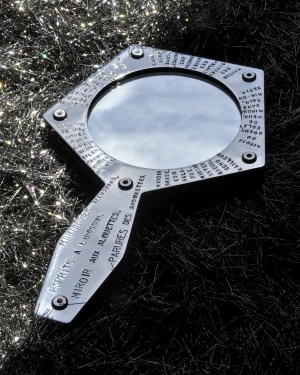 In stock
Mdd100 Hand Mirror – Mirror Stainless Steel – Oneoff Item
By MLK Furniture
€3.900 -
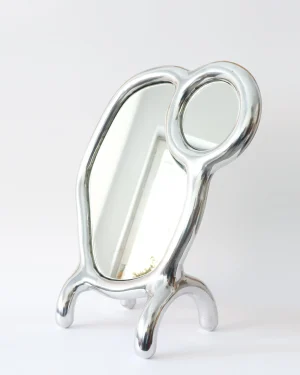 In stock
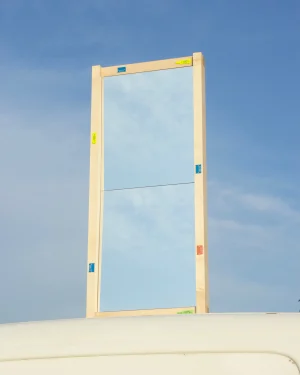
Mi-rr 13
By Studio Speculo
€1.100 -
 In stock
Avivé Mirror – Maple
By Vital Lainé
€1.000 -
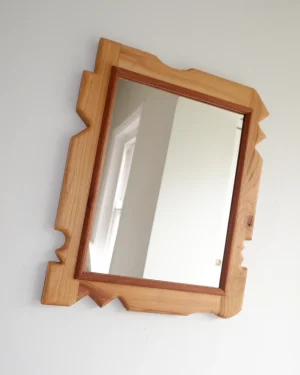
Cut Out Mirror, Cherry And Sapele Wood
By Josh Page Studio
€335 - €520 This product has multiple variants. The options may be chosen on the product page -
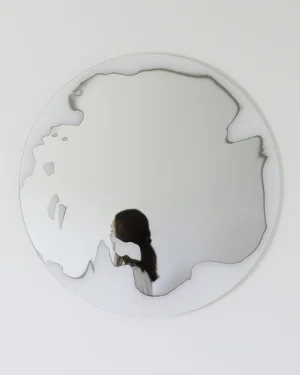
Float Mirror White – Liquid Silver / Glass
By Studio Speculo
€370 -
 In stock
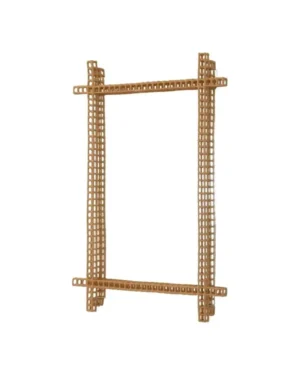
Trama Mirror
By Joana Teixeira
€1.270 -
 In stock
Abbas – Aluminum Wall Mirror
By Joana Teixeira
€1.250 -
 In stock
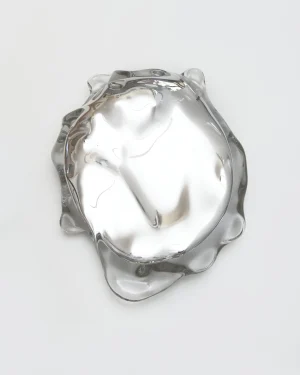
Persona Mirror Sculpture – Silver
By MILA ZILA
€1.200 -
 In stock
Incidence No. 01 – Mirror
By Leo Vairo
€8.500 -
 In stock
Scarpa Coffee Table
By Arbore x Cezar Moldovan
€3.910 -
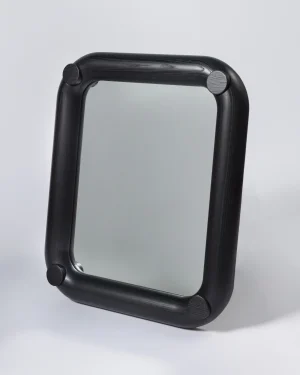
Mt Curve Wall Mirror In Ash Hardwood
By bnf studio
€2.500 This product has multiple variants. The options may be chosen on the product page -
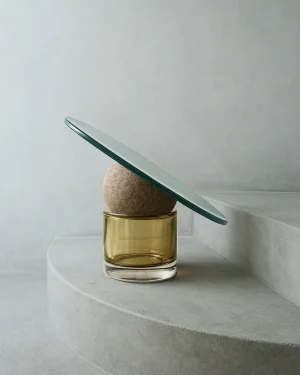 In stock
Mirror – Astra 24 Yellow
By Clemence Birot
€345 -
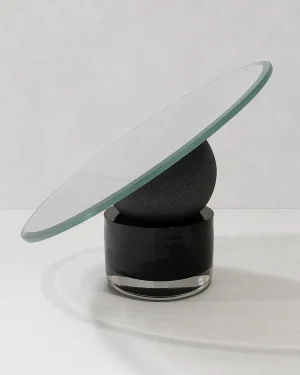 In stock
Mirror – Astra 24 Charcoal Edition
By Clemence Birot
€297 -
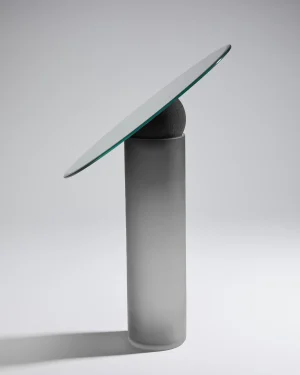 In stock
Mirror – Astra 34 Charcoal Edition
By Clemence Birot
€540 -

Float Mirror, Transparent #t_41 – Silver On Glass
By Studio Speculo
€370 -
 In stock
Escampette – Wall Mirror
By Pirouette
€1.632 -
 In stock
Domino Mirror
By Assimply Studio
€11.400 -
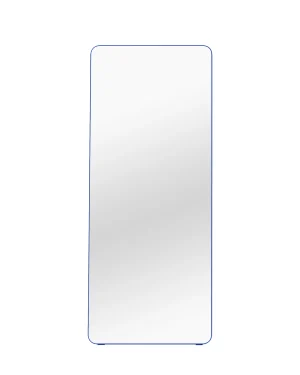
Loveself 05 – Square Full Length Mirror
By oitoproducts
€1.380 -
 In stock
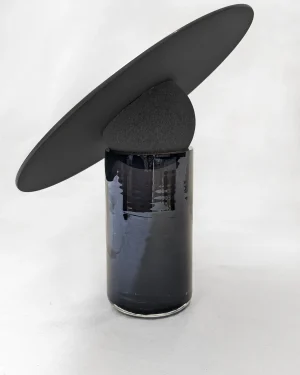
Mirror – Astra 30 Charcoal Edition
By Clemence Birot
€409 -
 In stock
Mirror – “les Endormis” Collection
By Pirouette
€1.492 -

Trn Mirror / L
By Pani Jurek STUDIO
€1.240 This product has multiple variants. The options may be chosen on the product page -
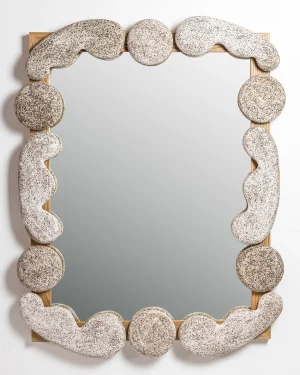
Roebling – Ceramic Wall Mirror
By Luft Tanaka Studio
€4.800 -
 In stock
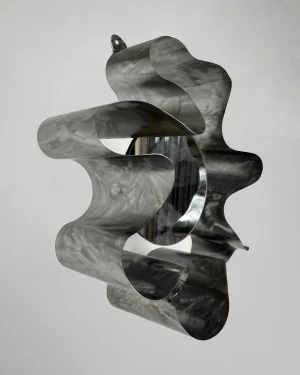
Mirror 3.4
By Masha Volkova
€1.600 -
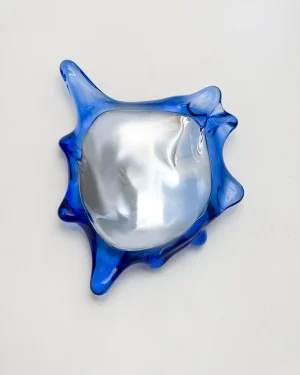 In stock
Persona Mirror Sculpture – Bluesilver
By MILA ZILA
€1.200 -
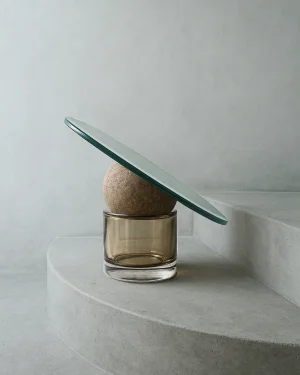 In stock
Mirror – Astra 24 Amber
By Clemence Birot
€345 -

Axis – Mirror
By Leo Vairo
€6.300 -
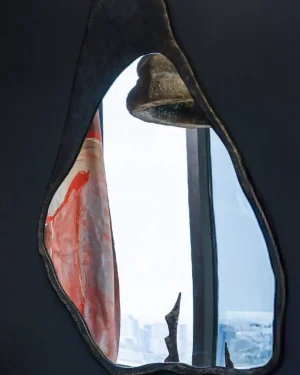 Sold
SoldThrough The Looking Glass Mirror
By Crina Arghirescu Rogard
-

Aya Mirror
By TheUrbanative
-
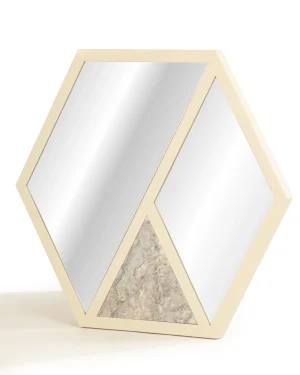 In stock
Liri – Italian Marble Beige Mirror
By Lebanto
€995
Modern mirrors on ADORNO take their language from clean geometry and honest materials: mirrorglass set into slim metal frames, wood panels shaped by cabinetmakers, and cast or bent metal that reads as sculpture as much as reflection. Studios working this way favor flat planes, visible joints and restrained color over ornament, so the frame reads as considered rather than decorative. The result is a mirror that does its job, bouncing light through a room, while standing on its own as an object.
What defines the material and finish
Mirrorglass remains the base of almost every piece here, silvered on the back and cut, beveled or layered by glass cold working studios. Some frames leave the glass edge raw and visible; others wrap it in aluminum, brass or stainless steel for a harder line. Color stays close to what the material gives naturally: silver and reflective glass, black or gray metal, warm gold or amber where brass and bronze are left to show their own tone.
Wood appears less often but adds weight and warmth against the coolness of glass. Oak, walnut and ash frames are shaped through wood and cabinetmaking or wood carving, and age the way any solid wood does, deepening in color and taking a faint patina where hands and sunlight reach it most. Recycled material shows up too, usually in metal or glass that carries small marks from its first life.
Techniques and editions found here
Metalwork and metal casting shape most of the frames, giving sharp edges on steel and softer, rounder lines on cast aluminum or brass. Glassblowing turns up on pieces where the mirror sits inside a blown vessel or shade rather than a flat frame. Lacquering adds a hard, even color coat to wood or metal, useful where a studio wants a flat black or white rather than a bare material finish.
Editions vary by maker. Some mirrors are produced as open editions, made to a standing design whenever ordered. Others are limited editions, numbered and finished in small batches, or unique pieces where no two frames match exactly because of hand-finishing or reclaimed material. None of this is fixed to one material or style; it depends on how a given studio chooses to work.
Choosing one for scale, height and placement
A mirror earns its place by proportion before anything else. In an entryway or narrow hallway, a tall, slim frame opens the space without competing with foot traffic. Over a console or sideboard, width should sit close to the furniture below it rather than overrunning it, and the bottom edge usually hangs just above the surface rather than floating high.
Hanging height depends on use: eye level for a hallway mirror people check in passing, lower for one meant to sit over a dresser or vanity. Frame thickness and finish should answer the wall it faces; a dark metal frame reads as a strong line against a pale wall, while a bare wood or brushed aluminum edge sits more quietly.
Where these mirrors work
Living rooms and dining rooms take larger, wall-mounted pieces well, since there is usually distance to view them from and wall space to spare. Bedrooms suit a full-length or dresser-height mirror, and bathrooms call for frames and glass treated to handle humidity, which is where sealed metal and glass finishes matter more than wood. For a broader view of how this style carries into seating, tables and lighting, pieces across modern seating, modern tables and modern lighting share the same restraint in line and material.
Care by material
- Clean mirrorglass with a soft cloth and a mild glass cleaner, avoiding ammonia-based products on any colored or coated glass.
- Wipe metal frames dry after cleaning to prevent water spots on polished brass, steel or aluminum.
- Dust wood frames regularly and keep them away from direct heat or long sun exposure, which dries and darkens the surface unevenly.
For the wider set of frames, glass treatments and cutting techniques in this category, see all mirrors, or narrow by material through glass mirrors, metal mirrors and wooden mirrors. To see how this style carries across other rooms and furniture types, visit every modern piece on ADORNO.
How do I choose a modern mirror?
Start with the frame material and finish, since that sets the tone more than the shape does. Mirrorglass, polished metal, or wood each read differently depending on the light and wall color around them.
What are modern mirrors made of and how do I care for them?
Frames come in glass, mirrorglass, wood, aluminum, brass, or stainless steel, each with its own upkeep. Wipe glass with a lint-free cloth, keep metal dry to avoid tarnish, and dust wood frames rather than using liquid cleaners.
What height should I hang a modern mirror?
Center the mirror roughly at eye level, about 57 to 60 inches from the floor to its middle point. In bathrooms or over consoles, leave a few inches of wall showing above the fixture below.
Which rooms suit modern mirrors?
Entryways, living rooms, and bathrooms all take well to a modern mirror, since the clean lines and reflective surface open up tight or dim spaces. Larger pieces anchor a wall, while smaller ones work well grouped.
Does ADORNO ship mirrors worldwide, and can I return one?
Shipping is insured and worldwide. Returns are accepted within 14 days, except on made-to-order pieces, and every mirror arrives with a certificate of authenticity.
Can I order a custom size or finish for a modern mirror?
Some studios take custom requests on size, frame material, or finish. Chat with the maker on the piece's page to confirm what is possible.