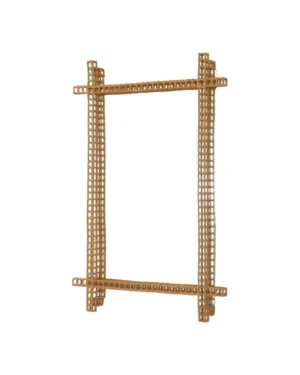

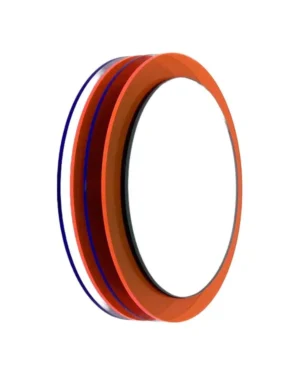

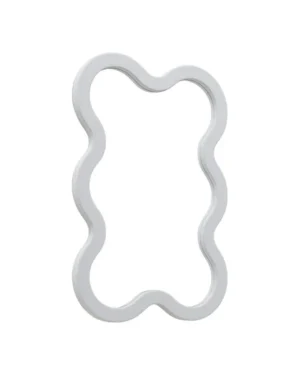
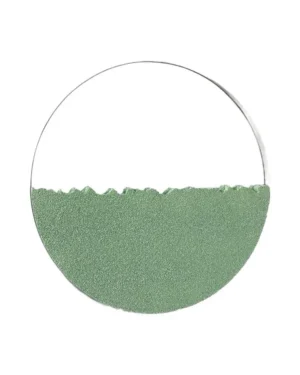
-

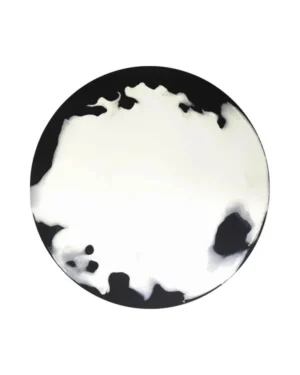
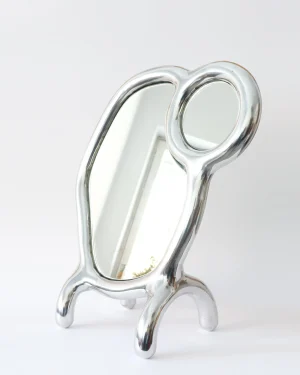
Float Mirror Black #b_31 in Liquid Silver and Glass
By Studio Speculo
€465 -
 In stock
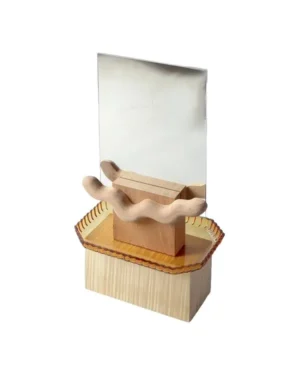
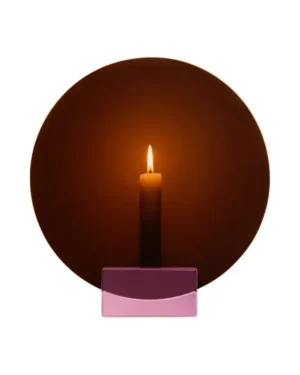
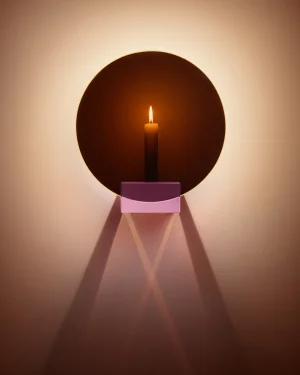
Spegla Wall Edition – Mirror & Candle Holder In Crystal Glass And Half-transparent Mirror
By Jochen Lavéno Mangelsdorff Studio & Objects
€345 - €395 This product has multiple variants. The options may be chosen on the product page -
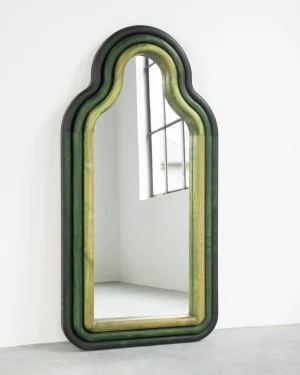
Trn Mirror / Triple / Solid Wood
By Pani Jurek STUDIO
€2.255 This product has multiple variants. The options may be chosen on the product page -

A Beautiful Mind – Sculptural Organic Stone Mirror
By Odditi
€3.600 -
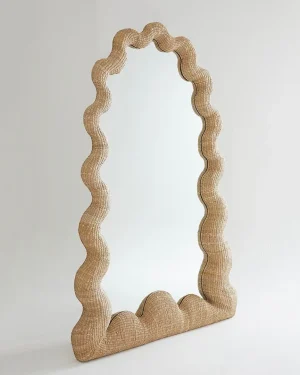
La Celebración – Handwoven Fiber Mirror
By Joyful Objects, Yes!
€6.000 -

Mirror Perfumer – Handmade Bronze Wall Mirror
By Vogel Studio
€9.075 -
 In stock
Mi-rr 13
By Studio Speculo
€1.100 -
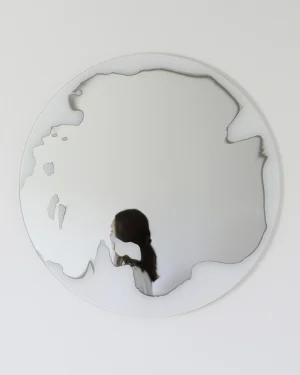
Float Mirror White – Liquid Silver / Glass
By Studio Speculo
€370 -
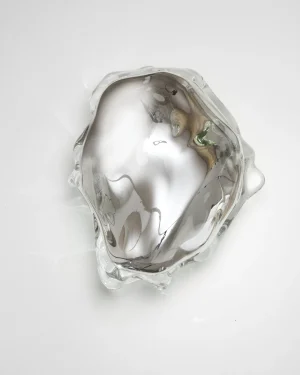
Persona Mirror Sculpture
By MILA ZILA
€2.100 -
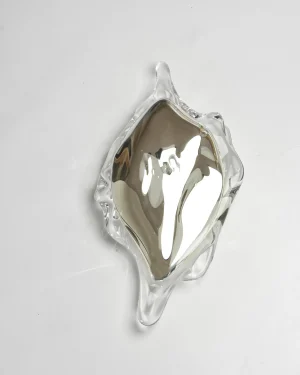
Persona Mirror Sculpture – Small
By MILA ZILA
€1.100 -
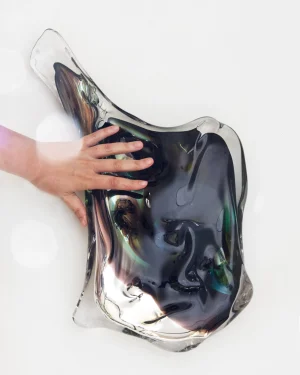
Persona Mirror Sculpture – Multicolour Small
By MILA ZILA
€1.800 -

Walnut Mirror B — Ves
By Anna Bera
€659 -
 In stock
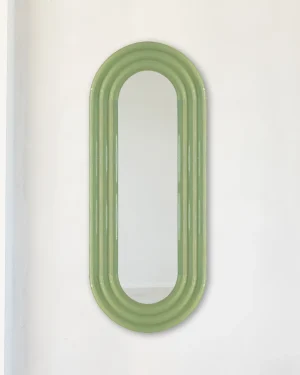
Elo Mirror 150×60 Cm – Hand Glazed Ceramic
By Pani Jurek STUDIO
€1.730 This product has multiple variants. The options may be chosen on the product page -
 In stock
La Celebración Mirror
By Joyful Objects, Yes!
€6.000 This product has multiple variants. The options may be chosen on the product page -
 In stock
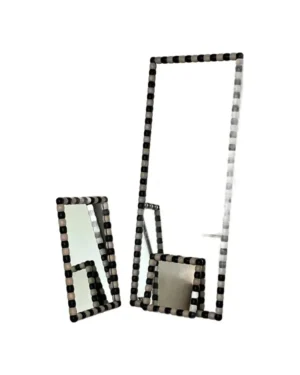
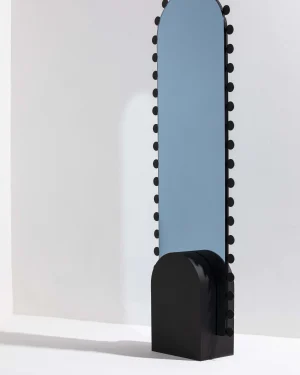
Medaillon – Sculptural Floor Mirror
By Boo Design Studio
€2.780 -
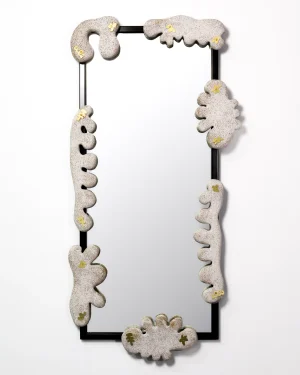
Tanguay – Ceramic And Metal Full Length Wall Mirror
By Luft Tanaka Studio
€6.400 -
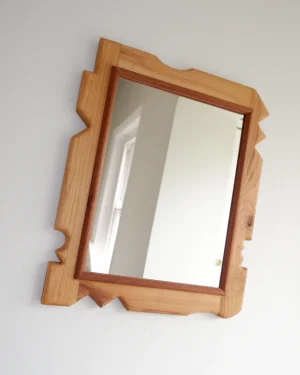
Cut Out Mirror, Cherry And Sapele Wood
By Josh Page Studio
€335 - €520 This product has multiple variants. The options may be chosen on the product page -

Walnut Mirror F2 — Ves
By Anna Bera
€777 -

Burning Mirror – Melting Collection | Sculptural Mirror In Burned Wood And White Marble
By Gábor Góbi
€24.390 -
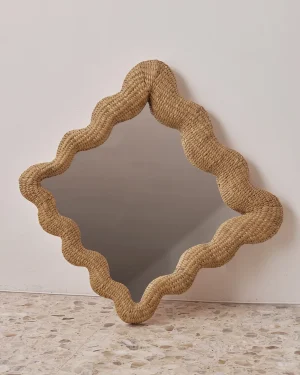
La Celebración Natural Mirror
By Joyful Objects, Yes!
€1.500 -
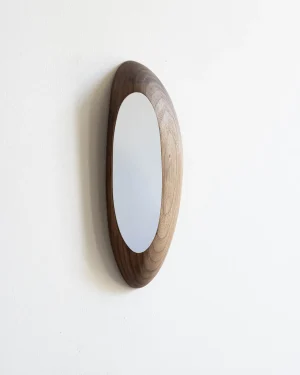
Walnut Mirror A — Ves
By Anna Bera
€659 -

Float Mirror, Transparent #t_41 – Silver On Glass
By Studio Speculo
€370 -
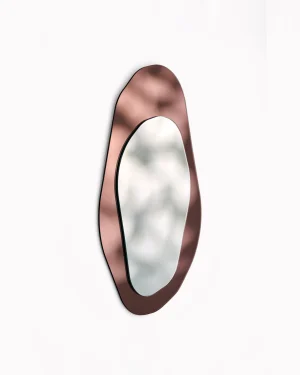
Siena – Rose Gold Asymmetric Mirror
By Yugen Lab
€350 -
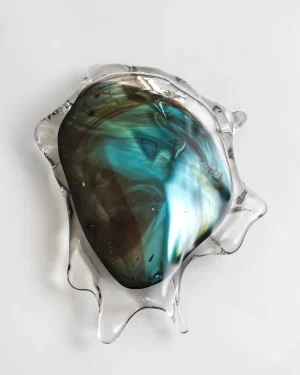 In stock
Persona Mirror Sculpture – Multicolour
By MILA ZILA
€2.100 -
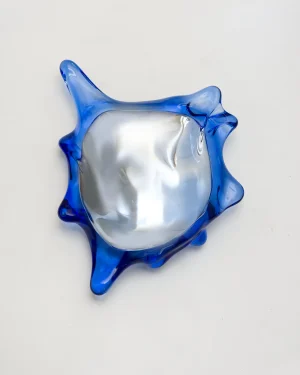 In stock
Persona Mirror Sculpture – Bluesilver
By MILA ZILA
€2.100 -
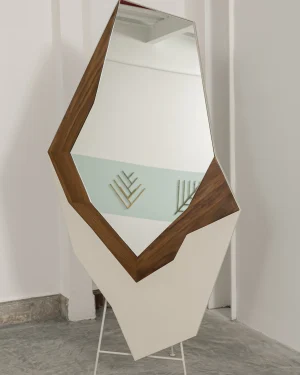
New Life Mirror – Tropical Depression
By Fi
€6.150 -
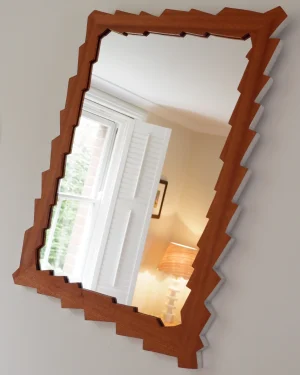
Shocking Mirror – Sapele Mahogany And Aluminium Gilded Frame
By Josh Page Studio
€400 - €588 This product has multiple variants. The options may be chosen on the product page -
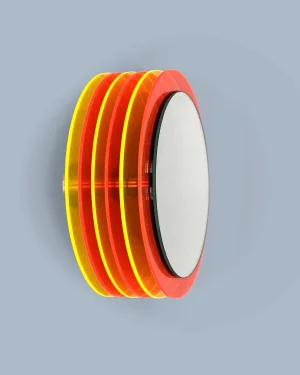 In stock
Angels, Sunset Wall Mirror
By Andreas Berlin
€640 -
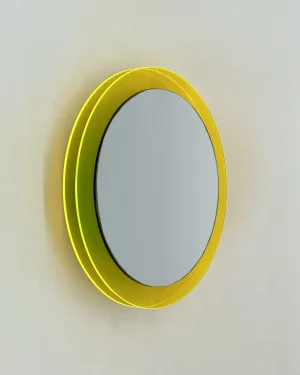 In stock
Sunset 342b – Acrylic Wall Mirror
By Andreas Berlin
€638 -
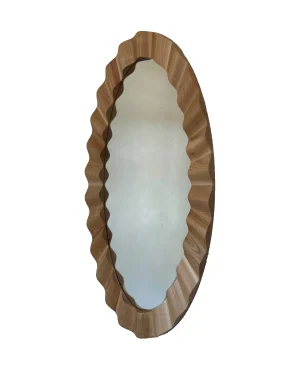
Ruffles – Cherry Wall Mirror
By Studio TOOJ
€5.550 -
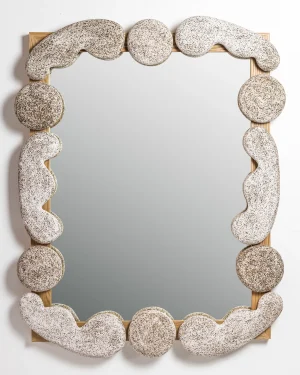
Roebling – Ceramic Wall Mirror
By Luft Tanaka Studio
€4.800 -
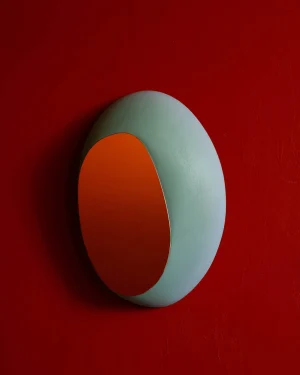
Painted Beech Mirror F — Ves
By Anna Bera
€659 -

Painted Beech Mirror A — Ves
By Anna Bera
€647 -

“Romance & Gravity” Mirror
By Marija Puipaitė & Vytautas Gečas
€3.700 -
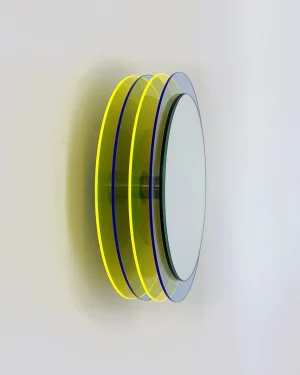 In stock
Birds, Sunset Wall Mirror
By Andreas Berlin
€640 -
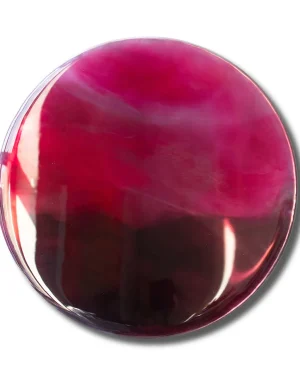
Magma – Tinted Resin Mirror
By Courtney Kinnare
Price Upon Request -
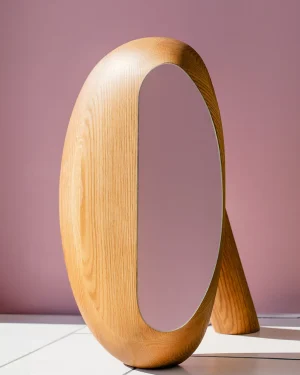
Object N.30 Mirror
By Anna Bera
-
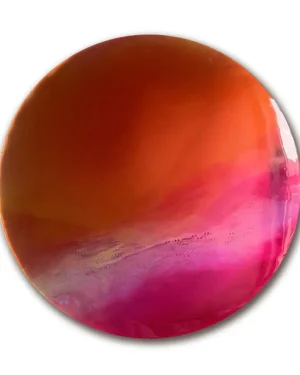
Ember – Tinted Resin Mirror
By Courtney Kinnare
Price Upon Request -

La Celebración Miniature Mirror
By Joyful Objects, Yes!
€450 This product has multiple variants. The options may be chosen on the product page -
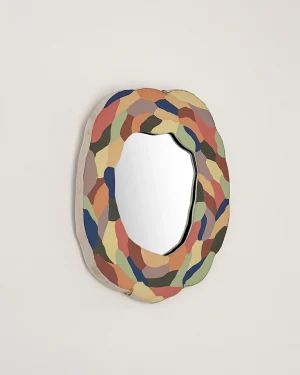 Sold
Intensive – Stoneware Mirror
By Federica Paglia
€450
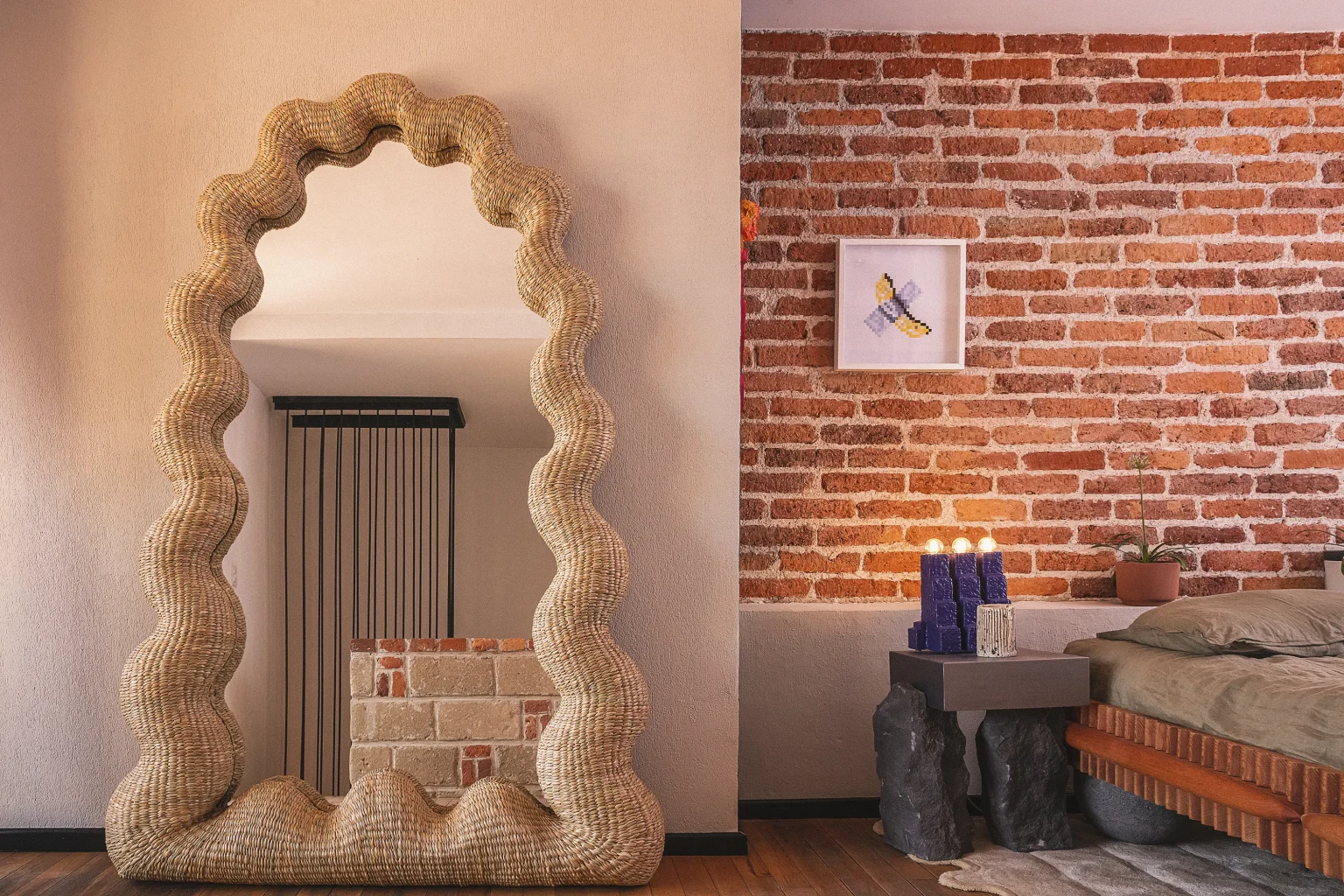
Eclectic mirrors bring together materials and methods that do not usually sit side by side: blown glass next to polished steel, carved elm beside cast mirrorglass. They come from studios that mix eras and references rather than following one, pairing old techniques like wood carving or stone carving with newer metalwork and glass cold working. The result is a mirror that reads as a composition first and a reflective surface second.
What makes a mirror eclectic
Where a contemporary or mid-century piece tends to commit to one language, an eclectic mirror borrows from several. A frame might combine a hand-painted edge with a cast glass border, or set a hard, industrial profile against a soft, organic silhouette. Color plays a part too: silver and clear glass sit alongside black, off-white, green or blue finishes, often within the same piece.
These mirrors rarely disappear into a room. They tend to anchor a wall, carry visual weight even when small, and work as the one object a space is arranged around.
Materials, finishes and techniques
Glass remains the most common base, whether clear, mirrorglass or blown into shape, since it reflects light without demanding a heavy frame. Wood species such as elm and walnut bring grain and warmth, usually shaped through wood and cabinetmaking or wood carving. Steel, both polished and stainless, supplies a cooler counterpoint, worked through metalwork into frames, brackets or sculptural stands.
- Glass: blown, cast or cold-worked, in clear, silver or tinted finishes
- Wood: elm and walnut, carved, turned or joined
- Metal: polished or stainless steel, welded or hand-finished
Editions vary by piece. Some studios work in open editions, producing a steady run, while others treat each mirror as a limited edition or a one-off, so a finish or shape found today may not return. For a closer look at glass-based pieces specifically, glass mirrors cover the clearer, lighter end of the range, while wooden mirrors and metal mirrors show the warmer and harder-edged alternatives.
How to choose one
Scale matters more than style here, since an eclectic mirror is usually the focal point rather than a background object. Measure the wall it will hang on and leave room around the frame; a mirror pushed to the edges of its space tends to look cramped rather than deliberate.
Height depends on use. Over a console or sideboard, the bottom edge usually sits a few inches above the surface; as a floor-standing piece, it should lean at a height that reflects the room rather than the ceiling. Consider finish last: a polished steel frame throws more light around a room than a carved wood one, which instead adds texture and shadow.
Where these mirrors work
Entryways and hallways suit a bold frame, since the mirror is seen in passing rather than studied at length. Living rooms take larger pieces well, particularly where a mix of furniture styles already exists and the mirror can sit as one more layer rather than an odd one out. Bedrooms and dressing areas call for a steadier, more functional shape, though an eclectic frame still adds character without competing with the reflection itself.
Caring for different finishes
Glass surfaces need only a soft cloth and a non-ammonia cleaner to stay clear; harsh chemicals can degrade the silvering behind the glass over time. Wood frames benefit from a dry or barely damp cloth, kept away from direct heat sources that cause splitting or warping. Polished and stainless steel hold their finish with occasional wiping, though polished surfaces show fingerprints more readily than brushed ones.
For the wider range of styles within the mirror category, see all mirrors, or explore every eclectic piece on ADORNO across furniture, lighting and decor, including eclectic decor pieces that pair naturally with these mirrors.
How do I choose an eclectic mirror?
Look for a frame or edge that stands apart, whether in shape, material or finish, and let it anchor a wall rather than blend into it. Mixing eras and materials is the point, so pair it with furniture it does not match.
What materials are eclectic mirrors made from?
Eclectic mirrors combine glass with materials like polished steel, elm wood, walnut or mirrorglass, often in unexpected pairings. Wipe glass with a soft, lint-free cloth and keep metal or wood frames away from damp or direct heat.
What size mirror should I get for my wall?
A mirror close to the width of the furniture beneath it, such as a console or dresser, reads as intentional rather than accidental. For a full-length piece, allow enough height to reflect from head to floor.
Which rooms suit an eclectic mirror?
Entryways, living rooms and bedrooms all take well to an eclectic mirror, especially where one bold shape can carry a wall on its own. Bathrooms work too if the frame material tolerates humidity.
Does shipping and returns work through ADORNO?
Shipping is insured and worldwide. Pieces can be returned within 14 days, except made-to-order mirrors, which are excluded from that policy.
Can I order a custom size or finish?
Some studios take custom requests on size, frame material or finish. Chat with the maker on the piece's page to confirm what is possible.