





-

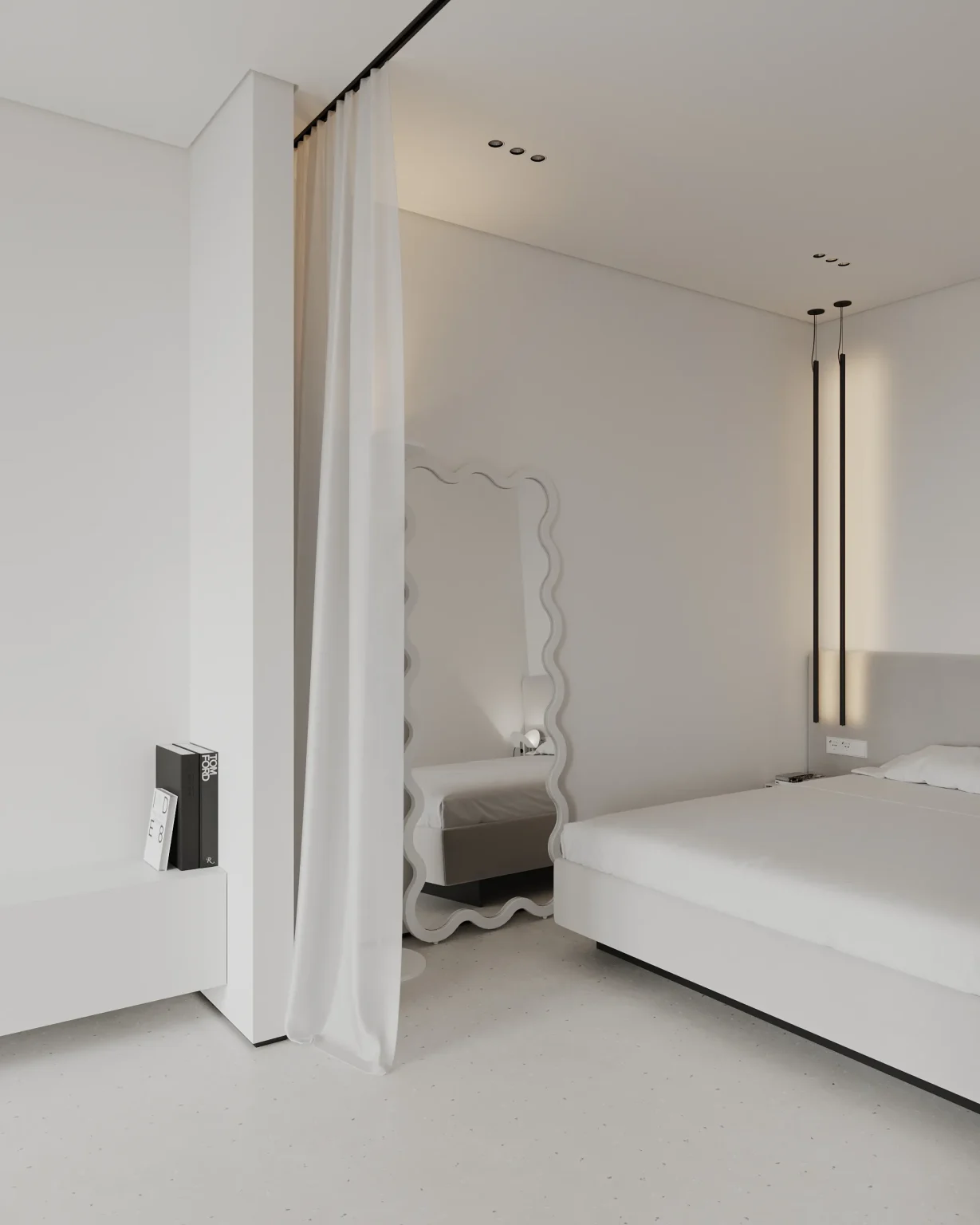
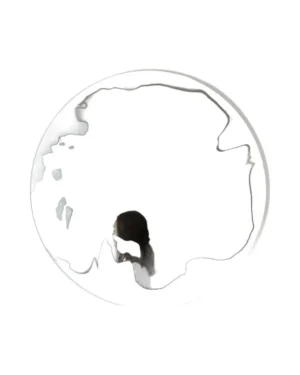
Hvyli 14 – Wavy Full Length Mirror
By oitoproducts
€1.300 -
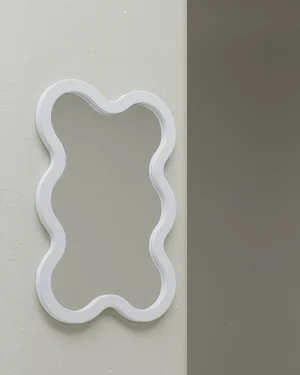
Hvyli 6 – Wavy Wall Mirror
By oitoproducts
€428 -
 In stock
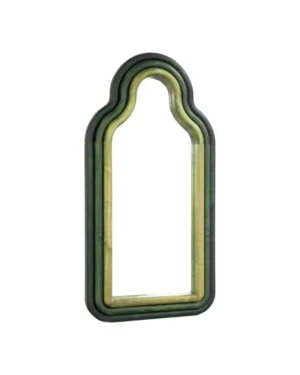
Hvyli 8 – Wavy Wall Mirror
By oitoproducts
€640 -

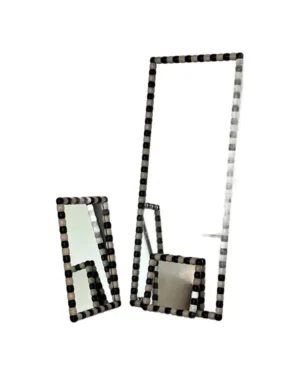
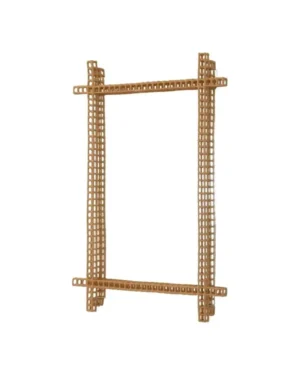
Pancakes V2+1 – Full Length Mirror
By oitoproducts
€1.710 -

Hvyli 16 – Wavy Full Length Mirror
By oitoproducts
€1.590 -

Hvyli Q9 – Wavy Full-length Mirror
By oitoproducts
€1.492 -
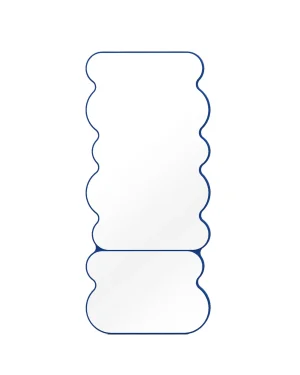
Pancakes H5+2 – Full Length Mirror
By oitoproducts
€1.820 -

Hvyli 16+leg – Free Standing Mirror
By oitoproducts
€1.800 -
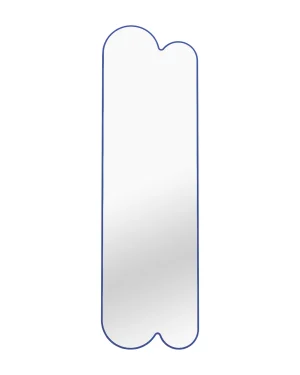
Pancakes V2 – Full Length Mirror
By oitoproducts
€1.280 -

Pancakes H7 – Full Length Mirror
By oitoproducts
€1.725 -
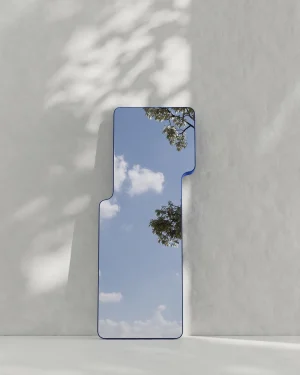
Loveself 04 – Shifted Full Length Mirror
By oitoproducts
€1.455
Wavy mirrors trade the straight edge for a contour that moves, built mostly from MDF shaped by CNC milling or carved and finished by hand through wood and cabinetmaking, with a mirrorglass panel set into or behind the frame. The outline can read as a single soft ripple or a full scalloped border, depending on how deep the studio cuts the curve. What holds across the range is a frame doing as much visual work as the glass it carries.
What makes a mirror read as wavy
The shape comes from the frame, not the reflective surface, which stays flat so the image inside it is never distorted. MDF takes a milled curve cleanly and holds it, which is why most wavy outlines start as routed or CNC-cut panels before any color goes on. Mirrorglass is then cut to a simpler shape, oval or round, and set inside that patterned border, so the wave reads as movement around a calm center.
Finishes and color across the range
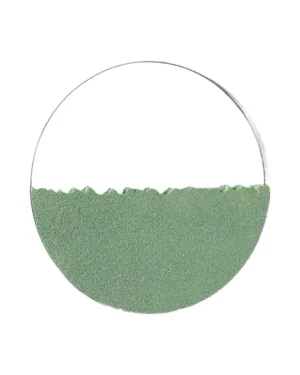
Paint carries most of the character here. Matte finishes in black, off-white or light gray keep the wave understated, letting the shape rather than the color do the talking, while cobalt blue, mustard, red and light green push the same silhouette toward a bolder, more graphic statement. Painting and drawing techniques are often used after milling, so the surface can carry a flat color, a gradient, or a hand-painted detail along the frame's edge.
Stylistically these mirrors sit across a few families: mid-century modern pieces tend toward gentler, single-curve waves; maximalism and surrealism push the contour further, into frames that feel closer to sculpture; minimalist and contemporary pieces keep the wave as the only ornament. Most are produced as open editions, so a given silhouette and colorway can be reordered rather than appearing once and disappearing.
Choosing a wavy mirror for a room
Scale matters more with a wavy frame than a straight one, since the curve adds visual width beyond the glass itself. A small wavy mirror can read as a piece of wall art on its own, while a larger one will dominate a wall the way a painting might, so measure the frame's full reach, not just the mirrored center, before deciding on a spot.
- Entryways and hallways, where a wavy mirror doubles as a quick check and a focal point near the door.
- Living rooms, hung low enough to catch light from a window or lamp across the room.
- Bedrooms, especially above a dresser, where the softer contour reads as calmer than a hard-edged frame.
- Bathrooms, if the piece is rated for humidity; check the listing rather than assuming, since MDF and moisture do not mix well over time.
Height follows the same logic as any wall mirror: center it roughly at eye level for the room's main vantage point, a little lower in a bedroom, a little higher above a console in an entryway. Pair a bold color against a plain wall and let a quieter matte tone sit against patterned wallpaper, where it would otherwise compete.
Caring for an MDF and mirrorglass frame
Dust the frame with a dry or barely damp cloth; MDF swells and the paint can lift if it sits wet. Clean the glass itself with a standard glass cleaner applied to the cloth, not sprayed directly onto the frame, to keep moisture off the painted edges. Keep these mirrors away from direct steam or splash zones unless the piece is specifically finished for a bathroom.
For a broader look at shape and material together, the full range of mirrors spans frames beyond the wavy outline, including glass mirrors with little to no frame at all and wooden mirrors left in a natural finish rather than painted. The wave itself carries over into other rooms through wavy decor and wavy accessories, and the shape on its own, across every material it appears in, sits under every wavy piece on ADORNO.
How do I choose a wavy mirror?
Look at the rhythm of the edge, some undulate gently while others cut deep curves, and match that scale to the wall it will anchor. MDF frames read softer, while mirrorglass cut into waves throws more reflected light.
What are wavy mirrors made of and how do I care for them?
Most are built from MDF, shaped by CNC milling and finished with paint, or cut directly from mirrorglass. Dust the frame with a dry cloth and clean the glass with a non-ammonia cleaner to protect the silvering.
What size wavy mirror should I get, and how high should it hang?
Sizes vary by piece, so check the listed dimensions and hang so the mirror's center sits around eye level, roughly 60 to 65 inches from the floor. A maker can confirm exact measurements through Chat with the maker on the piece's page.
Which rooms suit a wavy mirror?
Their curved outlines soften square entryways, hallways and living rooms, while smaller versions work well above bathroom sinks or on dressing tables. The irregular edge draws the eye, so it reads best with plain walls around it.
Are wavy mirrors handmade or produced in limited runs?
Many come from open editions, made as ongoing pieces rather than one-offs, though techniques like wood cabinetmaking and CNC milling still involve hands-on shaping and finishing. Check the piece's page for specifics on its making.
How does shipping, returns and authenticity work when buying from ADORNO?
Shipping is insured and worldwide, with a 14-day return policy excluding made-to-order pieces. Every piece comes with a certificate of authenticity, and ADORNO offers a lowest-price guarantee.