





-

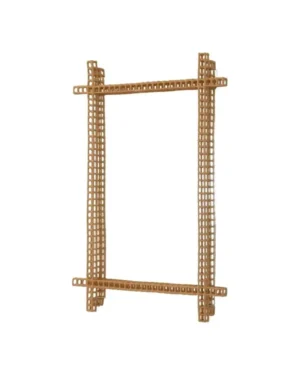
Float Mirror Black #b_31 in Liquid Silver and Glass
By Studio Speculo
€465 -
 In stock
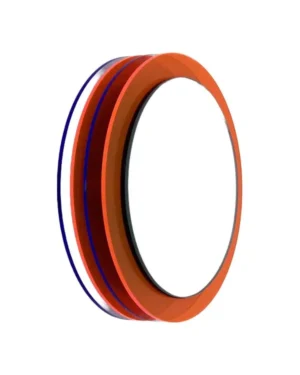
Eros Mirror
By Dzovag Kotchian
€860 -
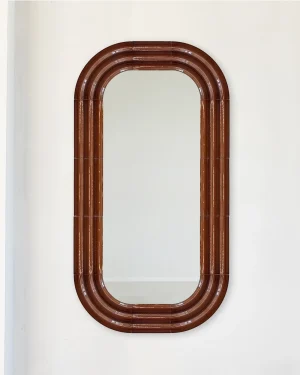 In stock
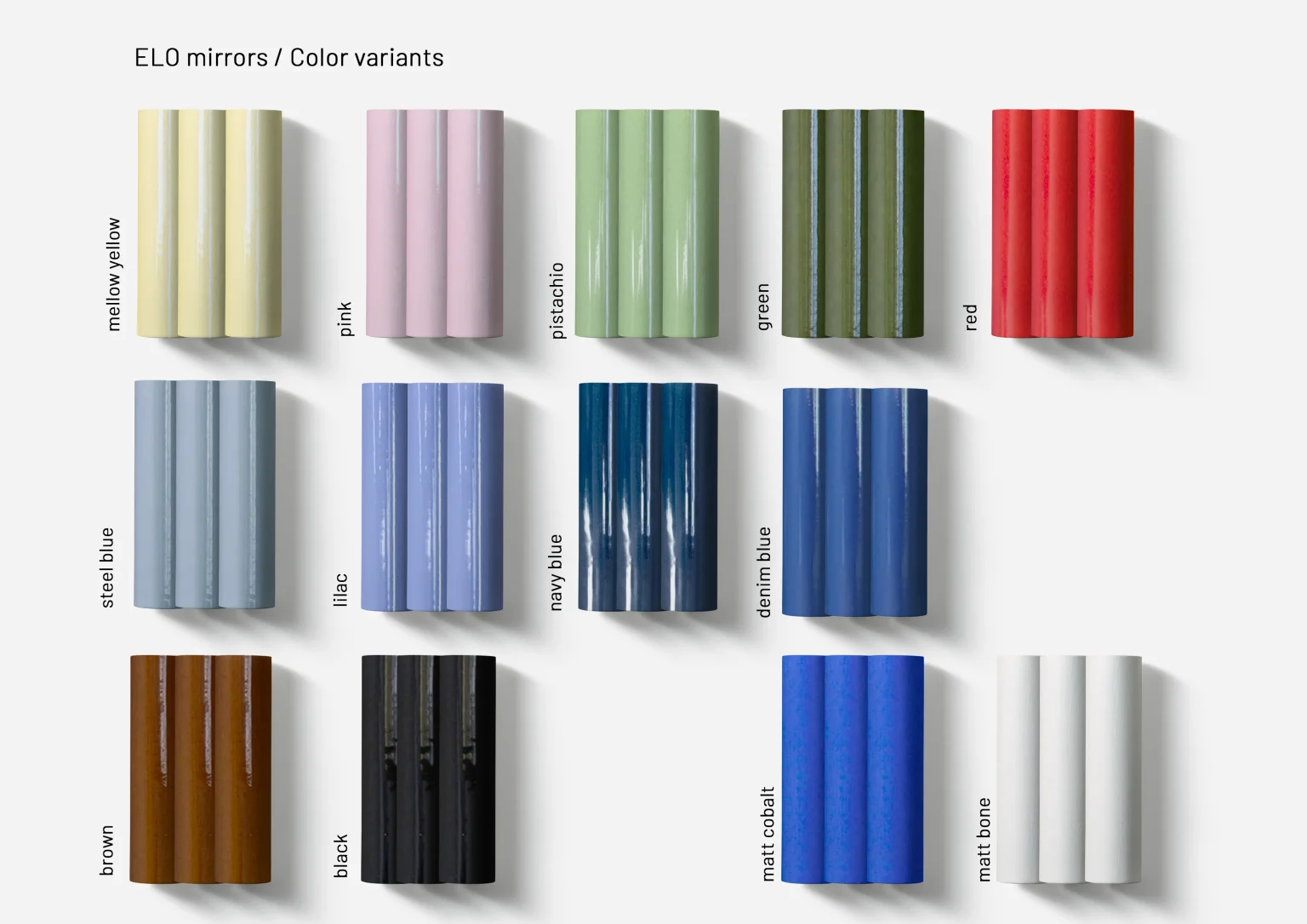
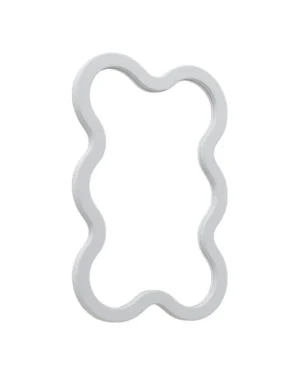
Elo Mirror 150×80 Cm – Hand Glazed Ceramic
By Pani Jurek STUDIO
€2.135 This product has multiple variants. The options may be chosen on the product page -
 In stock
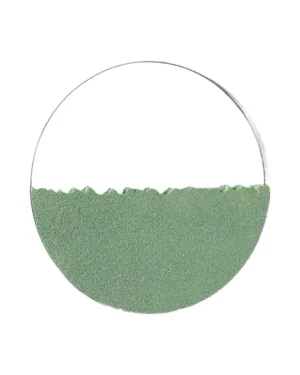
Elo Mirror 60×90 Cm – Hand Glazed Ceramic
By Pani Jurek STUDIO
€1.070 This product has multiple variants. The options may be chosen on the product page -

Mirror Perfumer – Handmade Bronze Wall Mirror
By Vogel Studio
€9.075 -
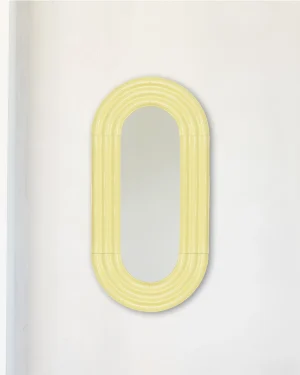 In stock
Elo Mirror 120×60 Cm – Hand Glazed Ceramic
By Pani Jurek STUDIO
€1.360 This product has multiple variants. The options may be chosen on the product page -
 In stock
Elo Mirror 60×60 Cm – Hand Glazed Ceramic
By Pani Jurek STUDIO
€815 This product has multiple variants. The options may be chosen on the product page -
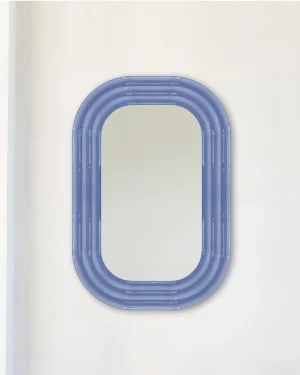 In stock
Elo Mirror 120×80 Cm – Hand Glazed Ceramic
By Pani Jurek STUDIO
€1.730 This product has multiple variants. The options may be chosen on the product page -
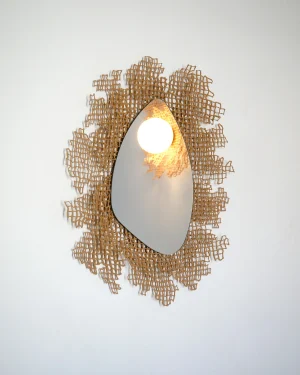 In stock
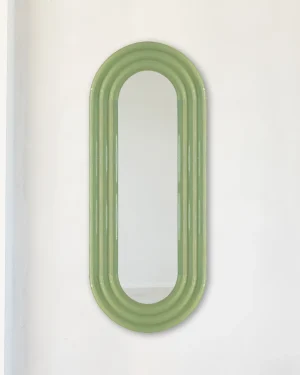
Coral Mirror – Clay Wall Mirror
By Dzovag Kotchian
€1.300 - €2.200 This product has multiple variants. The options may be chosen on the product page -
 In stock
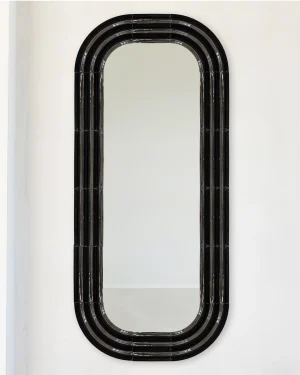
Elo Mirror 150×60 Cm – Hand Glazed Ceramic
By Pani Jurek STUDIO
€1.730 This product has multiple variants. The options may be chosen on the product page -
 In stock
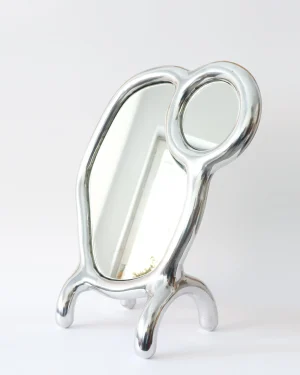
Elo Mirror 180×80 Cm – Hand Glazed Ceramic
By Pani Jurek STUDIO
€2.540 This product has multiple variants. The options may be chosen on the product page -
 In stock
Mi-rr 13
By Studio Speculo
€1.100 -
 In stock
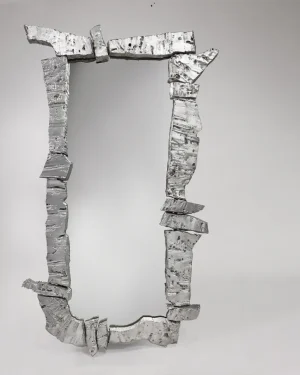
Toothpaste Mirror
By Ryan Mercer
€1.459 -
 In stock
Insect – Recycled Cast Aluminum Mirror
By BY JAMPS
€2.200 -
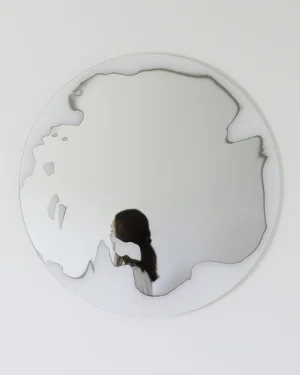
Float Mirror White – Liquid Silver / Glass
By Studio Speculo
€370 -
 In stock
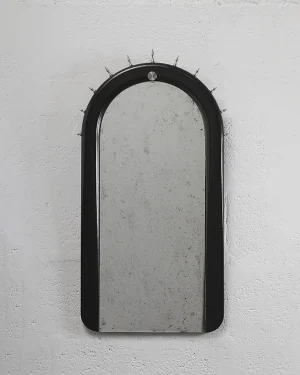
Sitiera_01 – Solid Wood Wall Mirror With Bronze Or Stainless Steel
By ANDEAN
€1.590 This product has multiple variants. The options may be chosen on the product page -
 In stock
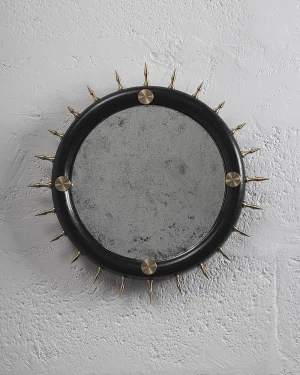
Sitiera_02 – Solid Wood Wall Mirror Bronze Or Stainless Steel Spikes
By ANDEAN
€1.257 This product has multiple variants. The options may be chosen on the product page -
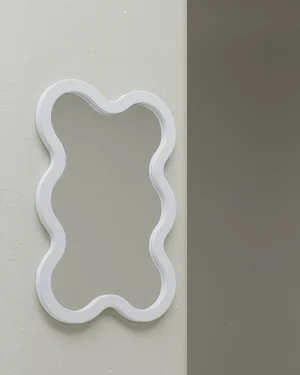
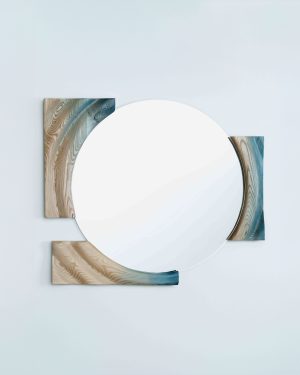
Hvyli 6 – Wavy Wall Mirror
By oitoproducts
€428 -
 In stock
Blueprint Mirror
By Studio Kloak
€1.800 - €2.600 This product has multiple variants. The options may be chosen on the product page -
 In stock
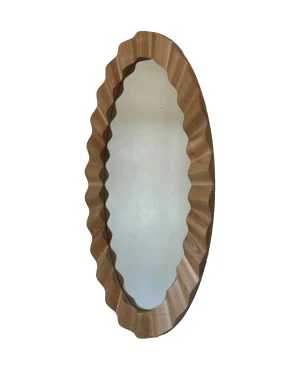
Hvyli 8 – Wavy Wall Mirror
By oitoproducts
€640 -
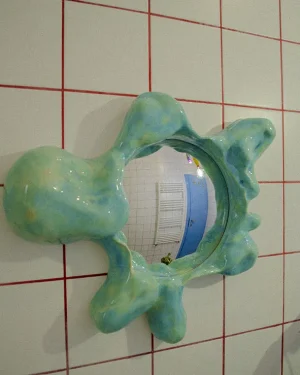
Ruffles – Cherry Wall Mirror
By Studio TOOJ
€5.550 -
 In stock
Butlers Mirror – Curved Glass Ceramic Mirror
By UAU Studio
€1.200 -

Luna – Iridescent Round Mirror
By Yugen Lab
€310 -
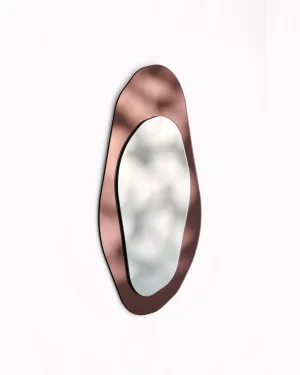
Siena – Rose Gold Asymmetric Mirror
By Yugen Lab
€350 -

Pancakes V2+1 – Full Length Mirror
By oitoproducts
€1.710 -
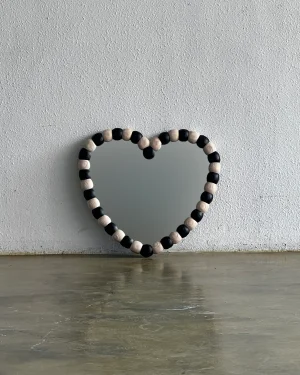
Onde Heart Mirror
By STUDIO KALLANG
€1.190 -
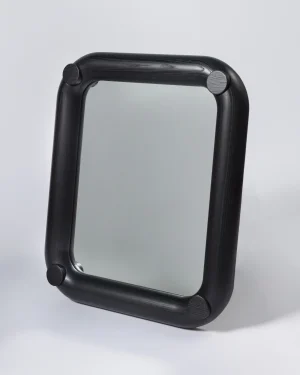
Mt Curve Wall Mirror In Ash Hardwood
By bnf studio
€2.500 This product has multiple variants. The options may be chosen on the product page -
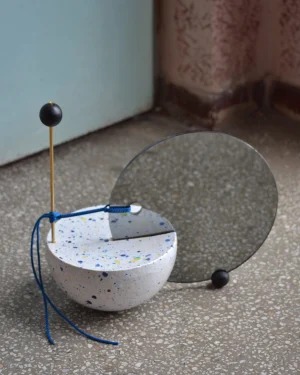 In stock
Hemisphere – Ceramic Vanity Mirror
By UAU Studio
€1.200 -
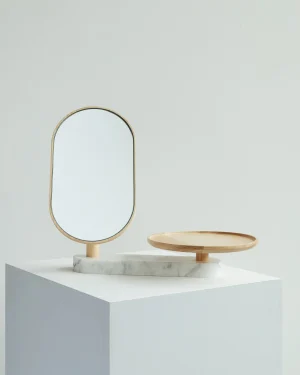 In stock
U-ap – Adjustable Marble Vanity Mirror
By Hasik Design Studio
€375 -
 In stock
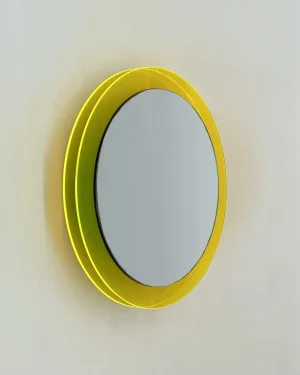
Sunset 342b – Acrylic Wall Mirror
By Andreas Berlin
€638 -

Hvyli Q9 – Wavy Full-length Mirror
By oitoproducts
€1.492 -
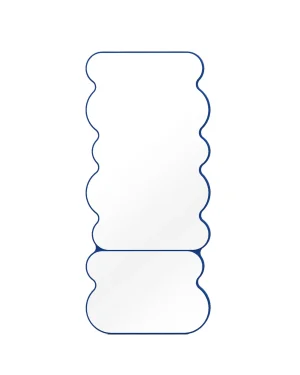
Pancakes H5+2 – Full Length Mirror
By oitoproducts
€1.820 -
 In stock
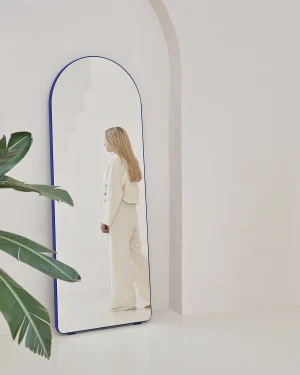
Loveself 01 – Classic Arched Mirror (wall, Floor, Full Length)
By oitoproducts
€1.400 -
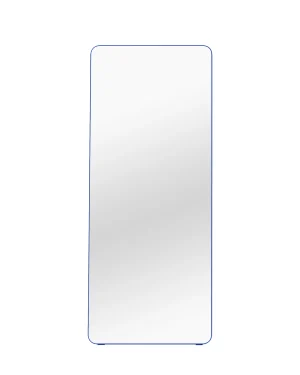
Loveself 05 – Square Full Length Mirror
By oitoproducts
€1.380 -
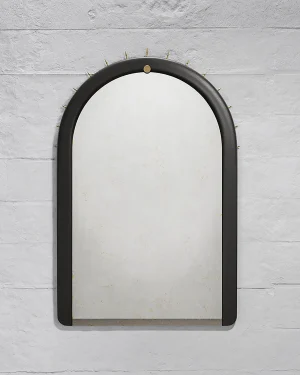 In stock
Sitiera_03 – Wall Mirror In Solid Wood & Aged Metal Mirror
By ANDEAN
€3.552 This product has multiple variants. The options may be chosen on the product page -
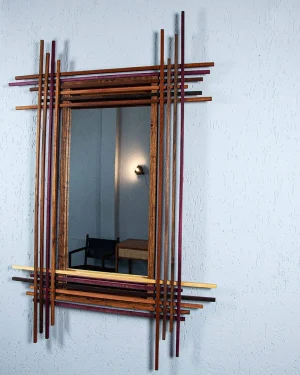
Fragments – Reclaimed Wood Mirror
By am.o atelier
€1.016 -
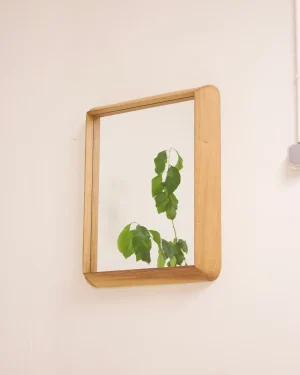 In stock
Gavrinis Mirror – Solid Oak Wood
By Vital Lainé
€2.000 -
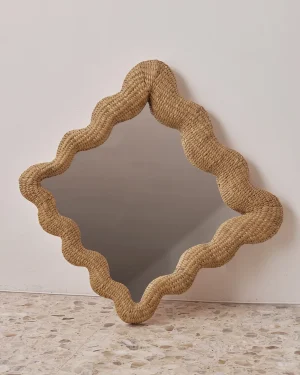
La Celebración Natural Mirror
By Joyful Objects, Yes!
€1.500 -
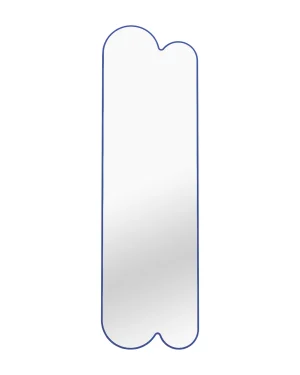
Pancakes V2 – Full Length Mirror
By oitoproducts
€1.280 -
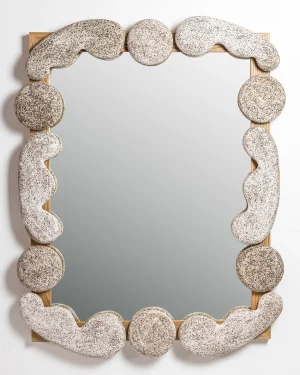
Roebling – Ceramic Wall Mirror
By Luft Tanaka Studio
€4.800 -
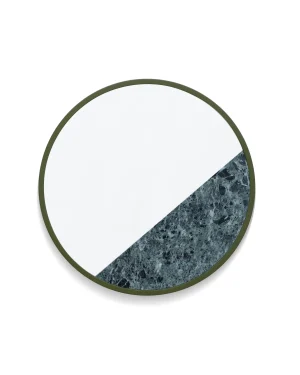
Domino – Italian Marble Round Wall Mirror
By Lebanto
€995 This product has multiple variants. The options may be chosen on the product page -
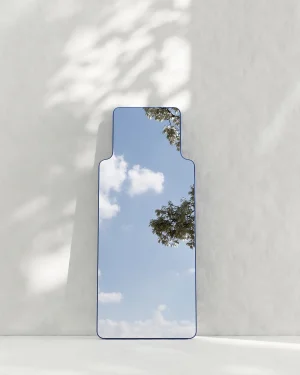
Loveself 02 – Shifted Full Length Mirror
By oitoproducts
€1.455 -
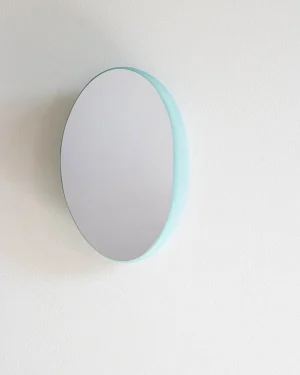
Painted Beech Mirror F2 — Ves
By Anna Bera
€753 -
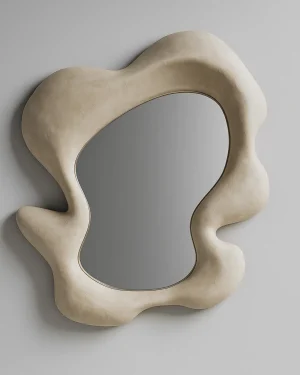
Soma Mirror
By aeny studio
Price Upon Request -
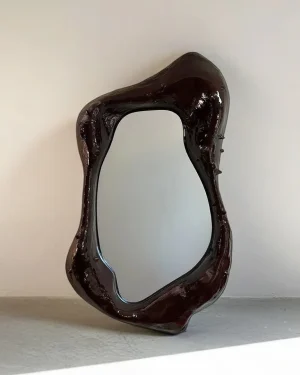
Scarscape Mirror
By aeny studio
Price Upon Request -
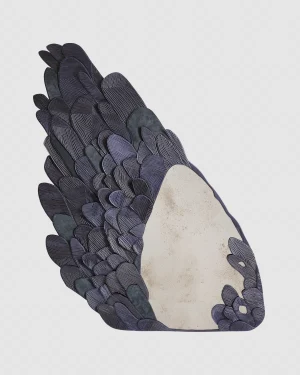 Sold
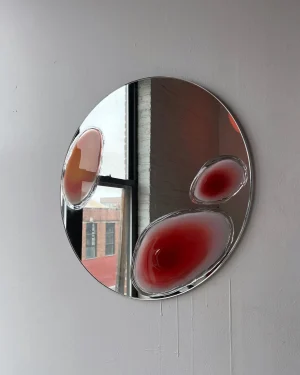
SoldNeo-narcissist Mirror
By Crina Arghirescu Rogard
Price Upon Request -
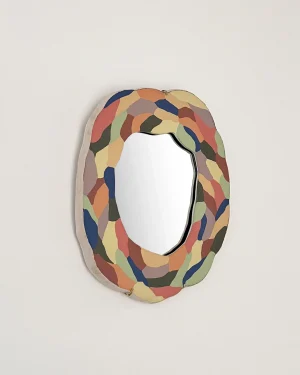
Gumdrop Mirror
By Courtney Kinnare
Price Upon Request -
 Sold
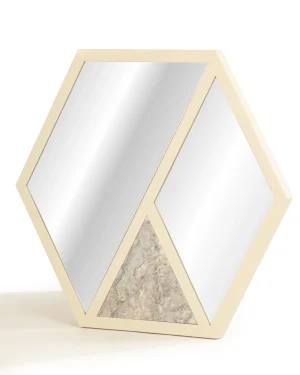
SoldIntensive – Stoneware Mirror
By Federica Paglia
€450 -
 In stock
Liri – Italian Marble Beige Mirror
By Lebanto
€995
Bathroom mirrors on ADORNO are built for a room where moisture, heat and daily handling test a piece more than almost anywhere else in the home. Studios working here choose mirrorglass, glass, aluminum, treated metals and glazed ceramic precisely because those materials tolerate steam and water without warping or dulling. The result sits closer to a fixture than a decoration: a flat or shaped surface, framed or frameless, hung for use first and reflection of light second.
What defines a bathroom mirror
A bathroom mirror has to survive condensation cycles that would eventually cloud a cheaper silvered surface or rust an untreated frame. Mirrorglass with a sealed backing, anodized aluminum, powder-coated steel and kiln-fired ceramic all resist this kind of wear, which is why they turn up again and again in pieces made for wet rooms. Glass cold working and metalwork shape the edges and frames; glassblowing and metal casting shape rounder, more sculptural forms where the mirror becomes an object rather than a flat panel.
Materials, finishes and the ways they're made
Finish carries as much weight as material here. A polished aluminum frame reads differently from a matte or hand-glazed ceramic one, and color changes the mood of a small, tiled room faster than almost any other choice. Expect to find mirrors in black, cobalt blue, green, beige, brown, lilac, silver and light yellow, often on ceramic surfaces built through hand-building and glazing, or on metal frames finished in a single flat tone.
- Glass and mirrorglass, cold-worked or blown, for reflective surfaces with cut, curved or beveled edges
- Aluminum and other metals, cast or worked, for frames that resist corrosion in damp air
- Glazed ceramic, hand-built, for mirrors with color and texture built into the surface itself
- Epoxy and resin details, used sparingly for edging or inlay rather than the whole surface
Styles range from Mid-Century Modern and Art Deco framing to Neo-Industrial metalwork, Boho Chic ceramic surrounds and plainer Minimalist or Contemporary panels. Editions run from open runs made in repeatable batches to limited editions and unique pieces, where a glaze or a cast shape will not come again in quite the same way.
Choosing the right mirror for scale and placement
Scale matters more in a bathroom than in most rooms, since the mirror usually answers to a single fixed point: the sink. A piece should sit roughly at eye height for the household's average user, with enough width to clear the basin without crowding the wall either side of it. Frameless and glass mirrors tend to suit tighter, brighter spaces, while a framed or ceramic piece can anchor a larger wall and give an otherwise hard, tiled room some warmth.
Shape follows the same logic. A rounded or organic outline softens a room built from straight lines and hard surfaces, while a rectangular mirror with a clean metal edge suits a space already working with strong geometry. Where a bathroom has little natural light, a mirror in silver or pale glass will do more for the room than one in a dark, absorbing finish.
Where these pieces sit in the home
Most of these mirrors are made for bathrooms and powder rooms, but the same materials and finishes hold up equally well near a utility sink, a dressing area or anywhere else moisture is a daily fact. For a fuller sense of what belongs in these rooms, pieces across bathroom accessories and bathroom decor are worth seeing alongside a mirror, and bathroom lighting often needs to be considered at the same time, since the right light changes how a mirror actually performs at the sink.
Caring for a bathroom mirror
Glass and mirrorglass need only a soft, lint-free cloth and a gentle, ammonia-free cleaner to stay clear; harsher chemicals can eat into the silvering over time. Metal frames should be wiped dry after use so condensation does not sit in seams or joints, and glazed ceramic simply needs a damp cloth, since the glaze itself is already sealed against water. Kept dry between uses, any of these pieces will outlast the room they were bought for.
For a broader view of what is available in this material range, the full set of mirrors on ADORNO spans wall, floor and tabletop forms, while every bathroom piece on the site shows how mirrors sit alongside the rest of the room. Those drawn to a particular material can look closer at glass mirrors, metal mirrors or wooden mirrors before narrowing down to the bathroom.
How do I choose a bathroom mirror?
Start with frame material and finish, since bathrooms bring moisture and heat. Glass, ceramic, and sealed metals hold up well, while size should match the vanity or wall it anchors.
What materials are bathroom mirrors made of?
Common choices include mirrorglass, glass, ceramic, and metals such as aluminum, often finished with glaze or epoxy for moisture resistance. Each material ages differently, so check care notes before buying.
How do I clean and care for a bathroom mirror?
Wipe glass and mirrorglass with a soft cloth and mild, ammonia-free cleaner. Metal frames benefit from occasional drying to prevent moisture buildup, especially in humid bathrooms.
What size and height should a bathroom mirror be?
A bathroom mirror typically hangs so its center sits near eye level, with width close to or slightly narrower than the vanity below it. The maker can confirm exact dimensions on the piece's page.
Can a bathroom mirror be used in other rooms?
Yes, many bathroom mirrors suit entryways, bedrooms, or powder rooms equally well, since their moisture-resistant materials perform just as reliably outside humid spaces.
What are ADORNO's shipping, returns, and authenticity policies?
Shipping is insured and worldwide. Returns are accepted within 14 days, excluding made-to-order pieces, and each piece arrives with a certificate of authenticity alongside a lowest-price guarantee.