








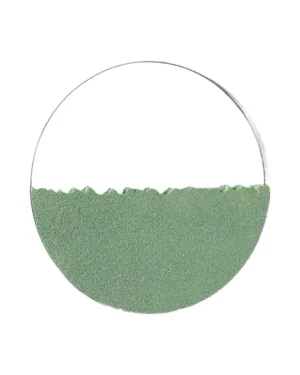
-
 In stock
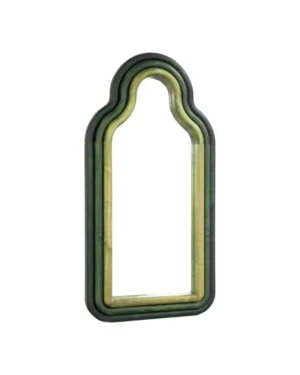
Eros Mirror
By Dzovag Kotchian
€860 -
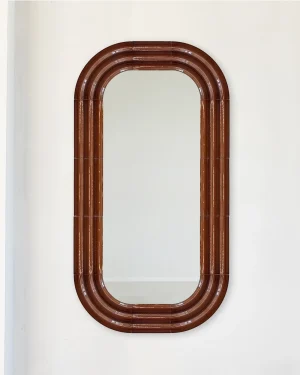 In stock
Elo Mirror 150×80 Cm – Hand Glazed Ceramic
By Pani Jurek STUDIO
€2.135 This product has multiple variants. The options may be chosen on the product page -
 In stock
Elo Mirror 60×90 Cm – Hand Glazed Ceramic
By Pani Jurek STUDIO
€1.070 This product has multiple variants. The options may be chosen on the product page -
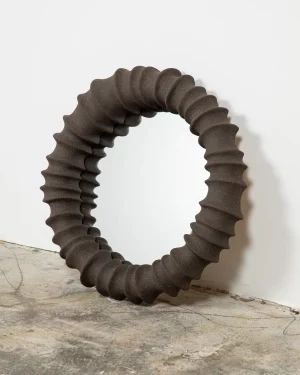
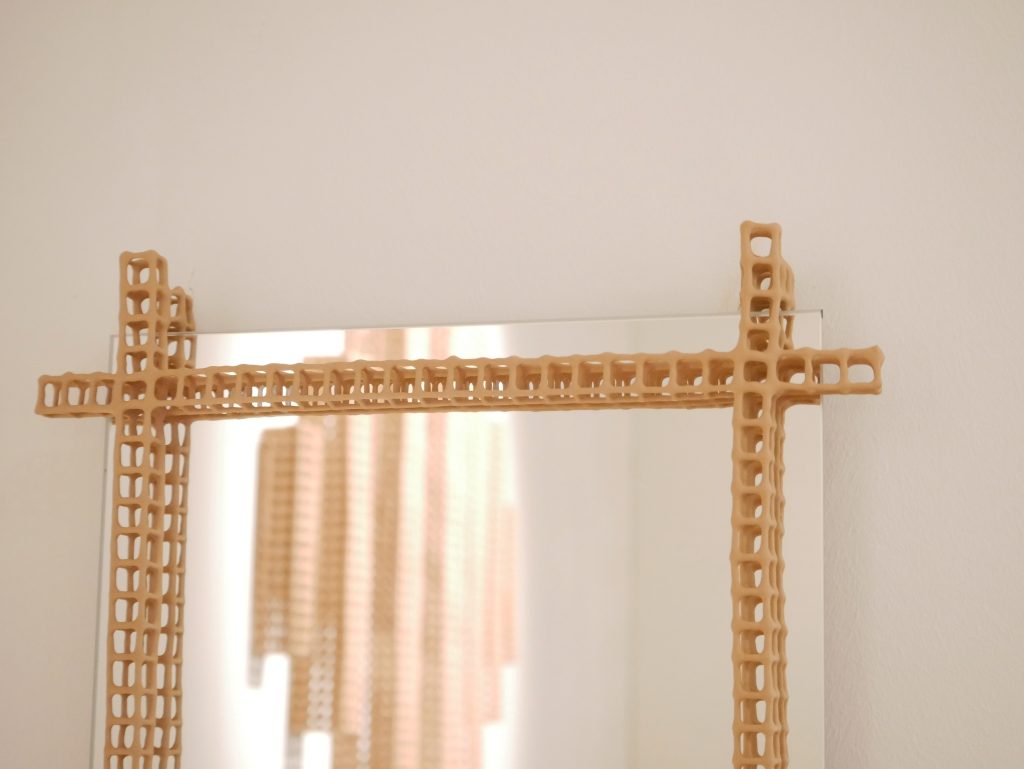
Rakis – Sculptural Neo-industrial Ceramic Wall Mirror
By Catalin Filip
€1.150 -
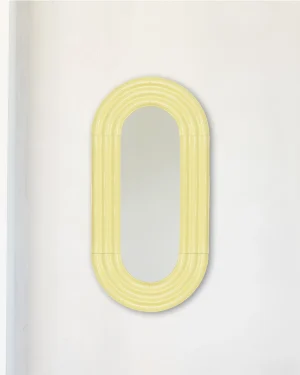 In stock
Elo Mirror 120×60 Cm – Hand Glazed Ceramic
By Pani Jurek STUDIO
€1.360 This product has multiple variants. The options may be chosen on the product page -
 In stock
Elo Mirror 60×60 Cm – Hand Glazed Ceramic
By Pani Jurek STUDIO
€815 This product has multiple variants. The options may be chosen on the product page -
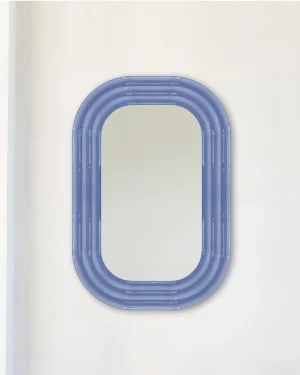 In stock
Elo Mirror 120×80 Cm – Hand Glazed Ceramic
By Pani Jurek STUDIO
€1.730 This product has multiple variants. The options may be chosen on the product page -
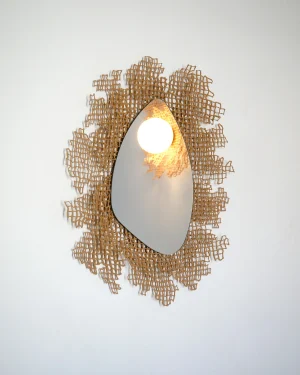 In stock
Coral Mirror – Clay Wall Mirror
By Dzovag Kotchian
€1.300 - €2.200 This product has multiple variants. The options may be chosen on the product page -
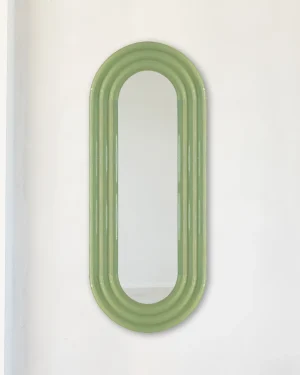 In stock
Elo Mirror 150×60 Cm – Hand Glazed Ceramic
By Pani Jurek STUDIO
€1.730 This product has multiple variants. The options may be chosen on the product page -
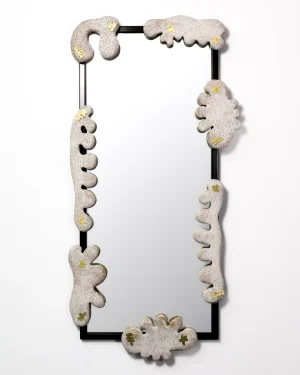
Tanguay – Ceramic And Metal Full Length Wall Mirror
By Luft Tanaka Studio
€6.400 -
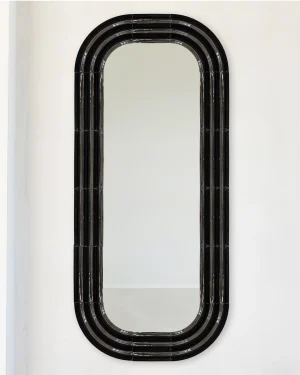 In stock
Elo Mirror 180×80 Cm – Hand Glazed Ceramic
By Pani Jurek STUDIO
€2.540 This product has multiple variants. The options may be chosen on the product page -
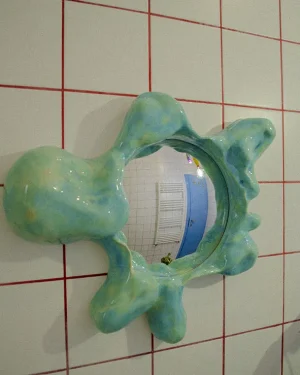 In stock
Butlers Mirror – Curved Glass Ceramic Mirror
By UAU Studio
€1.200 -
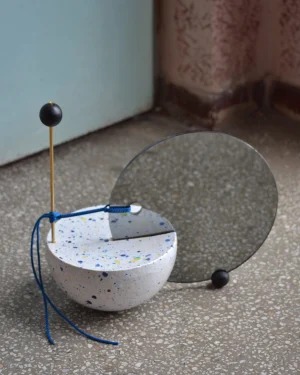 In stock
Hemisphere – Ceramic Vanity Mirror
By UAU Studio
€1.200 -
 In stock
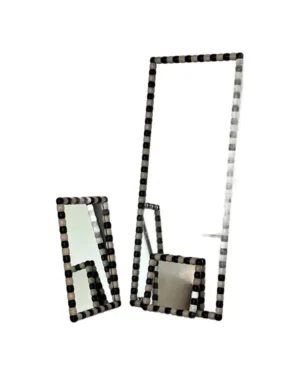
Checkerboard Mirror #1
By Dzovag Kotchian
€4.600 -
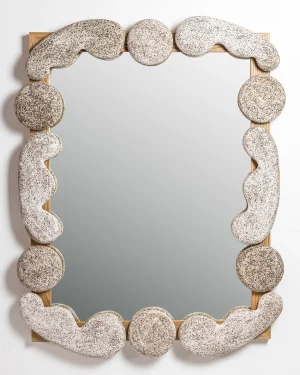
Roebling – Ceramic Wall Mirror
By Luft Tanaka Studio
€4.800 -
 In stock
Checkerboard Mirror #2
By Dzovag Kotchian
€4.600 -

Aya Mirror
By TheUrbanative
-
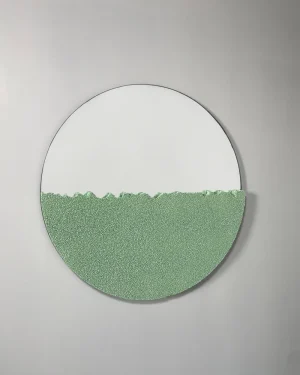
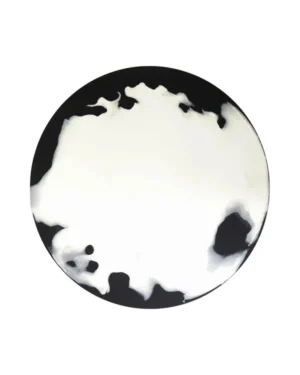
Fragment Mirror – Big Circle
By Jordan Keaney Design
€4.260 This product has multiple variants. The options may be chosen on the product page -
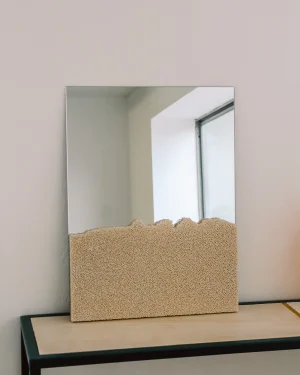 Sold
SoldFragment Mirror – Short Rectangle – Cream
By Jordan Keaney Design
Price Upon Request -
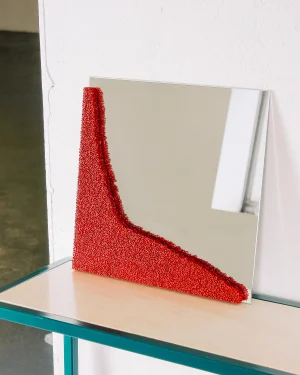 In stock
Fragment Mirror – Small Square – Midnight Red
By Jordan Keaney Design
Price Upon Request -
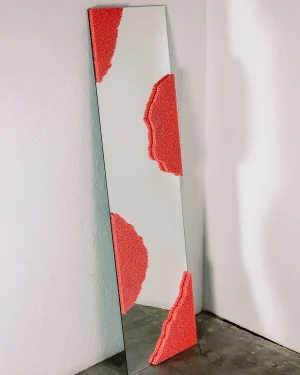 Sold
SoldFragment Mirror – Long Rectangle – Coral
By Jordan Keaney Design
Price Upon Request -
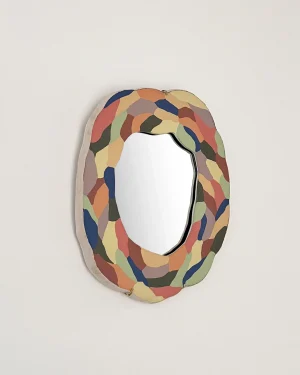 Sold
SoldIntensive – Stoneware Mirror
By Federica Paglia
€450 -
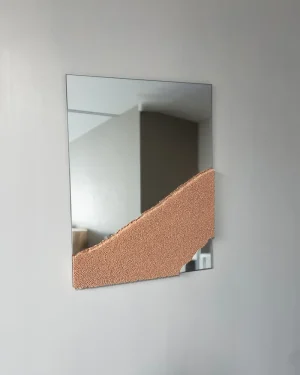 Sold
SoldFragment Mirror – Short Rectangle – Soft Peach
By Jordan Keaney Design
Price Upon Request -
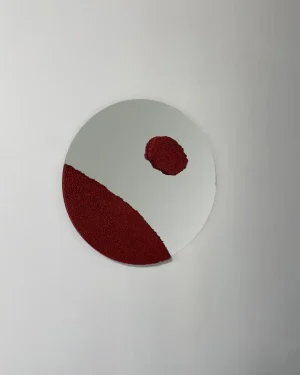
Fragment Mirror – Small Circle
By Jordan Keaney Design
€2.533 This product has multiple variants. The options may be chosen on the product page
Ceramic mirrors set a fired clay frame around a pane of glass, so the reflection sits inside a rim built or cast by hand rather than cut from wood or metal. Studios working in this material start from stoneware or earthenware, raise or press the shape, then finish it with glaze, slip, or hand painting before the mirror glass goes in. The frame reads as an object in its own right, closer to a piece of tableware than to a flat frame bought by the inch.
What defines a ceramic frame
Clay fires hard and keeps the mark of the hand: a coil, a seam, a thumbprint pressed into the rim before the glaze sealed it. Edges stay slightly uneven even on pieces built in a mold, and the weight sits forward, toward the wall, rather than hanging light like glass or aluminum. Because the body is fired once and glazed again, color runs deep into the surface instead of sitting on top as paint does.
Finishes, colors, and techniques
Studios reach for hand-building, slip casting, and sculpting to shape the rim, then glaze it in white, cream, coral, brick red, crimson, or deeper dark red and black-and-brown tones that shift slightly with each kiln load. Some frames stay raw clay at the edge and glazed only across the face; others take a full hand-painted finish, with brass or other metal fittings worked in at the back for hanging. Pieces turn up as open editions, limited editions, and true one-offs, so finish and exact tone vary from one to the next even within a single studio's line.
- Bodies: stoneware, earthenware, porcelain
- Surface: glaze, slip, hand painting, or raw clay left exposed
- Editions: open editions, limited editions, unique pieces
Choosing one for scale and placement
A ceramic rim adds width that a bare glass pane does not, so measure the full frame rather than the mirror plate alone before deciding on a wall for one of these ceramic mirrors. Lighter, thinner rims suit a narrow hallway or a shelf, while a deep-glazed or sculptural edge asks for open wall space where its shadow line can read from across the room. Hang a round or organic shape slightly lower than a rectangular one, since the eye reads its center rather than its top edge.
Where these mirrors sit well
Ceramic mirrors suit an entryway well, hung at eye level by a console or a row of hooks, where the glaze catches side light. In a living room, one works as a second focal point, set apart from a wall of framed art rather than inside it. Bathrooms call for pieces noted as suited to humidity; check the glaze before placing one near a shower or a sink left wet, since not every clay body is sealed for damp rooms.
Caring for a ceramic mirror
Dust the frame with a dry or barely damp soft cloth; a fully glazed surface wipes clean, while raw or unglazed clay stays porous and marks if left wet. Clean the glass itself with a standard glass cleaner applied to the cloth, not sprayed directly onto the frame, so moisture does not sit in any seam between clay and glass. Keep these pieces away from direct, sustained heat, which can stress the glaze and open hairline cracks over time.
For the wider range of frames and finishes, see every mirror in the mirrors category, or look across every ceramic piece on ADORNO for the same bodies and glazes applied to vases, lamps, and other objects. Ceramic mirrors sit alongside ceramic decor and ceramic vases for anyone building a room around one material, and those drawn to a plainer line can compare them with contemporary mirrors in other finishes.
How do I choose a ceramic mirror?
Look at the glaze and edge of the frame, since ceramic carries texture and color that painted wood or metal cannot match. Consider whether the piece is hand-built or slip cast, as this shapes its surface and weight.
How do you care for a ceramic mirror?
Dust the frame with a dry or slightly damp cloth, and clean the glass with a standard mirror cleaner. Avoid sudden temperature changes and knocks, since glaze and ceramic can chip or crack on impact.
What size ceramic mirror do I need, and how high should it hang?
Size depends on the wall and function: a console mirror sits smaller, an entry or living room piece can carry more scale. Hang so the center sits roughly at eye level, adjusting for ceiling height and furniture below.
Which rooms suit ceramic mirrors?
Ceramic mirrors suit entryways, living rooms and bedrooms, where a glazed surface and sculpted edge stand out against plain walls. In bathrooms, choose a piece rated for humidity, since not all glazes resist moisture equally.
Does ADORNO ship ceramic mirrors worldwide, and can I return one?
Shipping is insured and worldwide. Returns are accepted within 14 days, though made-to-order pieces are excluded from this policy.
Can I order a custom ceramic mirror, and how do I know it's authentic?
For sizing, glaze color or other custom requests, chat with the maker directly on the piece's page. Every order ships with a certificate of authenticity.