
-
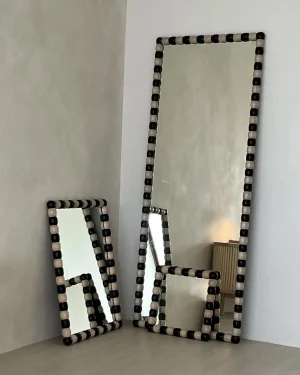
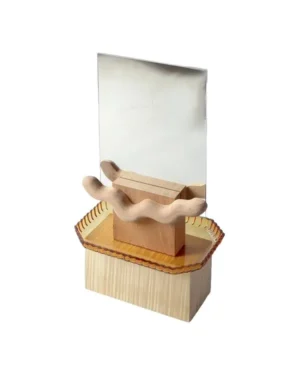
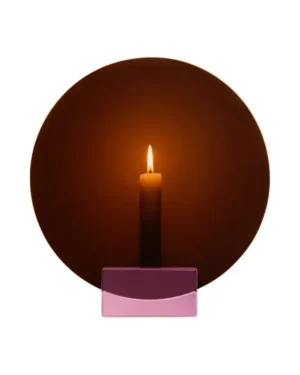
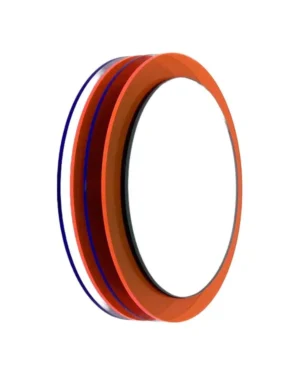
Onde – Two-toned Mirror
By STUDIO KALLANG
€940 - €2.050 This product has multiple variants. The options may be chosen on the product page -
 In stock
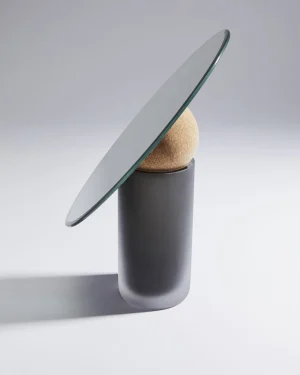
Mirror – Astra 30
By Clemence Birot
€409 -
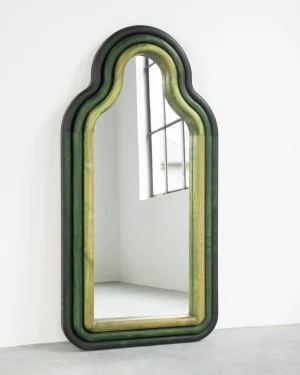
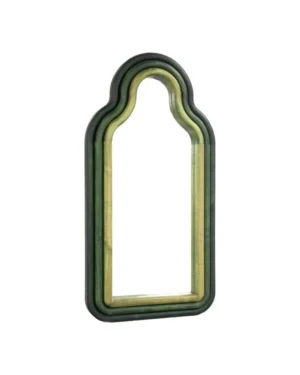
Trn Mirror / Triple / Solid Wood
By Pani Jurek STUDIO
€2.255 This product has multiple variants. The options may be chosen on the product page -
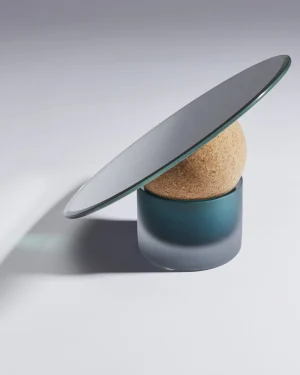 In stock
Mirror – Astra 24
By Clemence Birot
€345 -

Trn Mirror / M
By Pani Jurek STUDIO
€1.065 This product has multiple variants. The options may be chosen on the product page -
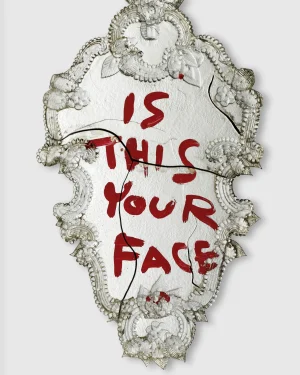
“YOUR FACE” Mirror
By Leo De Carlo
€5.000 -
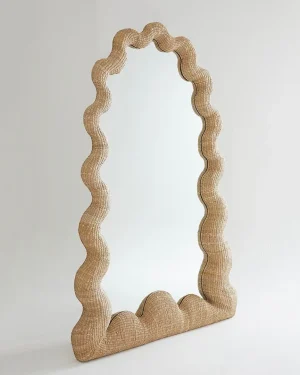
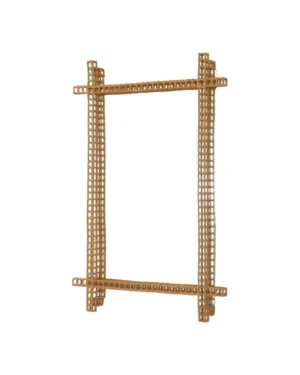
La Celebración – Handwoven Fiber Mirror
By Joyful Objects, Yes!
€6.000 -
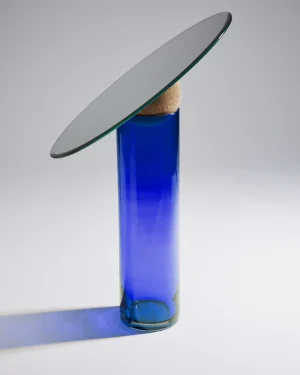 In stock
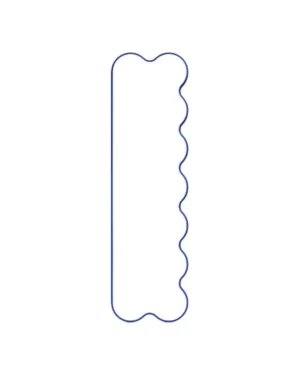
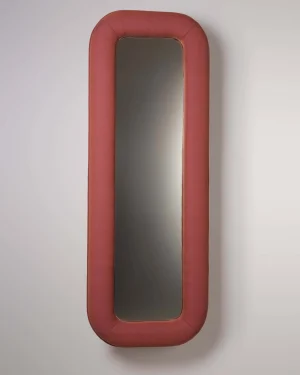
Mirror – Astra 34 Cobalt
By Clemence Birot
€540 -
 Sold
Combo Mirror – Upcycled Wall Mirror
By Jaclyn Pappalardo
-
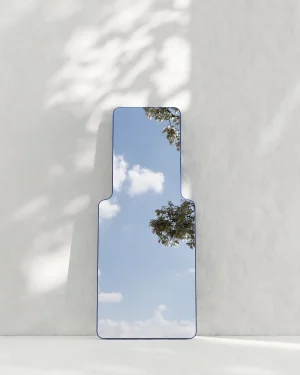
Loveself 03 – Shifted Full Length Mirror
By oitoproducts
€1.455 -

Aura Mirror
By PROSA
€4.200 -

Hvyli 14 – Wavy Full Length Mirror
By oitoproducts
€1.300 -
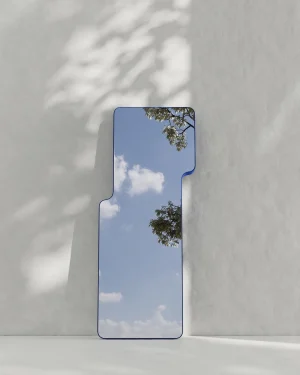
Loveself 04 – Shifted Full Length Mirror
By oitoproducts
€1.455 -

Phondo Mirror
By TheUrbanative
€1.400 -

Meadows Mirror
By BOTHI
€700 -

Brancusi Mirror, Sapele Mahogany Wood
By Josh Page Studio
€410 - €585 This product has multiple variants. The options may be chosen on the product page -
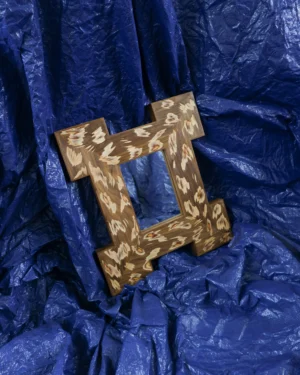
Acid Mirror, Carved Walnut Veneer
By Josh Page Studio
€430 - €610 This product has multiple variants. The options may be chosen on the product page -

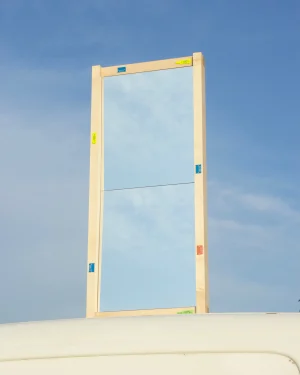
“lago” Wall Mirror | Liquid Metal
By Giselle Vanessa Johnson
€3.900 -
 In stock
Avivé Mirror – Maple
By Vital Lainé
€1.000 -
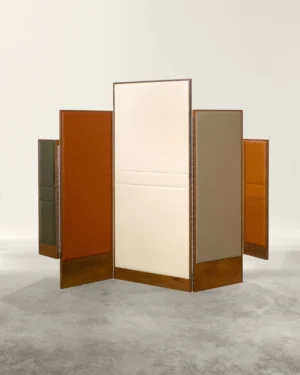
Amigo Biombo
By Fi
€6.800 -

Walnut Mirror B — Ves
By Anna Bera
€659 -

Babadeira – Wall Mirror & Shelf
By atelier PASSARELLI
€875 This product has multiple variants. The options may be chosen on the product page -

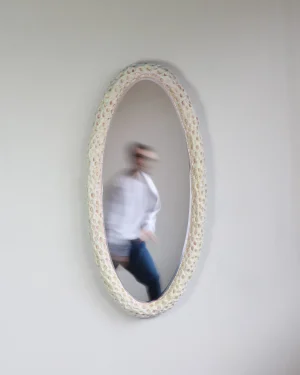
Sammukhin – Teak Wood Wall Mirror
By Studio Indigene
€2.100 -
 In stock
Blue Yellow Pink – Textured Papier-mâché Mirror
By David Čáp
€1.000 -
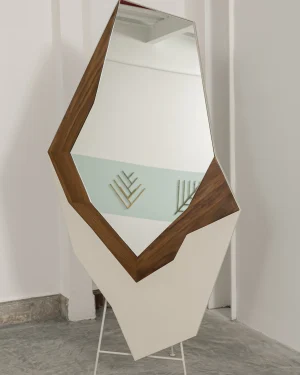
New Life Mirror – Tropical Depression
By Fi
€6.150 -
 In stock
De Vita Ad Vitam: The Mirror As A Philosophical Object
By Yury Goncharov
€9.600 -

Burning Mirror – Melting Collection | Sculptural Mirror In Burned Wood And White Marble
By Gábor Góbi
€24.390 -
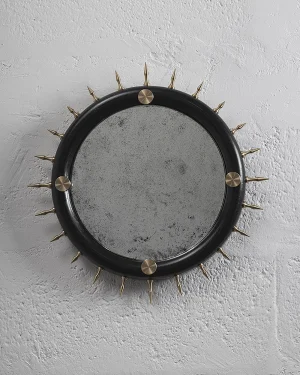 In stock
Sitiera_02 – Solid Wood Wall Mirror Bronze Or Stainless Steel Spikes
By ANDEAN
€1.257 This product has multiple variants. The options may be chosen on the product page -

Abraço — Sculptural Curved Wood Wall Mirror
By DONÓ Design
€2.100 -
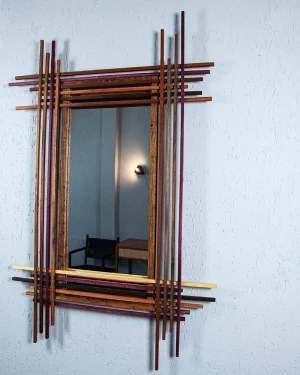
Fragments – Reclaimed Wood Mirror
By am.o atelier
€1.016 -

Walnut Mirror F2 — Ves
By Anna Bera
€777 -
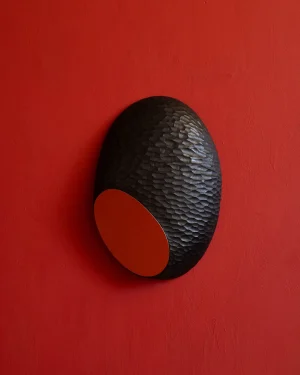
Carved Maple Mirror D — Ves
By Anna Bera
€682 -
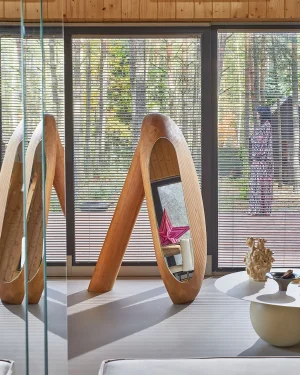
Object N.16 Mirror
By Anna Bera
€11.294 -
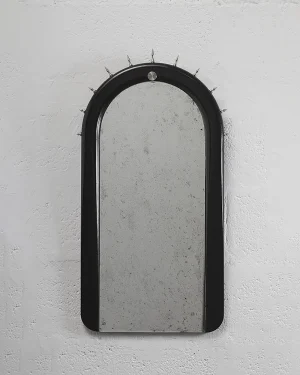 In stock
Sitiera_01 – Solid Wood Wall Mirror With Bronze Or Stainless Steel
By ANDEAN
€1.590 This product has multiple variants. The options may be chosen on the product page -
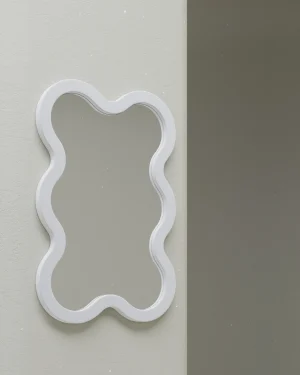
Hvyli 6 – Wavy Wall Mirror
By oitoproducts
€428 -
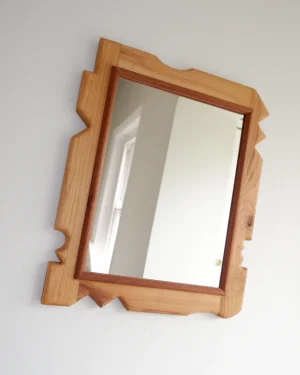
Cut Out Mirror, Cherry And Sapele Wood
By Josh Page Studio
€335 - €520 This product has multiple variants. The options may be chosen on the product page -
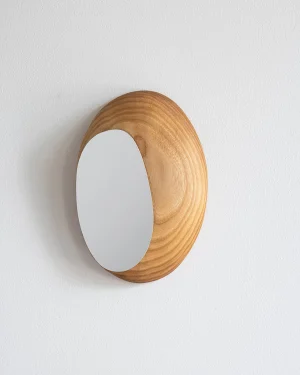
Elm Mirror F — Ves
By Anna Bera
€494 -
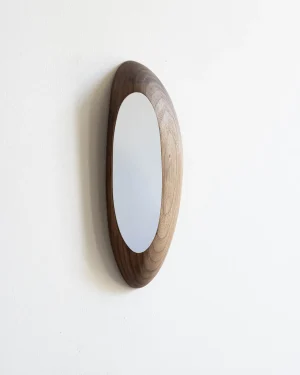
Walnut Mirror A — Ves
By Anna Bera
€659 -
20% off
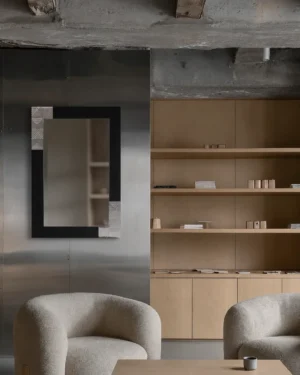
Marri Mirror
By MARAU
€9.000€7.200 -

Bistrò Reflections Floor Mirror
By Toro Manifesto
€6.200 -
 In stock
Hvyli 8 – Wavy Wall Mirror
By oitoproducts
€640 -
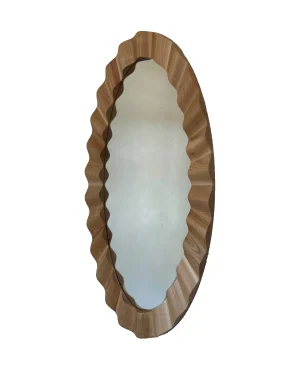
Ruffles – Cherry Wall Mirror
By Studio TOOJ
€5.550 -
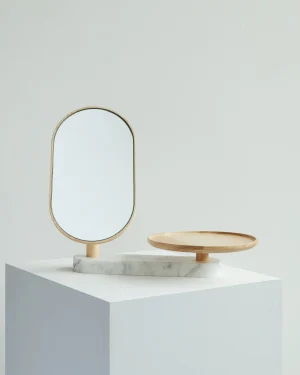 In stock
U-ap – Adjustable Marble Vanity Mirror
By Hasik Design Studio
€375 -
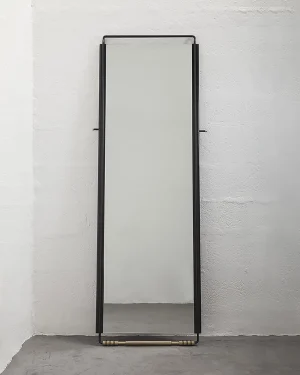 In stock
Perfidia_01 Floor Mirror In Solid Wood And Aged Bronze Details
By ANDEAN
€3.476 -
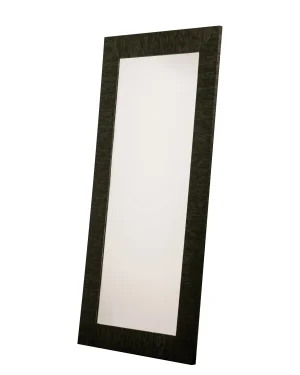
Desdemona – Black Maple Wood Large Standing Mirror
By Costantini Design
€2.960 -
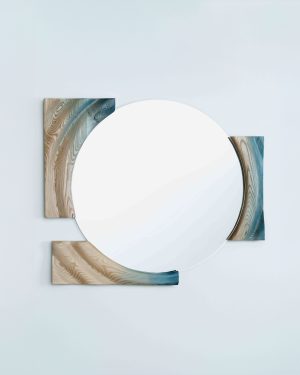 In stock
Blueprint Mirror
By Studio Kloak
€1.800 - €2.600 This product has multiple variants. The options may be chosen on the product page -
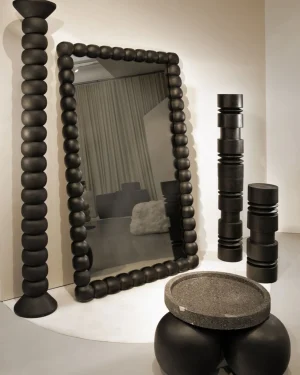
Fos Smoke Mirror
By Daniel Orozco Estudio
€3.435 -
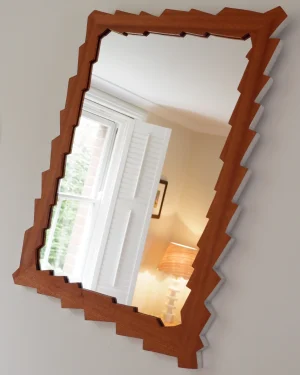
Shocking Mirror – Sapele Mahogany And Aluminium Gilded Frame
By Josh Page Studio
€400 - €588 This product has multiple variants. The options may be chosen on the product page -
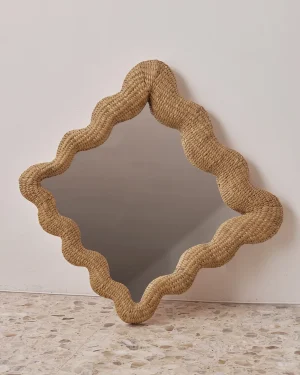
La Celebración Natural Mirror
By Joyful Objects, Yes!
€1.500 -
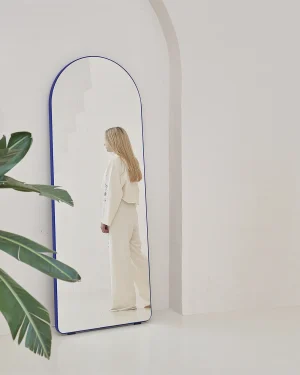 In stock
Loveself 01 – Classic Arched Mirror (wall, Floor, Full Length)
By oitoproducts
€1.400 -
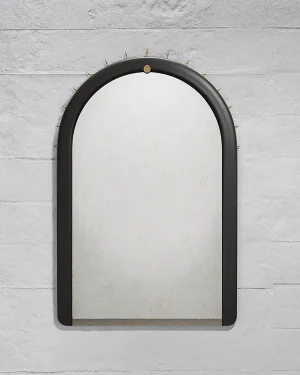 In stock
Sitiera_03 – Wall Mirror In Solid Wood & Aged Metal Mirror
By ANDEAN
€3.552 This product has multiple variants. The options may be chosen on the product page -
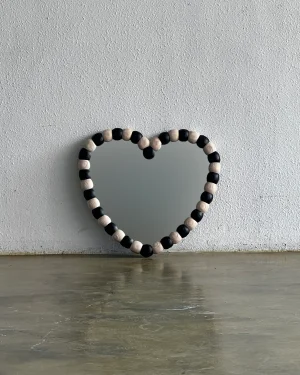
Onde Heart Mirror
By STUDIO KALLANG
€1.190 -
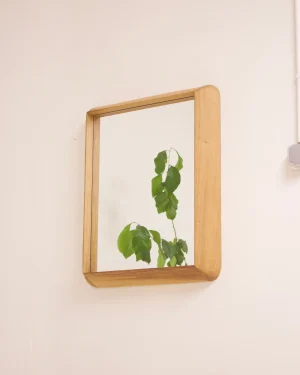 In stock
Gavrinis Mirror – Solid Oak Wood
By Vital Lainé
€2.000 -
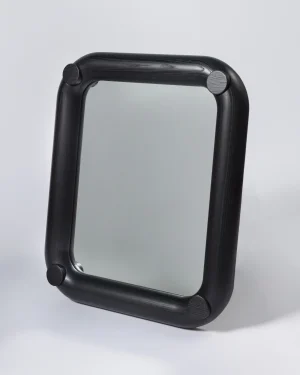
Mt Curve Wall Mirror In Ash Hardwood
By bnf studio
€2.500 This product has multiple variants. The options may be chosen on the product page
Wooden mirrors bring a frame, and sometimes a full surround, carved or joined from solid timber or veneered panels, pairing the reflective surface with the grain, weight and warmth of a material shaped by hand tools and machine alike. Studios working in wood and cabinetmaking favor species prized for stability and figure, finishing them to let the surface read as furniture rather than afterthought. The result sits closer to a sculptural object than a bathroom fixture, built to anchor a wall rather than disappear into it.
What defines a wooden mirror
The frame is the point. Where a mirror in glass or metal recedes, a wooden one carries visible joinery, a carved edge or a chamfered profile, so the timber reads as much as the reflection does. Grain direction, knots and color variation mean no two frames from the same species behave identically, and the wood will continue to move slightly with humidity and light over its life.
Materials, finishes and techniques found here
Oak, walnut and ash are common choices for their density and clear grain, often left in a natural or lightly oiled finish that darkens gradually with age and handling. Some studios work in MDF as a core material, veneered or painted to achieve a flatter, more graphic surface than solid timber allows. Alongside wood and cabinetmaking, you will find frames that bring in wood carving for raised or sculpted edges, and occasional pairing with metalwork for hardware or a secondary trim.
- Open editions, produced on an ongoing basis from a consistent design
- Limited editions, released in a fixed run and not reproduced once sold
- One-off pieces, each one the only example of its design
Color and finish range from pale, raw timber to charcoal stains and high-gloss lacquers, and styles span Art Deco mirrors with fan or stepped profiles through to pared-back, contemporary frames with little more than a square edge.
How to choose a wooden mirror
Scale and placement matter more with wood than with glass alone, since a heavy frame changes the proportions of a wall the way a piece of furniture would. Measure the wall section you intend to use, and leave margin around the frame rather than filling the space edge to edge. Hanging height follows the same logic as any wall piece: center the glass roughly at eye level for the room's main vantage point, lower if it sits over a console or chest.
Finish should match the surrounding woodwork, or deliberately contrast with it. A pale ash frame reads differently against dark floorboards than against a white wall, and a carved or routed edge will throw shadow under directional light, which is worth considering before it goes up.
Where they work well
Entryways benefit from the combination of function and presence, giving a last look before leaving while filling what is often a narrow, under-furnished wall. Bedrooms and dressing areas suit a larger format, especially where the frame can stand near other wood furniture without competing with it. Living rooms take a wooden mirror as a counterpoint to upholstery and textiles, adding a hard, grained surface among softer materials.
Caring for a wooden frame
Keep wood mirrors away from direct heat sources and prolonged damp, both of which encourage warping or splitting at the joints over time. Dust with a dry or barely damp cloth, and reserve oil or wax treatments for frames that are already finished that way, since the wrong product can leave a film on a lacquered surface. Wipe the glass itself with a standard glass cleaner applied to the cloth rather than sprayed directly, to avoid moisture working into the frame.
For the full range of mirror materials, see all mirrors, or look across every wood piece on ADORNO for frames, tables and seating in the same material. Wooden furniture, wooden seating and wooden accessories make natural companions to a wooden mirror if you are furnishing a room around the material rather than a single piece, available under wooden furniture and wooden accessories.
How do I choose a wooden mirror?
Match the wood tone to existing furniture, oak and walnut read warm, ash and pale woods read lighter. Consider frame width and shape against the wall space available.
How do I care for a wooden mirror frame?
Dust with a dry or slightly damp cloth, avoid soaking the wood, and keep it away from direct heat or steady sunlight. Occasional furniture wax or oil keeps the grain from drying out.
What size mirror and hanging height works best?
A mirror filling most of the wall above a console or sideboard tends to balance a room. Hang so the center sits roughly at eye level for the people using it.
Which rooms suit a wooden mirror?
Wood brings warmth to entryways, bedrooms and living rooms, where it softens hard surfaces like stone or tile. In bathrooms, choose a sealed or finished wood that resists moisture.
Does the wood grain or finish vary between pieces?
Yes, grain, knots and tone shift naturally from one piece of wood to the next. For specifics on a particular frame, chat with the maker on the piece's page.
How does shipping, returns and authenticity work when I buy from ADORNO?
Shipping is insured and sent worldwide, with a 14-day return window excluding made-to-order pieces. Every piece comes with a certificate of authenticity and a lowest-price guarantee.