-
 In stock
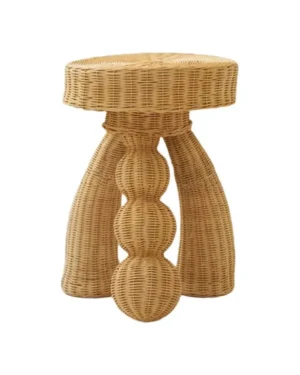
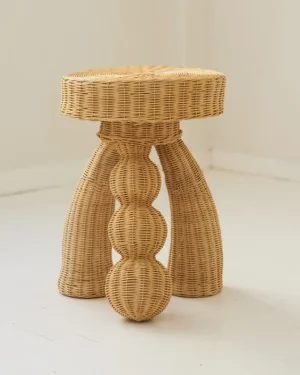
Pupa Side Table in Woven Rattan and Metal
By LØRDAG & SØNDAG
€845 -
Black Friday −15%
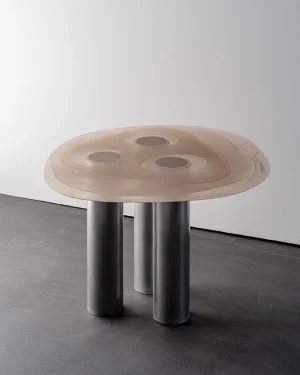
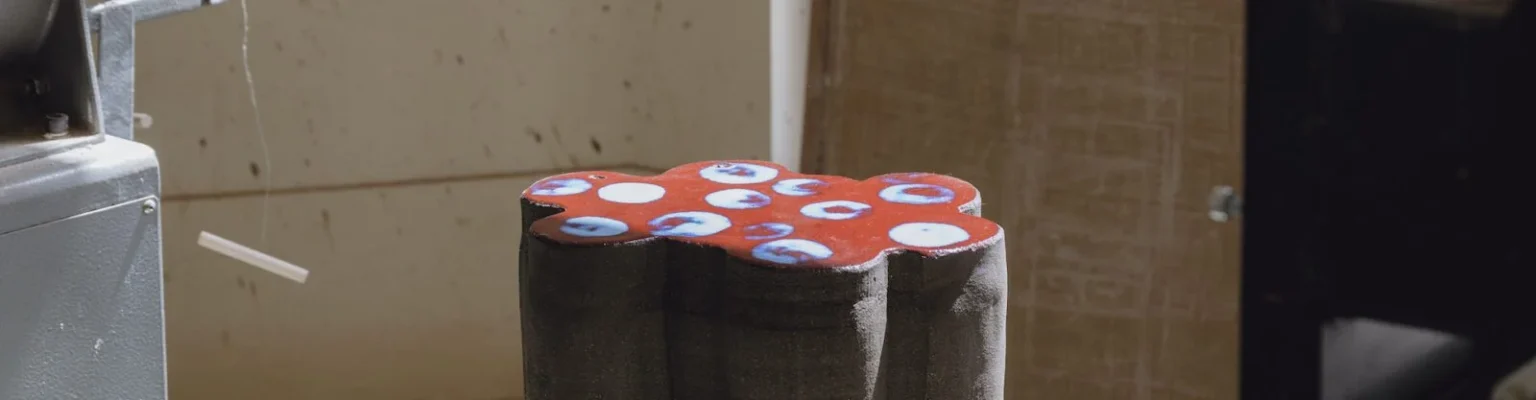
Flywater Side Table In Epoxy Resin
By Calen Knauf Studio
€2.838 (−15% applied at checkout) -
 In stock
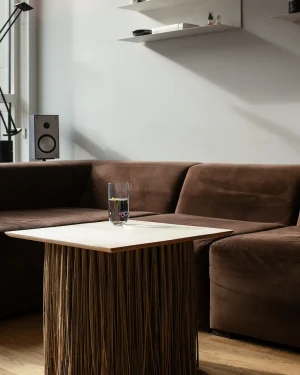
Brush Side Table In Ash Wood And Bamboo
By Calen Knauf Studio
€2.018 - €2.523 -

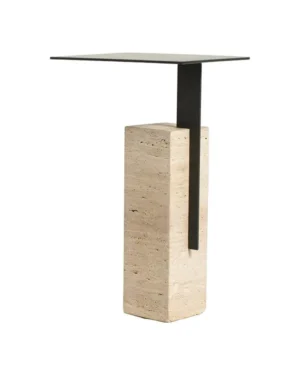
Mono Side Table in Travertine and Metal
By Yet Design Studio
€1.200 - €1.380 -
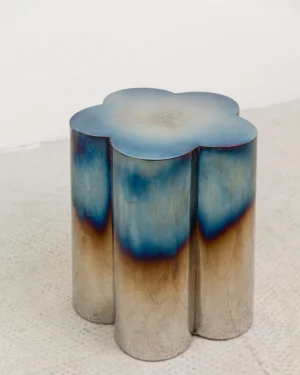
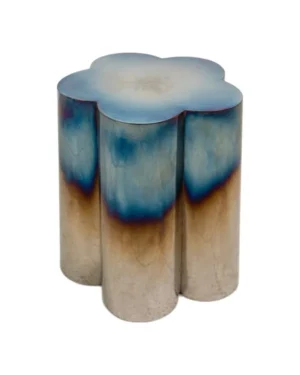
Barvinok Side Table in Heat-Treated Stainless Steel
By FURN OBJECT
€2.700 -
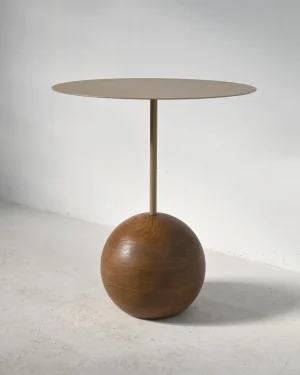
An Su Side Table in Steel and Ash Wood
By SALAK Studio
€690 -
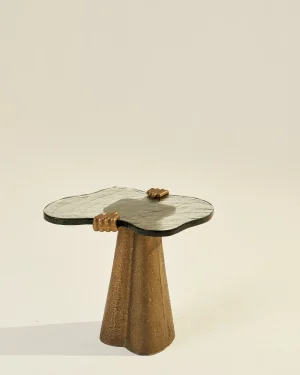
Paws Side Table in Cast Aluminum and Cast Glass
By LMNOH
€1.950 -
 In stock
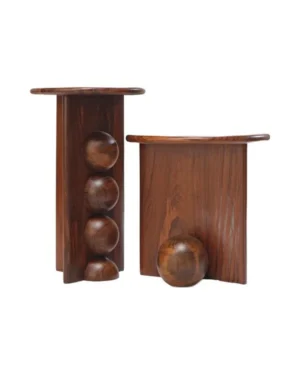
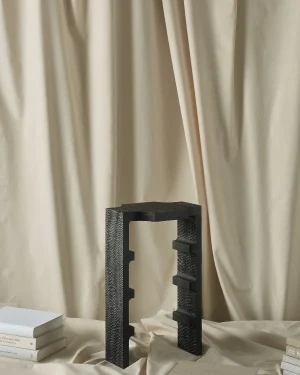
Side Book Side Table in Hand-Carved Walnut
By Mantas Lesauskas
€3.200 - €3.300 -
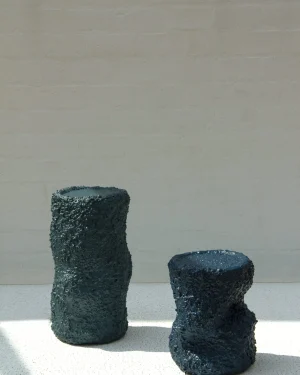
Xs + Xm Side Table In Special Composite Material
By Tellurico Design Studio
€3.870 -
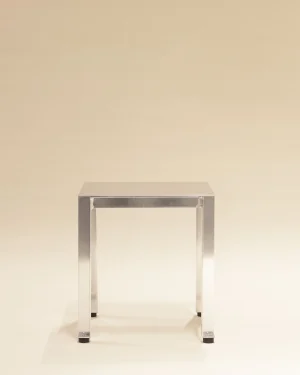
Canto Side Table in Aluminum
By Luiz Solano
€650 -
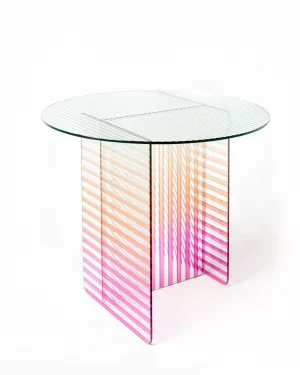
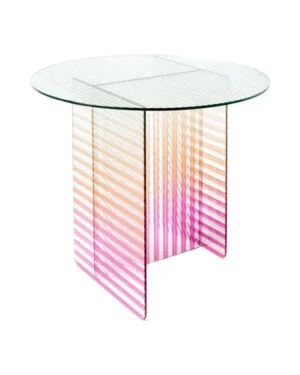
Kaila-I Side Table in Ribbed Glass
By Yugen Lab
€1.050 -
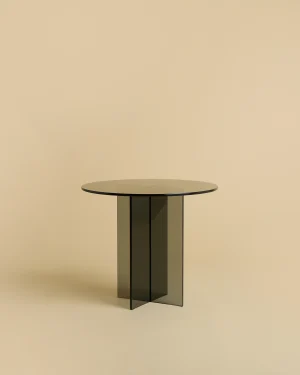
Amami Side Table in Smoked Glass
By Lebanto
€935 -

Nemo And Dory Side Table In Reclaimed Teak Wood
By Studio Indigene
€1.600 -
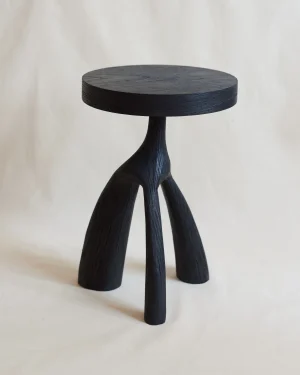 In stock
Tecolli Side Table In Burnt Oak Wood
By LØRDAG & SØNDAG
€940 -

Cork X 01 Side Table in Cork and Aluminum
By Robert Megel
€599 -
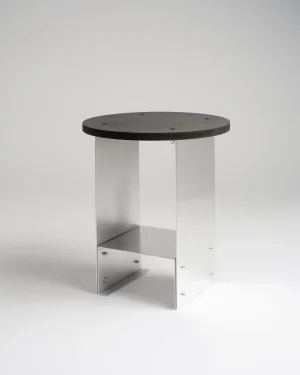
Broken Wing Stool
By Obscure Objects
€290 -
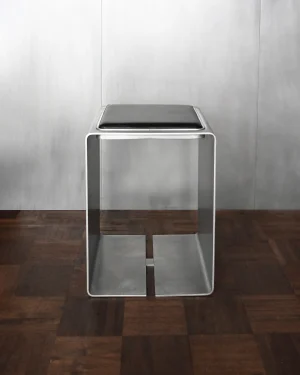
S001-10.2 Aluminum Stool
By NAVE
€500 -
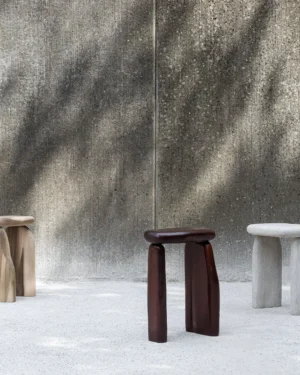
Windows of Bo Bardi Side Table in Tulip Wood
By Linde Freya Tangelder
€1.300 - €1.600 -
Black Friday −15%
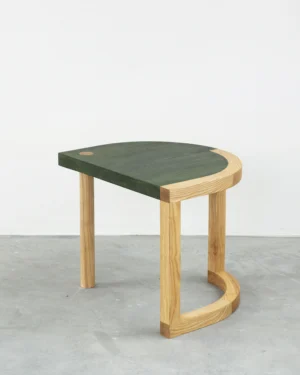
TRN Model 4 Side Table in Solid Ash Wood
By Pani Jurek STUDIO
€1.065 (−15% applied at checkout) -

TRN Model 3 Side Table in Solid Ash Wood
By Pani Jurek STUDIO
€1.065 -
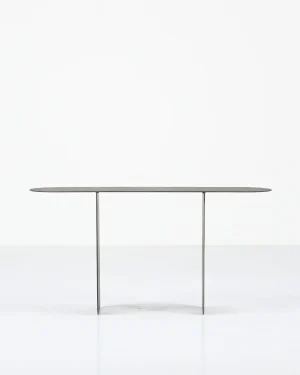
The Altar Side Table in Steel
By COSEINCORSO
€910 -
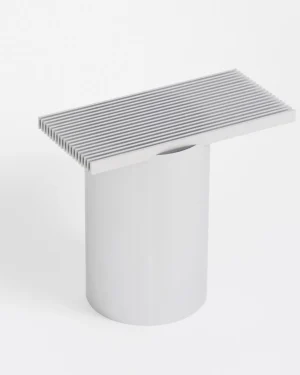 In stock
Vent Side Table In Anodized Aluminum
By Calen Knauf Studio
€1.291 -
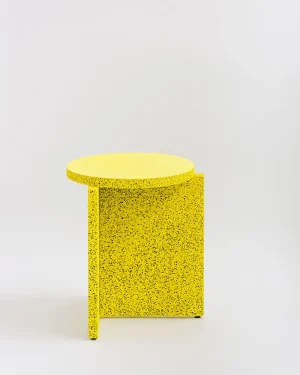
Sponge Side Table In Foamed Aluminum
By Calen Knauf Studio
€898 -
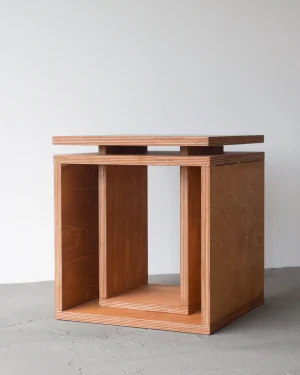 In stock
Cubo Side Table In Birch Plywood
By Edoardo Lietti Studio
€819 -

Aster Side Table In Parota Wood
By Daniel Couttolenc
€1.975 -
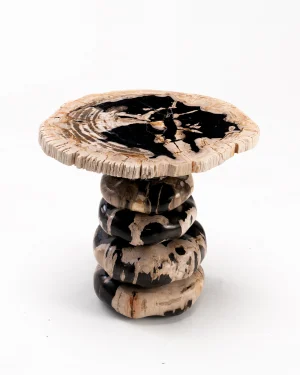
Dwayne Johnson Side Table In Petrified Wood
By Odditi
€1.480 -
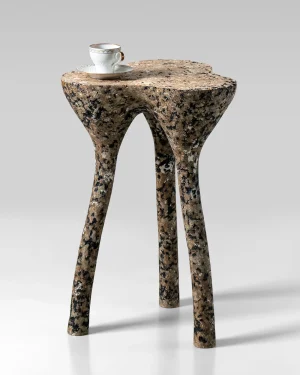
Beige Tripod Low Side Table In Paper Pulp And Cement
By Donatas Žukauskas
€1.150 -
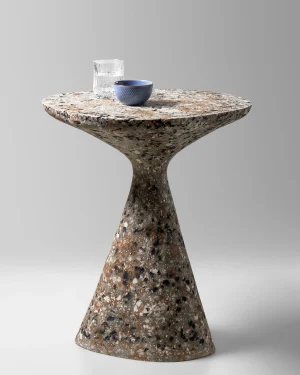
Beige Mottled Side Table In Paper Pulp And Cement
By Donatas Žukauskas
€1.100 -
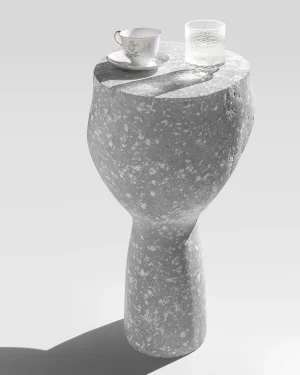 In stock
White Plinth Side Table In Paper Pulp And Cement
By Donatas Žukauskas
€850 -

Kaila-II Side Table in Ribbed Glass
By Yugen Lab
€1.000 -
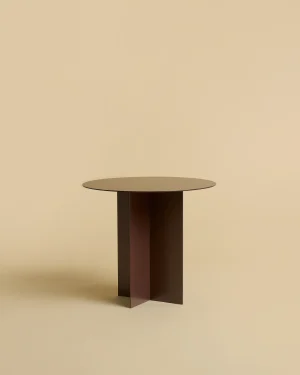
Wake Side Table in Metal
By Lebanto
€902 -
 In stock
Volcán Side Table in Volcanic Stone
By LØRDAG & SØNDAG
€1.841 -

Imaginary Object – Steel Stool
By Joana Teixeira
€1.600 -
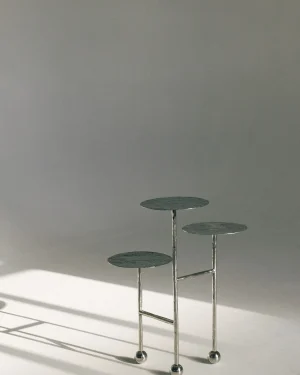
Liquid Side Table in Steel and Brass
By FURN OBJECT
€3.000 -
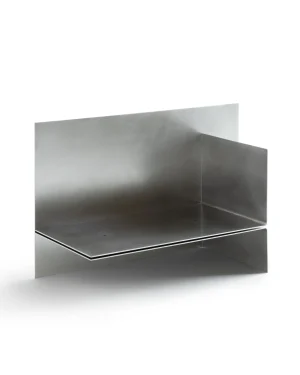
Polysemy Silver Side Table in Stainless Steel
By So Koizumi
€1.200 -
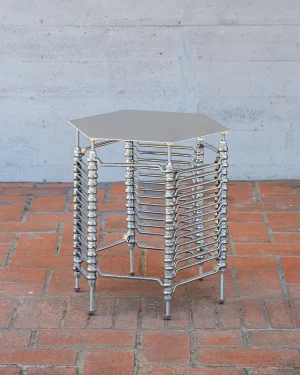 In stock
Wrench A Side Table In Aluminum And Iron
By Iyo Hasegawa
€1.600 -
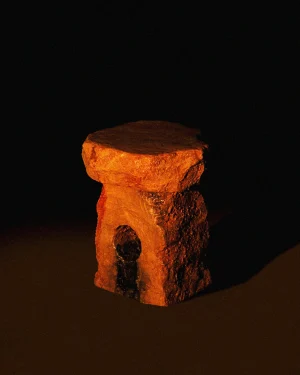 In stock
La Cauna – Escabèl 01 Stool
By Pierre Klein
€900 -
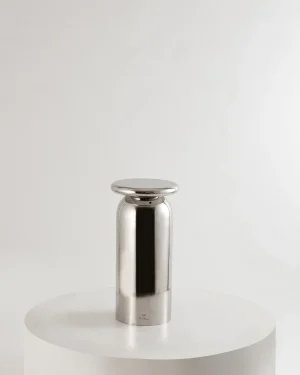 In stock
Scuba Side Table in Steel
By Nama Home
€1.840 -
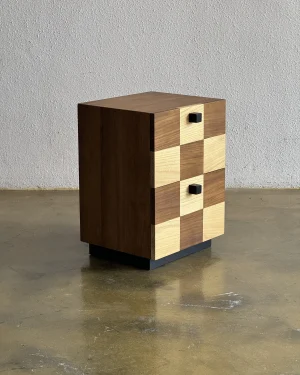
Coklat Side Table in Teak and Sungkai Wood
By STUDIO KALLANG
€1.450 -
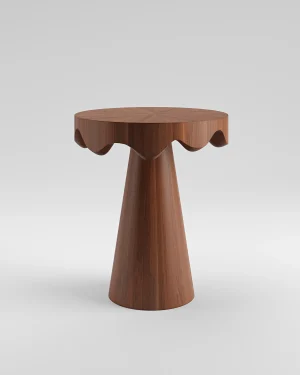
Dripotlé Side Table in Mahogany
By Studio TOOJ
€4.500 -
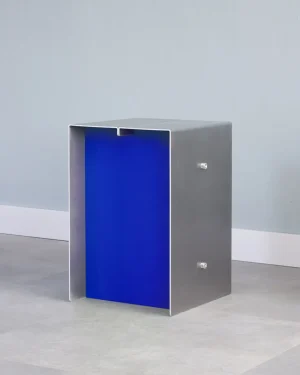
Core Aluminum Side Table / Stool
By Lisanne Meester
€399 -
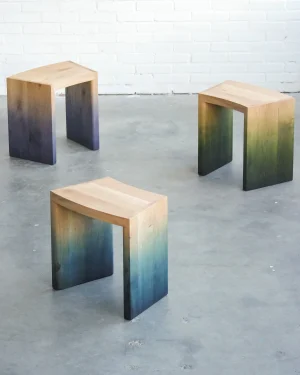 In stock
Dawn – Stool
By Studio Onno Adriaanse
€732 -
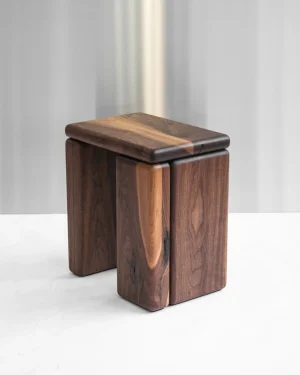
Timber – Walnut Stool
By Studio Onno Adriaanse
€992 -
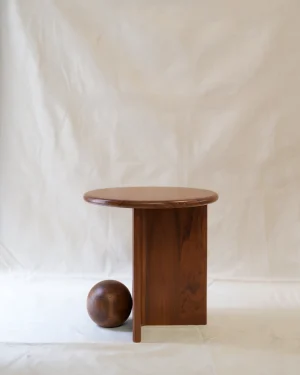
Dory Side Table in Teak Wood
By Studio Indigene
€850 -
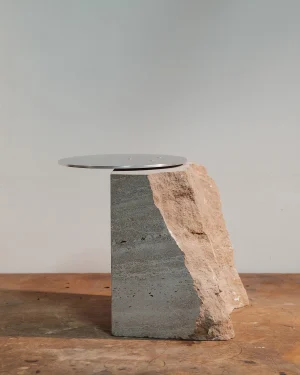
Fragments Side Table in Limestone and Aluminum
By Estudio Material
€3.300 -
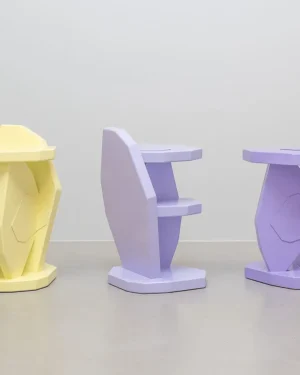
Patched Side Table in Painted Birch and Aluminum
By Jacob Mathias Egeberg
€1.300 -

Su Side Table in Steel and Ash Wood
By SALAK Studio
€590 -
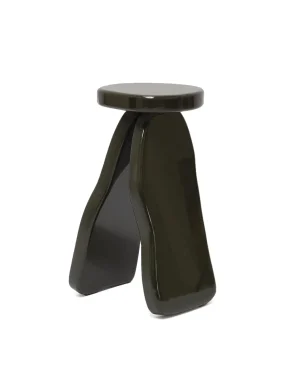
Object107 Side Table In Lacquered Oak Wood
By NG DESIGN
€610 -

Cherry Side Table in Steel and Wood
By SALAK Studio
€590 -
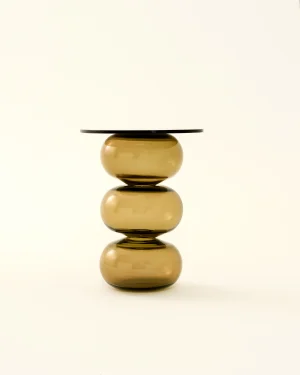
Donut Side Table In Blown Glass And Tempered Glass
By Deya
€1.633 -
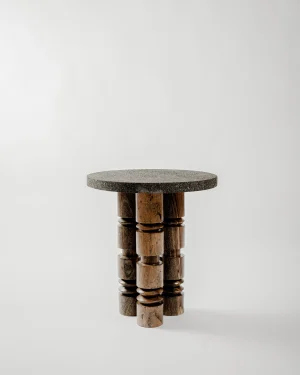
Fos Hill Side Table in Volcanic Stone and Jabin Wood
By Daniel Orozco Estudio
€1.379 -
 In stock
Knot Low Stool / Side Table In Solid Ash Wood
By Luis Gimeno Design
€800 -
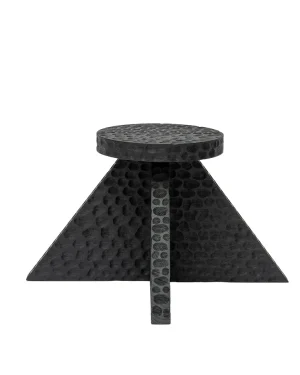
Object112 Side Table In Carved Oak Wood
By NG DESIGN
€820 -
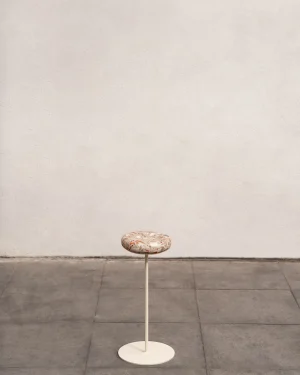
Brut Low Side Table in Terrazzo
By Assimply Studio
€285
Designer Side Tables
A side table is small enough to overlook and close enough to use every hour. It holds a lamp, a drink or a stack of books within reach of a chair, sofa or bed. Because the footprint is so small, material and joinery carry more visual weight than they would on a dining or coffee table, and that is why many independent studios treat the side table as a study in a single material.
Every side table here is made by an independent designer, studio or gallery, in open editions, limited runs and unique pieces. They are made in marble and other carved stone, solid wood, blown and cast glass, brass, steel and aluminum, woven rattan and poured resin. What ties them together is scale: an accent table small enough to sit beside furniture without competing with it, and sturdy enough to carry weight on a surface no larger than a seat cushion.
Side Table, End Table or Accent Table?
The terms overlap, and the difference comes down to placement.
- Side tables is the broadest term, covering any small table beside a chair, sofa or bed.
- End tables stand at the end of a sofa, often one at each arm, which is why end tables for the living room are often chosen in pairs.
- Accent tables are side tables chosen as much for presence as for use: a sculptural form, an unusual material, or a single piece that anchors a corner.
Getting the Right Side Table Size
Scale is the most common mistake and the easiest to avoid.
- Height beside a sofa: Aim for level with the sofa arm or up to 5 cm (2 in) below it, typically 50–65 cm (20–26 in).
- Height beside a chair: Match the chair arm so a hand can set down a cup without looking.
- Height beside a bed: Set it within a few centimeters (an inch or two) of the mattress top, usually 55–70 cm (22–28 in).
- Depth: Keep it no deeper than the sofa arm, so the table doesn’t project into the room.
- Clearance: Leave 5–15 cm (2–6 in) between the table and the sofa or chair.
- Tight spaces: A narrow side table or small side table suits a reading corner or hallway, and a round side table eases movement where people pass.
Popular Side Table Materials
Material is the shortest route into the collection.
- Marble side tables bring mass, a cool surface and veining that makes every piece different. Travertine, limestone and darker stones extend the palette from off-white to charcoal.
- Wood side tables in teak, oak or walnut age warmer with handling and light, and sit easily in mid-century modern and contemporary rooms.
- Glass side tables with cast or blown tops and bases carry a lighter visual weight, even when the piece is solid.
- Brass and metal side tables range from brass that develops a patina with use to steel and aluminum that read as minimalist or brutalist depending on the finish.
- Rattan side tables are light, warm and easy to move, a softer accent table for a bedroom or reading corner.
- Resin and epoxy give color and depth that cut stone or sheet metal cannot.
If a direction matters more than a material, browse pieces from quiet minimalist side tables, through modern side tables and contemporary end tables, to eclectic and maximalist accent tables.
Care by Material
- Marble and stone: Seal as recommended, and wipe up wine, oil or citrus quickly.
- Wood: Dust regularly, oil occasionally, and avoid sustained direct sun.
- Glass: Use a standard glass cleaner, and avoid sharp impacts on cast or blown edges.
- Brass: Leave it to patina, or polish occasionally with a brass cleaner if you prefer it bright.
- Steel and aluminum: Wipe with a dry or lightly damp cloth, and keep unsealed surfaces away from standing water.
- Rattan: Dust with a soft brush, and keep it away from heaters and constant damp.
- Resin and epoxy: Use mild soap and water, and keep away from direct heat.
For a different scale or placement, see coffee tables, console tables and nightstands, or the full range of tables from dining to occasional pieces.
How do I choose the right side table?
Start with placement: a sofa arm or bed height for ease of reach, a sturdier material if it will carry a lamp or stack of books. Let the material match the weight the room already carries, wood and stone for grounded corners, metal or glass for a lighter touch.
What is the difference between a side table and an end table?
Side table is the broad term for any small table beside a chair, sofa or bed. End table refers specifically to one placed at the arm of a sofa, often bought in pairs for symmetry.
What height should a side table be?
Aim for level with the sofa arm, or up to two inches above it, so a hand can reach a drink or lamp without looking. Beside a bed, match the mattress top for the same reason.
How do I care for marble, wood or metal side tables?
Wipe marble and stone promptly since acids and oil leave stains, and seal them periodically. Oil or wax solid wood to keep it from drying out, and dust metal and glass with a soft cloth to avoid scratching the finish.
Which rooms suit a side table?
Anywhere a hand needs somewhere to land: beside a sofa or armchair in the living room, next to the bed, or in an entryway for keys and a lamp.
How does shipping, returns and authenticity work at ADORNO?
Shipping is insured and sent worldwide. Returns are accepted within 14 days, except for made-to-order pieces, and every piece arrives with a certificate of authenticity. For specifics on a particular table, chat with the maker on its page.