-
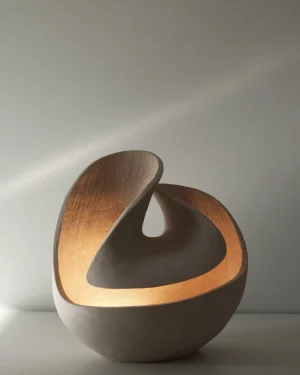
Athari Table Lamp in Ceramic
By Andrei Clontea STUDIO
€900 -

Nemo and Dory Side Table in Reclaimed Teak Wood
By Studio Indigene
€1.600 -

Alice – Cloud Sofa
By Joana Teixeira
€6.850 -
 In stock
Aurora Frosted Wall Sconce in Acrylic and Aluminum
By Catrinel Sabaciag
€1.352 -
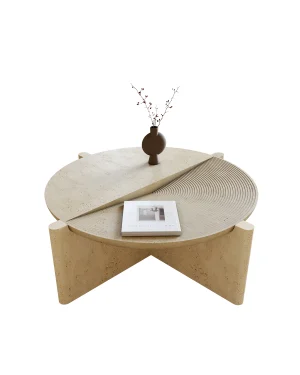
Arkhe No. 1 Round Coffee Table in Travertine
By Studio Kali
€6.170 -
 In stock
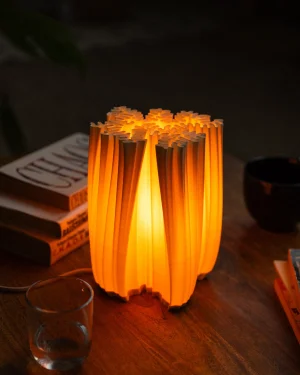
S 2 Table Lamp in Bio Plastic
By diploria studio
€215 -
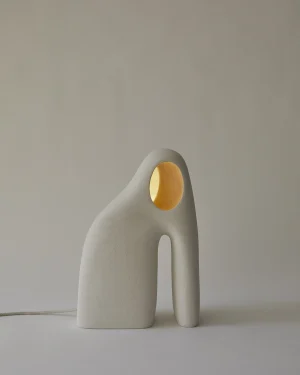
Nomad Ⅱ:02 Table Lamp in Stoneware
By SK - Sofia Karnukaeva
€2.480 -

Ju – Modular Wall Shelf
By PROSA
€1.285 This product has multiple variants. The options may be chosen on the product page -
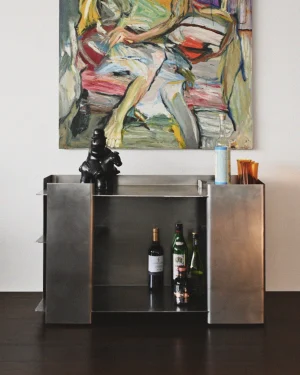
Stainless Steel Bar Cart
By NAVE
€2.900 -
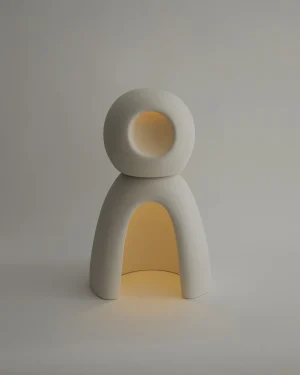
Nomad Ⅱ:09 Table Lamp in Ceramics and Stoneware
By SK - Sofia Karnukaeva
€2.780 -
 In stock
S 1 Table Lamp In Bio Polymer
By diploria studio
€215 -
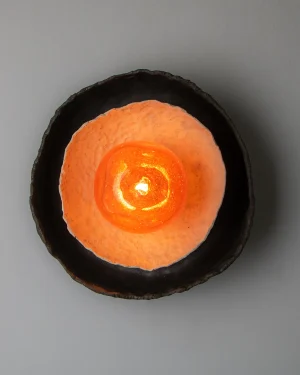
Asea No. 26 Red Wall Sconce in Blown Glass and Stoneware
By Ceren Gürkan
€1.100 -
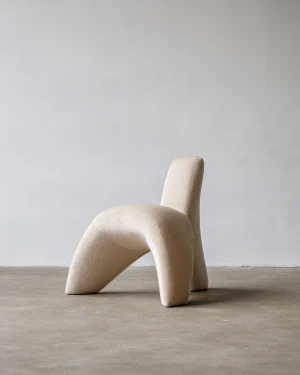
Sokil Armchair
By ZEMNA
€1.780 -
 In stock
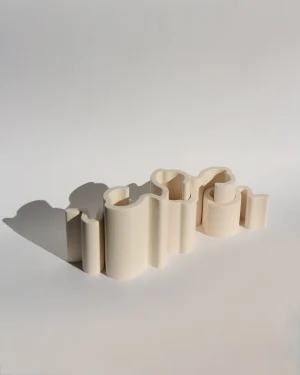
Ana-gram Kit 4 – Modular Candleholder
By Errance.
€114 -
5% off

Armchair Tobo
By Alter Ego Studio
€4.220€4.010 This product has multiple variants. The options may be chosen on the product page -
 In stock
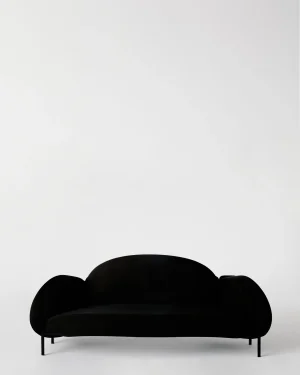
B.F.M.F Series, 180º Vertical Sofa
By Lucas Muñoz Muñoz
€22.000 -
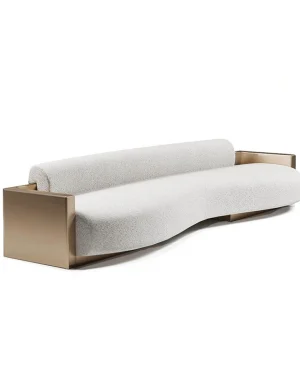
Assembly Sofa
By Alter Ego Studio
€8.890 - €9.650 This product has multiple variants. The options may be chosen on the product page -
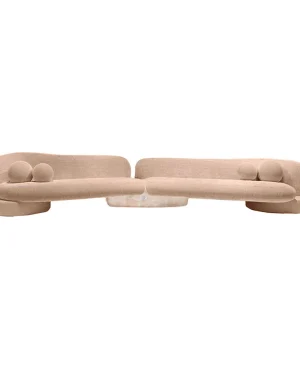
Mode Sofa – Modular
By Alter Ego Studio
€12.200 - €14.900 This product has multiple variants. The options may be chosen on the product page -
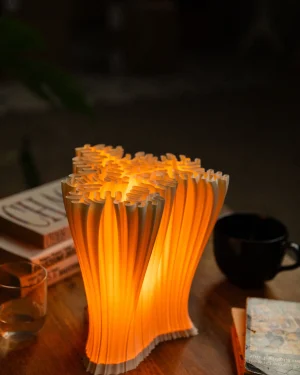 In stock
S 4 Table Lamp in Bio Plastic
By diploria studio
€235 -
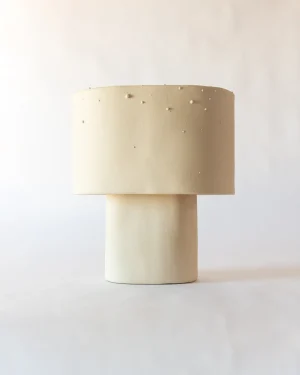
Lampe Beige Medium Table Lamp in Glazed Stoneware
By Huillet Lucas
€1.300 -
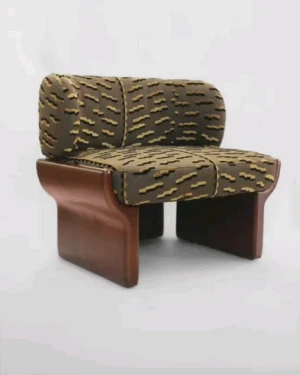
Lucky Armchair Tiger Mountain
By Alter Ego Studio
€5.220 -
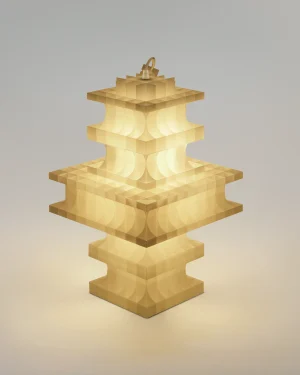
Citadel Large Lantern Light Sculpture
By Ultramar Studio
€1.250 -

Stack 029 – Raw Aluminium Shelf
By studio MOTO
€3.760 -
 In stock
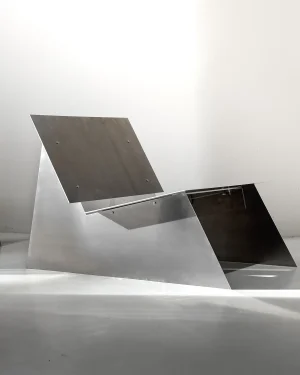
Aluminium Lounge Chair
By case studios
€1.571 -
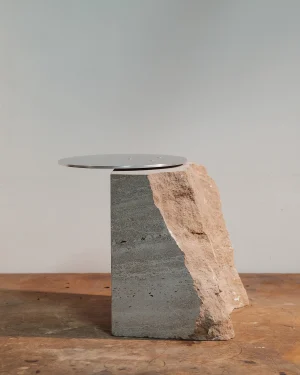
Fragments Side Table in Limestone and Aluminum
By Estudio Material
€3.300 -
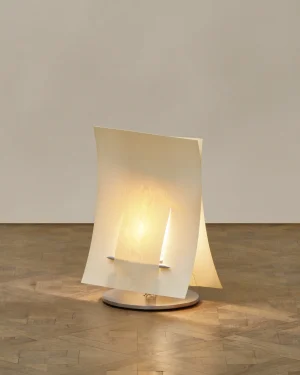
Soft Ply Table Lamp Series in Wood and Aluminum
By Sheyang Li
€785 -
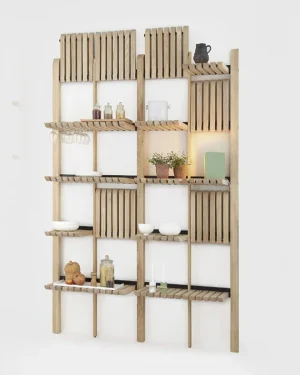
Gate – Modular Shelving System Natural Ashwood
By SVITANOK
€4.220 - €11.370 This product has multiple variants. The options may be chosen on the product page -
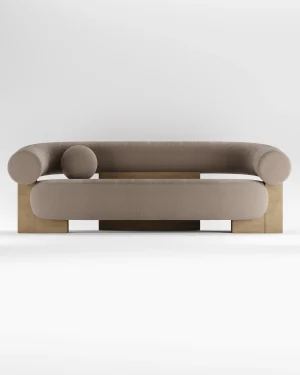
Cassette – Upholstered Sofa
By Alter Ego Studio
€9.950 -
 In stock
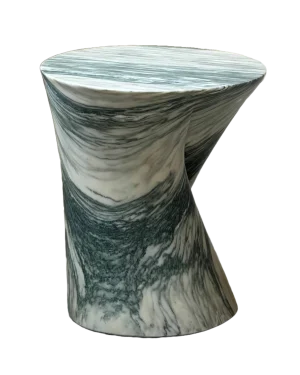
Departed Side Table in Cipollino Marble
By Studio TOOJ
€12.200 -
 In stock
Nova Wall Sconce in Blown Glass and Steel
By Ceren Gürkan
€700 -
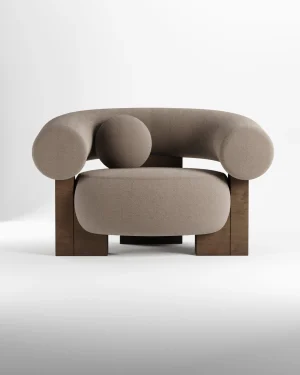
Cassette – Upholstered Lounge Chair
By Alter Ego Studio
€5.860 -
 In stock
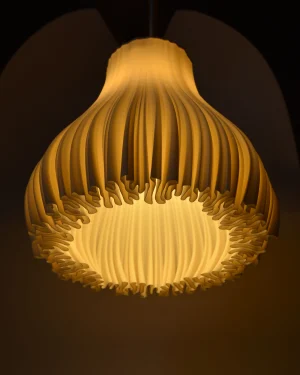
H 2 Pendant Lamp in Bio Polymer
By diploria studio
€255 - €335 This product has multiple variants. The options may be chosen on the product page -
 In stock
H 1 Pendant Lamp in Bio Polymer
By diploria studio
€255 - €425 This product has multiple variants. The options may be chosen on the product page -
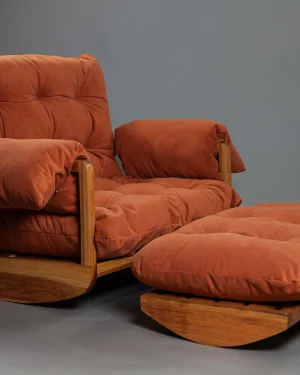
The Laziness Armchair
By am.o atelier
€3.130 -
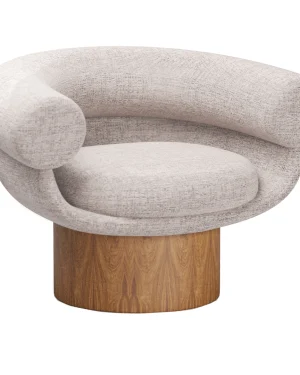
Bowl Armchair
By Alter Ego Studio
€5.500 - €5.550 This product has multiple variants. The options may be chosen on the product page -
Lucky Armchair
By Alter Ego Studio
€5.220 This product has multiple variants. The options may be chosen on the product page -
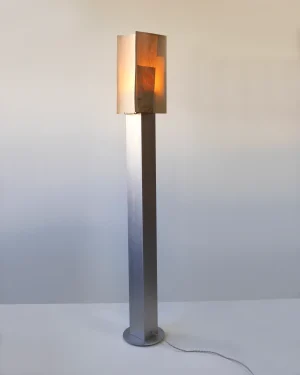
Soft Ply Floor Lamp in Wood and Aluminum
By Sheyang Li
€1.364 -

Bend – Upholstered Armchair
By Alter Ego Studio
€4.880 -
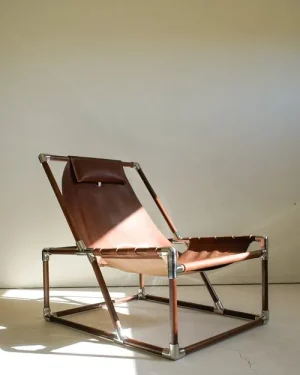
Marina Sling – Lounge Chair
By CHANDLER MCLELLAN
€2.588 -
 In stock
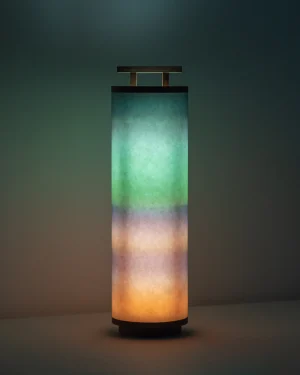
Torii G Pala Table Lamp in Washi Paper and Walnut
By Prangé
€1.232 -
 In stock
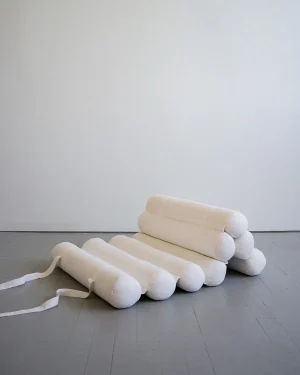
Camille – Versatile Pouf
By Atelier Alz
€1.000 -
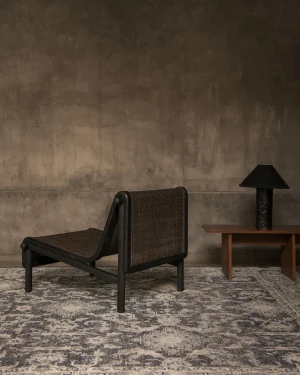
Rahi Lounge Chair
By Project 810
€1.500 This product has multiple variants. The options may be chosen on the product page -
 In stock
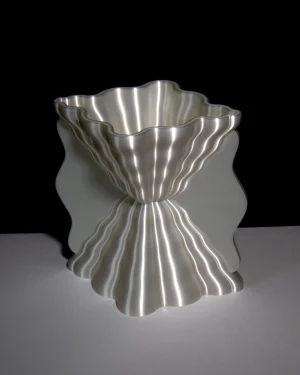
Galéa Table Lamp in Bio Plastic
By Errance.
€250 -
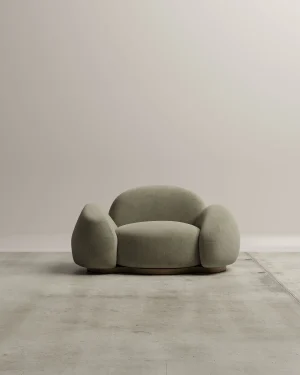
Bruto – Upholstered Sofa
By Joana Teixeira
€3.340 This product has multiple variants. The options may be chosen on the product page -
 In stock
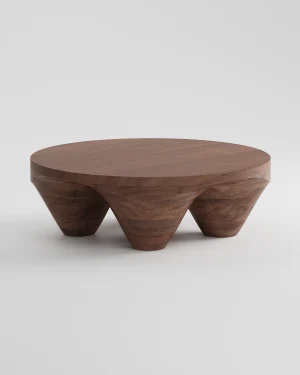
Utterö Coffee Table in Solid Mahogany
By Studio TOOJ
€17.900 -
 Sold
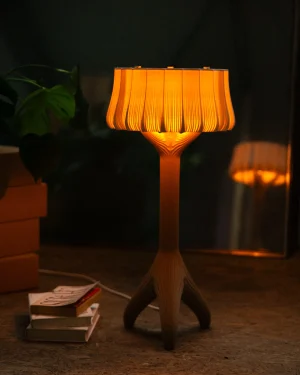
SoldM-1 Modular Floor Lamp in Bio Polymer
By diploria studio
€450 This product has multiple variants. The options may be chosen on the product page -
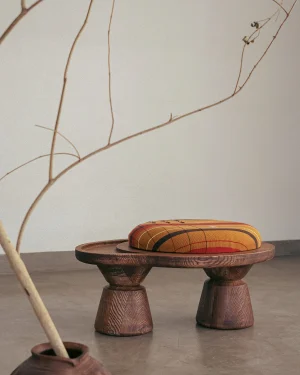
Müra Ottoman
By Shivangi Vasudeva
€2.100 -
 In stock
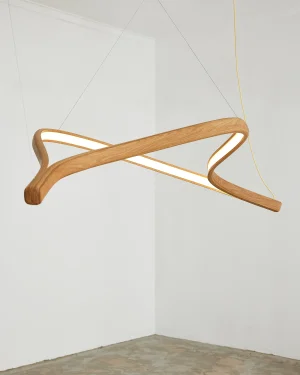
Perola Pendant Lamp in Oak Wood
By Poémia
€8.000 -
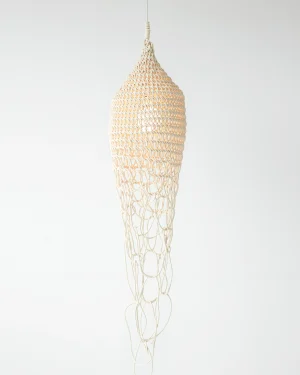
Meduse Pendant Lamp in Cotton
By Annie Legault
€700 This product has multiple variants. The options may be chosen on the product page -
 In stock
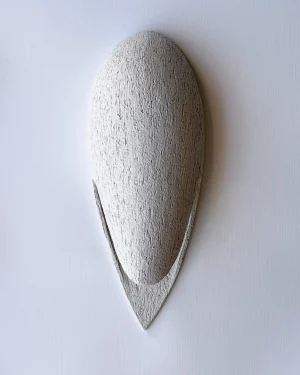
Inverted Drop Exterior Sconces In Ceramics
By Katia Langeard
€380 -
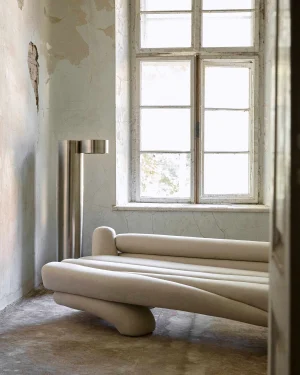
Viter Sofa
By ZEMNA
€10.900 -
 In stock
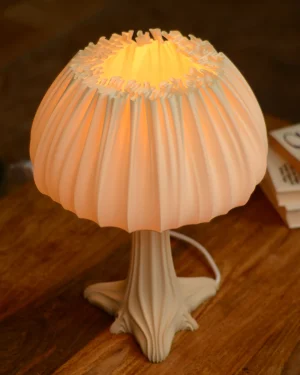
M 2 Table Lamp in Bio Plastic and Sand
By diploria studio
€335 -
15% off
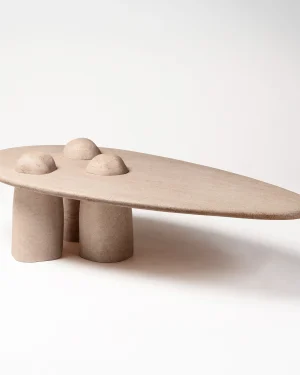
Rocky Montage Coffee Table in Sandstone
By Odditi
€4.950€4.208 -

Jell – Asymmetric Armchair
By Alter Ego Studio
€7.220
Environmental Wellness: Design for Doing Less
Environmental wellness focuses on how the spaces around us shape our physical comfort, emotional balance, and daily habits. Light, materials, air, sound, and spatial flow all influence how we feel and function at home. Thoughtful interiors support calm, clarity, and a deeper sense of connection to our surroundings.
Rather than emphasizing perfection, environmental wellness values awareness. It encourages interiors that respond to human needs through texture, proportion, and sensory balance. This perspective appears across contemporary design conversations around biophilic design, material honesty, and slower, more intentional living.
What Is Environmental Wellness
Environmental wellness describes the relationship between personal well-being and the built environment. It considers how design choices affect mood, energy, focus, and rest.
Natural light, breathable materials, visual calm, and meaningful objects all play a role. Environmental wellness does not rely on trends, but on long-term comfort and awareness, aligning closely with ideas explored in nature-led design.
Why Environmental Wellness Matters in Interior Design
Modern life places constant demands on attention and energy. Interiors that support environmental wellness help counterbalance this by creating spaces that feel restorative rather than overstimulating.
Designers increasingly consider wellness as a design principle rather than an add-on. This shift mirrors broader discussions in our relationship with objects and how spaces support daily rituals.
Core Elements of Environmental Wellness
Light and Rhythm
Natural light supports circadian rhythms and emotional balance. Layered lighting helps adapt spaces throughout the day. See approaches to light in diffused lighting and sculptural illumination.
Material Awareness
Materials influence how a space feels to the touch, eye, and body. Natural and tactile surfaces such as wood, stone, ceramics, and textiles ground interiors and introduce warmth.
Material choices often reflect values tied to longevity and care, as explored in ceramic design and woodworking traditions.
Air, Space, and Flow
Clear circulation, uncluttered layouts, and breathable spaces support ease of movement and mental clarity. This principle appears frequently in minimalist and wabi-sabi interiors.
Sound and Texture
Soft surfaces, layered textiles, and sculptural wall elements help absorb sound. Rugs, wall art, and textiles reduce echo and create acoustic comfort.
Environmental Wellness by Room
Living Room
In the living room, environmental wellness comes from balanced seating layouts, layered light, and grounding materials. Sculptural objects and tactile surfaces create visual interest without overstimulation.
Bedroom
The bedroom benefits from subdued lighting, natural materials, and visual calm. Textiles, wood furniture, and soft color palettes encourage rest and recovery.
Dining Room
Environmental wellness in the dining room supports connection and ritual. Thoughtful tableware, lighting, and material contrast enhance shared moments.
Home Office
In the home office, wellness-driven design focuses on light positioning, ergonomic furniture, and visual order. Mirrors, plants, and warm materials reduce fatigue and improve focus.
Entryway
The entryway sets the emotional tone of the home. Clear surfaces, calming materials, and intentional objects help transition between outside and inside.
Objects That Support Environmental Wellness
Decor objects play a meaningful role in shaping atmosphere. Wall art, mirrors, vessels, and sculptural forms add rhythm and reflection to a space.
Explore sculpture, vases, mirrors, and rugs that support sensory balance and visual grounding.
Sustainability and Environmental Wellness
Environmental wellness often overlaps with sustainability, but the focus remains on lived experience. Long-lasting materials, repairable objects, and thoughtful production reduce both environmental and mental strain.
This mindset aligns with ideas in sustainable design and artisanal craft, where care and intention shape the design process.
Common Mistakes to Avoid
- Overcrowding spaces with visual noise
- Ignoring natural light and airflow
- Using hard, reflective surfaces without balance
- Choosing objects without emotional or tactile value
How to Begin an Environmental Wellness Approach
Start with awareness. Observe how a room feels at different times of day. Notice light, sound, and movement.
From there, introduce materials and objects that support calm and clarity. Small changes, such as adding a mirror to reflect light or introducing natural textures, often have the greatest impact.
For further guidance, explore zen-inspired interiors, cozy living spaces, and curated design inspiration.
Environmental wellness is not about control or minimalism alone. It is about creating spaces that feel supportive, grounded, and aligned with how we live each day.