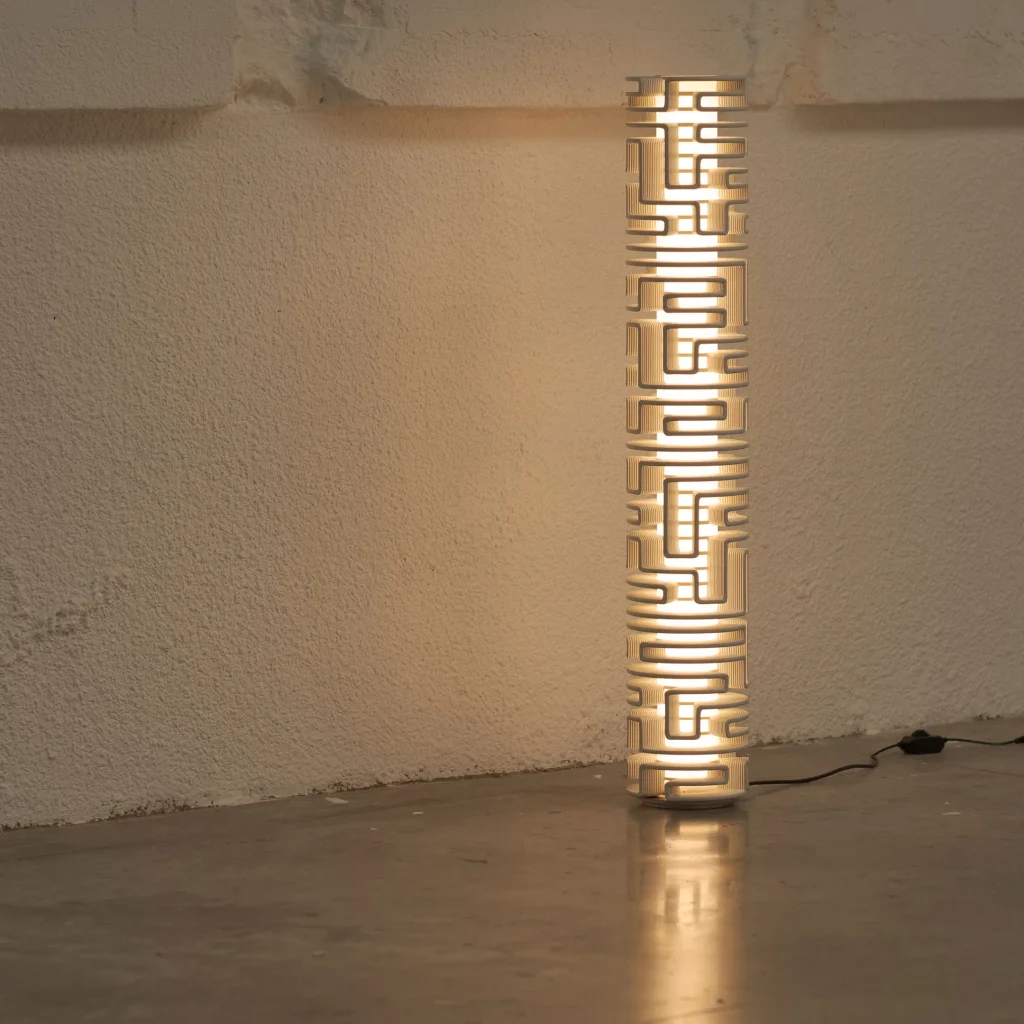
A collector can’t touch your piece. They can only look at it. Your photos have to do everything else.
For an international buyer, a product page is the showroom. There is no handshake, no walk around the object, and no chance to run a hand over the finish.
That makes photography the most important sales tool a studio owns. This guide covers the shots buyers want, a simple order for them, and the details that turn views into orders.
Why Photos Decide the Sale
Furniture and home objects are high-consideration purchases. According to Retail Insider, hesitation comes mainly from not knowing what you are getting, not from price.
The same piece notes that many product pages rely on two to four static shots. Shoppers then struggle to judge scale, finish, and how a piece works.
One 2023 survey backs this up. Visualisation company Nfinite polled 1,074 US consumers. It is a vendor’s own research, so treat it as a signal, not a law.
- 69% said a lifestyle image catches their eye more than a plain packshot.
- 65% were more likely to buy when they could see an item from every angle.
- 56% were less likely to buy furniture without images of the finish they wanted.
- 83% said they would return a product that didn’t match its online image.
The lesson is simple. A buyer who is sure of what arrives is a buyer who orders.
The Six Shots Every Piece Needs
You don’t need a large shoot. You need the right six frames, in the right order.
- The hero. One clean, full view of the whole piece. This is the image that appears in search, so make it your best.
- The room. Show the piece in a real setting. A minimalist or maximalist interior helps a buyer picture it at home.
- The detail. Get close to the material. Grain, weave, glaze, and weld lines all signal quality.
- The angles. Add the side, the back, and the underside where it matters. Nobody should wonder what the other half looks like.
- The scale shot. Place a person, a book, or a known object beside it. Scale is the first thing a buyer can’t judge.
- The making. A hand, a tool, a workshop corner. It proves the piece is handmade and gives the buyer a story to repeat.
Light, Background, and Colour
Good light does more than any camera. Most studios already have a window, and that is enough to start.
- Use soft daylight. Place the piece beside a large window, and avoid harsh direct sun.
- Keep the background quiet. A plain wall or paper sweep lets the object lead.
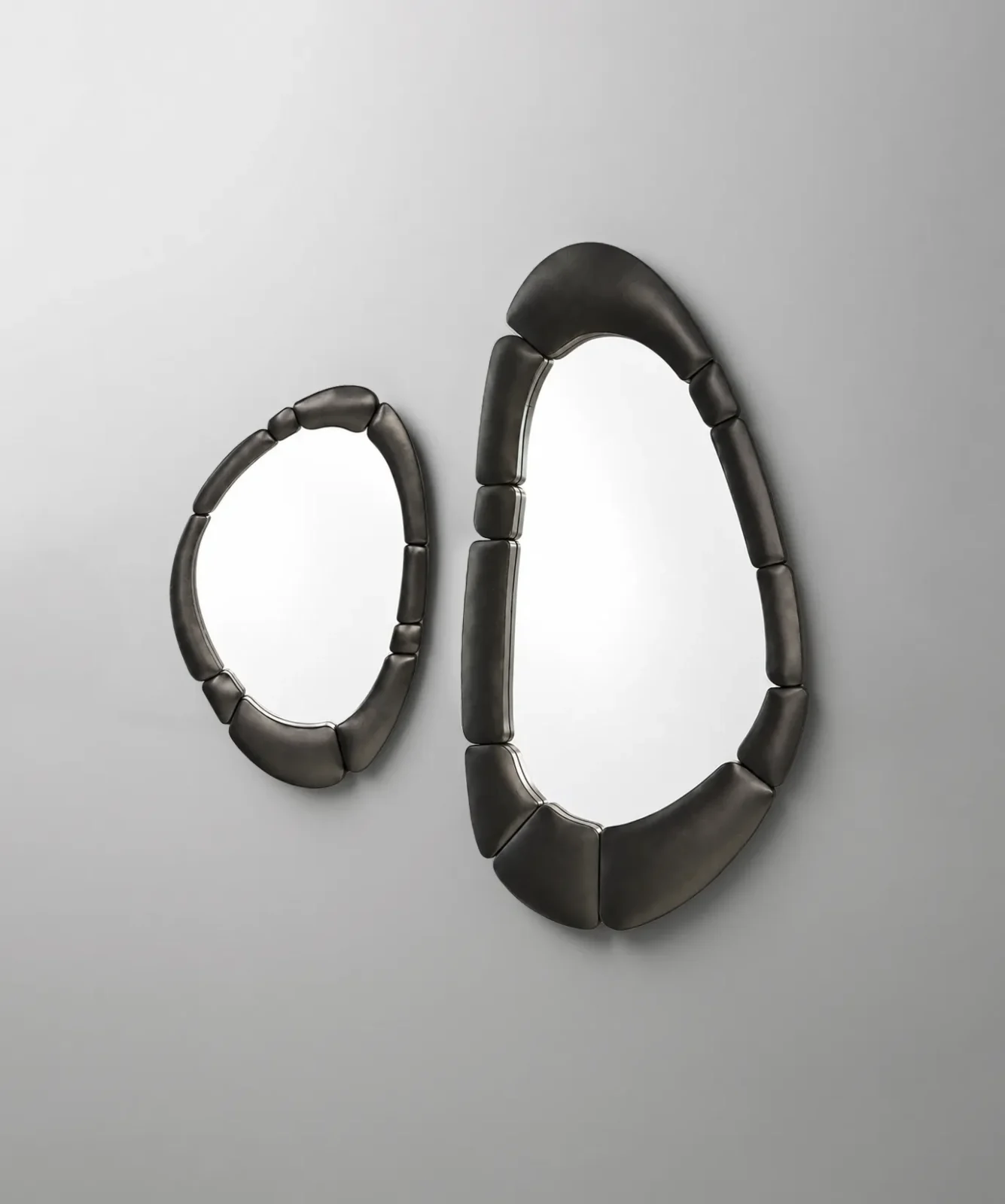
- Control reflections. Polished steel, glass, and glaze mirror everything nearby. Move the piece, or the clutter.
- Match the colour. A buyer who sees one shade and receives another will send it back. Check the photo against the real piece.
- Show every finish. If a piece comes in several finishes, photograph each one.
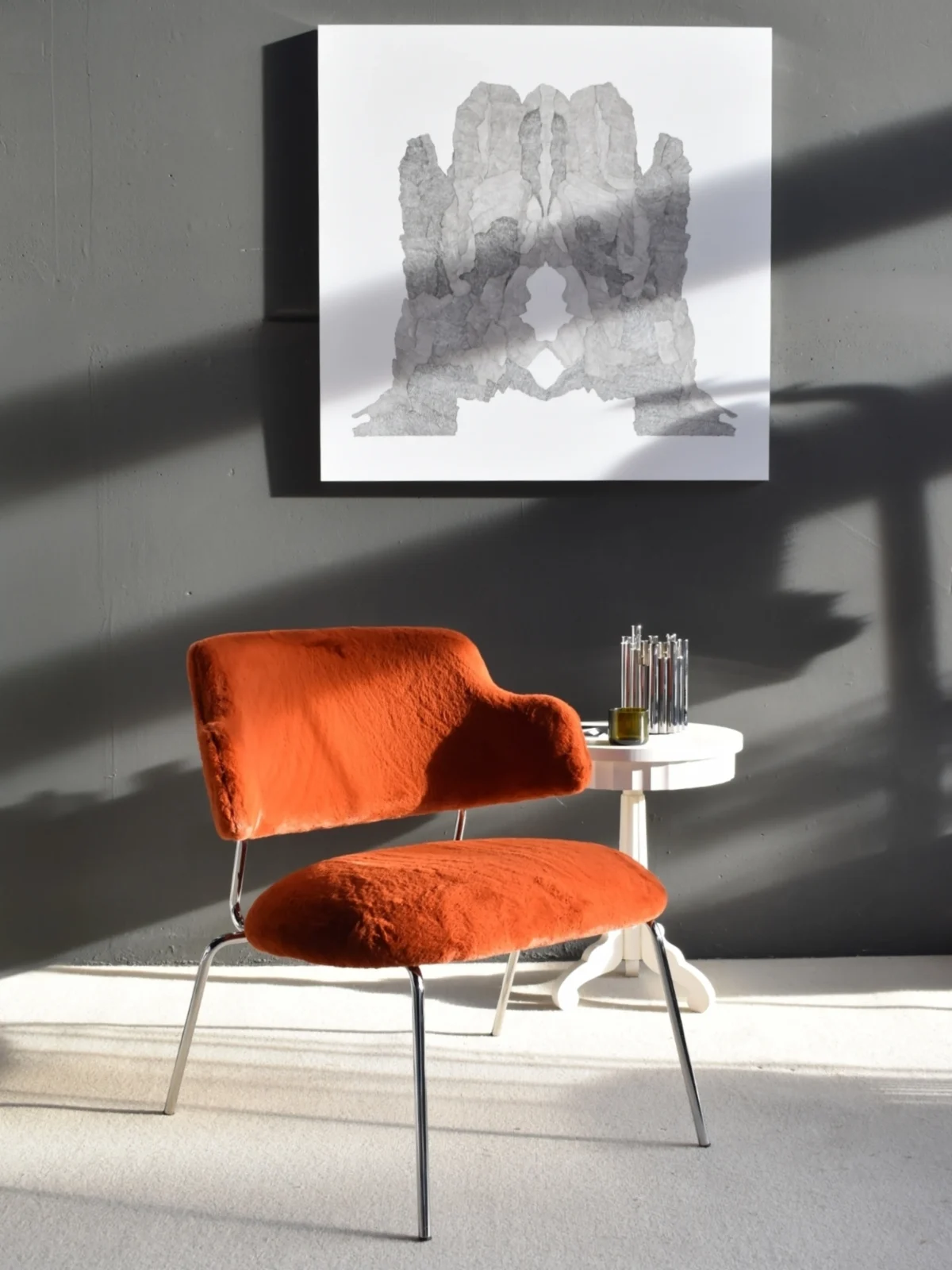
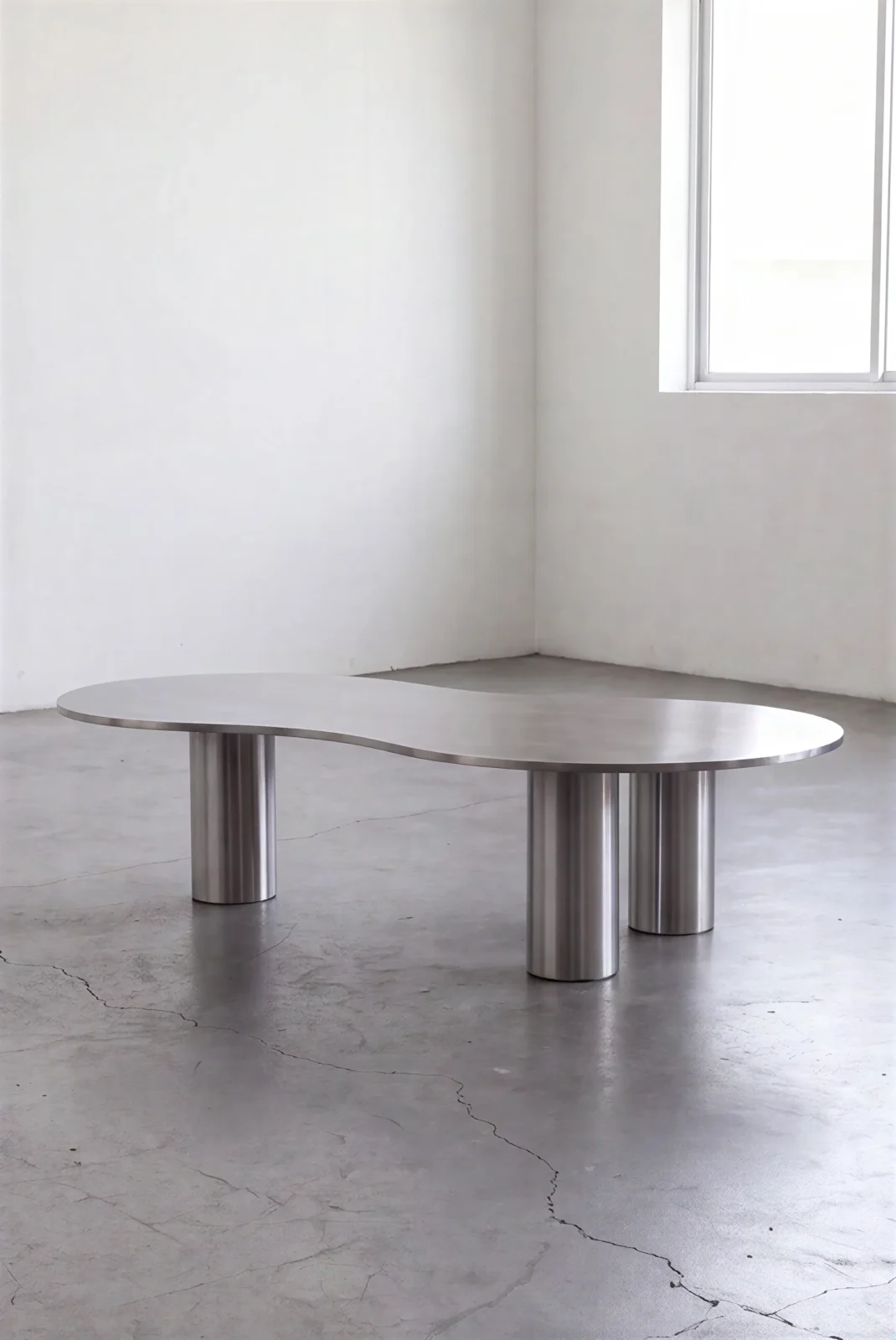
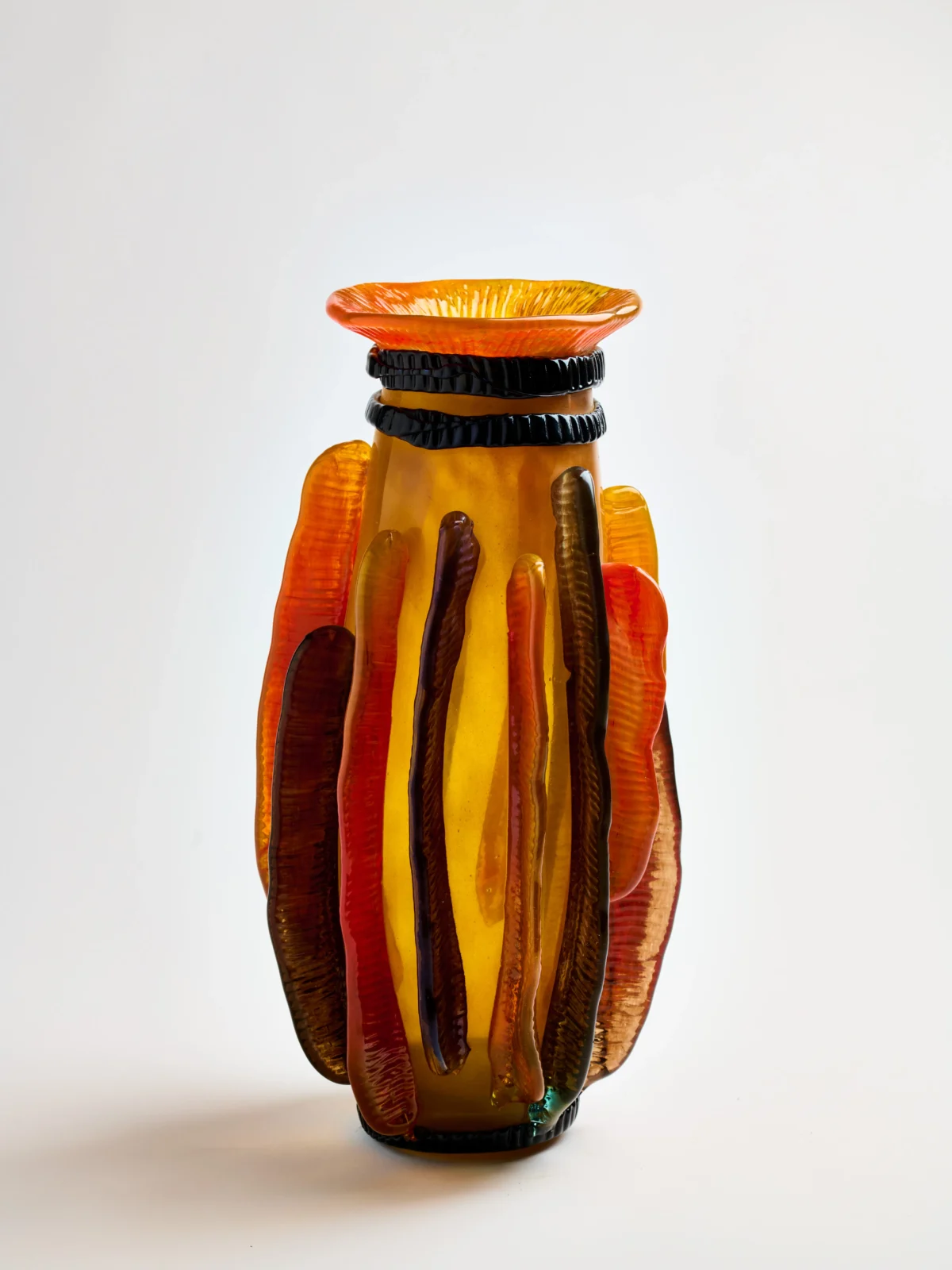
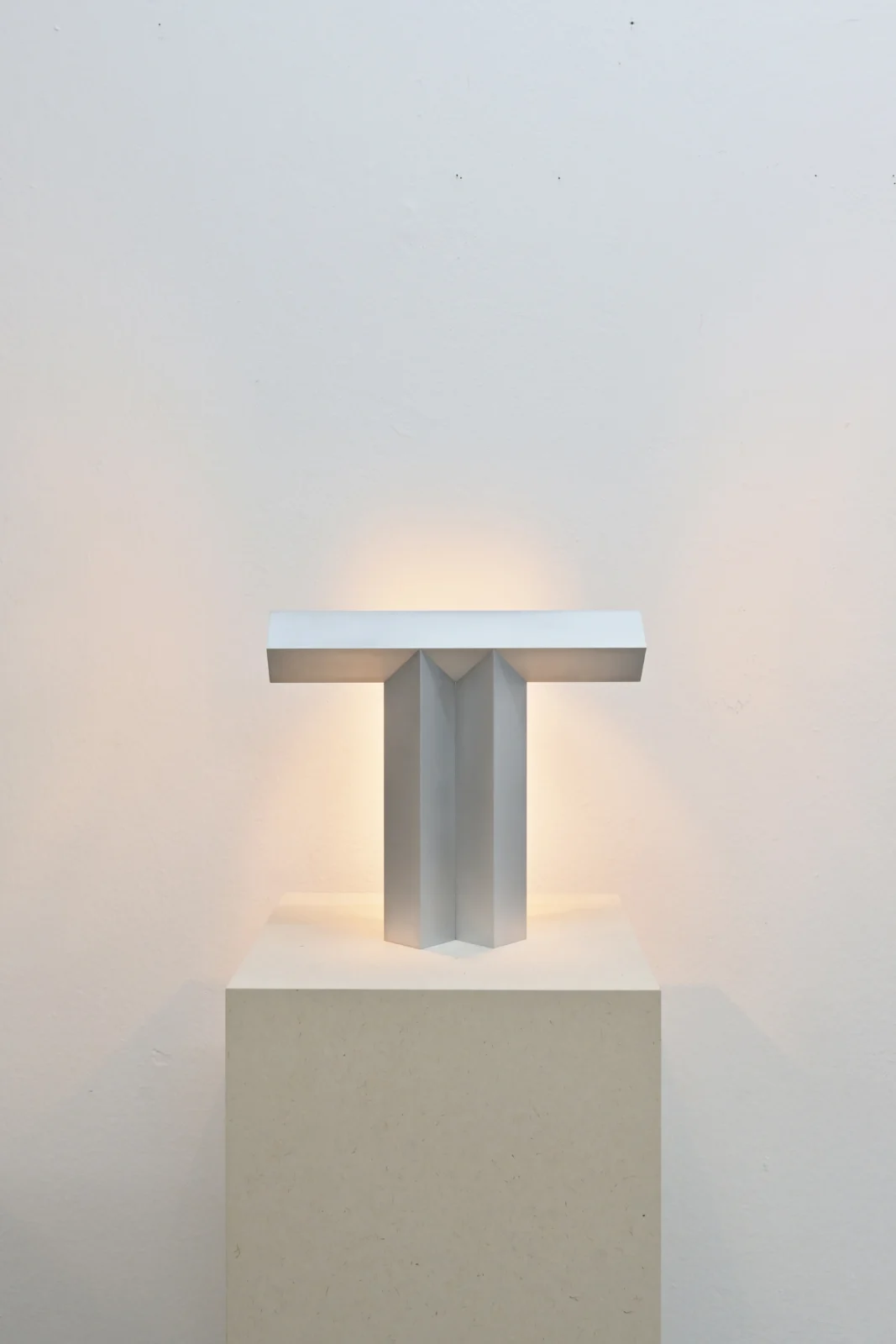
Rust fur against mirror chrome, satin steel with a polished edge, and recycled glass that catches the light. Each frame shows the material doing the selling.
Match the Photo to the Material
Every material asks for something different. Plan the shot around what makes it special.
- Glass and blown glass: backlight it, or place it against a dark wall, so the colour and thickness show.
- Metal and bronze: use soft, wide light. Hard light creates hot spots that hide the surface.
- Wicker and woven pieces: use side light to bring out texture and pattern.
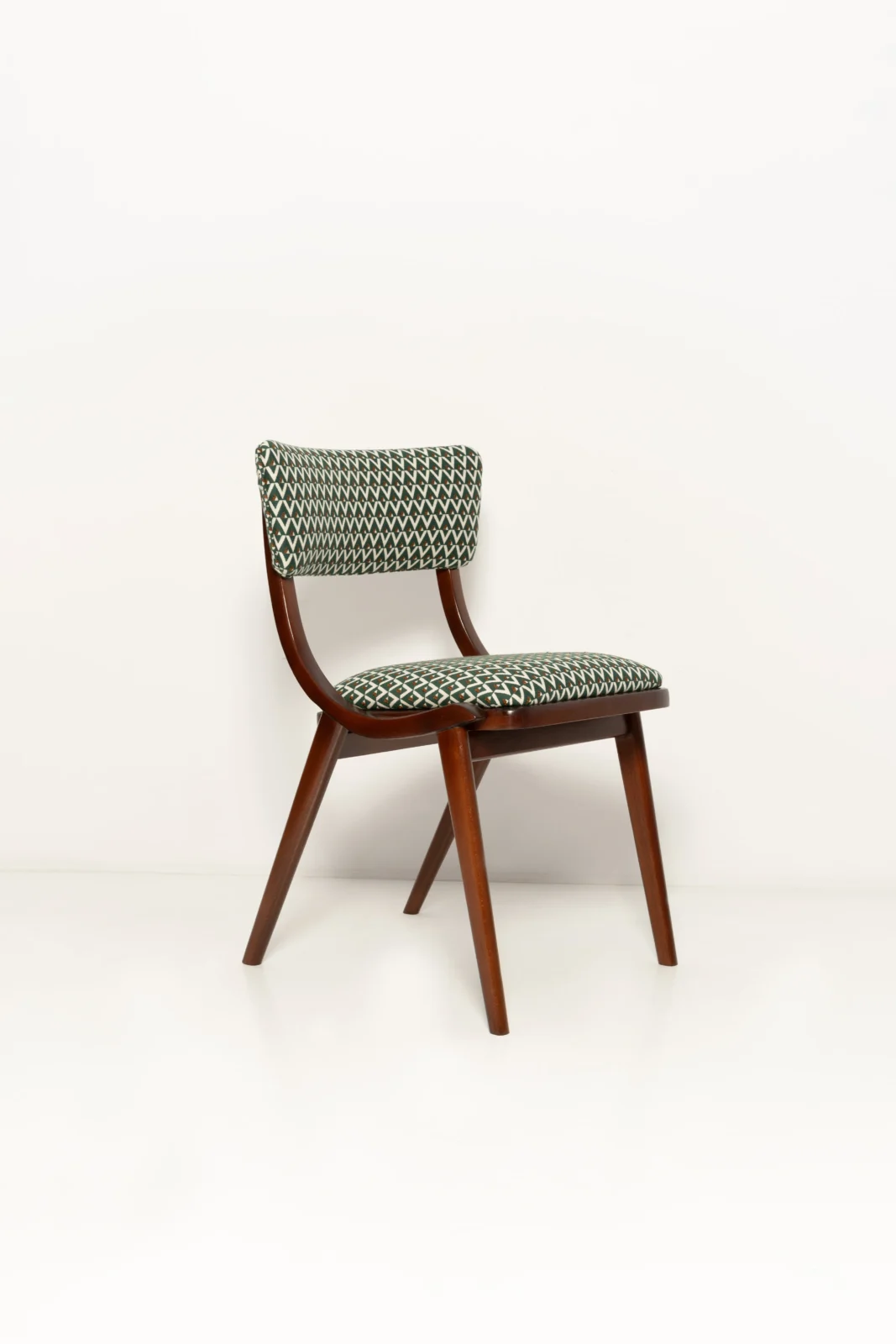
- Upholstery: show the fabric close up, and in daylight, so the true colour comes through.
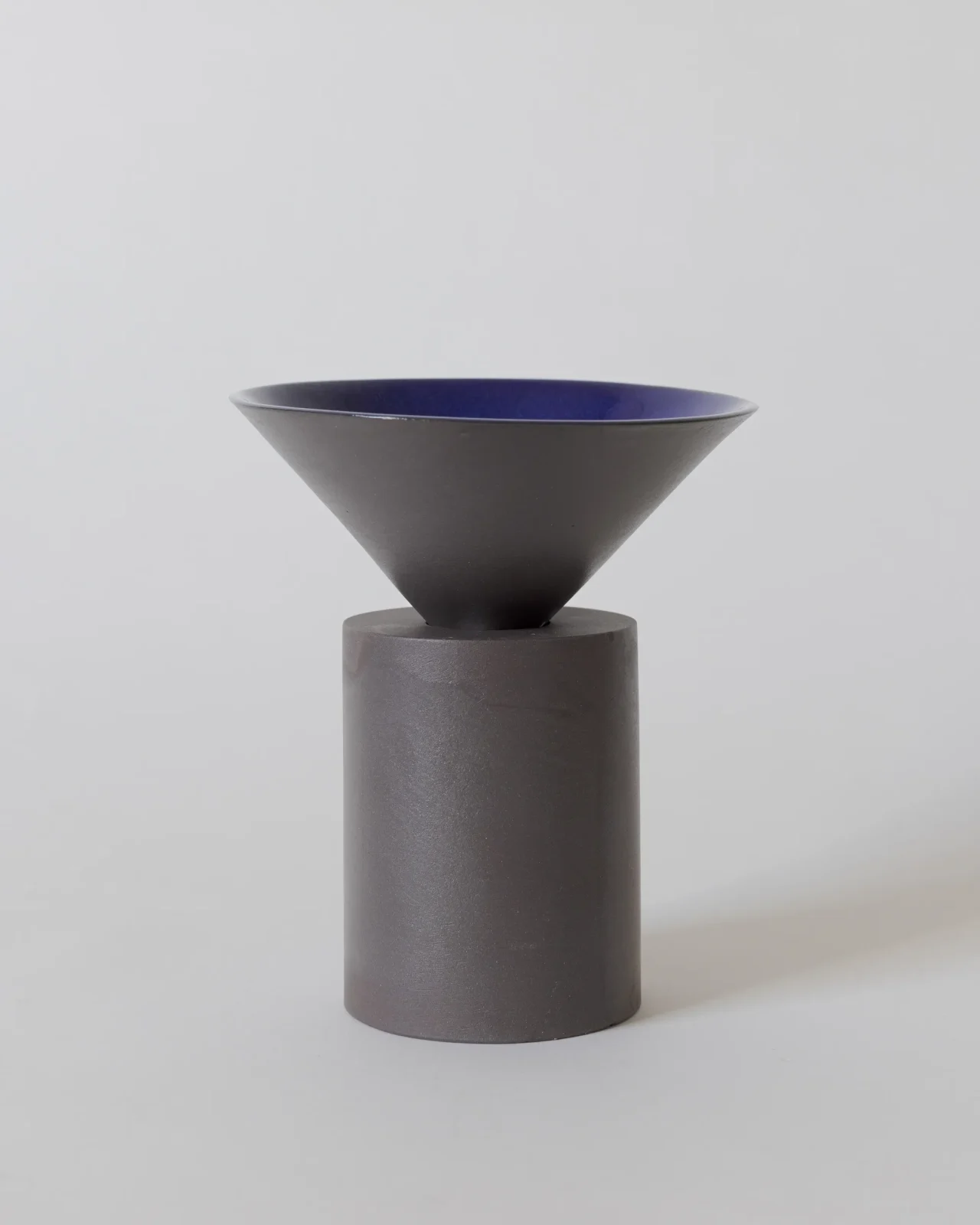
- Ceramic and stone: shoot a close detail of the glaze or grain, alongside the full form.
Technical Details That Protect Your Sales
A beautiful photo can still fail if it loads slowly or looks soft on a large screen. A few settings make the difference.
- Leave room around the object. Images get cropped in different layouts, so keep the piece away from the edges.
- Upload large files. Send high-resolution originals. The platform creates the smaller sizes.
- Keep the file name clean. Use the studio and piece name, without special characters.
- Stay consistent. Use the same light and style across your range, so the collection reads as one studio.
- Edit lightly. Fix exposure and tilt. Don’t change the colour of the piece.
Common Mistakes to Avoid
- Using only one image, or only studio shots.
- Hiding scale, so buyers must guess the size.
- Over-editing until the finish no longer matches the piece.
- Leaving out the back, base, or inside of an object.
- Using a cluttered background that competes with the work.
Where ADORNO Fits
ADORNO puts your photographs in front of collectors in more than 59 countries. Strong images also give our editorial and social teams more to work with when a piece suits a feature.
There is no exclusivity, so you keep your own channels. Applications are reviewed on a rolling basis, and an accepted profile typically goes live within one to two weeks.
Apply to ADORNO and show your work to collectors worldwide →