Updated on: August 28, 2026
Rustic furniture is often mistaken for distressed furniture, and the difference matters when you are spending five figures. Distressing is a finish applied to new material to imitate age. Rustic, properly, means the material’s own irregularity is left visible — the grain, the knots, the colour variation the tree actually had.
Five sideboards and cabinets below, from Mexican and Brazilian studios working in solid Rosa Morada, huanacaxtle and cabreúva. Each is priced, and most are made to order.
What makes furniture rustic rather than distressed?
Three things separate the two, and all are visible on inspection.
The irregularity is in the material, not the finish. A rustic piece shows what the timber did — knots left in place, sapwood not cut away, colour running unevenly across a panel. A distressed piece shows what a tool did to it afterwards, and the marks tend to repeat because they were applied in batches.
Joinery is visible on purpose. Exposed tenons, pegged joints and hand-turned metal parts are all part of the language. If the construction is hidden, the piece is usually referencing rustic rather than being it.
No two pieces match. This is the practical consequence, and the thing to be ready for: order two of the same rustic sideboard and they will differ, sometimes considerably. That is the point, but it does mean photographs are indicative rather than exact.
5 rustic sideboards and cabinets
Ramón Sideboard by Comité de Proyectos

One of three sentinels — Ramón, Vilma and Carmen — personifying the act of caring and being cared for. Huanacaxtle wood, raw steel, sisal fibre and wicker, worked through carved timber and hand-turned metal that respects the nature of each material. The series came from a set of reactions to gender violence, and from an argument that care has been attributed to women for too long. Substantial at 140kg.
Vilma – Wood Display Cabinet by Comité de Proyectos
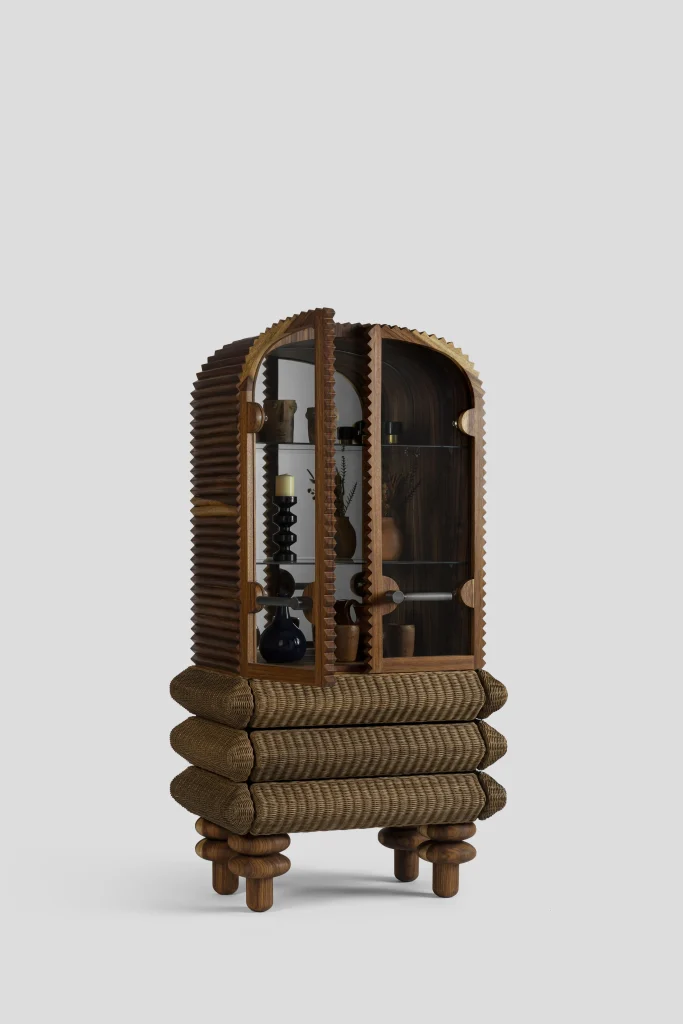
The second sentinel, and the one built for display rather than concealment. Ornamented carved wood with hand-turned metal detailing, at a density of ornament unusual for a piece this size — it reads as warm rather than formal, which is the harder result. Where Ramón serves, Vilma watches over what it holds. See also our guide to curio and display cabinets.
Rustic Rosa Morada Sideboard by Studio ORYX

Handcrafted from solid Rosa Morada, a Mexican hardwood whose grain runs unusually variable — which is why the studio describes each unit as one of a kind rather than as a finish option. Ample internal storage and 100% new timber, so the irregularity is the wood’s own rather than reclaimed history. Works in a living room, dining room or bedroom.
Brocado Cabinet – Cabreúva Wood and Embroidered Glass by YANKATU
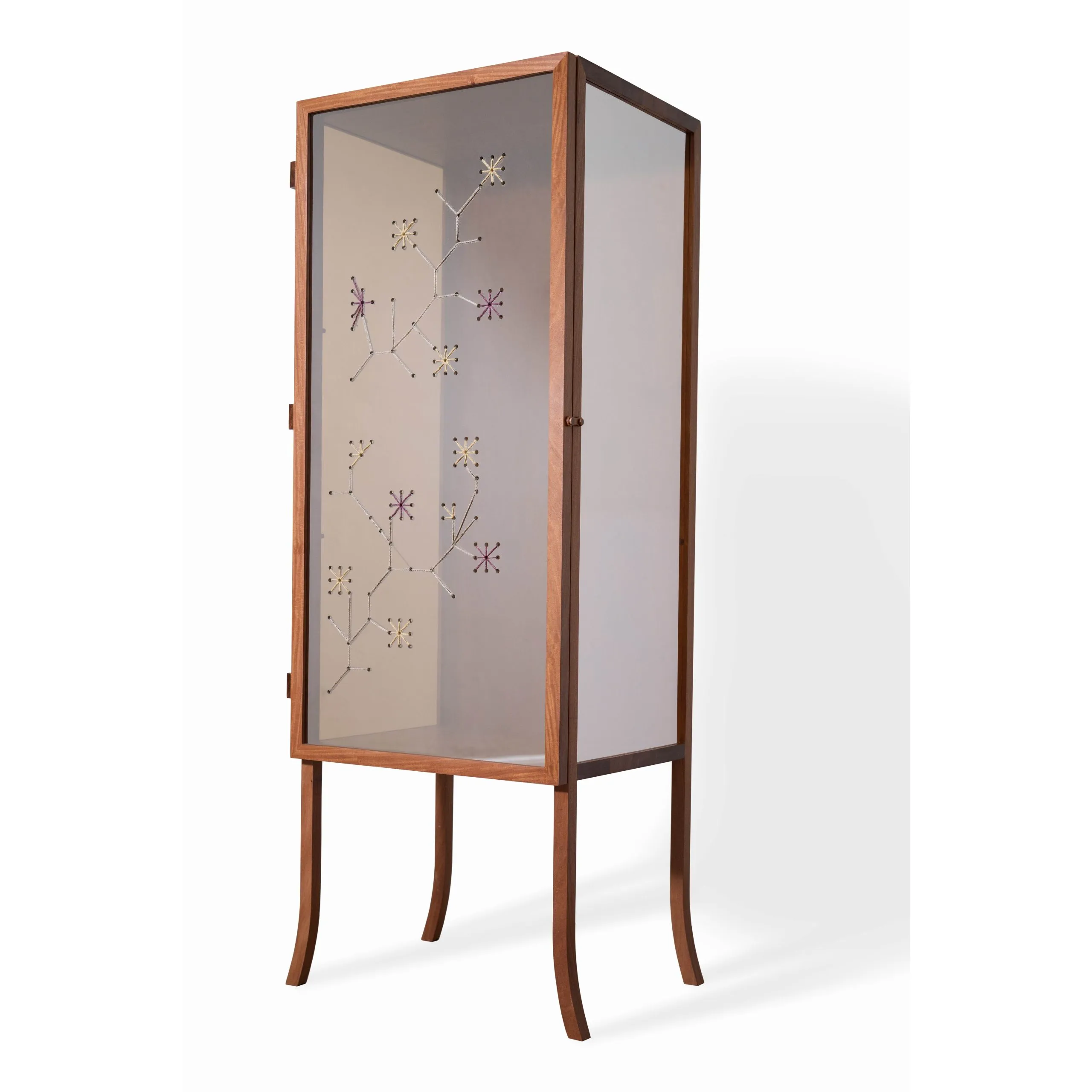
Solid cabreúva with traditional embroidery worked directly onto bronze glass, so the pattern spills from fabric onto the door. The naturally dyed yarns take their tones from paintings in the churches and historic houses of Tiradentes, Minas Gerais. The embroidery is by the artisan D. Maria Conceição de Paula. Each piece ships with a certificate in book form, blank pages left for the next owner — which is a more literal claim on longevity than most furniture makes.
Buró Salomón – Rosa Morada Nightstand by Kresta Studio

The smallest and most affordable piece here, and a sensible way to find out whether you actually want to live with Rosa Morada before committing at five figures. Solid throughout, with the joints left visible and a hidden slow-closing drawer runner — an unusually refined mechanism inside a piece that reads as plain. Also the only nightstand on this list.
Frequently asked questions
What is rustic furniture?
Furniture where the material’s own irregularity is left visible — grain, knots, colour variation and often the joinery. It differs from distressed furniture, where a finish is applied to new material to imitate age.
What is the difference between rustic and distressed furniture?
Where the irregularity comes from. Rustic shows what the timber did; distressed shows what a tool did to it afterwards. The practical tell is repetition — applied marks tend to recur in patterns, because they were made in batches.
Does rustic furniture work in a modern interior?
Yes, and usually better as one piece than several. A single solid-timber sideboard against otherwise restrained furniture reads as deliberate, while a room of rustic pieces tips into theme. Keep the surrounding palette quiet and let the grain be the only pattern.
Will two rustic pieces match?
No, and you should plan for that. Solid timber varies board to board, so ordering a pair means accepting two different objects. Photographs are indicative rather than exact — if a close match matters, ask the studio whether both can be cut from the same log.
How do you care for solid wood sideboards?
Keep them away from radiators and direct sun, both of which dry timber unevenly and open joints. Wipe spills rather than letting them sit, and re-oil an oiled finish every year or two. The advantage over veneer is that a solid piece can be sanded and refinished indefinitely.
Browse our full selection of rustic objects
ADORNO works with studios in Mexico and Brazil building in solid regional hardwoods, where the making is visible and no two pieces are identical. Related reading in wooden storage and wooden credenzas.