
-
 In stock
Mirror – Astra 30
By Clemence Birot
€409 -
 In stock
Mirror – Astra 24
By Clemence Birot
€345 -
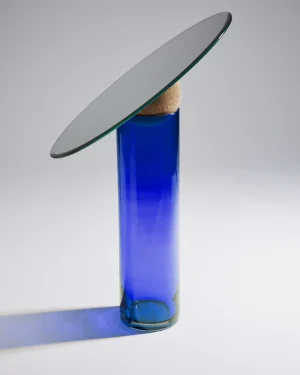 In stock
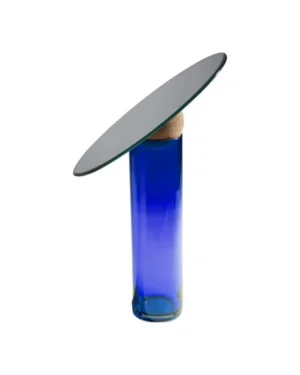
Mirror – Astra 34 Cobalt
By Clemence Birot
€540 -
 In stock
Wood & Wax Mirror
By Studio Ebba Lindgren
€400 -
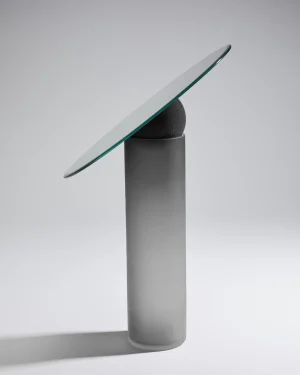 In stock
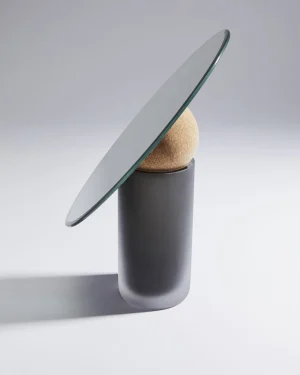
Mirror – Astra 34 Charcoal Edition
By Clemence Birot
€540 -
 In stock
U-ap – Adjustable Marble Vanity Mirror
By Hasik Design Studio
€375 -
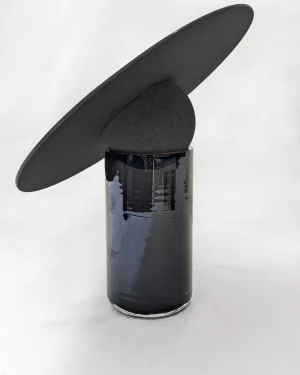 In stock
Mirror – Astra 30 Charcoal Edition
By Clemence Birot
€409 -
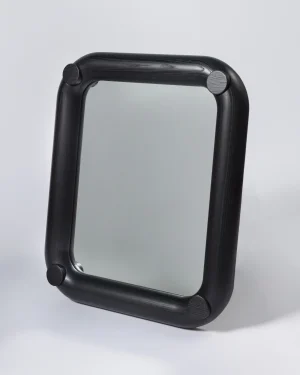
Mt Curve Wall Mirror In Ash Hardwood
By bnf studio
€2.500 -
 In stock
Mirror – Astra 24 Amber
By Clemence Birot
€345 -
 In stock
Mirror – Astra 24 Yellow
By Clemence Birot
€345 -
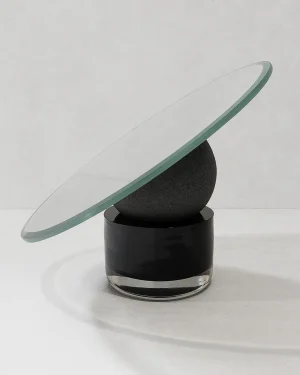 In stock
Mirror – Astra 24 Charcoal Edition
By Clemence Birot
€297 -
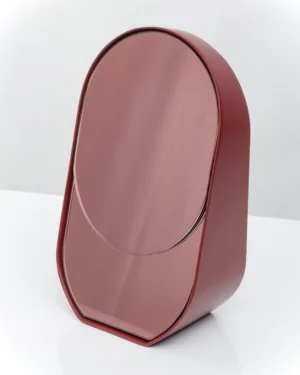
Baggaga Claim-m Table Mirror
By Living Cult
€1.500
Wooden table mirrors bring the grain and warmth of timber to a surface usually dominated by glass and metal, pairing a reflective pane with a frame or stand shaped by hand or machine from ash, a stained hardwood or MDF. Studios working in wood and cabinetmaking favor joinery over glue, so frames hold their shape for decades and develop a deeper color as they age. Some pieces stand alone on a console, others tilt or swivel within a wooden base, letting the mirror angle toward a window or a face.
What defines a wooden table mirror
The wood itself does most of the talking. Ash shows a visible, open grain that reads as linear and architectural; darker stained hardwoods read denser, with less contrast between light and dark streaks. MDF, when used, takes a painted or veneered finish well and gives a smoother, more graphic surface than solid timber. Across all of them, wood tempers the coldness of a glass pane, so the mirror feels like a piece of furniture rather than a fixture.
The range of finishes and styles on ADORNO
Within wooden table mirrors, finish and style vary as much as species. Natural oils and waxes leave the grain visible and the surface matte; darker stains push a frame toward a Brutalist or Bauhaus register, while pale, bleached woods suit a Coastal or Minimalist room. Some frames borrow the stepped geometry of Art Deco design, others the splayed legs and asymmetry of Space Age pieces, and a few are built as unique pieces or limited editions, their joinery and shaping done one at a time rather than repeated at scale. For a broader look at how the same material behaves in seating, tables and other accessories, every wood piece on ADORNO is gathered in one place.
How to choose one
Scale matters more with a table mirror than with a wall-hung one, since the piece has to hold its own on a surface among other objects. A frame with real presence, in a dense hardwood or a thick profile, anchors a console or sideboard; a slimmer, lighter frame suits a bedside table or a bathroom shelf. Consider the base as well as the glass: a wide foot or a tripod stand gives stability on a dressing table, while a hinged or tilting frame is worth choosing if the mirror needs to adjust through the day as light moves across a room.
A few practical points help narrow the choice further:
- Match the wood tone to existing furniture rather than to the wall color, since wood reads warmer or cooler against other timber.
- Check the glass size relative to the frame; a deep frame with a small mirror reads as sculptural, while a thin frame with a large mirror reads as functional.
- Favor a weighted or wide base if the mirror will sit on a narrow shelf or table edge.
Where wooden table mirrors sit well
Bedrooms and dressing areas are the obvious home for a table mirror, propped on a chest of drawers or a vanity, but a wooden frame also holds its own in an entryway, on a console beside keys and mail, or on a bathroom counter away from direct water. Because the frame is wood rather than metal, it suits rooms already built around natural materials, alongside wooden furniture or a set of wooden tables, where the grain of the mirror frame echoes the grain underneath it.
Caring for a wooden frame
Keep a wooden table mirror away from direct, sustained sunlight, which fades and dries timber unevenly over years. Wipe the frame with a dry or barely damp cloth; standing water or household cleaners can mark an oiled or waxed surface. A light reapplication of oil or wax once a year keeps the wood from drying out and the color from going flat, much as it would on any oiled dining table or chair.
For comparison, glass table mirrors and Art Deco table mirrors show how the same tabletop format shifts character under a different material or period reference, while the full range of framed and unframed pieces sits within table mirrors as a category.
How do I choose a wooden table mirror?
Look at the wood tone against your existing furniture, ash reads light and open-grained, stained hardwood reads darker. Check the frame depth and base, since a wider foot keeps the mirror steady on a dresser or console.
How do I care for a wooden table mirror?
Dust with a dry or slightly damp cloth and keep it away from direct sun and damp bathrooms, since wood expands, contracts and can fade with changes in humidity and light.
What size table mirror should I get?
Most table mirrors stand between 12 and 24 inches tall, enough to catch a reflection while seated or standing close. Measure the surface it will sit on so the base and any swivel arm have room to turn.
Which rooms suit a wooden table mirror?
Wood warms up bedrooms, entryways and dressing areas, standing on a console, dresser or vanity. Its tone also softens the glass and metal often found nearby in bathrooms and hallways.
Can I get a wooden table mirror custom made?
Some makers work to custom sizes, woods or finishes. Use Chat with the maker on the piece's page to ask directly.
How does shipping, returns and authenticity work at ADORNO?
Shipping is insured and worldwide. Returns are accepted within 14 days, except made-to-order pieces, and every mirror arrives with a certificate of authenticity alongside ADORNO's lowest-price guarantee.