-
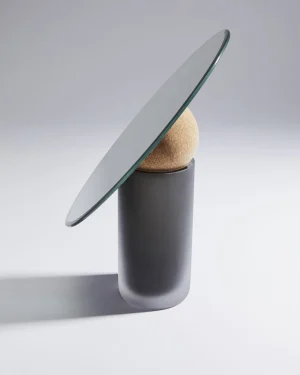 In stock
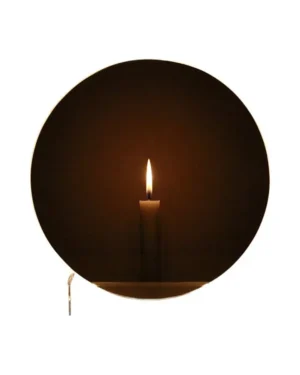
Mirror – Astra 30
By Clemence Birot
€409 -
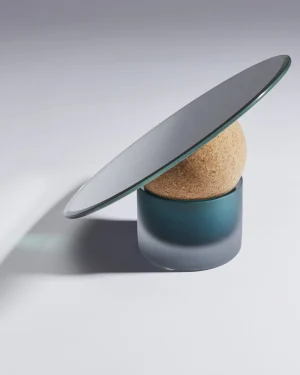 In stock
Mirror – Astra 24
By Clemence Birot
€345 -
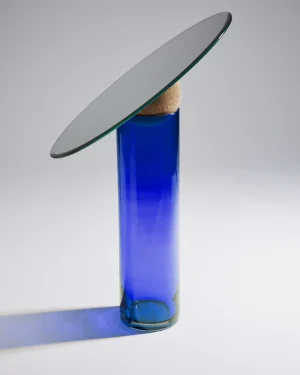 In stock
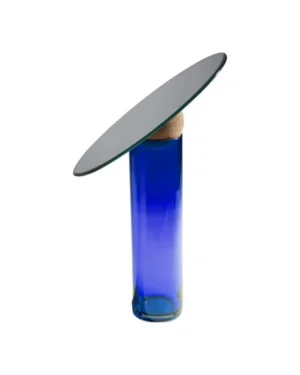
Mirror – Astra 34 Cobalt
By Clemence Birot
€540 -
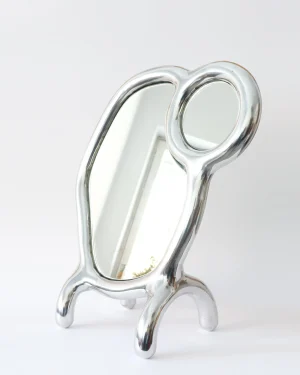 In stock
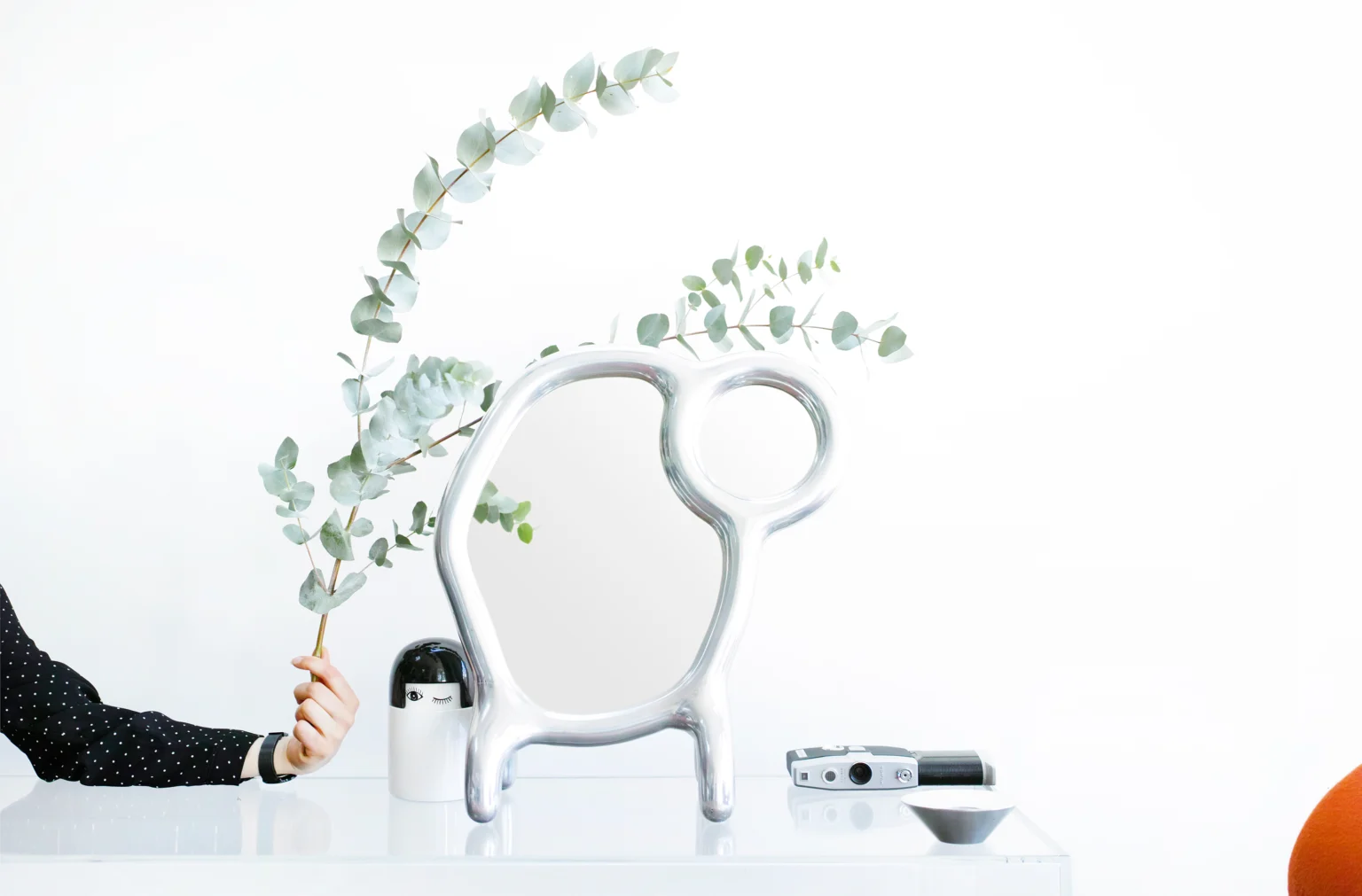
Mi-rr 13
By Studio Speculo
€1.100 -
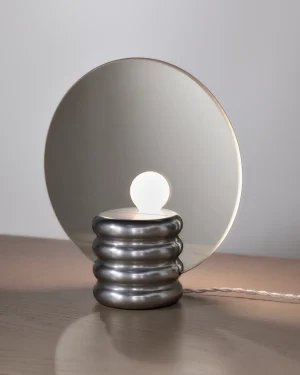 In stock
Spegla Mirror Lamp – Mirror / Lamp In Aluminium And Mirror Glass
By Jochen Lavéno Mangelsdorff Studio & Objects
€556 -
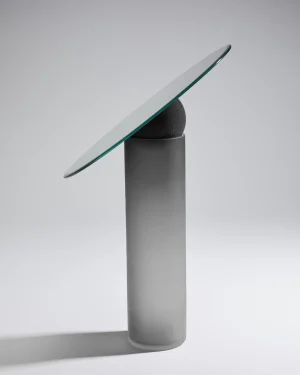 In stock
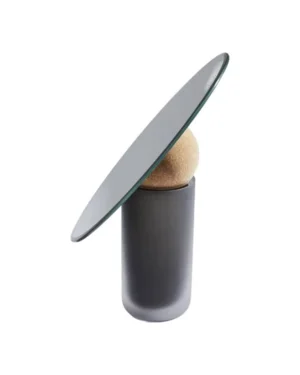
Mirror – Astra 34 Charcoal Edition
By Clemence Birot
€540 -
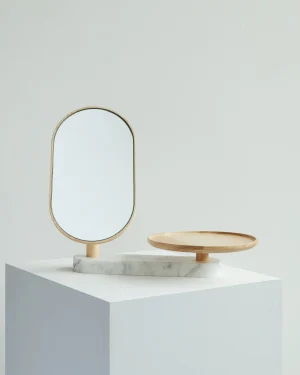 In stock
U-ap – Adjustable Marble Vanity Mirror
By Hasik Design Studio
€375 -
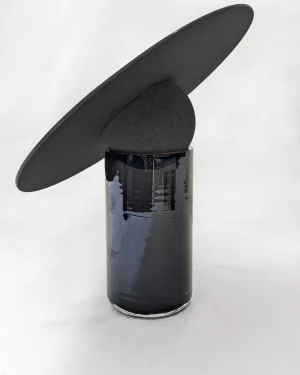 In stock
Mirror – Astra 30 Charcoal Edition
By Clemence Birot
€409 -
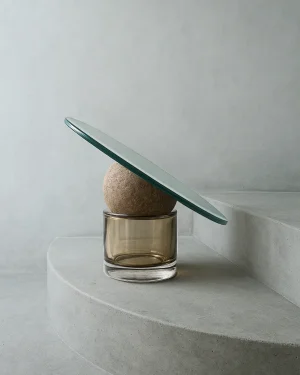 In stock
Mirror – Astra 24 Amber
By Clemence Birot
€345 -
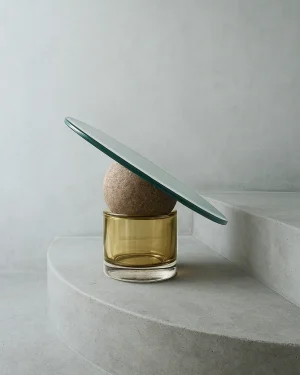 In stock
Mirror – Astra 24 Yellow
By Clemence Birot
€345 -
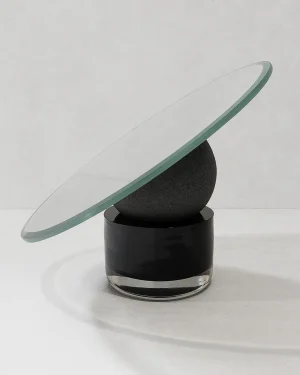 In stock
Mirror – Astra 24 Charcoal Edition
By Clemence Birot
€297
Art deco table mirrors carry the geometry of the style into a small, tabletop format: stepped frames, sunburst edges, fan shapes and symmetrical curves rendered in glass, metal and stone. Studios working in this idiom favor glassblowing, glass casting and cold working alongside metal casting and anodising, pairing mirrorglass with aluminum or carved stone bases. The result sits closer to a small sculpture than a plain looking glass, meant to be seen as much as looked into.
What defines the art deco look in a table mirror
Art deco design favors clean geometry over ornament: stepped tiers, fan forms, half-moons and sharp symmetry. In table mirrors this shows up in faceted edges, layered frames and bases that echo architectural plinths rather than decorative scrollwork. Reflective glass is the constant, but it is often framed or based in a second material that carries the period's taste for contrast and polish.
Materials, finishes and techniques found here
Glass dominates, both as the mirror surface and, in cast or cold-worked form, as the frame itself. Mirrorglass is cut and beveled by hand or machine to produce the faceted, stepped profiles associated with the style, while blown glass appears in rounder, softer variations. Metal bases and frames are usually cast or worked in aluminum, then anodised or polished to a silver or black finish that holds its shine without tarnishing the way uncoated brass would.
Stone grounds the lighter materials: carrara marble and other stone are carved into bases that keep a mirror upright and give it weight on a dressing table or console. Ash wood appears less often, usually in warmer, pared-back interpretations of the style, and cork turns up occasionally as a lighter, sound-softening base material. Color leans toward reflective silver and crystal, with black, green and amber glass used for accent panels or tinted surfaces.
Most pieces are made in open or limited editions, with cast glass and stone work sometimes produced as unique pieces because no two castings or cuts come out quite the same. Where a studio works in limited runs, each mirror will carry small variations in grain, vein or surface that come from the material itself rather than from a flaw.
How to choose an art deco table mirror
Start with scale: a table mirror should sit comfortably within arm's reach, tall enough to show a full reflection when seated but not so large that it competes with what sits around it. Measure the surface it will stand on and leave margin on either side so the piece reads as an object rather than a crowded afterthought.
- Finish: polished mirrorglass and anodised aluminum throw more light around a room than frosted or tinted glass.
- Base weight: marble and other stone bases keep a tall mirror stable on a dressing table that gets daily use.
- Color: black or green glass suits a room already carrying strong tones, while silver and crystal stay neutral against most palettes.
Where these mirrors work
A table mirror in this style suits a bedroom dressing table, an entryway console or a bathroom vanity, anywhere a reflective surface is needed at seated or standing height rather than mounted to a wall. The geometric frame also holds its own on a low console or sideboard in a living room, standing in as a small sculptural object when it is not being used for its reflection. Pieces finished in black or dark stone tend to read heavier and suit rooms with other dark or warm-toned furniture, while silver and crystal finishes brighten lighter rooms.
Caring for glass, metal and stone mirrors
Clean mirrorglass with a soft, dry or barely damp cloth; ammonia-based cleaners can cloud the silvering over time, so a mild glass cleaner applied to the cloth rather than the surface is safer.
For a broader look at reflective pieces in this material, see the glass table mirrors, or compare the softer, warmer alternative in wooden table mirrors. The full range of art deco table mirrors sits within all table mirrors, alongside the wider world of art deco design and matching art deco decor for the rest of the room.
How do I choose an art deco table mirror?
Look for symmetry, stepped forms and bold materials like marble, glass or polished metal. Choose a frame that echoes other metal or stone tones already in the room for a consistent look.
What materials are art deco table mirrors usually made from?
Common choices include mirrorglass, cast or carved stone such as marble, cast or blown glass, and metals like aluminum finished by anodizing or casting. Each ages differently, so care depends on the material.
How do I clean and care for a table mirror?
Wipe glass and mirrorglass with a soft, dry cloth to avoid streaks, and keep marble or stone away from acidic liquids that can stain or etch the surface. Avoid direct, prolonged sunlight on metal finishes.
What size table mirror should I get?
Table mirrors generally sit lower than wall mirrors, so measure the surface and nearby seating to keep sightlines comfortable. A mirror that is too tall can overwhelm a console or vanity.
Which rooms suit an art deco table mirror?
Their geometric lines and reflective materials work well on consoles, vanities, bedside tables and entryways, where they catch light and add depth without taking up floor space.
Does ADORNO offer worldwide shipping and returns on these mirrors?
Yes, shipping is insured and worldwide, with a 14-day return policy excluding made-to-order pieces. Each mirror comes with a certificate of authenticity and a lowest-price guarantee.