-
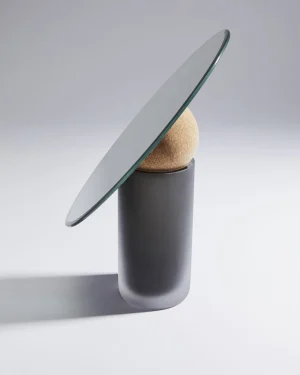 In stock
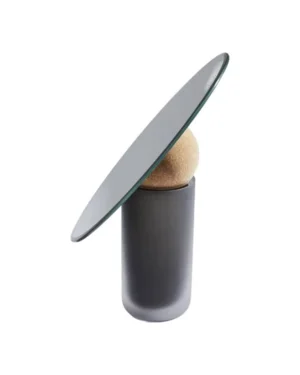
Mirror – Astra 30
By Clemence Birot
€409 -
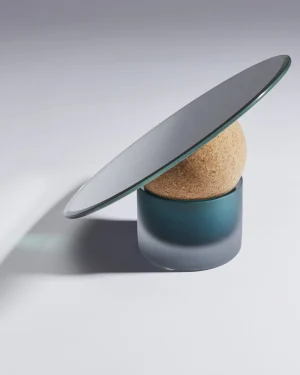 In stock
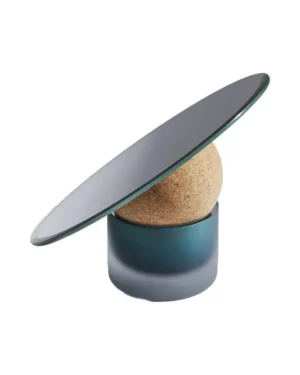
Mirror – Astra 24
By Clemence Birot
€345 -
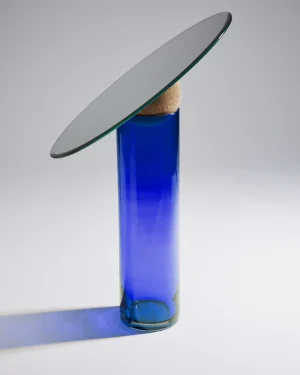 In stock
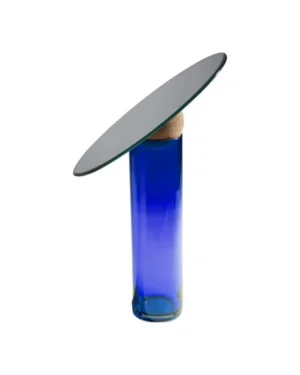
Mirror – Astra 34 Cobalt
By Clemence Birot
€540 -
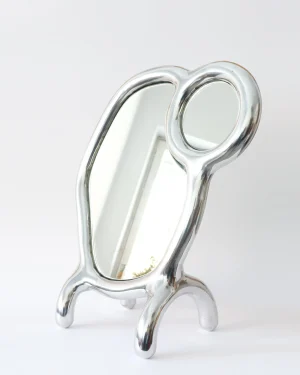 In stock
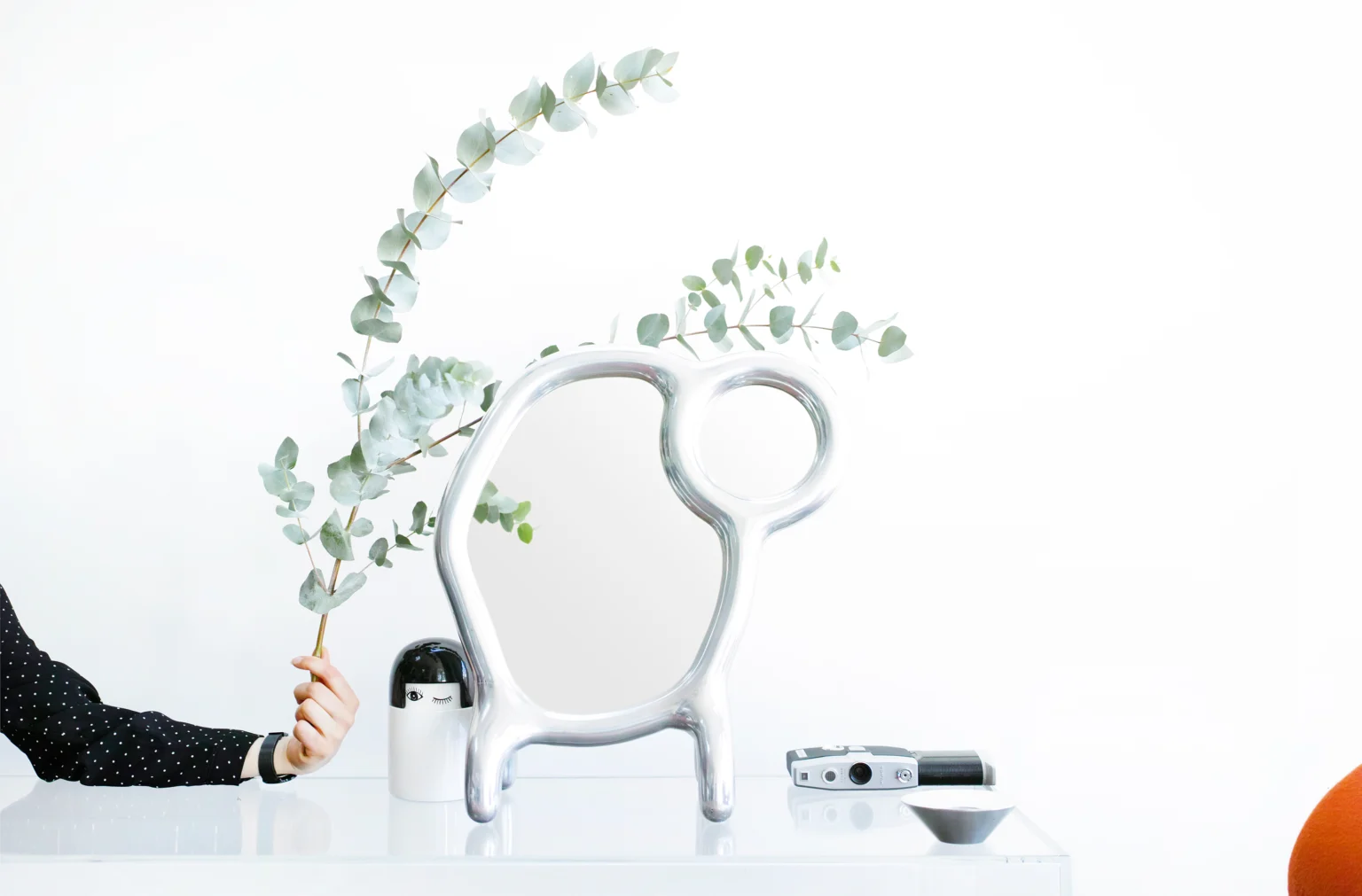
Mi-rr 13
By Studio Speculo
€1.100 -
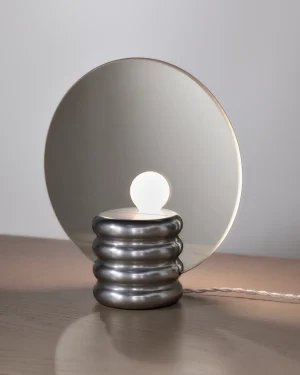 In stock
Spegla Mirror Lamp – Mirror / Lamp In Aluminium And Mirror Glass
By Jochen Lavéno Mangelsdorff Studio & Objects
€556 -
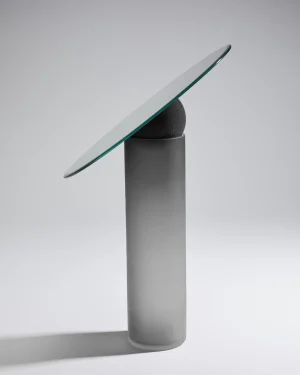 In stock
Mirror – Astra 34 Charcoal Edition
By Clemence Birot
€540 -
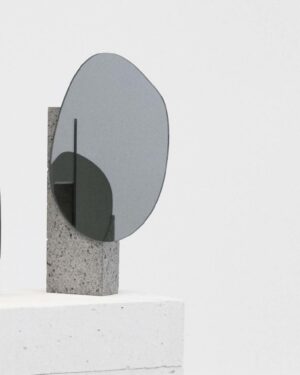 In stock
STYX Mirror – Large
By Sophia Taillet
€580 -
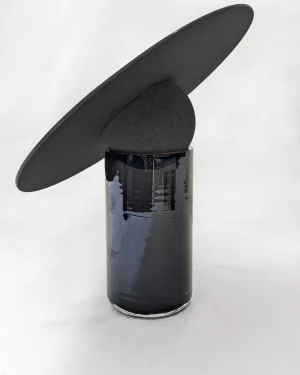 In stock
Mirror – Astra 30 Charcoal Edition
By Clemence Birot
€409 -
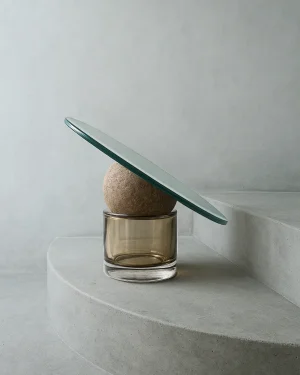 In stock
Mirror – Astra 24 Amber
By Clemence Birot
€345 -
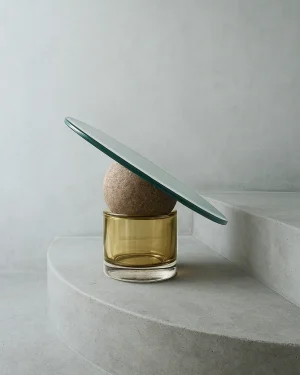 In stock
Mirror – Astra 24 Yellow
By Clemence Birot
€345 -
 In stock
STYX Mirror – Small
By Sophia Taillet
€320 -
 In stock
STYX Mirror – Medium
By Sophia Taillet
€420 -
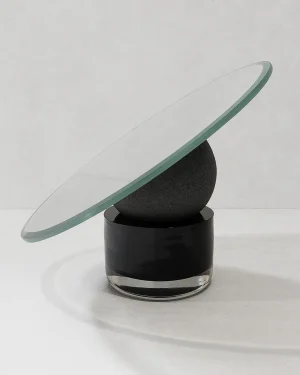 In stock
Mirror – Astra 24 Charcoal Edition
By Clemence Birot
€297 -
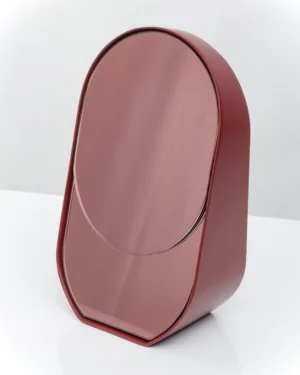
Baggaga Claim-m Table Mirror
By Living Cult
€1.500
Glass table mirrors bring a reflective plane and a hard, cool edge to a tabletop, made by studios working in blown glass, glass casting, and cold working. The glass itself carries the piece: clear, tinted, or backed to turn fully reflective, set into a stand of metal, wood, or cast glass. What varies is the finish and the way the glass is shaped, not the basic promise of a flat or curved surface that throws back light.
What defines glass in a table mirror
Glass is transparent until a metallic backing is applied, at which point it becomes mirrorglass and starts doing the work of reflection. Some studios leave an edge untreated so the glass reads as crystal at the rim and silver at the center; others tint the whole pane in green, amber, pink, or gray before backing it. The material is hard and scratch resistant on its face but can chip at a corner, and the backing can cloud over decades if it sits in a damp room.
Finishes, techniques, and editions found in this range
Cold working is what gives glass table mirrors their edge profile: cutting, beveling, and polishing by hand or machine after the sheet is formed. Glass casting produces thicker, more sculptural stands or frames, sometimes paired with metal casting or metalwork where a base is finished in aluminum. Other pieces lean on wood and cabinetmaking for a frame, or anodising where a metal stand needs color and a hard surface. Editions run from open runs to limited editions and one-off pieces, the latter more likely where a mirror is cast or cold-worked by hand rather than produced from a standard sheet. For mirrors built around a wooden frame instead of a glass stand, the wooden table mirrors carry that approach; for a wider survey of what glass does across the gallery, the glass pieces on ADORNO span tableware, lighting, and decor beyond mirrors alone.
Choosing scale, height, and placement
A table mirror needs to sit at a height that works for its surface: low on a dressing table where a seated person looks straight ahead, taller on a console meant to be seen in passing. Glass is heavy for its size, so a wide or tall mirror calls for a stable, often weighted base rather than a thin stand. Reflective and tinted glass both change the light in a room, bouncing it back pale and slightly colored depending on the tint, so placement near a window or lamp is worth testing before committing to one spot.
Where these mirrors sit and how to keep the glass clear
They suit an entryway console, a bedroom dressing table, a bathroom shelf, or a living room side table, anywhere a vertical reflective surface is useful without the commitment of a wall-mounted piece. Styles found here run from Art Deco stepped forms to Space Age curves and Brutalist cast blocks, alongside more contemporary, pared-back stands; the Art Deco table mirrors and Space Age table mirrors show two ends of that range. Clean the glass with a soft, dry or barely damp cloth and avoid ammonia-based cleaners, which can strip the backing at the edges over time. Keep the mirror away from constant moisture, since water that gets behind the glass is what eventually clouds the silvering, and wipe any metal or wood base dry if it sits near a sink or window. For the full spread of table mirrors regardless of material, the table mirrors category covers stone, wood, and metal alongside glass.
How do I choose a glass table mirror?
Look at the frame material and finish first, since that sets the tone, then the glass itself: clear, tinted, or mirrorglass. Consider the surface it will sit on and whether the piece should stand or lean.
How do you care for a glass mirror?
Wipe with a soft, dry or lightly damp cloth, avoiding ammonia-based cleaners that can damage the reflective backing over time. Keep away from direct, prolonged moisture and sudden temperature changes, which can cause cracking.
What size table mirror do I need?
Table mirrors generally sit low, between a few inches and around two feet tall, sized to a console, vanity, or shelf rather than a wall. Check the dimensions on each piece's page before buying.
Which rooms suit a glass table mirror?
Entryways, bedrooms, and bathrooms all work well, anywhere a reflective surface at close range is useful for a quick check before leaving a room. Living rooms benefit too, used on a console or sideboard to bounce light.
Is glass a durable choice for a mirror?
Glass resists scratching and holds its clarity for decades when handled with care, though it can chip or crack under impact. A sturdy frame and stable base help protect it over years of daily use.
How does shipping, returns and authenticity work on ADORNO?
Shipping is insured and worldwide. Returns are accepted within 14 days, except for made-to-order pieces, and every piece comes with a certificate of authenticity, backed by a lowest-price guarantee.