-
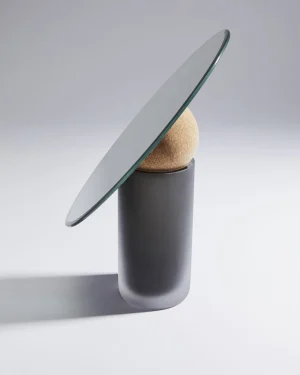 In stock
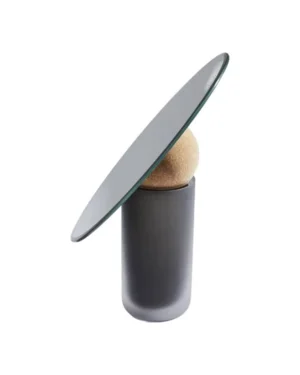
Mirror – Astra 30
By Clemence Birot
€409 -
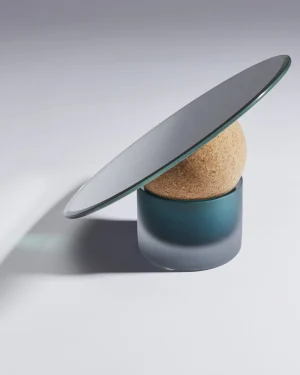 In stock
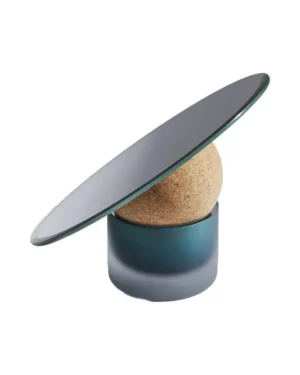
Mirror – Astra 24
By Clemence Birot
€345 -
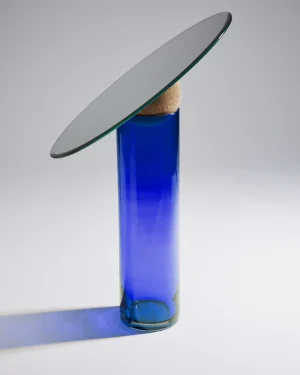 In stock
Mirror – Astra 34 Cobalt
By Clemence Birot
€540 -
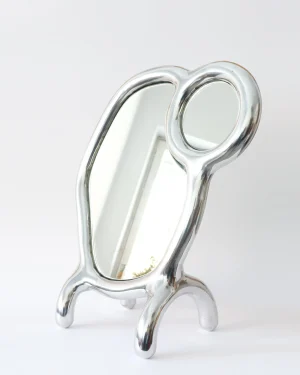 In stock
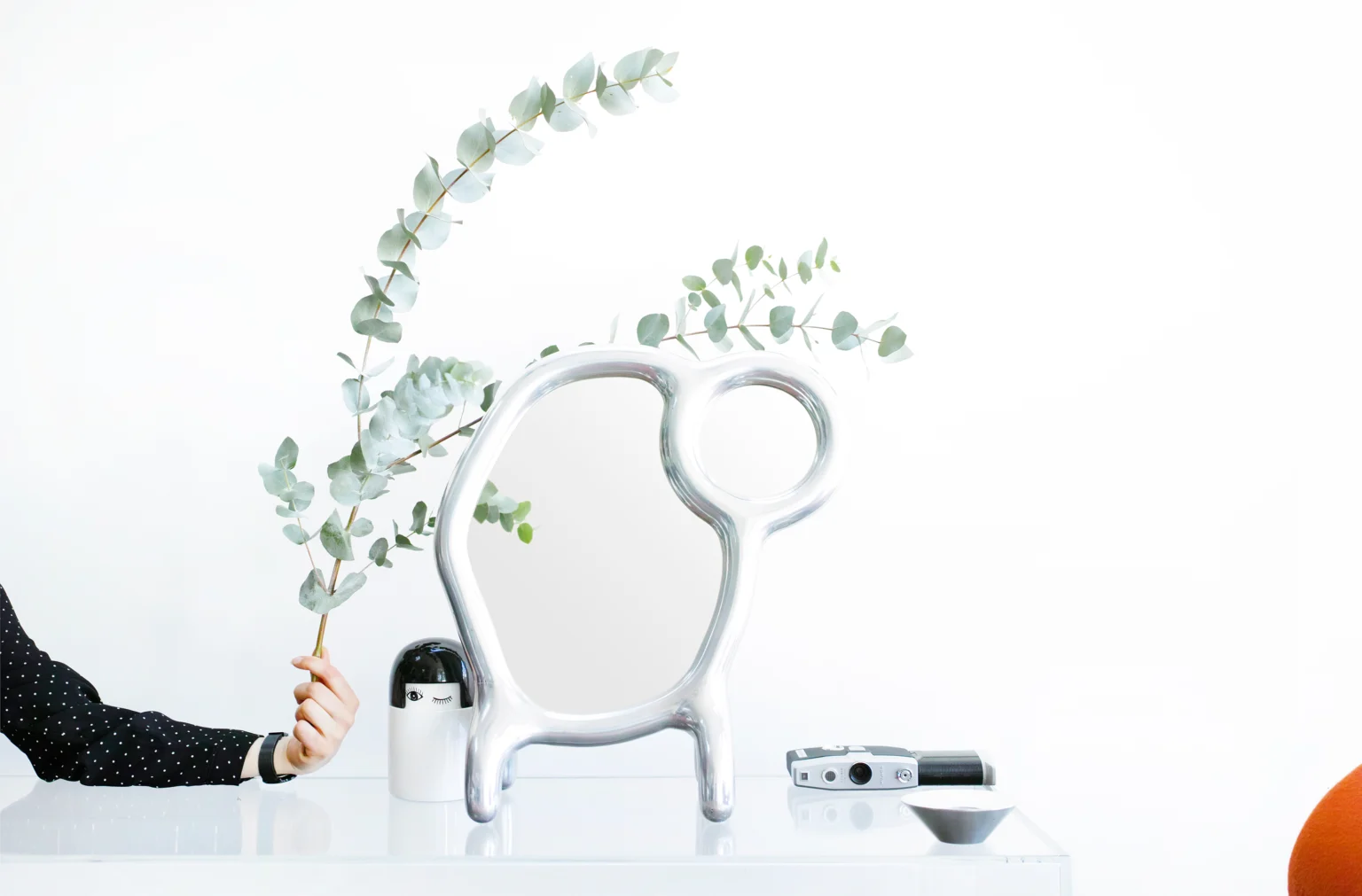
Mi-rr 13
By Studio Speculo
€1.100 -
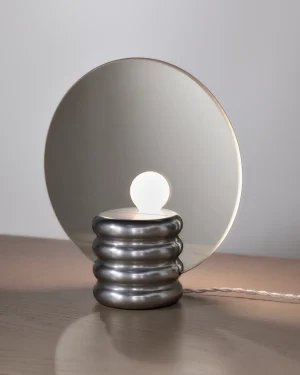 In stock
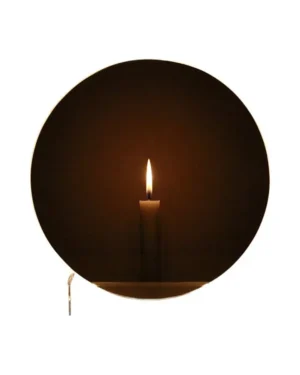
Spegla Mirror Lamp – Mirror / Lamp In Aluminium And Mirror Glass
By Jochen Lavéno Mangelsdorff Studio & Objects
€556 -
 In stock
Wood & Wax Mirror
By Studio Ebba Lindgren
€400 -
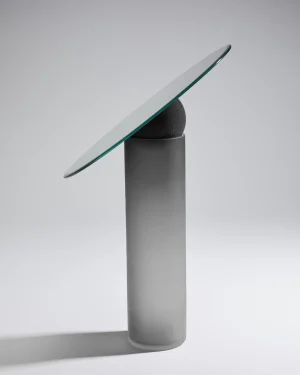 In stock
Mirror – Astra 34 Charcoal Edition
By Clemence Birot
€540 -
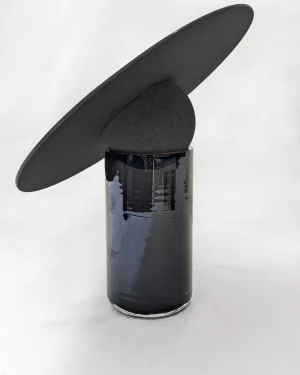 In stock
Mirror – Astra 30 Charcoal Edition
By Clemence Birot
€409 -
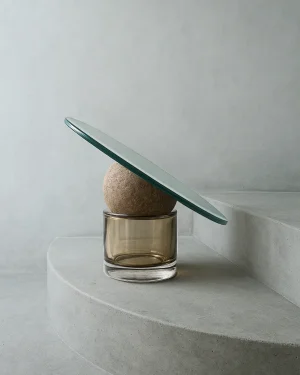 In stock
Mirror – Astra 24 Amber
By Clemence Birot
€345 -
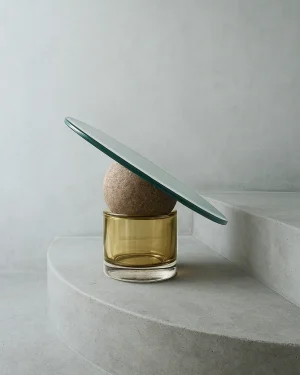 In stock
Mirror – Astra 24 Yellow
By Clemence Birot
€345 -
 In stock
STYX Mirror – Small
By Sophia Taillet
€320 -
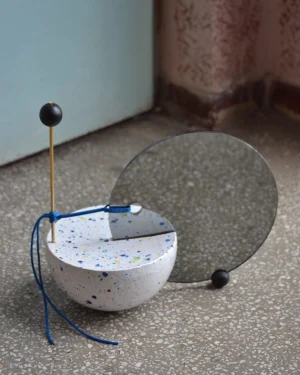 In stock
Hemisphere – Ceramic Vanity Mirror
By UAU Studio
€1.200 -
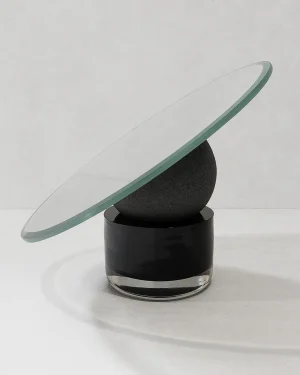 In stock
Mirror – Astra 24 Charcoal Edition
By Clemence Birot
€297
Space age table mirrors carry the optimism of mid-century design into a tabletop object: rounded or porthole forms, reflective or tinted glass, and bases in cast aluminum, turned ash wood or hand-built ceramic. Studios working in this idiom favor glassblowing, metal casting and anodising, finishes that read as futuristic without relying on ornament. The result sits closer to a small sculpture than a household fitting, though it still does the work of a mirror.
What defines the space age style in a table mirror
The style favors geometry over decoration: circles, lozenges, and capsule shapes stand in for the carved frames of earlier periods. Mirrorglass is often left reflective and untreated, so the glass itself becomes the color, while bases and stands appear in black, silver, royal blue, green, yellow or amber to contrast against it. Anodized aluminum and cast metal give a cool, matte or satin surface that ages slowly if kept dry and free of abrasive cleaners.
Materials and techniques found in this range
Glass dominates, usually blown or cast into mirrorglass and set at an angle or on a swivel. Around it, studios build bases from aluminum shaped by metal casting or CNC milling, from ash wood finished by hand in traditional cabinetmaking, or from ceramic formed by hand-building and finished with glaze. Cork and natural wax occasionally appear as grounding details, softening the otherwise industrial palette of the glass and metal.
- Blown and cast glass, left reflective or tinted amber, green or royal blue
- Aluminum bases shaped by metal casting, CNC milling or anodising
- Ash wood stands finished through cabinetmaking
- Ceramic bases formed by hand-building and glazing
Editions vary by studio: some pieces come from open runs, others as limited editions or unique, hand-finished one-offs, so surface and tone can shift slightly from one example to the next even within the same material.
How to choose one
Scale first: a table mirror should sit comfortably within arm's reach, neither dwarfing a console nor disappearing on it. Height matters more than width, since most are used standing rather than propped, so check that the mirror's eye-level sits naturally for where it will live, whether on a low sideboard or a bedroom dresser. Reflective glass brightens a room and bounces light back into it, while tinted amber or green glass softens reflection and suits spaces that already get strong natural light.
Where it works in a room
These mirrors read well in entryways, on bedroom dressers, or beside a worked-metal lamp where the two chrome or anodized surfaces pick up each other's finish. A single sculptural object like this can replace a cluster of smaller decor, since the form does enough work on its own. For living rooms already leaning geometric, pairing a space age table mirror with other pieces of similar vintage, such as those found among space age decor or space age table lamps, keeps the palette consistent without matching pieces exactly.
Care
Clean glass with a soft, lint-free cloth and a mild, ammonia-free solution to avoid clouding the reflective coating. Aluminum bases need only a dry wipe to keep their anodized finish; wood stands benefit from an occasional oiling to resist drying and cracking. Keep ceramic bases away from damp surfaces, since unglazed footings can absorb moisture over time.
For a broader view of the material, the full range of table mirrors on ADORNO includes wooden and glass-dominant options alongside these space age forms, and every space age piece on ADORNO extends the same geometry into lighting, seating and objects for those building a room around the era's shapes and finishes.
How do I choose a space age table mirror?
Look at the silhouette first: rounded forms in aluminum or mirrorglass lean toward the orbital look, while colored glass or ceramic bases add a softer accent. Match the reflective surface to the light in the room.
What materials are space age table mirrors usually made from?
Common choices are blown glass, cast or anodized aluminum, mirrorglass, and glazed ceramic. Metal frames tend toward curved, planetary shapes, while glass and ceramic bases add color and texture.
How do I clean and care for a table mirror like this?
Wipe glass and mirrorglass with a soft, lint-free cloth and a mild, ammonia-free cleaner. Dust metal and ceramic bases regularly, and keep anodized aluminum away from abrasive cloths that can dull its finish.
What size table mirror should I get for a console or desk?
Table mirrors generally sit low enough to catch a seated or standing reflection without blocking the surface behind them. A maker can confirm exact dimensions and proportions with Chat with the maker on the piece's page.
Which rooms suit a space age table mirror?
Entryways, consoles, dressing tables, and desks all work well, anywhere a reflective, sculptural object can anchor a surface. Their rounded forms read as objects in their own right, not just functional mirrors.
Does ADORNO ship these mirrors worldwide and offer returns?
Yes, shipping is insured and worldwide. Returns are accepted within 14 days, except for made-to-order pieces, and every mirror arrives with a certificate of authenticity.