



-
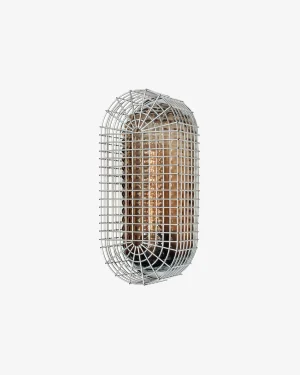
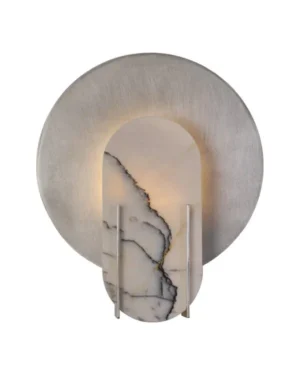
Chastity Wall Sconce In Stainless Steel And Handblown Glass
By Studio S II
€1.980 -
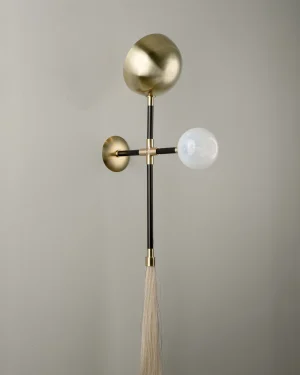
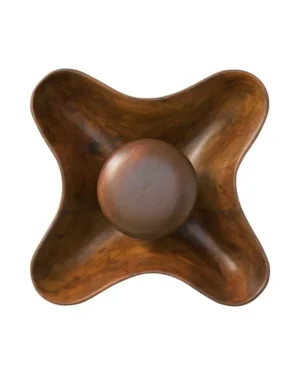
Gogo Wall Sconce in Brass, Blown Glass and Natural Fibers
By Isabel Moncada
€2.880 - €4.036 -
 In stock
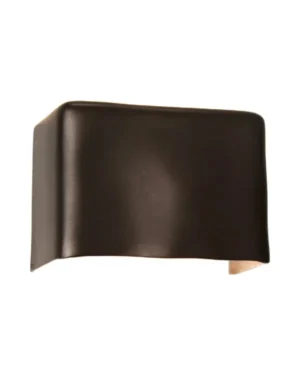
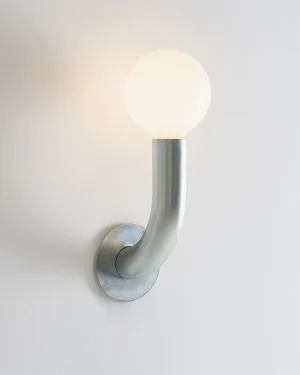
Curva Wall Sconce in Zinc
By Cultivado em Casa
€512 -
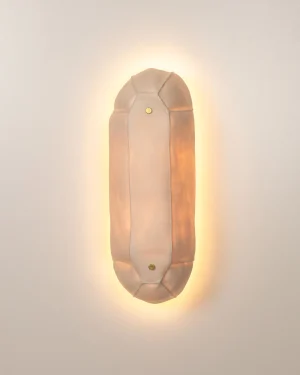
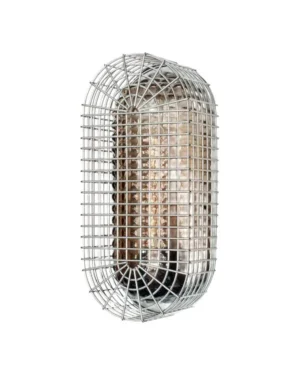
Kawa Series 01 Wall Sconce in Porcelain and Brass
By Luft Tanaka Studio
€1.600 -
 In stock
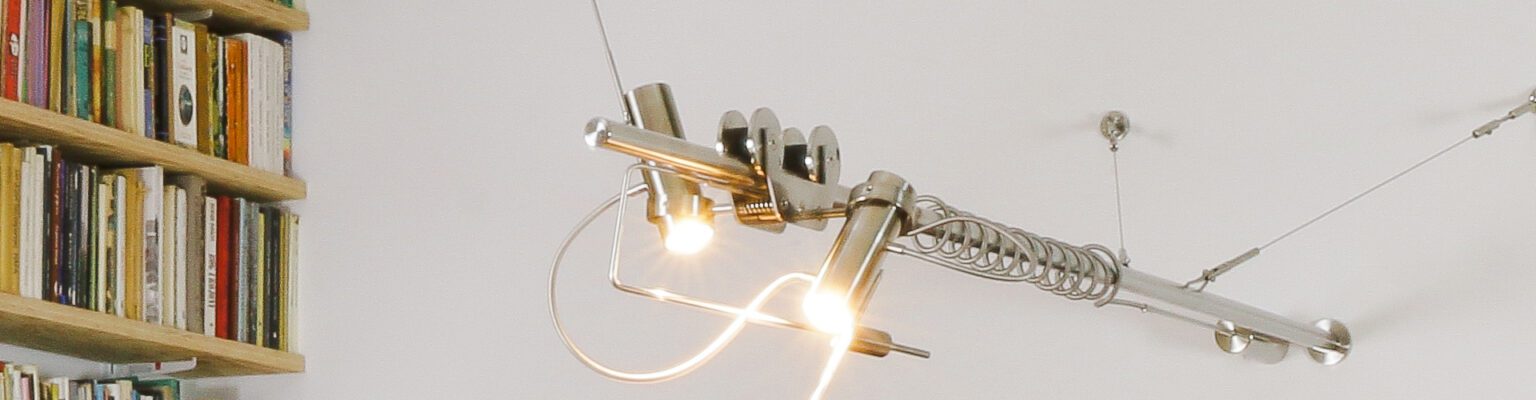
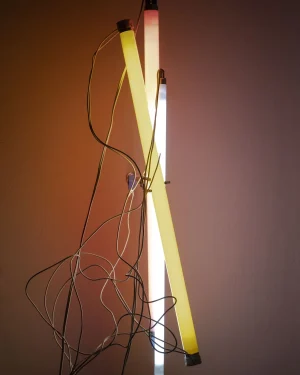
Extreme Il Wall Lamp in Metals
By TUNK I Busra Tunc
€280 -
 In stock
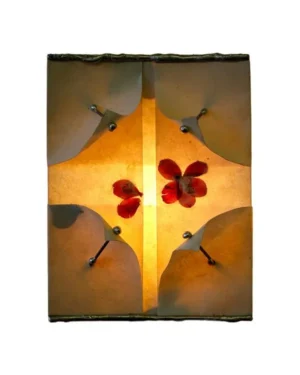
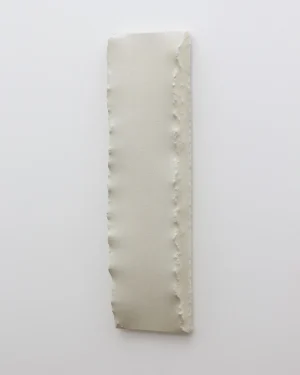
Edges 20-75 T8-60 Wall Sconce In Paper Pulp
By David Čáp
€400 -
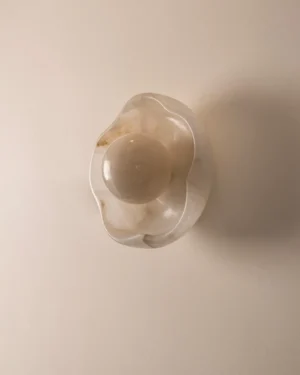
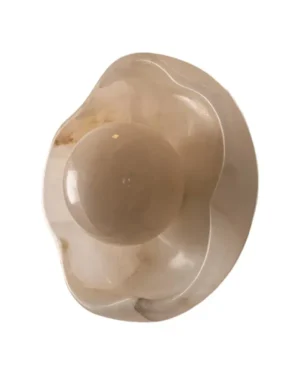
Flower Wall Sconce In Alabaster
By Harshita Jhamtani Designs
€700€630 -
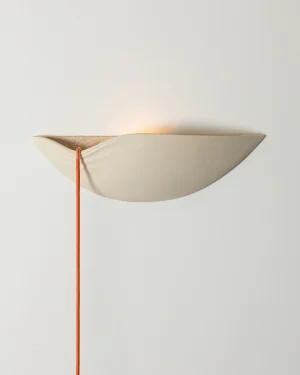
Loma Wall Sconce In Stoneware
By Catalin Filip
€450 -
 In stock
Extreme I
By TUNK I Busra Tunc
€450 -
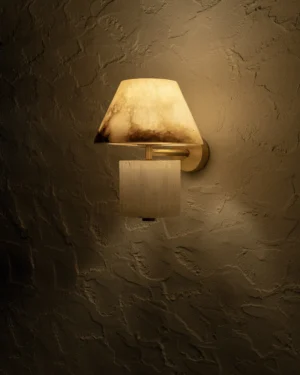
Rio Wall Lamp In Alabaster And Brass
By Harshita Jhamtani Designs
€1.150 -
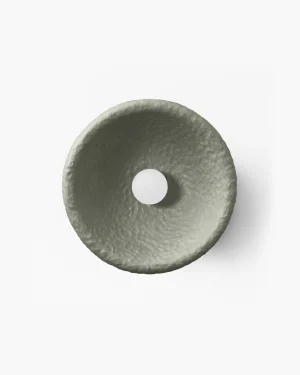 In stock
Soniah Wall Sconce in ZTISTA
By FAINA
€1.050 - €1.250 -

Dyptich Wall Sconce in Brass and Recycled Plastic
By SIGNATURE OBJECTS
€1.800 -
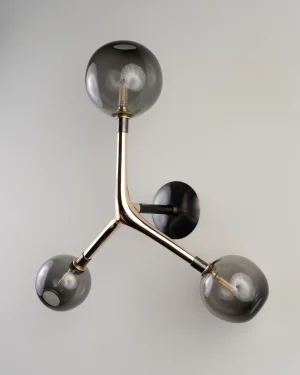
Ocellus Wall Sconce in Bronze and Blown Glass
By Isabel Moncada
€3.510 - €4.036 -

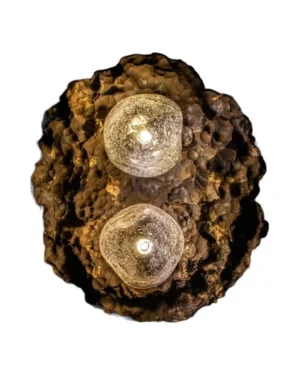
Ojos Wall Sconce in Bronze and Blown Glass
By Isabel Moncada
€2.925 - €3.363 -
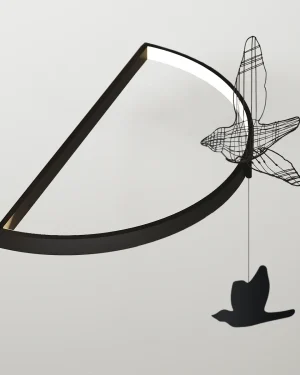 In stock
Flight Shadows Wall Sconce In Steel
By SVITANOK
€1.020 - €1.140 -

Knock Off Neon Wall Sconce in Textiles and Metal
By Studio Ebba Lindgren
€152 -
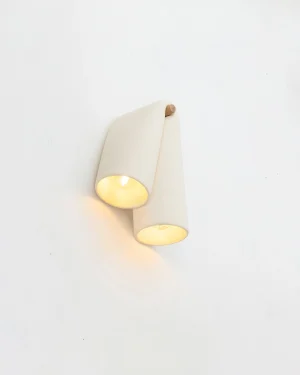
Melo Wall Sconce In Stoneware And Beech Wood
By Catalin Filip
€350
White wall lamps gather several different ways of making light-colored fixtures under one shade: hand-blown glass, hand-built ceramic and porcelain glazed in satin or gloss white, and brass, steel or aluminum finished in white. Independent studios choose white not to disappear but to let the light itself read as the main material, with the body of the lamp acting as a quiet frame.
What white does to a wall lamp
White reflects more of the light a fixture throws back into the room than darker finishes, so a lamp in this color tends to read brighter at a given wattage, with the glow sitting close to the wall rather than sinking into it. On glass, white can mean a milk-white tint that softens the bulb to an even wash, or a clear body with a white-painted interior that frosts the light from within. On ceramic and stoneware, white is a glaze, satin or gloss, pulled thin at the edges so the clay underneath sometimes shows through as warm grey or pink.
The materials behind white wall lamps
Blown glass is shaped by hand at the furnace into globes, tubes and asymmetric forms, where no two pieces are perfectly identical; hand-built or slip-cast ceramic and stoneware are fired and glazed in small batches; and sheet metal is cast or worked by hand into brackets and shades. Some studios keep a design in open, ongoing production, while others issue limited editions or one-off pieces, numbering or signing each one.
Styles range from pared-back minimalist forms with a single visible seam to more sculptural, contemporary shapes that bend the material rather than hide it. A few lean toward the biophilic or the conceptual, treating the wall lamp as a small sculpture that happens to hold a bulb.
Choosing a white wall lamp
Start with scale relative to the wall: a lamp meant to flank a mirror or headboard should sit comfortably within the width of what it frames, while a single statement piece for a stairwell can run larger. Mounting height follows function first, roughly eye level for reading or task light beside a bed, higher and more oblique when the job is to wash a wall or painting in light rather than illuminate a surface directly.
Finish matters as much as form. A gloss white ceramic or painted metal body reflects more of its surroundings and shows fingerprints more readily, while a satin or matte glaze or paint stays quieter against the wall. Consider too how the lamp reads when switched off, since a white body stays visible against most wall colors in daylight, unlike a dark steel or bronze fixture that can recede.
Where white wall lamps work
Because white lamps borrow from the wall color around them rather than fighting it, they suit almost any room: bedrooms, where a pair either side of the bed replaces a nightstand lamp and frees the surface; hallways and stairwells, where a run of fixtures spaced evenly guides the eye and the feet; and living rooms, where a single sculptural piece can sit beside a sofa or above a console doing the work of a floor lamp without taking any floor space.
For the full range of wall-mounted lighting, including pieces worked in metal, see all wall lamps, or narrow by room with bedroom wall lamps and hallway wall lamps. Those drawn to the structural side of the material can look at metal wall lamps, and the same tone carries across lighting and objects alike on the white pieces page.
Caring for a white finish
Glazed ceramic and painted metal wipe clean with a dry or barely damp cloth; avoid abrasive cleaners, which dull a gloss glaze or paint over time. Blown glass in milk white should be dusted rather than scrubbed, since grit trapped against the surface can scratch it. Keep white finishes out of prolonged, direct sun near windows, as some paints and glazes yellow slightly over years of exposure, and wipe away condensation promptly in bathrooms to stop water spotting on gloss surfaces.
How do I choose a white wall lamp?
Start with the material: glass gives a soft, even glow, ceramic adds texture and warmth, and metal keeps the fixture quiet so the light itself stands out. Match that effect to the task, whether it is bedside reading or washing a wall with light.
How do you clean and care for a white wall lamp?
Dust glass and metal with a dry or barely damp cloth, keeping moisture away from any electrical fittings. Ceramic glazes can be wiped the same way, though abrasive cleaners dull the surface over time.
What size wall lamp do I need?
There is no fixed rule, since studios vary the scale from compact bedside fixtures to larger statement pieces. Check the listed dimensions on each piece, or chat with the maker on the piece's page to confirm it suits your wall.
Which rooms suit white wall lamps?
White reflects light well, which makes these lamps useful in hallways, bedrooms and living rooms where a soft, even glow is wanted rather than a strong directional beam. They also sit quietly against light walls, adding light without adding visual weight.
Will a white wall lamp match other white or off-white pieces?
Whites vary by material, from the cool cast of painted metal to the warmer tone of a glazed ceramic body, so tones will not always match exactly. Treat each as a close neutral rather than an identical shade.
What are ADORNO's shipping, returns and authenticity policies?
Shipping is insured and worldwide. Returns are accepted within 14 days, except for made-to-order pieces, and every piece comes with a certificate of authenticity along with a lowest-price guarantee.