

-

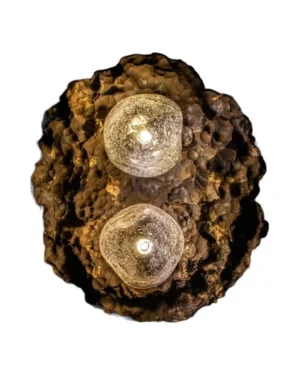
Onda Sconce In Raku White Ceramic
By arrived aliens
€2.200 -

Asea No.40 Wall Sconce In Stoneware And Blown Glass
By Ceren Gürkan
€1.200€1.020 -
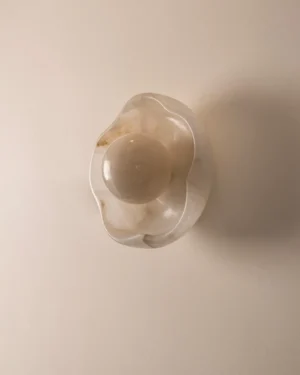
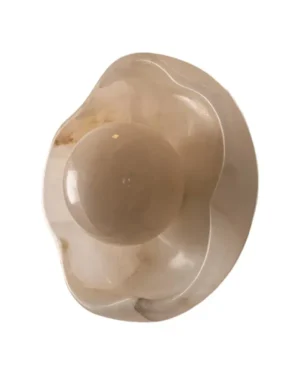
Flower Wall Sconce In Alabaster
By Harshita Jhamtani Designs
€700€630 -
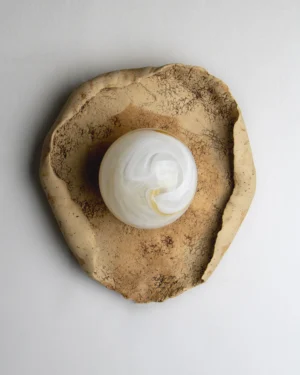 In stock
Asea No. 41 Pearl Wall Sconce in Stoneware and Blown Glass
By Ceren Gürkan
€1.000 -
 In stock
Onda Cosmic Wall Sconce In Glazed Ceramic
By arrived aliens
€2.200 -
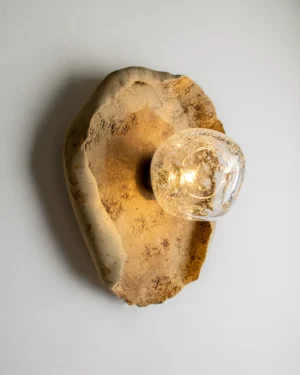 In stock
Asea No. 41 Wall Sconce in Stoneware and Blown Glass
By Ceren Gürkan
€1.000 -
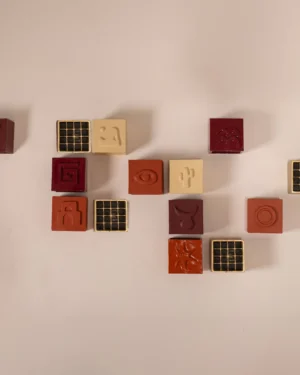
Oasis Wall Light In Hand-sculpted Stoneware
By Harshita Jhamtani Designs
€410 -
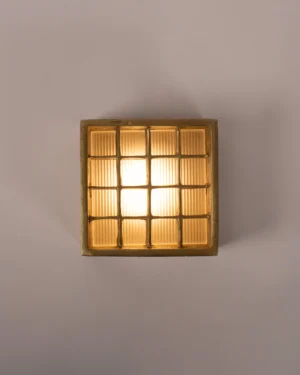
Oasis Mirage Wall Light In Cast Aluminum And Fluted Glass
By Harshita Jhamtani Designs
€620 -
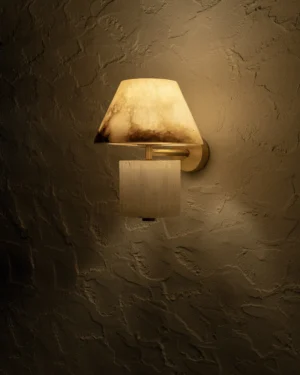
Rio Wall Lamp In Alabaster And Brass
By Harshita Jhamtani Designs
€1.150 -
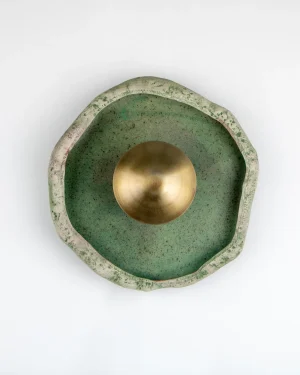 In stock
Asea No. 18 Green Wall Sconce In Porcelain And Brass
By Ceren Gürkan
€600 -
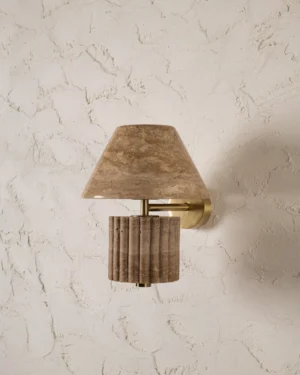
Rio Wall Lamp In Beige Travertine And Brass
By Harshita Jhamtani Designs
€1.150 -
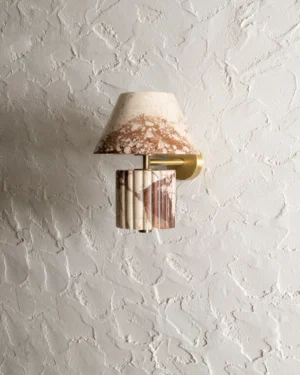
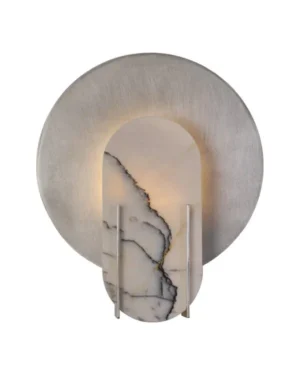
Rio Wall Lamp In Pizzato Marble And Brass
By Harshita Jhamtani Designs
€1.290 -
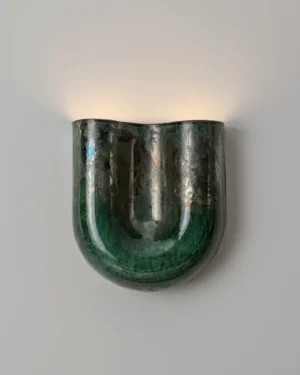
Onda Green Wall Sconce In Raku Ceramic
By arrived aliens
€2.200 -
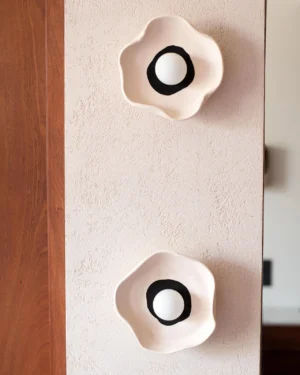
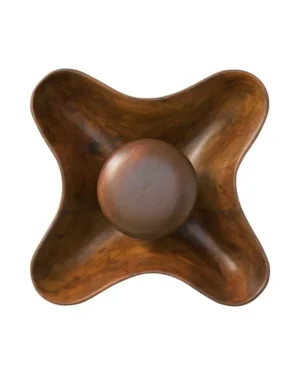
Flower Wall Sconce In Stoneware
By Harshita Jhamtani Designs
€360 -
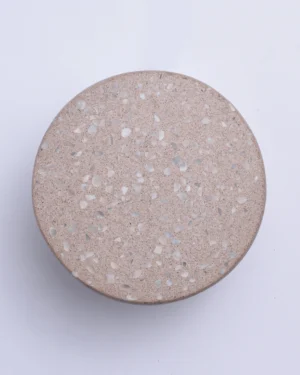
Wilo Nude Wall Sconce In Terrazzo, Aluminum And Silicone
By Harshita Jhamtani Designs
€220 -
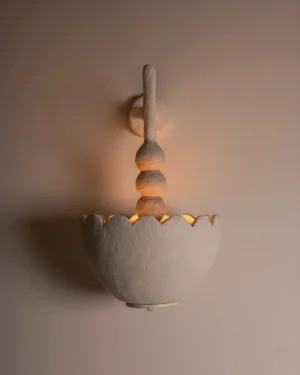
Scallop Wall Sconce In Stoneware And Clay
By Harshita Jhamtani Designs
€1.080 -
10% off
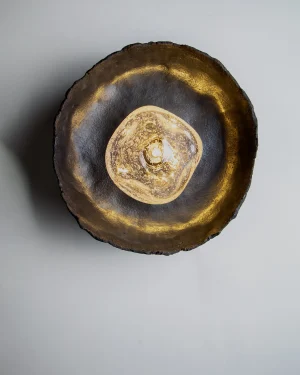
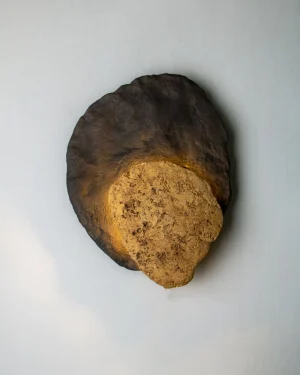
Asea No. 12 Wall Sconce In Stoneware And Blown Glass
By Ceren Gürkan
€800€720 -
 In stock
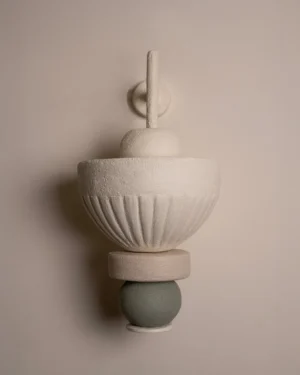
Asea No. 21 Wall Sconce In Stoneware
By Ceren Gürkan
€800 -
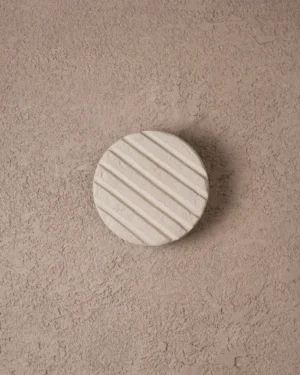
Pebble Wall Sconce In Stoneware And Clay
By Harshita Jhamtani Designs
€1.080 -
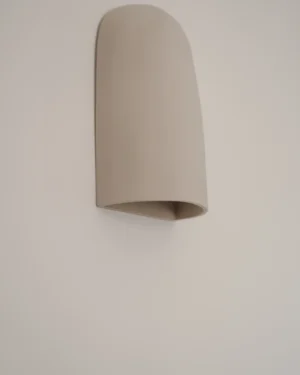
Wilo Fluted Egg White Wall Sconce In Clay And Aluminum
By Harshita Jhamtani Designs
€230 -
 In stock
Arte Wall Sconce in Stoneware
By TERA CERAMIC
€290 -

Onda Black Wall Sconce In Raku Ceramic
By arrived aliens
€2.200 -
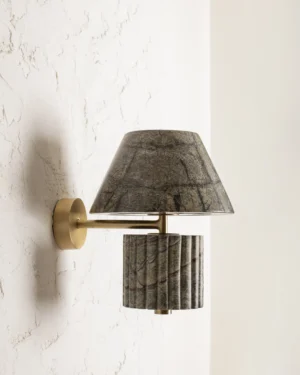
Rio Wall Lamp In Rainforest Marble And Brass
By Harshita Jhamtani Designs
€1.150 -
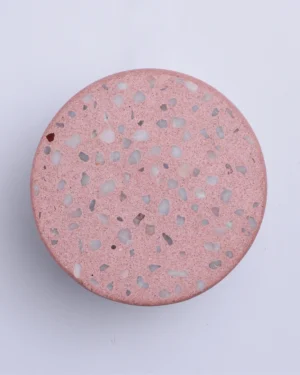
Wilo Blush Wall Sconce In Terrazzo, Aluminum And Silicone
By Harshita Jhamtani Designs
€220 -
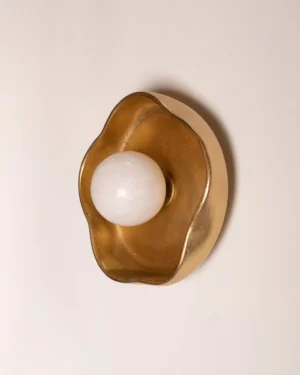
Flower Casted Wall Sconce In Brass-finished Aluminum
By Harshita Jhamtani Designs
€760 -
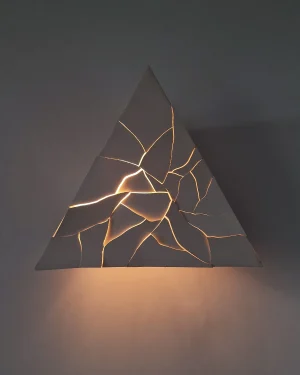 Sold
Mira Luminaire Wall Sconce in Jesmonite and Wood
By Catrinel Sabaciag
€2.500 -
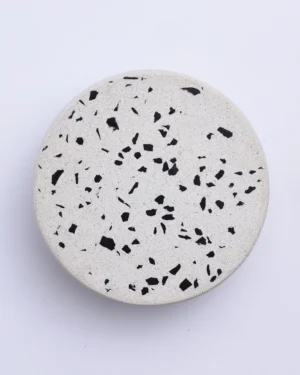
Wilo Mono Wall Sconce In Terrazzo, Aluminum And Silicone
By Harshita Jhamtani Designs
€220 -
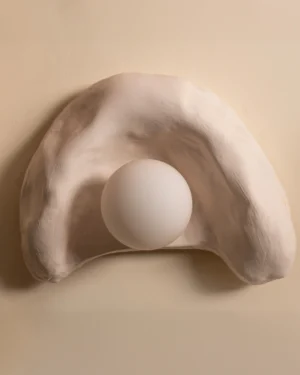
Mini Blob Wall Sconce In Stoneware
By Harshita Jhamtani Designs
€400 -
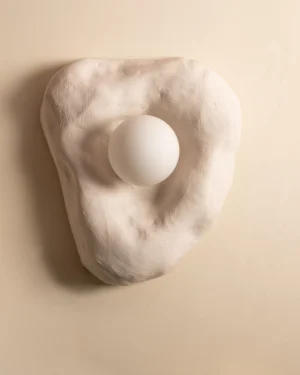
Blob Wall Sconce In Stoneware
By Harshita Jhamtani Designs
€450 -
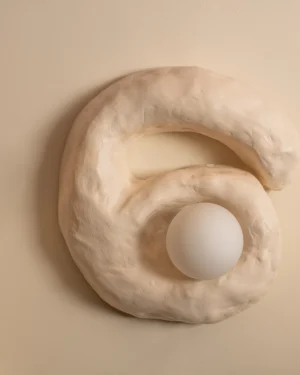
Spiral Wall Sconce In Stoneware
By Harshita Jhamtani Designs
€450
Wabi-sabi wall lamps take their character from raku-fired stoneware, hand-blown glass and cast aluminum, materials that studios leave slightly uneven rather than smooth into uniformity. Each surface carries the marks of its own making: a crackle from the kiln, a bubble trapped in glass, a seam left visible in cast metal. Independent makers favor hand-building, glazing, glassblowing and metal casting precisely because these techniques resist repetition.
What defines wabi-sabi wall lamps
Wabi-sabi asks a material to show its age and its process instead of hiding them. In wall lighting this shows up as an edge that is not quite straight, a glaze that pools unevenly, or a cast surface with the faint texture of its mold. The irregularity is the point: no two pieces throw light in exactly the same pattern across a wall.
Color stays close to the earth and the kiln: off-white, beige, gold and black and white recur, with occasional burgundy or light pink where a glaze runs warm. These tones read as grounded rather than decorative, which is part of why wabi-sabi wall lamps sit comfortably next to older furniture and worn textiles.
Materials, finishes and editions found here
The range on ADORNO changes as studios come and go, but it tends to draw from a consistent set of materials and ways of working.
- Stoneware and clay, hand-built and often finished with raku glazing, which produces the characteristic crackle and smoke-marked surface
- Hand-blown glass, shaped while still soft so that thickness and clarity vary piece to piece
- Cast aluminum and mild steel, worked through metal casting and metalwork for a harder, more architectural take on the same philosophy
- Occasional terrazzo, made through stone carving and terrazzo making for a mottled, flecked surface
Editions run from open runs, where a studio keeps a form in rotation, to pieces sold as one-off, where no second example will follow. Where a listing calls a piece one-off, that irregularity is not a flaw to correct but the reason the piece exists.
How to choose a wabi-sabi wall lamp
Start with scale. A small raku sconce reads as a quiet detail beside a doorway, while a larger glass or aluminum fixture can anchor a blank stretch of wall on its own. Measure the wall, not just the lamp, since wabi-sabi pieces are often asymmetric and need room to sit off-center without looking accidental.
Mounting height follows function: around eye level for a lamp meant to be looked at directly, lower for one that washes a reading chair or headboard, higher where it needs to clear a doorway or furniture below. Check whether the fixture throws light up, down or both, since stoneware shades often direct light differently depending on which way they face.
Finish matters as much as form. A matte, smoke-toned glaze suits a room built around wood and linen, while a cast aluminum lamp with visible casting texture holds its own against concrete or stone. For the full range of finishes and forms, see every piece listed under wabi-sabi style.
Where wabi-sabi wall lamps belong
These lamps work wherever a room benefits from a single, considered point of light rather than an even wash. A pair either side of a mirror or headboard suits a bedroom, where the uneven glow sits closer to candlelight than to a reading lamp. In a hallway, a single stoneware or glass sconce marks a turn or a doorway without competing with artwork. In a living room, a larger cast piece can stand in for a side table lamp when floor and surface space are already spoken for.
Caring for stoneware, glass and cast aluminum
Raku-fired stoneware is porous and should stay dry; wipe it with a soft, barely damp cloth rather than washing it, since repeated soaking can soften the glaze over time. Hand-blown glass needs only dusting and a gentle glass cleaner, applied without pressure on any thin or bubbled sections. Cast aluminum tolerates more handling but still benefits from a dry cloth rather than abrasive cleaners, which can dull the texture left by the mold. For the wider range of wall fixtures these materials sit within, see all wall lamps currently listed.
How do I choose a wabi-sabi wall lamp?
Look at how the material handles light: raku stoneware casts a soft, broken glow, blown glass diffuses it, cast aluminum throws sharper shadows. Pick the surface and tone that suit the wall's texture and the room's existing materials.
How do you clean and care for a wabi-sabi wall lamp?
Dust stoneware and glass with a dry or barely damp cloth, avoiding abrasive cleaners that can dull a raku glaze. Wipe cast aluminum with a soft cloth and keep it dry to prevent oxidation spots.
What size wall lamp should I get and how high should it hang?
Wall lamps generally hang at eye level or slightly above, around 60 to 65 inches from the floor, lower beside a bed or mirror. The maker can confirm exact dimensions and recommended mounting height on the piece's page.
Which rooms suit wabi-sabi wall lamps best?
Their earthy color and uneven surfaces suit bedrooms, hallways and living rooms, especially alongside older furniture, worn textiles or stone. They read as grounded rather than decorative, so they sit well in quieter, pared-back spaces.
Are these wall lamps handmade and one of a kind?
Many are hand-built, glazed or hand-blown using techniques that resist repetition, so surfaces vary piece to piece. Whether a specific lamp is a unique piece or part of an open edition is noted on its own page.
What about shipping, returns and authenticity when buying from ADORNO?
Shipping is insured and worldwide, with a 14-day return policy that excludes made-to-order pieces. Every lamp comes with a certificate of authenticity, backed by a lowest-price guarantee.