

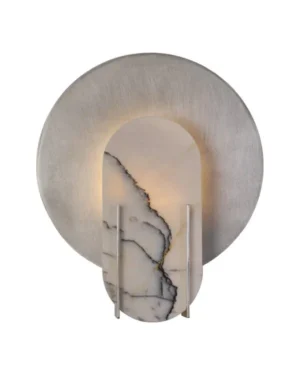

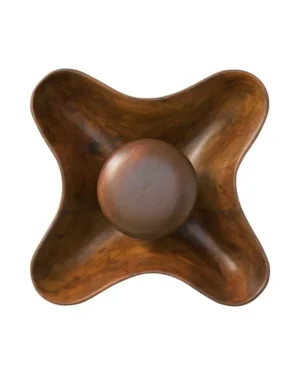
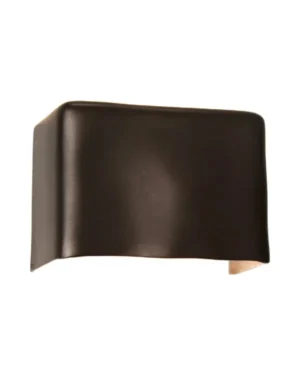

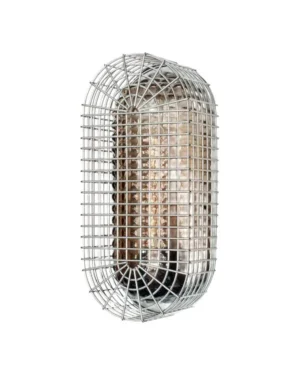
-
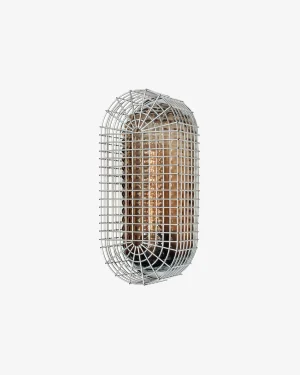
Chastity Wall Sconce In Stainless Steel And Handblown Glass
By Studio S II
€1.980 -
 In stock
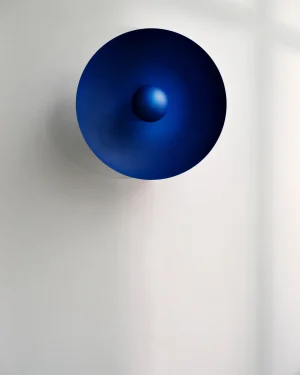
Blue Moon Wall Lamp in Aluminum
By Anne Nowak
€1.675 -
 In stock
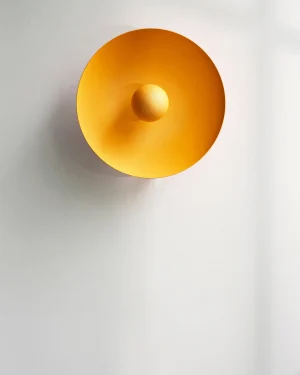
Sun Wall Lamp in Aluminum
By Anne Nowak
€1.340 -
 In stock
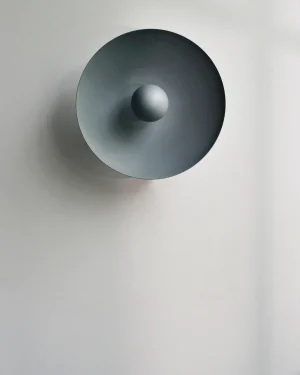
Grey Moon Wall Lamp in Aluminum
By Anne Nowak
€1.675 -
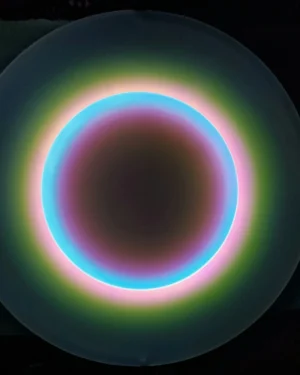
Event Horizon L Wall Sconce in Acrylic Glass
By Catrinel Sabaciag
€1.963 -
 In stock
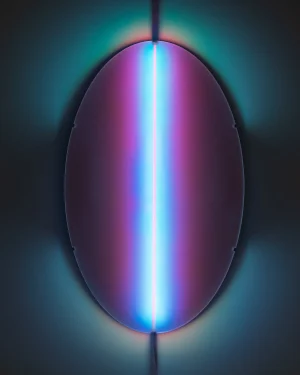
Aurora Frosted Wall Sconce in Acrylic and Aluminum
By Catrinel Sabaciag
€1.352 -
 In stock
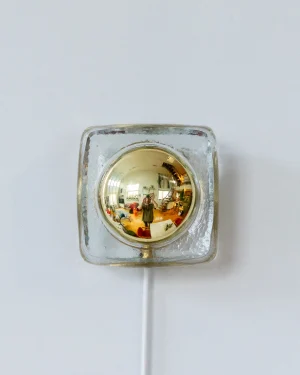
Starburst Wall Sconce in Brass and Blown Glass
By Voidfill Studio
€1.635 -
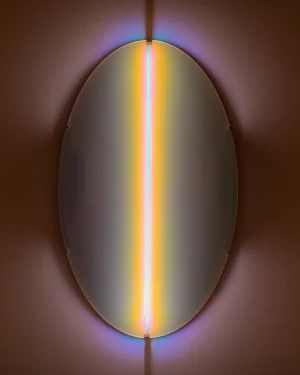
Aurora Gloss Wall Sconce in Acrylic and Aluminum
By Catrinel Sabaciag
€1.341 -

Totem Wall Sconce in Aluminum and Acrylic Glass
By Catrinel Sabaciag
€1.326 -
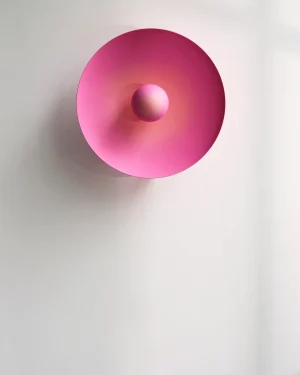 In stock
Pink Moon Wall Lamp in Aluminum
By Anne Nowak
€1.675 -
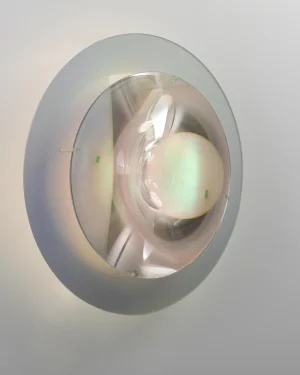
Noosphere Wall Sconce in Aluminum and Acrylic Glass
By Catrinel Sabaciag
€1.072 - €1.112 -
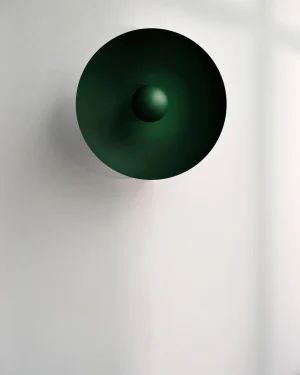 In stock
Green Moon Wall Lamp in Aluminum
By Anne Nowak
€1.675 -
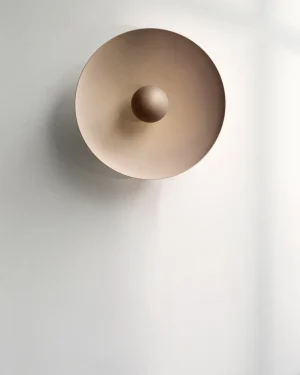 In stock
White Moon Wall Lamp in Aluminum
By Anne Nowak
€1.675 -

Apertur Wall Light Sculpture
By Studio Lampent
€3.500 -
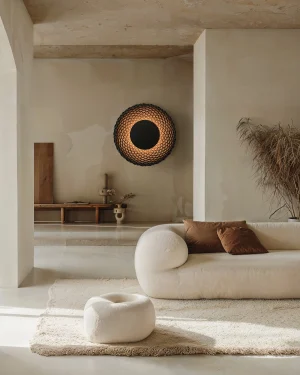 Sold
Sun V1 Wall Lamp in Stoneware
By Rollo Studio
€9.173
Space age wall lamps revive the rounded, optimistic forms that mid-century designers imagined for the future: domes, discs and curved shells rendered in aluminum, acrylic and blown glass. Independent studios shape these forms through metalwork, glass casting and glassblowing, often finishing metal in bronze or chrome tones and leaving glass clear or opaque. The result sits closer to sculpture than to a fixture, even while it does the ordinary work of lighting a wall.
What defines the space age look in wall lighting
The style favors geometry over ornament: spheres, half-moons and saucer shapes that read as single, continuous surfaces. Aluminum and stainless steel give that continuity in metal, spun or pressed into shells with no visible seams. Acrylic and blown glass do the same job in a softer register, letting light pass through rather than bounce off.
Color stays controlled. Black and bronze metal bodies pair with clear or white glass diffusers, while occasional multicolor pieces nod to the more playful, maximalist end of the period. Nothing here is textured or distressed; the finish is meant to look smooth and considered, the way a dashboard or a space capsule panel was meant to look smooth.
Materials and techniques found in this range
Within space age wall lamps, the working materials repeat with variation. Spun or cast aluminum and stainless steel form the bodies and brackets. Acrylic glass and blown or cast glass form the diffusers, sometimes tinted to soften the bulb, sometimes left clear to expose it. A smaller number of pieces use MDF or stoneware for the base, painted or glazed to match the metal and glass around them.
- Metalwork: spun or pressed aluminum and stainless steel shells, often bronze-toned
- Glass casting and glassblowing: clear, white or tinted diffusers that shape how light spreads
- Hand painting and digital fabrication: used on acrylic and MDF components for color and precise curves
Choosing a space age wall lamp for a room
Scale matters more with wall lighting than with a lamp set on a surface, since the fixture becomes part of the wall itself. A single dome or disc reads well as a focal point beside a mirror or above a console; a pair, set at matching height, works better flanking a bed or a doorway. Mount height follows the task: eye level for reading light at the head of a bed, slightly higher along a corridor where the light only needs to wash the wall.
Finish should answer the room's other metals. Bronze and aluminum bodies sit comfortably with brass hardware or dark woodwork, while clear or white glass diffusers soften a room that already has strong color elsewhere. Where a room leans toward other styles, pieces listed as contemporary wall lamps or minimalist wall lamps offer a quieter counterpoint to the rounded, retro-futurist shapes covered here.
Where these lamps work in a home
Bedrooms take well to the style, with a lamp mounted on either side of the bed freeing the nightstand entirely; see what suits that placement among bedroom wall lamps. Living rooms use the same fixtures as accent light beside a sofa or across a gallery wall, a use covered more broadly under living room wall lamps. Hallways and entryways, which rarely have floor or table space to spare, are where wall-mounted light does its most practical work.
Caring for metal and glass finishes
Aluminum and stainless steel bodies need only a dry or lightly damp cloth; abrasive cleaners will dull a polished or bronze finish over time. Acrylic diffusers scratch more easily than glass, so dust them rather than wipe them when they carry a layer of grit. Blown and cast glass can be cleaned with glass cleaner, but should be handled cold, since rapid temperature change can stress the material around a fitting.
For the wider style, further examples sit under every space age piece on ADORNO, and the full range of wall fixtures, in every material and era, is gathered under all wall lamps.
How do I choose a space age wall lamp?
Start with the body material: aluminum and stainless steel give sharp, seamless shells, while acrylic or blown glass soften the same shapes and let light pass through rather than bounce off.
How do I clean and care for a space age wall lamp?
Wipe metal bodies with a dry or barely damp cloth to keep the finish smooth, and dust glass diffusers gently; avoid abrasive cleaners on polished chrome or bronze surfaces.
What size wall lamp should I get?
Size depends on the wall and the task: smaller discs and half-moons suit bedsides and hallways, while larger saucer shapes read well above sofas or across wider, open walls.
Which rooms suit space age wall lamps?
Their sculptural, smooth-surfaced forms work in living rooms, hallways and bedrooms alike, anywhere a wall can carry a shape instead of just a point of light.
Are space age wall lamps handmade or limited editions?
It depends on the piece: some come from open runs, others as limited editions or unique pieces, so check the individual listing for that detail.
How does shipping, returns and authenticity work when I buy from ADORNO?
Shipping is insured and worldwide, returns are accepted within 14 days except on made-to-order pieces, and every lamp arrives with a certificate of authenticity under ADORNO's lowest-price guarantee.