
-
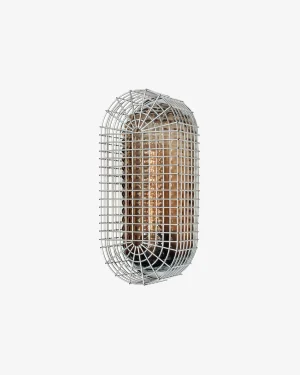
Chastity Wall Sconce In Stainless Steel And Handblown Glass
By Studio S II
€1.980 -
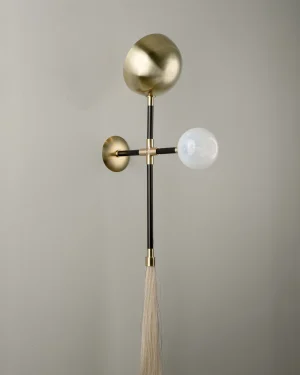
Gogo Wall Sconce in Brass, Blown Glass and Natural Fibers
By Isabel Moncada
€2.880 - €4.036 -
 In stock
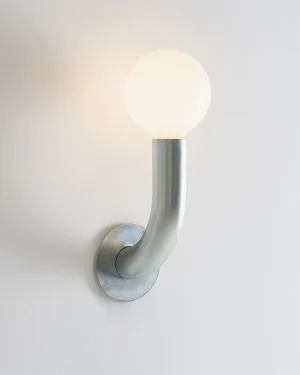
Curva Wall Sconce in Zinc
By Cultivado em Casa
€512 -
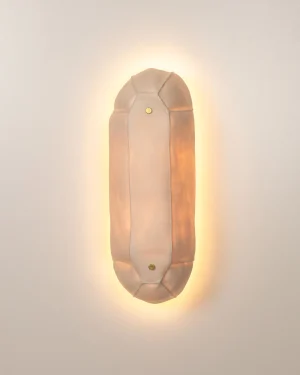
Kawa Series 01 Wall Sconce in Porcelain and Brass
By Luft Tanaka Studio
€1.600 -
 In stock
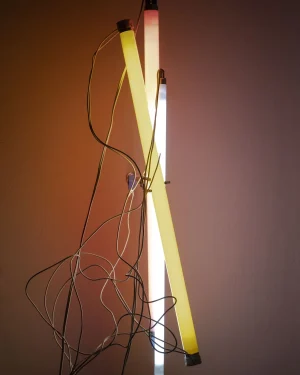
Extreme Il Wall Lamp in Metals
By TUNK I Busra Tunc
€280 -
 In stock
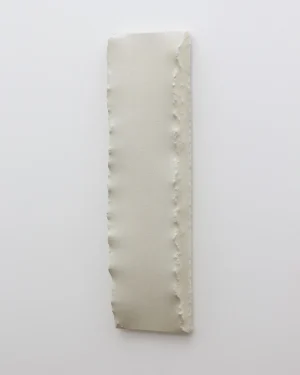
Edges 20-75 T8-60 Wall Sconce In Paper Pulp
By David Čáp
€400 -
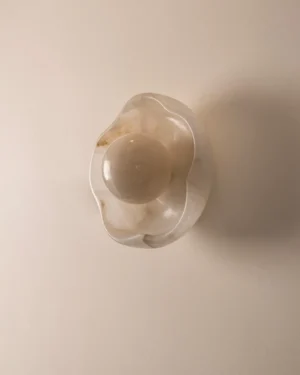
Flower Wall Sconce In Alabaster
By Harshita Jhamtani Designs
€700€630 -
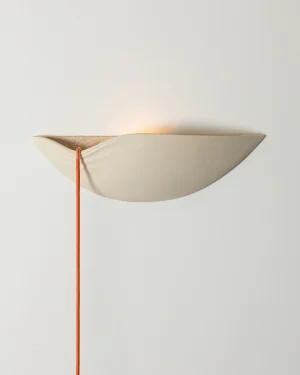
Loma Wall Sconce In Stoneware
By Catalin Filip
€450 -
 In stock
Extreme I
By TUNK I Busra Tunc
€450 -
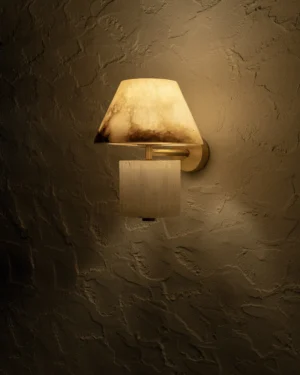
Rio Wall Lamp In Alabaster And Brass
By Harshita Jhamtani Designs
€1.150 -

Dyptich Wall Sconce in Brass and Recycled Plastic
By SIGNATURE OBJECTS
€1.800 -
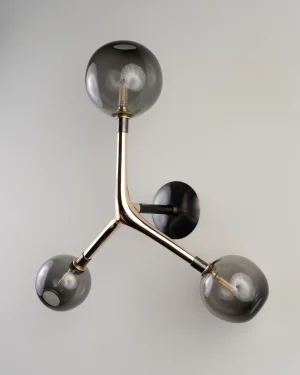
Ocellus Wall Sconce in Bronze and Blown Glass
By Isabel Moncada
€3.510 - €4.036 -

Ojos Wall Sconce in Bronze and Blown Glass
By Isabel Moncada
€2.925 - €3.363 -
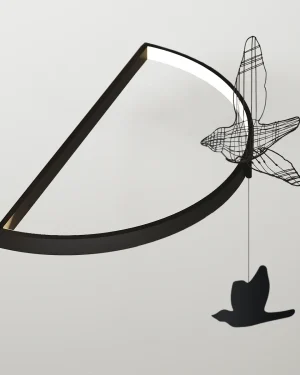 In stock
Flight Shadows Wall Sconce In Steel
By SVITANOK
€1.020 - €1.140 -

Knock Off Neon Wall Sconce in Textiles and Metal
By Studio Ebba Lindgren
€152 -
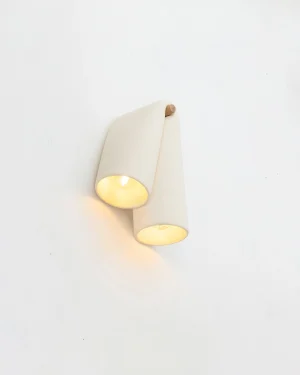
Melo Wall Sconce In Stoneware And Beech Wood
By Catalin Filip
€350
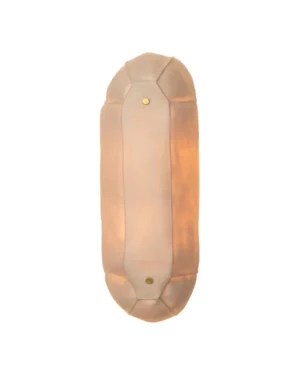
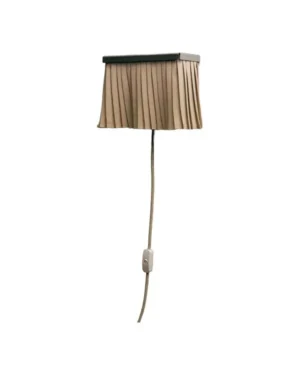
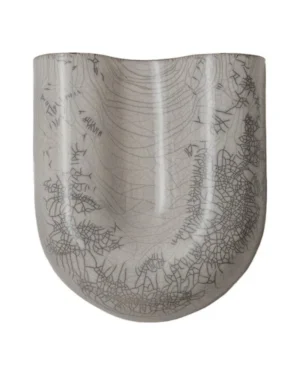
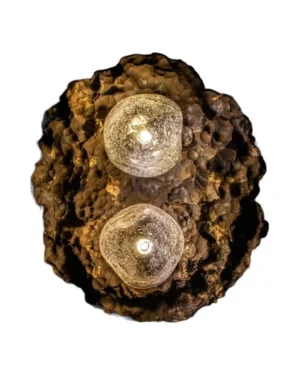
White wall sconces gather hand-built ceramic, blown glass, brass, aluminum and stainless steel under a single finish, made by independent studios working in hand-building, glassblowing, metal casting and slip casting. The color sits flat against plaster, picking up every shift in daylight, so the body of the sconce becomes part of the wall rather than an object fixed to it. Shapes range from a single glass dome to a flared ceramic shade to a bare metal arm, but the white surface is what unifies them.
What white does to a wall light
White does not compete with a wall the way bronze or black does; it reads as an extension of the plaster, so the eye follows the shape of the shade rather than the fixture itself. On ceramic and stoneware, a white glaze can run from chalky and matte to glass-hard and glossy, each catching light differently. On blown glass, white is rarely solid: it is often a milk glass that lets some light pass through the body, softening the beam before it hits the wall.
The materials and techniques behind the range
Ceramic and stoneware sconces are hand-built or slip cast, then glazed white and fired, which leaves faint variation from piece to piece even within one run. Blown glass shades are shaped by glassblowing while hot, so the white layer is worked into the glass rather than painted on afterward. Brass, aluminum and stainless steel bodies are formed through metalwork or metal casting and finished in a baked or painted white that resists the yellowing plain paint can show over time.
- Hand-built or slip-cast ceramic and stoneware, glazed and kiln-fired
- Hand-blown milk glass, shaped while molten
- Metal bodies in brass, aluminum or stainless steel, painted or baked white
Editions vary by studio: some sconces come from open runs that continue as long as the design is in production, others are limited editions fired or cast in small numbers, and a few are unique pieces where no two are identical. None of this is fixed to a single material; it depends on how each studio chooses to work.
Choosing a sconce for scale, height and placement
Scale matters more on a sconce than on most other lighting, because it sits at eye level with nothing around it to soften an awkward size. A shade that is too large for a narrow hallway will crowd the passage; one that is too small on a wide living room wall will read as an afterthought. Mounting height follows the room: lower for a bedside reading light, higher where the sconce needs to wash a stairwell or a long run of wall.
Where white sconces work best
Entryways and hallways gain the most from the format, since a sconce keeps the floor clear in spaces that are often narrow. Bedrooms use them in pairs for reading light that does not need a nightstand, and living rooms rely on them to raise the general light level without adding another lamp to a side table. Across all of these, the white finish keeps the fixture quiet, which is why it has stayed a standard choice in rooms built around white furniture, white lamps and white decor more generally.
Caring for ceramic, glass and metal sconces
Ceramic and glass sconces need only a dry or barely damp cloth; abrasive cleaners can dull a glaze or scratch blown glass over years of wiping. Metal bodies in brass, aluminum or stainless steel should be kept away from direct moisture where the finish is painted rather than solid metal, since trapped damp can lift a coating faster than daily use. For the wider range of finishes and silhouettes, the full set of wall sconces and the broader white pieces across ADORNO show how the same color behaves across very different materials, alongside related rooms such as bedroom wall sconces, hallway wall sconces and the wider family of white lamps.
How do I choose a white wall sconce?
Match the material to the light you want: milk glass softens the beam, while a glazed ceramic or painted metal shade throws a sharper edge of light across the wall.
How do you clean and care for a white wall sconce?
Dust ceramic, glass and metal shades with a dry or barely damp cloth, and avoid abrasive cleaners on glazed or painted surfaces, which can dull the white finish over time.
What height should a wall sconce be mounted at?
Most wall sconces sit at eye level, roughly 60 to 65 inches from the floor, though hallway and stairwell placements often sit lower to light the path rather than a face.
Which rooms suit white wall sconces best?
White reads as an extension of plaster rather than an object on it, so these sconces suit hallways, bedrooms and living rooms where the wall itself should stay the focus.
Will a white sconce finish match other white pieces in a room?
Glaze, milk glass and powder coat all read as white but differ in warmth and sheen, so the maker can confirm exact tone and finish through Chat with the maker on the piece's page.
What are ADORNO's shipping, returns and authenticity policies?
Shipping is insured and worldwide, returns are accepted within 14 days except on made-to-order pieces, and every piece comes with a certificate of authenticity and a lowest-price guarantee.