

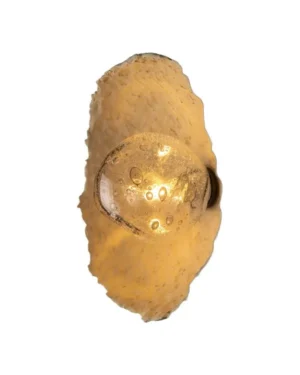
-
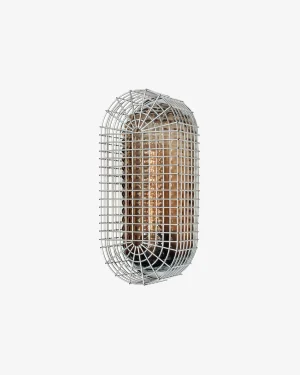
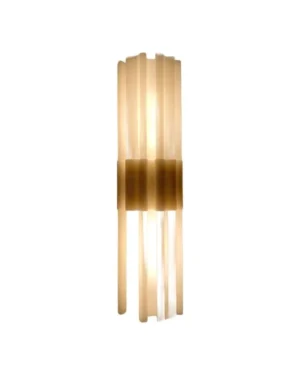
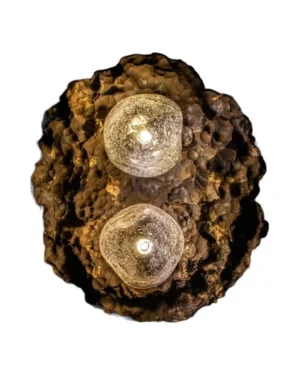
Chastity Wall Sconce In Stainless Steel And Handblown Glass
By Studio S II
€1.980 -

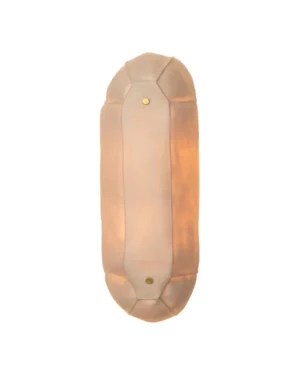
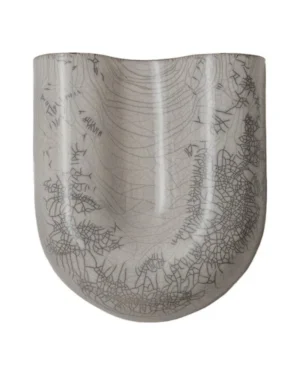
Onda Sconce In Raku White Ceramic
By arrived aliens
€2.200 -
 In stock
Coral Wall Lamp – Clay Sconce
By Dzovag Kotchian
€900 -
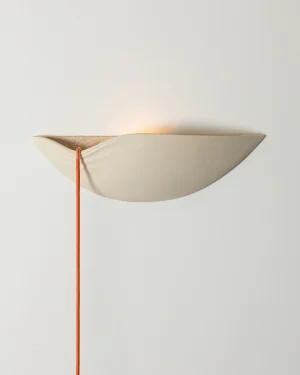
Loma Wall Sconce In Stoneware
By Catalin Filip
€450 -
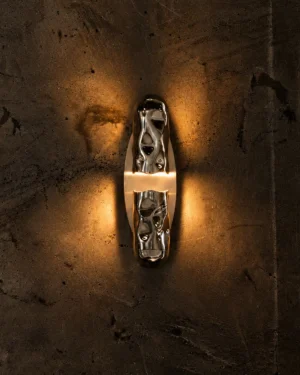 In stock
Vela Wall Sconce In Stainless Steel
By Nitush and Aroosh
€700 -
 In stock
Onda Cosmic Wall Sconce In Glazed Ceramic
By arrived aliens
€2.200 -
 In stock
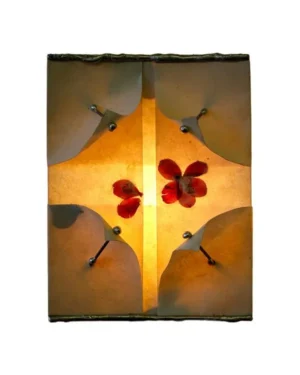
Herbarium Mini Lunaria Annua Wall Sconce In Glass And Plywood
By Mateusz Wappa
€1.200 -
 In stock
Herbarium Mini Daucus Carota Wall Sconce In Glass And Plywood
By Mateusz Wappa
€1.200 -
 In stock
Pearl Wall Lamp – Clay Sconce
By Dzovag Kotchian
€1.200 -

Onda Copper Wall Sconce In Raku Ceramic
By arrived aliens
€2.200 -
 In stock
Herbarium Eryngium Planum Wall Sconce In Glass And Plywood
By Mateusz Wappa
€2.000 -
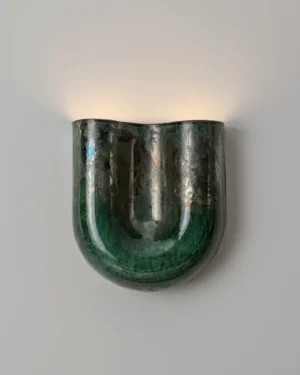
Onda Green Wall Sconce In Raku Ceramic
By arrived aliens
€2.200 -
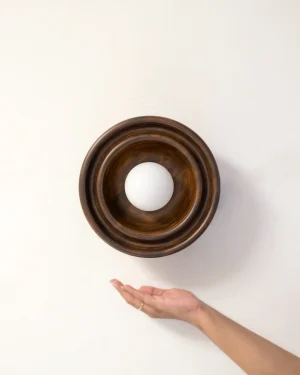
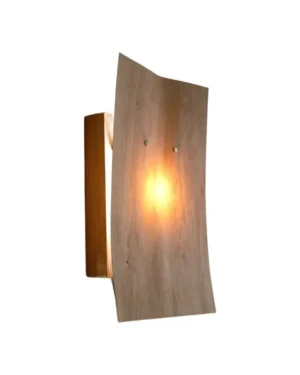
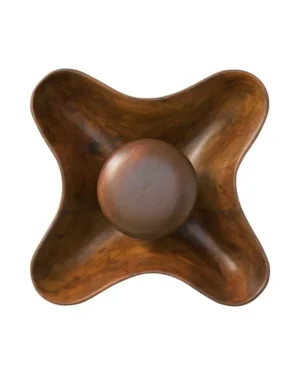
Discus – Xs Teak Wood Wall Light
By Studio Indigene
€450 -
 In stock
Herbarium Rumex Acetosa Wall Sconce In Glass And Plywood
By Mateusz Wappa
€2.000 -
 In stock
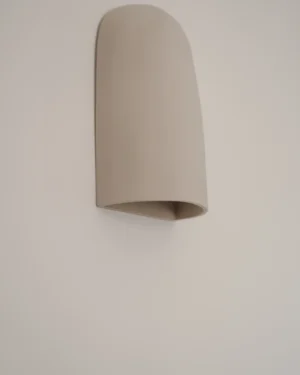
Arte Wall Sconce in Stoneware
By TERA CERAMIC
€290 -
 In stock
Herbarium Tanacetum Vulgare Wall Sconce In Glass And Plywood
By Mateusz Wappa
€2.000 -

Endu Wall Sconce In Metal
By Natural Urbano - Sebastián Beltrán
€365 -

Onda Black Wall Sconce In Raku Ceramic
By arrived aliens
€2.200 -

Wall Light Franca A
By MANUHITA
Price Upon Request -

Wall Light Franca B
By MANUHITA
Price Upon Request -

Wall Light Franca C
By MANUHITA
Price Upon Request -

Wall Light Franca D
By MANUHITA
Price Upon Request -

Wall Light Franca E
By MANUHITA
Price Upon Request -

Diplo Wall Sconce In Bio Plastic
By Julie Mallet Studio
€375 -
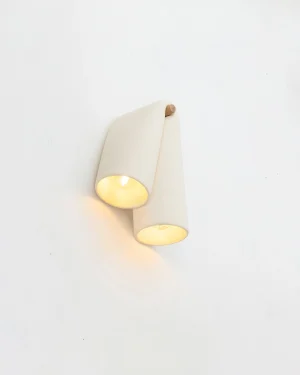
Melo Wall Sconce In Stoneware And Beech Wood
By Catalin Filip
€350 -
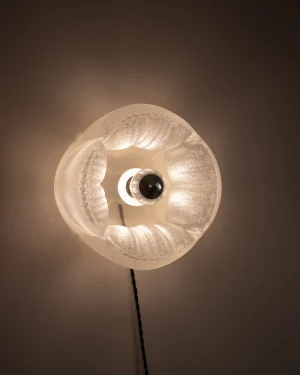
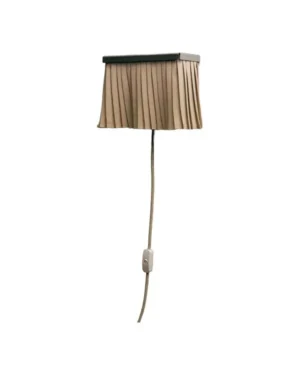
Pascal Wall Lamp
By 91-92
€306
Reading room wall sconces solve one problem better than any other fixture: they put light exactly where a page needs it, beside the eye, without taking up the side table a stack of books already claims. The pieces here come from independent studios working in hand-blown glass, cast aluminum, ceramic and a handful of biomaterials, each one shaped for close, steady reading light rather than general room glow. Most are made in small editions, some as unique pieces, so the forms vary studio to studio even when the brief is the same.
What a reading sconce has to do
A sconce for reading sits lower and throws light more directionally than one meant to wash a hallway or stairwell. It has to clear the glare that overhead light puts on a page, and it has to sit close enough to the head of a chair or the side of a bed that the beam lands on the book, not the ceiling. Shades in blown glass or ceramic diffuse that beam so it reads as soft rather than clinical; open cast-aluminum arms let you aim it more narrowly.
Materials and finishes to expect
The range on ADORNO shifts as studios come and go, but certain materials recur because they suit this kind of fixture. Glass, hand-blown in small batches, gives a warm, slightly uneven light that ages well against plaster or painted drywall. Cast aluminum, left raw, bronzed or painted, holds crisp lines and takes an adjustable arm without flexing. Ceramic and stoneware bring weight and a matte, handmade surface that reads as quiet rather than decorative; a few studios work in sculpted biomaterials or 3D-printed forms, pushing the same brief toward a newer kind of surface.
- Finishes: natural, sand, bronze, black, gray, brown and dark brown, depending on the material
- Techniques: metal casting, metalwork, hand-building, raku, sculpting and 3D printing
- Editions: open editions alongside limited runs and unique, one-off pieces
Styles range from a plain contemporary arm to something closer to wabi-sabi, where an irregular glaze or an unglazed edge is left visible on purpose. Boho and biophilic pieces favor rounded, organic shades; a more eclectic reading corner can mix metal and ceramic sconces without either one fighting the other, since both sit flush against the wall and never compete for floor space.
Choosing one for scale and placement
Measure from the seat or mattress, not the floor, since the point of the fixture is the pool of light it drops on a page at arm's length. A shade that is too large for the wall it sits on reads as heavy no matter how light the material; one too small gets lost beside a tall headboard or a deep armchair. Where a sconce has an articulated or swiveling arm, leave enough wall width either side so the full range of movement clears any adjacent shelving or artwork. If you are wiring to a switch rather than a plug, confirm that before you commit to a finish, since some cast-metal bodies are made only for hardwired installs.
Care by material
Blown glass wants nothing beyond an occasional wipe with a dry or barely damp cloth; avoid ammonia-based cleaners, which can dull a hand-finished surface over time. Cast aluminum holds up to daily handling but will show fingerprints on a matte black or bronzed finish, so a soft cloth kept nearby is worth the habit. Unglazed ceramic and raku surfaces are porous and should stay away from damp walls or steamy rooms; dust rather than wash them.
Reading room wall sconces belong wherever a single chair or a bed needs its own light rather than the room's: a window seat, a narrow gap beside a headboard, a study nook built into a landing. For the rest of what a reading corner needs beyond lighting, see the full range of reading room lighting or the reading room lamps that sit on a table instead of a wall. For sconces built specifically in metal, the metal wall sconces are worth a look, and the broader wall sconces category covers every room beyond this one. Everything else gathered for this part of the house, from bookends to mirrors, sits under the reading room.
How do I choose a reading room wall sconce?
Look for a shade that diffuses rather than glares, and an arm or head that can be aimed at the page. Hand-blown glass softens light, while cast aluminum lets you direct a narrower beam.
How high should a reading wall sconce be mounted?
Most sit lower than hallway or living room sconces, close to shoulder or head height when seated, so the beam lands on the book rather than the ceiling. A maker can confirm the right height for a specific piece through Chat with the maker.
How do I clean and care for these sconces?
Wipe glass and ceramic shades with a dry or barely damp cloth, since moisture can dull a matte glaze. Cast aluminum needs only occasional dusting, and raw finishes may develop a light patina over time.
Can a reading sconce work in a bedroom or living room too?
Yes, the same low, directional light that suits a reading chair also works beside a bed or next to a sofa. Choose a warmer glass shade for softer ambient rooms, or aluminum for a sharper reading beam.
Does ADORNO ship these wall sconces worldwide?
Yes, shipping is insured and reaches customers worldwide.
What is ADORNO's return policy on wall sconces?
Pieces can be returned within 14 days, though made-to-order sconces are excluded. Each purchase also includes a certificate of authenticity and ADORNO's lowest-price guarantee.