
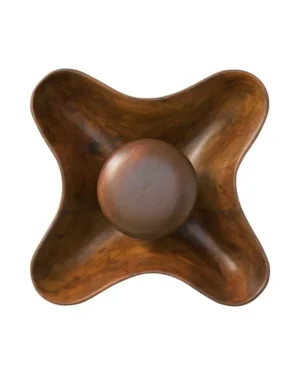
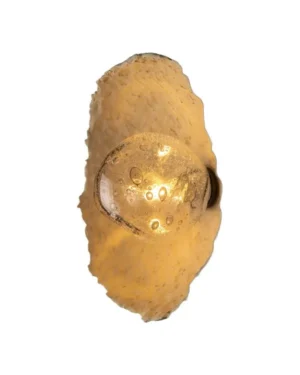
-
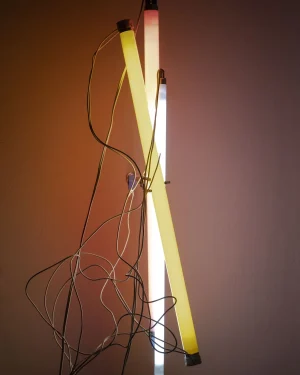 In stock
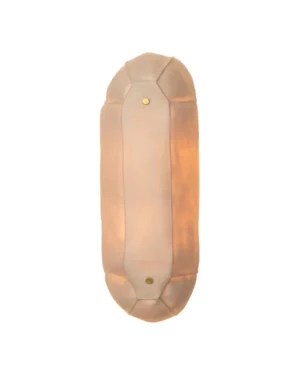
Extreme Il Wall Lamp in Metals
By TUNK I Busra Tunc
€280 -
 In stock
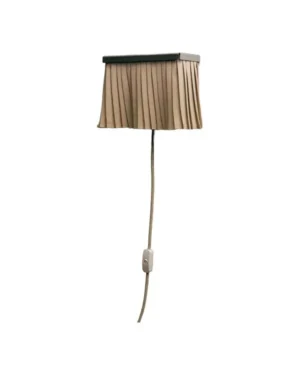
Sigil Crest Wall Sconce in Stainless Steel and Selenite
By Nitush and Aroosh
€1.800 -
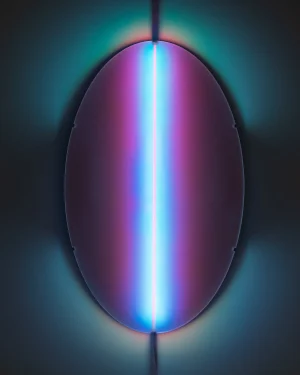 In stock
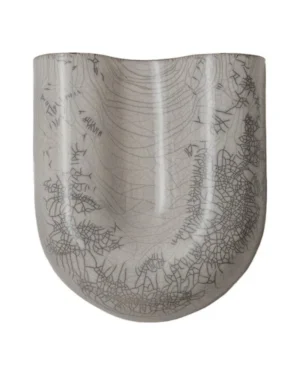
Aurora Frosted Wall Sconce in Acrylic and Aluminum
By Catrinel Sabaciag
€1.352 -
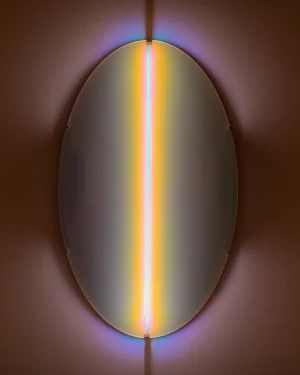
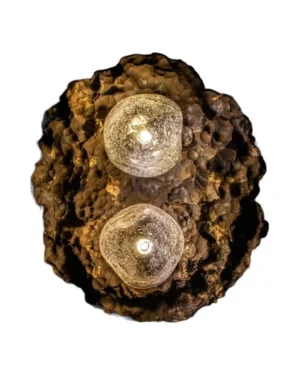
Aurora Gloss Wall Sconce in Acrylic and Aluminum
By Catrinel Sabaciag
€1.341 -
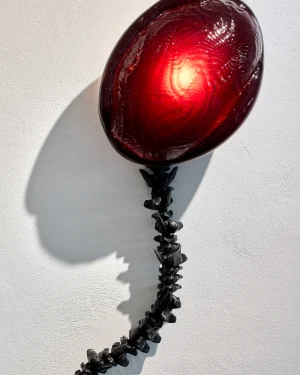 In stock
Dysplasio Wall Sconce in Blown Glass
By Anna Jožová
€2.000 - €3.300 -
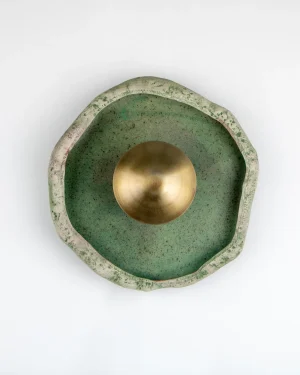 In stock
Asea No. 18 Green Wall Sconce In Porcelain And Brass
By Ceren Gürkan
€600 -

Totem Wall Sconce in Aluminum and Acrylic Glass
By Catrinel Sabaciag
€1.326 -
 In stock
Asea No. 20 Wall Sconce In Stoneware And Brass
By Ceren Gürkan
€700 -
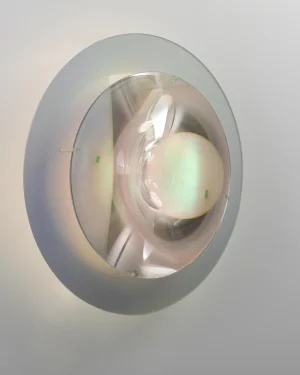
Noosphere Wall Sconce in Aluminum and Acrylic Glass
By Catrinel Sabaciag
€1.072 - €1.112 -
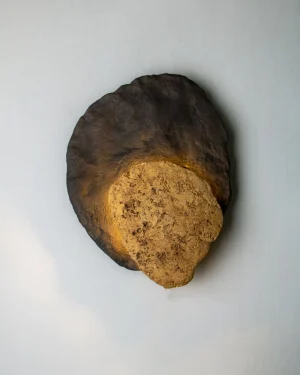 In stock
Asea No. 21 Wall Sconce In Stoneware
By Ceren Gürkan
€800 -
 In stock
Insect Wall Sconce in Aluminum and Ash Wood
By BY JAMPS
€5.000 -
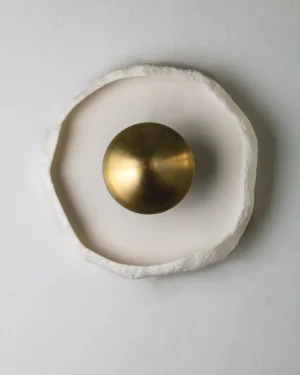 In stock
Asea No. 18 White Wall Sconce In Porcelain And Brass
By Ceren Gürkan
€600 -
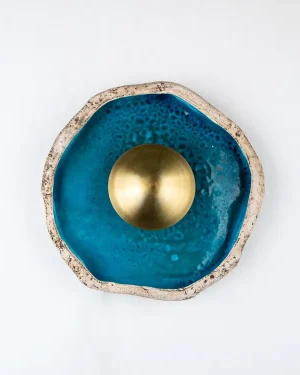 In stock
Asea No. 18 Blue Wall Sconce In Porcelain And Brass
By Ceren Gürkan
€600
Radical wall sconces break from the idea that a wall light should sit quiet and flush against the plaster. They come from studios that treat lighting as a sculptural problem first, working in aluminum, brass, porcelain, acrylic glass, MDF and stoneware, and finishing those materials through metal casting, hand-building, glazing, digital fabrication and 3D printing. The result is a wall light that argues with the room rather than disappearing into it.
What makes a sconce radical
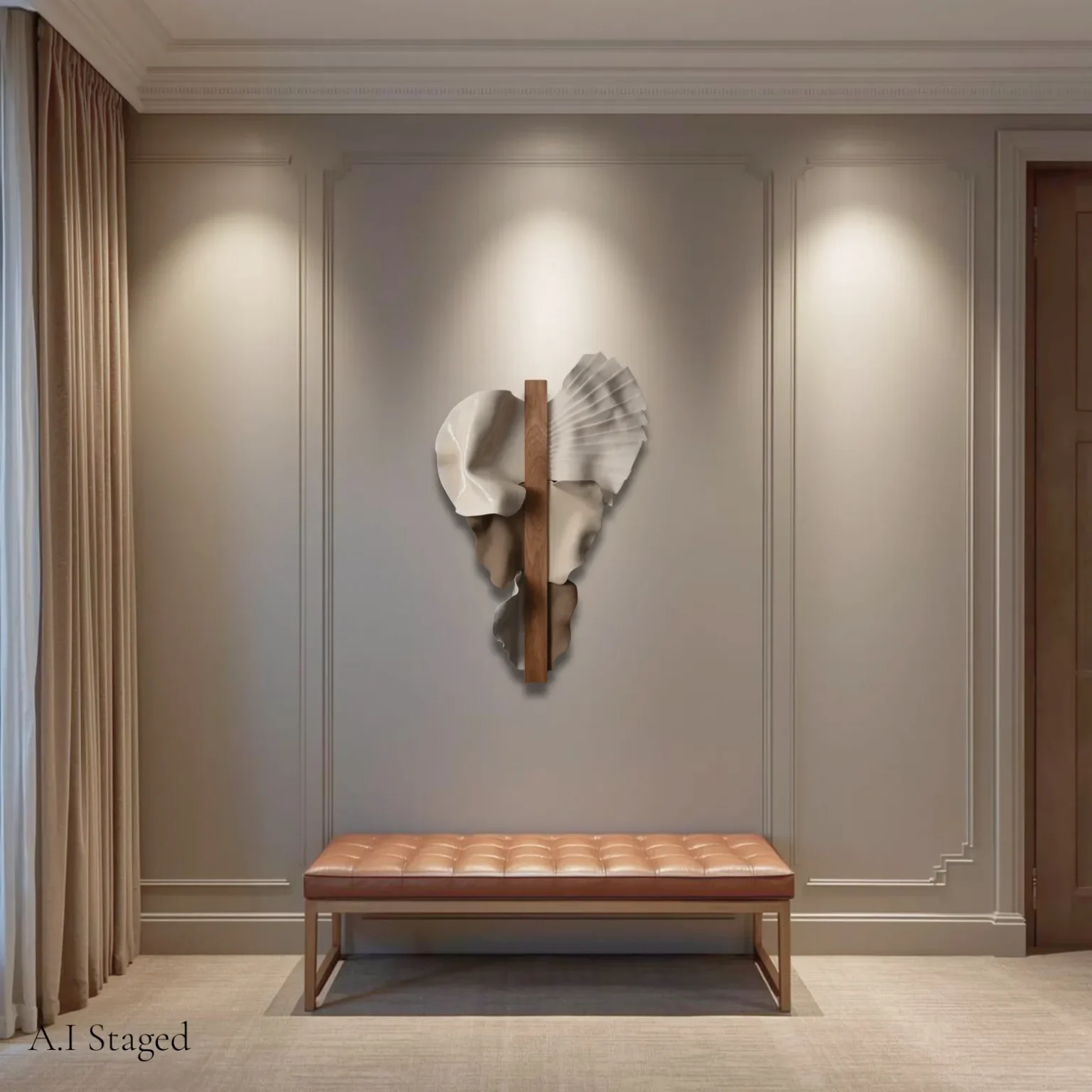
Radical design, in lighting as in furniture, starts by questioning what a fixture is supposed to look like. A sconce in this vein might flare outward like a petal cast in metal, stack geometric volumes in acrylic glass, or glaze a stoneware form in a color no building code ever asked for. Among radical wall sconces, the light thrown is often secondary to the shape the piece holds on the wall during the day.
Materials, finishes and the ways they are made
Metal dominates this group: aluminum and brass get cast and cut into forms that read as hard-edged or molten depending on the finish. Porcelain and stoneware go the other way, hand-built or glazed in colors — crimson, pink, yellow, white, multicolor — that would look restrained on a vase but turn confrontational at eye level on a wall. Acrylic glass and MDF bring a third register, often shaped through digital fabrication or 3D printing, which lets a studio hold shapes that would be difficult to carve or cast by hand.
Some radical wall sconces come from open editions, made to a repeatable specification; others are limited editions, produced in small runs that will not be remade once they sell through. Either way, the material and the process behind it are the real signature, since the maker's name is secondary to the object itself.
How to choose one
Scale matters more here than with a quiet sconce, because a bold silhouette reads from across a room. Measure the wall it will sit on and give it room to be seen rather than crowding it next to a doorframe or window.
Mounting height follows the same logic as any sconce: roughly eye level in a hallway or entryway, slightly higher where it needs to clear furniture in a living room. Finish changes how a piece behaves with light — cast metal with a matte surface absorbs it, while glazed porcelain or polished acrylic glass throws reflections back into the room, which is worth testing against the wall color before committing.
Where these sconces work
A single sculptural piece can carry an entryway or a narrow hallway on its own, since there is rarely competing furniture to argue with. In a bedroom, a pair flanking the headboard does the work of bedside lamps without taking up nightstand space; see the options built for that in bedroom wall sconces. Living rooms can take a bolder form still, especially where the wall is otherwise bare.
Caring for the material
Cast metal sconces need little beyond an occasional dusting and a dry cloth; brass will darken slightly with age unless it has been lacquered. Glazed stoneware and porcelain wipe clean with a damp cloth, but avoid abrasive cleaners that can dull the glaze. Acrylic glass scratches more easily than glass, so clean it with a soft cloth rather than paper towel, and keep MDF pieces away from damp walls or bathrooms, since the material swells if it takes on moisture.
For a broader look at wall lighting outside the radical idiom, the full range of wall sconces sits alongside more pared-back options, while every piece carrying the same rule-breaking approach across categories can be found under radical design.
How do I choose a radical wall sconce?
Start with the shape you want on the wall during the day, since these pieces are sculptural first and light-giving second. Match the finish, cast metal, glazed stoneware or molded acrylic, to the contrast you want against the room.
What are radical wall sconces made of, and how do I care for them?
Most are aluminum, brass, porcelain, stoneware, acrylic glass or MDF. Wipe metal with a dry cloth to avoid tarnish, keep ceramic and stoneware away from damp walls, and clean acrylic with a soft cloth rather than abrasive products.
What height should a wall sconce be mounted at?
Standard practice puts the center of a sconce around eye level, roughly 60 to 66 inches from the floor, though a strong sculptural form sometimes sits lower or higher to suit the wall. The maker can confirm exact placement for a specific piece.
Which rooms suit radical wall sconces?
Hallways, entryways and living rooms give these pieces room to read as objects, since they rely on wall space rather than floor or table space. A single sconce can also anchor a bedroom wall where a lamp would compete for surface.
Can I order a custom size, color or finish?
Some studios take custom requests and some work only in open or limited editions as listed. Chat with the maker on the piece's page to confirm what is possible before ordering.
What are ADORNO's shipping, returns and authenticity policies?
Shipping is insured and worldwide. Returns are accepted within 14 days, excluding made-to-order pieces, and every piece ships with a certificate of authenticity alongside a lowest-price guarantee.