
-
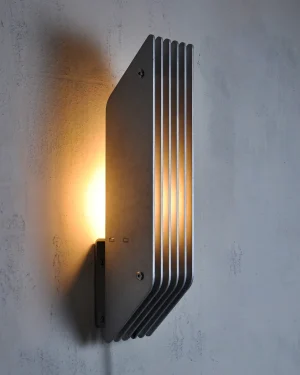
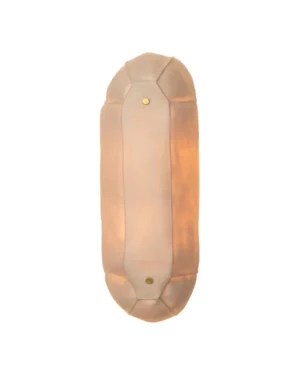
Rln460 Wall Lamp In Matte Aluminium
By MLK Furniture
€390 -
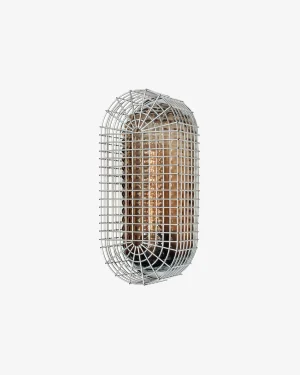
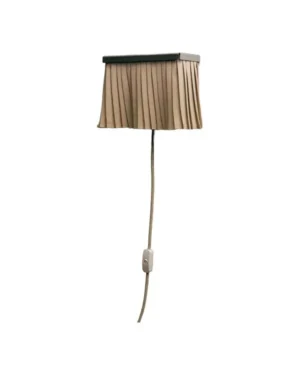
Chastity Wall Sconce In Stainless Steel And Handblown Glass
By Studio S II
€1.980 -
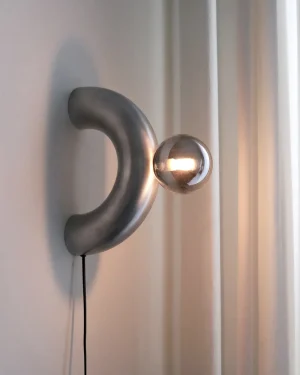
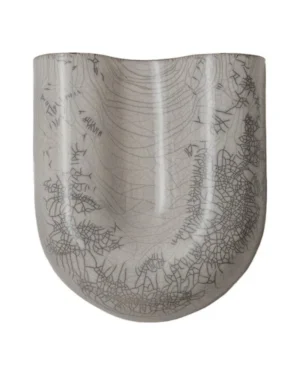
Arcora Toplight Wall Sconce in Aluminum
By HEAKO
€1.650 -
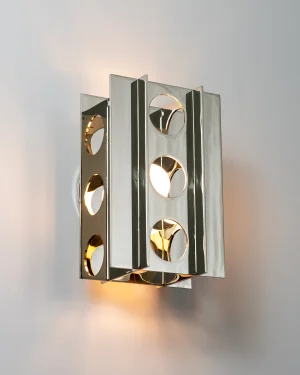
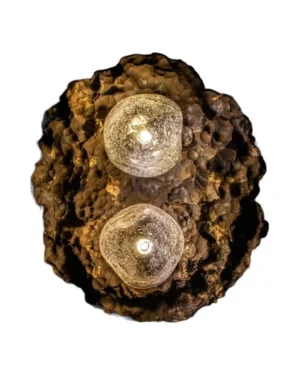
Tenfold 3T Mirror Wall Sconce in Steel and Aluminum
By Luft Tanaka Studio
€1.540 -

Collier S1 Wall Sconce in Glass and Aluminum
By Darka
€1.050 -
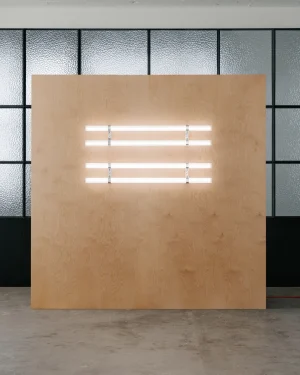
Collier S2 Pendant Lamp in Glass and Aluminum
By Darka
€1.700 -
 In stock
Mujo P Iver Wall Sconce in Walnut Wood and Washi Paper
By Prangé
€948 -
 In stock
Bells and Whistles Wall Sconce in Aluminum
By Toro Manifesto
€1.300 -
 In stock
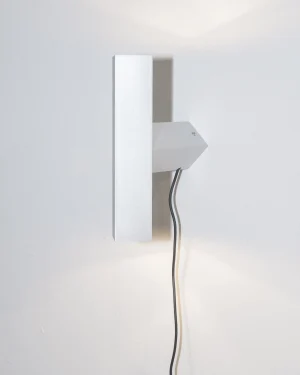
Sculptural Wall Sconce in Aluminum
By NOSTUDIO
€420 - €450 -
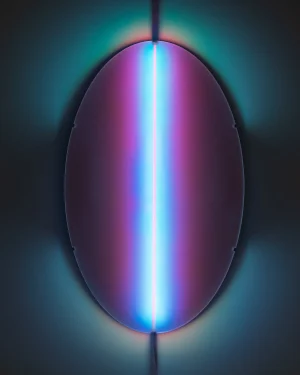 In stock
Aurora Frosted Wall Sconce in Acrylic and Aluminum
By Catrinel Sabaciag
€1.352 -
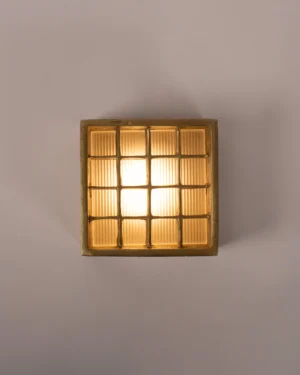
Oasis Mirage Wall Light In Cast Aluminum And Fluted Glass
By Harshita Jhamtani Designs
€620 -
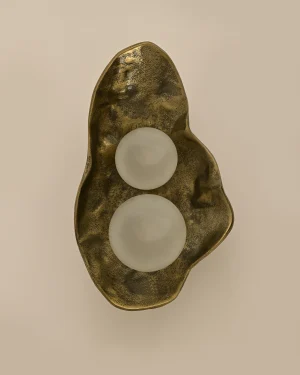
Celestial Tears Wall Sconce in Aluminum
By LMNOH
€710 -
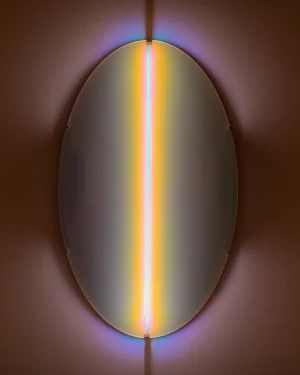
Aurora Gloss Wall Sconce in Acrylic and Aluminum
By Catrinel Sabaciag
€1.341 -
 In stock
Mujo M Reol Wall Sconce in Walnut Wood and Washi Paper
By Prangé
€1.706 -
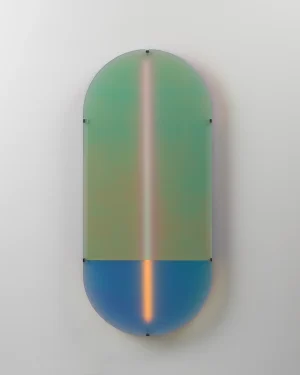
Totem Wall Sconce in Aluminum and Acrylic Glass
By Catrinel Sabaciag
€1.326 -
 In stock
Mujo M Aray Wall Sconce in Walnut Wood and Washi Paper
By Prangé
€1.706 -
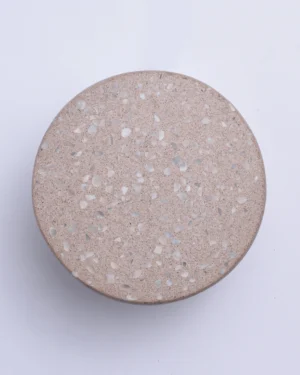
Wilo Nude Wall Sconce In Terrazzo, Aluminum And Silicone
By Harshita Jhamtani Designs
€220 -
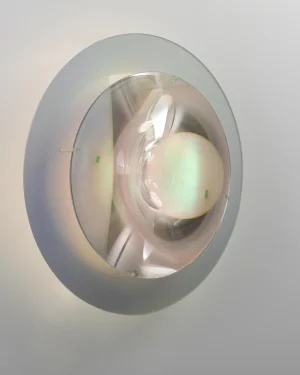
Noosphere Wall Sconce in Aluminum and Acrylic Glass
By Catrinel Sabaciag
€1.072 - €1.112 -

Dyptich Wall Sconce in Brass and Recycled Plastic
By SIGNATURE OBJECTS
€1.800 -
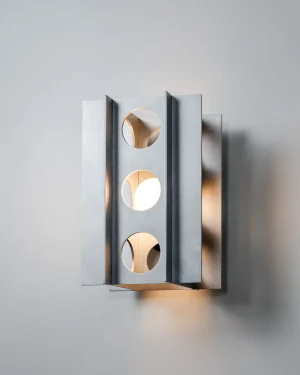
Tenfold 3T Satin Wall Sconce in Steel and Aluminum
By Luft Tanaka Studio
€865 -
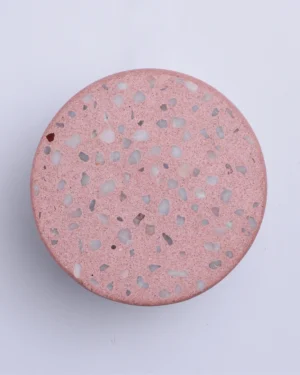
Wilo Blush Wall Sconce In Terrazzo, Aluminum And Silicone
By Harshita Jhamtani Designs
€220 -
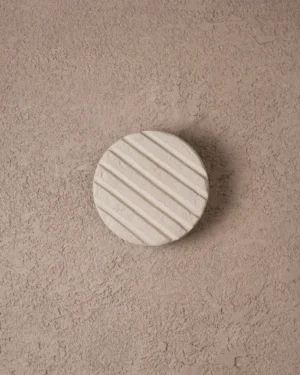
Wilo Fluted Egg White Wall Sconce In Clay And Aluminum
By Harshita Jhamtani Designs
€230 -
 In stock
Insect Wall Sconce in Aluminum and Ash Wood
By BY JAMPS
€5.000 -

Wall Light Franca C
By MANUHITA
Price Upon Request -

Wall Light Franca D
By MANUHITA
Price Upon Request -

Wall Light Franca E
By MANUHITA
Price Upon Request -
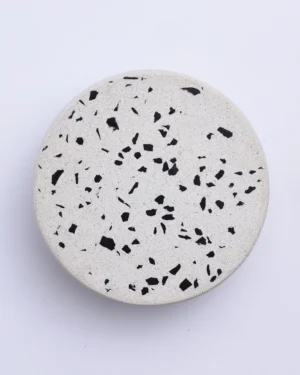
Wilo Mono Wall Sconce In Terrazzo, Aluminum And Silicone
By Harshita Jhamtani Designs
€220 -
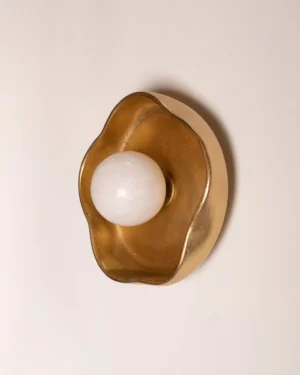
Flower Casted Wall Sconce In Brass-finished Aluminum
By Harshita Jhamtani Designs
€760 -

Wall Light Franca A
By MANUHITA
Price Upon Request -

Wall Light Franca B
By MANUHITA
Price Upon Request -

Lagrimita Chicharron Lamp
By BuRRo
€337 -
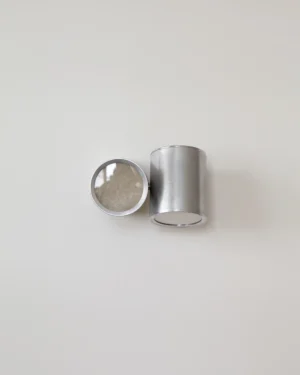
Pivot Wall Sconce in Metal and Paper
By Stem
€690 - €1.030
Aluminum wall sconces bring together a metal that is light enough to mount with small hardware and strong enough to hold a bent or cast form without sagging over years. Independent studios work it through metal casting, CNC milling and laser cutting, moving from raw billet or sheet to a finished shade or shield that directs light along the wall. Because the metal takes a wide range of finishes, the same base material shows up as a matte gray fixture in one room and a polished gold one in another.
What aluminum brings to a wall sconce
Aluminum does not rust the way steel does, which matters on a fixture that stays mounted and largely untouched for years. It is roughly a third the weight of steel for the same volume, so a sconce with a generous shade or a cantilevered arm can project from the wall without needing heavy anchors. Studios exploit that lightness to cut the metal into thin, sculptural shapes, or to cast it into thicker forms that still read as modest in weight.
Finishes, colors and the techniques behind them
Cast aluminum pieces tend toward a slightly grained, matte surface straight from the mold, while milled and laser-cut pieces arrive crisper, with cleaner edges that suit a more graphic shade. Color runs from raw silver and brushed gray through painted black, white, blue, green and purple, to lacquered gold. Some studios pair aluminum with a second material, a terrazzo base, a walnut backplate, a panel of washi paper, which softens the metal's edge or adds warmth near the wall. Style follows the finish: a raw cast surface reads wabi-sabi or brutalist, a milled and polished one leans mid-century modern or art deco, and a flat matte coat sits comfortably in a minimalist or neo-industrial room. Editions vary by studio, with open editions alongside limited editions and occasional unique pieces for anyone looking for a form that will not be widely repeated.
How to choose an aluminum wall sconce
Scale and height matter more with a wall sconce than with most lighting, since the fixture sits at eye level and stays visible even when switched off. A shallow, flush-mounted shade suits a narrow hallway where anything deeper would catch a shoulder in passing. A sconce with a longer arm or a wider shade needs more clearance and reads better on a bigger wall, in a living room or above a console.
- Match the finish to nearby metal, pulling warm gold or brass-toned aluminum near existing warm fixtures, and cool silver or matte gray near steel or chrome.
- Check mounting height against the room's main sightline, generally eye level when seated or standing, not ceiling height.
- Confirm whether the piece is hardwired or plug-in before deciding on placement near an outlet.
Where aluminum sconces work
Because they throw light sideways rather than down, these fixtures suit hallway wall sconces where floor space is tight, and work equally well flanking a bed in place of a nightstand lamp among bedroom wall sconces. In a living room, a pair set at even height can frame artwork or a mirror instead of competing with it. An entryway benefits from the same lift, turning a plain wall into the first thing a visitor notices.
Caring for aluminum
Aluminum needs little upkeep: wipe a dry or barely damp cloth over the surface to clear dust, and avoid abrasive cleaners that can dull a polished or painted finish. Painted surfaces hold their color without sealing, while raw cast finishes may dull slightly over time, which most owners read as part of the material's character rather than a flaw. For the full range of forms this metal takes beyond sconces, see every aluminum piece on ADORNO, or compare against other finishes among all wall sconces and the wider set of aluminum wall lamps.
How do I choose an aluminum wall sconce?
Match the finish to the room's light, matte gray or black for a quiet wall, polished gold or painted color where the fixture itself should draw the eye. Shade shape then decides whether light spreads wide or stays narrow.
Does aluminum need any special care?
Wipe with a dry or slightly damp cloth; aluminum does not rust, so it tolerates humid rooms like bathrooms or kitchens. Avoid abrasive cleaners on painted or lacquered finishes, which can dull the surface.
What height should a wall sconce be mounted at?
Most sconces sit at eye level, roughly 60 to 66 inches from the floor, though hallway and stairway fixtures often run higher to clear foot traffic. The maker can confirm mounting height for a specific piece.
Which rooms suit aluminum wall sconces?
Their light weight and rust resistance suit hallways, entryways, bathrooms and kitchens, while finished and cast versions work just as well as a focal point in a living room or bedroom.
Are aluminum wall sconces handmade or mass-produced?
Independent studios shape them through metal casting, CNC milling or laser cutting, working from raw billet or sheet rather than off an assembly line. Edition size varies by piece and studio.
How does shipping, returns and authenticity work on ADORNO?
Shipping is insured and worldwide, returns are accepted within 14 days except on made-to-order pieces, and every piece arrives with a certificate of authenticity alongside ADORNO's lowest-price guarantee.