

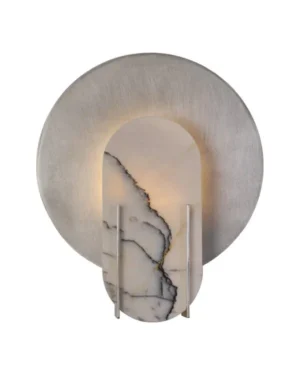

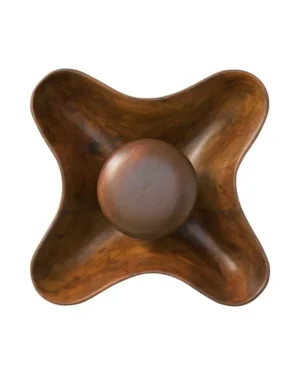
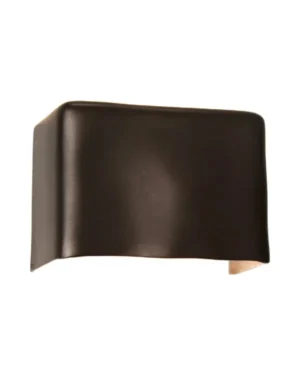

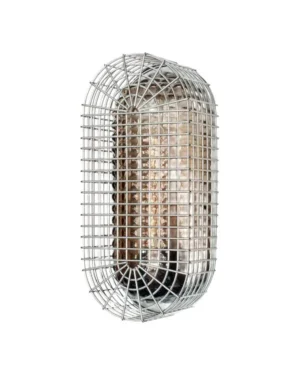
-
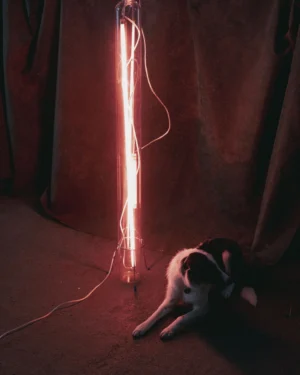 In stock
Äther Wall Lamp In Borosilicate Glass
By TUNK I Busra Tunc
€850 -
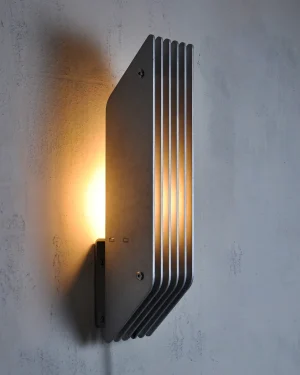
Rln460 Wall Lamp In Matte Aluminium
By MLK Furniture
€390 -
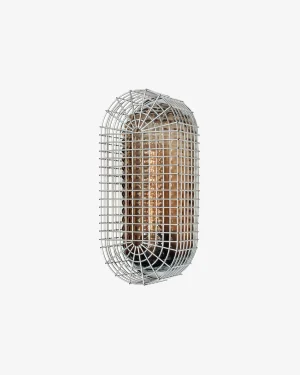
Chastity Wall Sconce In Stainless Steel And Handblown Glass
By Studio S II
€1.980 -
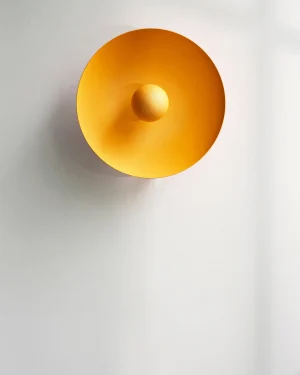 In stock
Sun Wall Lamp in Aluminum
By Anne Nowak
€1.340 -
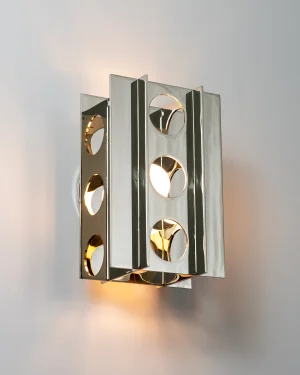
Tenfold 3T Mirror Wall Sconce in Steel and Aluminum
By Luft Tanaka Studio
€1.540 -

Orb Wall Sconce In Stainless Steel
By T44 design studio
€148€134 -

Obli Wall Sconce In Stainless Steel
By T44 design studio
€148€134 -
 In stock
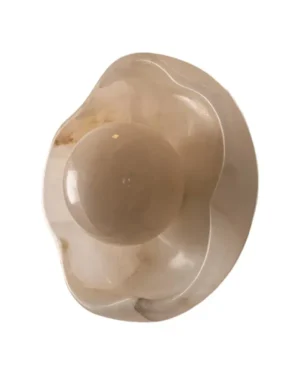
Sigil Crest Wall Sconce in Stainless Steel and Selenite
By Nitush and Aroosh
€1.800 -

Versa Wall Sconce In Stainless Steel
By T44 design studio
€215€194 -
 In stock
Bells and Whistles Wall Sconce in Aluminum
By Toro Manifesto
€1.300 -
 In stock
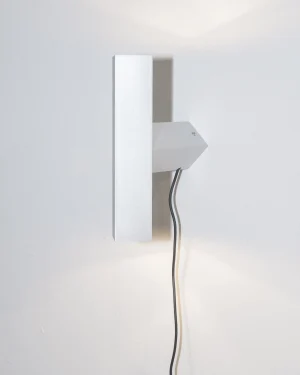
Sculptural Wall Sconce in Aluminum
By NOSTUDIO
€420 - €450 -
 In stock
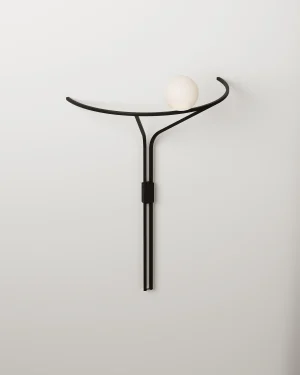
Na Linii Wall Sconce in Steel
By SVITANOK
€1.050 -
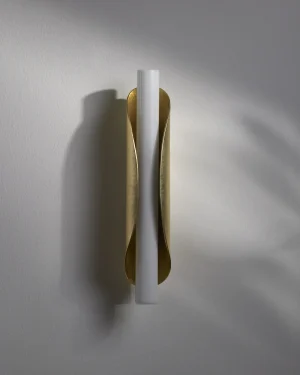
Taco De Luz 30cm Wall Sconce in Satin Brass
By Studio Aristotelis Barakos
€870 -
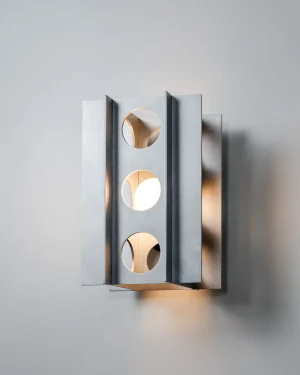
Tenfold 3T Satin Wall Sconce in Steel and Aluminum
By Luft Tanaka Studio
€865 -
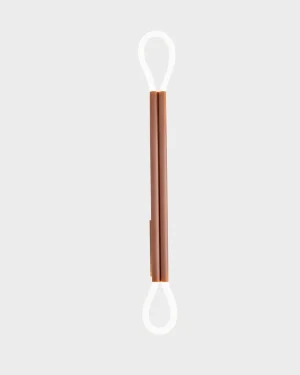 In stock
Temporal Collection Sconce in Copper
By Lucas Muñoz Muñoz
€800 - €1.200 -
 In stock
Insect Wall Sconce in Aluminum and Ash Wood
By BY JAMPS
€5.000 -
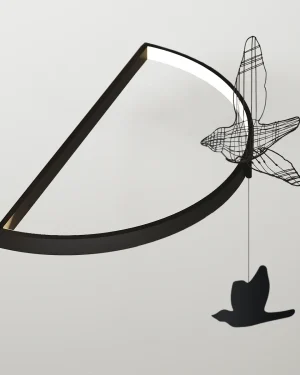 In stock
Flight Shadows Wall Sconce In Steel
By SVITANOK
€1.020 - €1.140 -

Slotted Wall Sconce In Acrylic
By Nolan Talbot-Kelly
€800
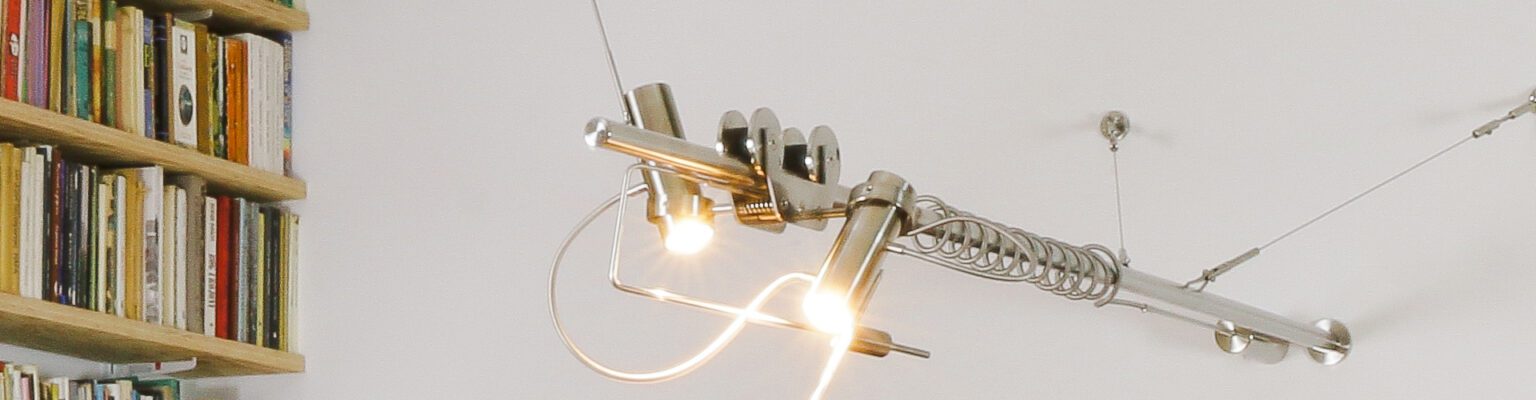
Neo-industrial wall lamps take their cues from the factory floor: steel, aluminum and chrome cut, bent and welded into fixtures that look built rather than decorated. The studios behind them work with metalwork, laser cutting and sometimes press moulding, leaving edges visible and joints exposed instead of hidden. The result reads as equipment that happens to hold a bulb, not a lamp dressed up to resemble one.
What defines the neo-industrial style
The style borrows its vocabulary from workshops, warehouses and old machine rooms. Flat steel plates, perforated metal, exposed rivets and visible screws stand in for ornament. Where other styles soften a fixture's structure, neo-industrial design leaves it bare, so the arm, the hinge and the shade all stay legible as separate parts doing separate jobs.
Color follows the same logic. Finishes run from raw and brushed metal to bronze, black, silver, gray and sometimes a pop of copper or pink against the cold tone of chrome. Clear or lightly smoked glass shades appear too, usually blown or shaped from borosilicate glass, giving the eye something to rest on between the hard edges of the metal.
Materials and techniques to expect
Aluminum and steel carry most of the weight here, chosen for being easy to cut cleanly and strong enough to hold a cantilevered arm off a wall. Stainless steel and chrome add a harder, more reflective surface where a studio wants the fixture to read as polished rather than worked. Glassblowing shows up less often, mostly as a shade or diffuser paired with a metal arm or backplate.
- Metalwork and laser cutting, for precise edges and repeatable parts
- Lacquering or hand painting, for color laid over raw metal
- Press moulding and CNC milling, for consistent fittings and brackets
- Glassblowing, where a blown or borosilicate shade softens the metal structure
Editions vary by studio. Some neo-industrial wall lamps come from open editions made to a standing design, others as limited editions or one-off pieces where a maker has altered a finish or a joint by hand. None of this changes how the material behaves once it is on the wall.
How to choose one
Scale matters more on a wall than on a table, since there is no surface to absorb an oversized arm. Measure the stretch of wall available and leave room for the arm to swing or pivot if the design allows it, rather than mounting it flush against a corner.
Mounting height depends on use. Beside a bed, the light source usually sits close to shoulder height when seated upright; in a hallway or living room, it can go higher to wash light across a wall rather than into eyes at standing height. Finish should answer the room's other metal: chrome fixtures sit well against glass and steel furniture, while bronze or black reads warmer against wood and plaster.
Where these lamps work
Neo-industrial wall lamps suit rooms that can take a visible structure without feeling unfinished: a hallway where one fixture every few meters replaces a single overhead source, a living room wall either side of a mirror or artwork, a bedroom where a pivoting arm lets light aim at a page without a nightstand underneath it. The hallway wall lamps and bedroom wall lamps on ADORNO show how the same industrial vocabulary adapts to either setting.
Care for metal and glass
Raw and brushed metal will show fingerprints and, over time, light surface marks; a dry or barely damp cloth keeps the finish even without stripping any lacquer. Chrome and polished steel benefit from the same light touch, since abrasive cleaners dull their reflectivity. Blown or borosilicate glass shades should be dusted rather than wiped with pressure, since repeated rubbing can scratch a surface that is otherwise very stable.
For the full range of finishes and arm styles, the wall lamps category and the broader set of neo-industrial pieces on ADORNO both carry lighting, furniture and objects built from the same raw materials. Anyone drawn to the look beyond lighting can also see how it translates into neo-industrial lighting more broadly, from pendants to table lamps built on the same welded, cut and finished logic as the wall-mounted versions.
How do I choose a neo-industrial wall lamp?
Start with finish: raw or brushed metal reads harder, bronze or black softer, and a glass shade adds a point of contrast. Match the arm's reach and angle to how directly you need the light to fall.
What material are neo-industrial wall lamps made from, and how do I care for it?
Most are aluminum, steel or chrome, sometimes paired with blown or borosilicate glass. Wipe metal with a dry or lightly damp cloth, avoid abrasives on polished chrome, and dust glass shades by hand.
What size wall lamp do I need, and how high should it hang?
Sizing depends on the arm's reach and the wall it sits on; the maker can confirm exact dimensions through Chat with the maker on the piece's page. As a general rule, mount so the shade sits near eye level or just above seated head height.
Which rooms suit a neo-industrial wall lamp?
The style holds up in hallways, living rooms and bedrooms, anywhere a bare, structural fixture reads as equipment rather than decoration. It also works well flanking a mirror or lighting a piece of art.
Can I order a neo-industrial wall lamp in a custom finish or size?
Some studios take custom requests, others do not; the maker can confirm options through Chat with the maker on the piece's page.
What are ADORNO's shipping, returns and authenticity policies?
Shipping is insured and worldwide. Returns are accepted within 14 days, except for made-to-order pieces, and every piece comes with a certificate of authenticity alongside a lowest-price guarantee.