
-
 In stock
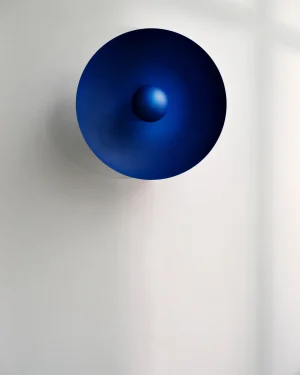
Blue Moon Wall Lamp in Aluminum
By Anne Nowak
€1.675 -
 In stock
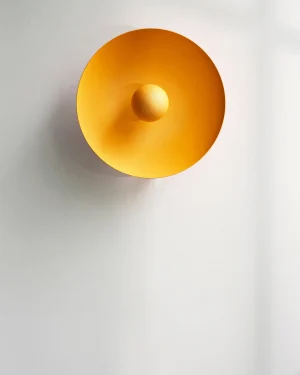
Sun Wall Lamp in Aluminum
By Anne Nowak
€1.340 -
 In stock
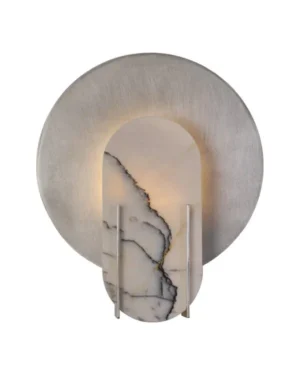
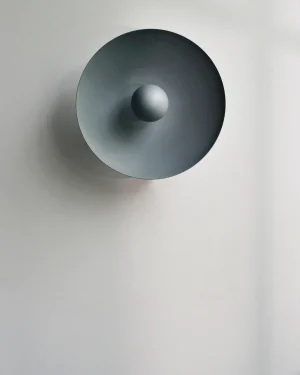
Grey Moon Wall Lamp in Aluminum
By Anne Nowak
€1.675 -
 In stock
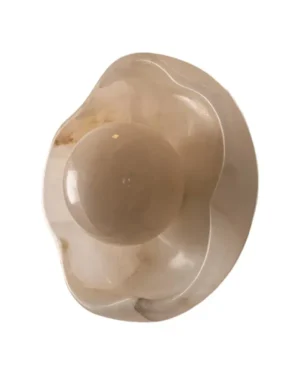
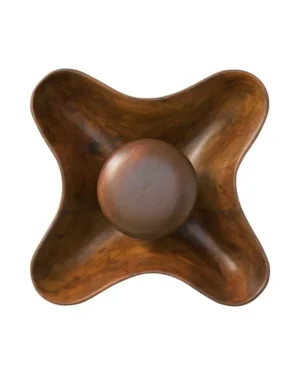
Pearl Wall Lamp – Clay Sconce
By Dzovag Kotchian
€1.200 -
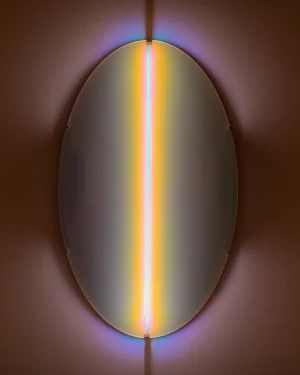
Aurora Gloss Wall Sconce in Acrylic and Aluminum
By Catrinel Sabaciag
€1.341 -
 In stock
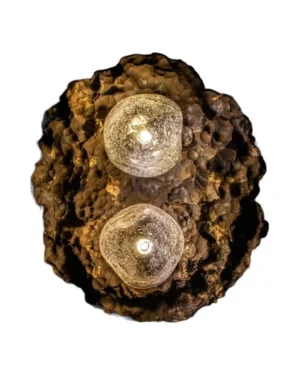
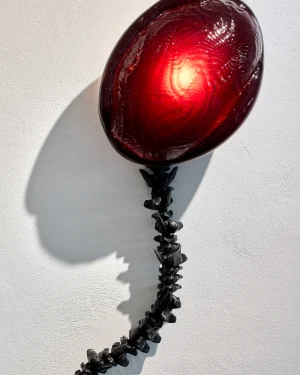
Dysplasio Wall Sconce in Blown Glass
By Anna Jožová
€2.000 - €3.300 -

Totem Wall Sconce in Aluminum and Acrylic Glass
By Catrinel Sabaciag
€1.326 -
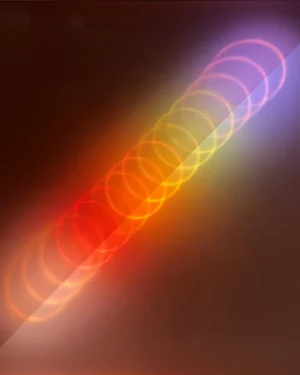
Dhaze – Wall Light Sculpture
By Studio Lampent
€2.700 -
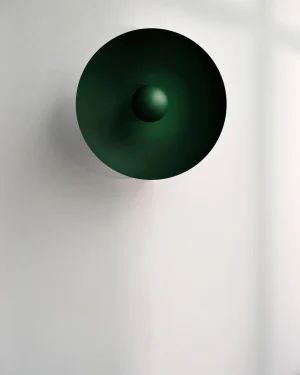 In stock
Green Moon Wall Lamp in Aluminum
By Anne Nowak
€1.675 -
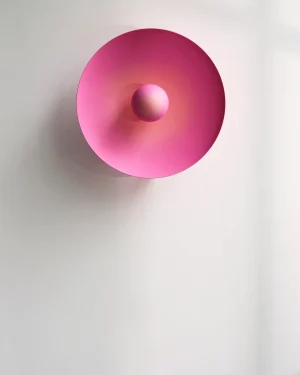 In stock
Pink Moon Wall Lamp in Aluminum
By Anne Nowak
€1.675 -
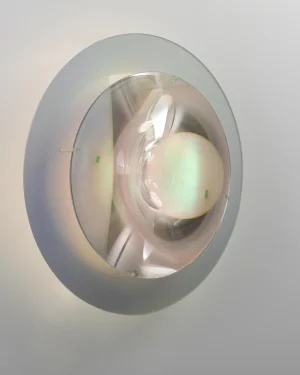
Noosphere Wall Sconce in Aluminum and Acrylic Glass
By Catrinel Sabaciag
€1.072 - €1.112 -
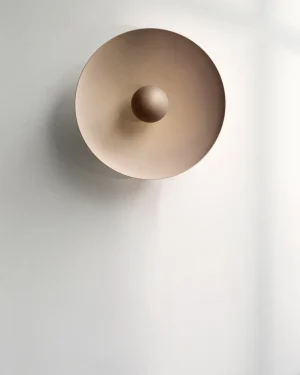 In stock
White Moon Wall Lamp in Aluminum
By Anne Nowak
€1.675 -

Chromolapse – Wall Light Sculpture
By Studio Lampent
€900 -

Apertur Wall Light Sculpture
By Studio Lampent
€3.500 -

Limbus – Wall Light Sculpture
By Studio Lampent
€1.492
Maximalism wall lamps turn the wall into a surface for color and incident, not just light. Studios working in this style cast shapes in acrylic and resin, paint them by hand, or form them in aluminum and birch, favoring saturated color and crimson over restraint. The ways of making range from digital fabrication and 3D printing to glassblowing and hand-building, so the same wall can hold a smooth cast form next to a rough-painted one without either looking out of place.
What defines maximalism as a wall lamp style
Maximalism works against the idea that a wall lamp should disappear into the architecture. Where a contemporary or minimalist fixture tries to read as a clean line or a single disc, a maximalist piece wants to be noticed in daylight as well as after dark. Pattern, strong color and exaggerated silhouette do the work that brass or walnut usually do in quieter lighting.
That ambition shows in the materials. Acrylic and acrylic glass hold color with a density that glass cannot always match, and they take laser cutting and digital fabrication well, which lets a studio repeat an intricate silhouette across an edition. Resin is cast and can carry pigment straight through the material, so a chip or scratch does not expose a different color underneath. Hand painting adds a layer that no two casts share exactly, even within the same run, while oak and birch wood bring a grounding note, often painted or finished in a way that still shows the grain.
The range found here
Within this style the material and technique mix varies piece to piece, but a few families recur. Cast acrylic and resin forms, sometimes sculptural enough to work as wall decor during the day, make up a large share. Metalwork in aluminum appears where a studio wants a harder edge or a repeatable geometric form, and some makers use 3D printing to produce shapes that would be difficult to mold by hand. Editions run from unique pieces and small limited runs to open editions, so the level of scarcity depends on the maker and the process, not on the style itself.
- Cast or molded acrylic and resin, often hand-painted after casting
- Aluminum or steel forms made through metalwork or digital fabrication
- Wood-backed or wood-framed pieces in oak or birch, finished in color
- Glass elements, hand-blown, paired with bold housings or frames
How to choose a maximalism wall lamp
Scale matters more here than with a quiet fixture, because a bold silhouette in the wrong size can overwhelm a corridor or get lost on a large wall. Measure the wall and think about the lamp as you would a piece of wall art: it should have enough room around it to read as a shape, not just a bright patch.
Height and placement follow the room. Beside a bed, a lamp is usually hung so its light falls across the pillow without glare at eye level; in a living room it often sits at a height that echoes artwork, roughly eye level when standing; in a hallway it can run lower, almost at shoulder height, to pull people through the space. Finish is worth testing against your wall color: a crimson or multicolor acrylic piece can either anchor a plain wall or compete with a patterned one, so one strong element per wall is usually enough.
Where these lamps work and how to care for them
Maximalism wall lamps suit rooms that can take a focal point: a living room wall lamp placed over a sofa or sideboard, a bedroom wall lamp either side of the bed, or a hallway wall lamp marking a turn or a run of doors. They also read well in entryways, where a visitor sees them before anything else in the room.
For more of the same sensibility across other rooms, the wider maximalism style spans mirrors, tables and decor, while every other finish and material within this fixture type sits under wall lamps as a category. Those drawn to color and pattern elsewhere in a room can also look at maximalism tables or maximalism decor to carry the same bold language from the wall into furniture and objects.
How do I choose a maximalism wall lamp?
Start with the wall's role: a hallway or a space beside a mirror can take strong color and silhouette without competing with other furniture.
What materials are maximalism wall lamps made from, and how do I care for them?
Most are cast acrylic or resin, with some in aluminum or birch. Wipe acrylic and resin with a soft, dry cloth, avoid solvents that can cloud the surface, and dust metal or wood finishes rather than scrubbing hand-painted areas.
What size wall lamp works best, and how high should it be mounted?
Scale depends on the wall and the silhouette, since maximalist shapes often read larger than their actual footprint. A common starting height is eye level or just above, around 60 to 65 inches from the floor, adjusted for the piece and its surroundings.
Which rooms suit a maximalist wall lamp?
Hallways, living rooms and spaces beside a mirror or artwork let the color and form stand out, especially where the lamp reads clearly in daylight. Bedrooms work too, placed where the shape can be seen without glare at eye level.
Are maximalism wall lamps handmade or made in limited numbers?
It depends on the piece and its maker, since some are digitally fabricated or 3D printed in open runs while others are hand-painted, hand-built or cast in limited editions or as unique pieces. Chat with the maker on the piece's page to confirm.
How does shipping, returns and authenticity work when I buy through ADORNO?
Shipping is insured and worldwide, and a certificate of authenticity comes with every piece. Returns are accepted within 14 days, except for made-to-order pieces, and ADORNO offers a lowest-price guarantee.