-

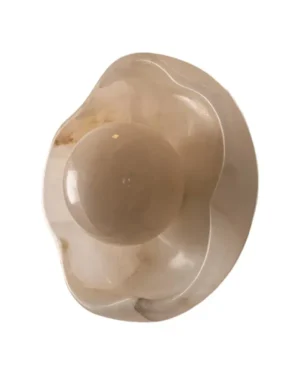
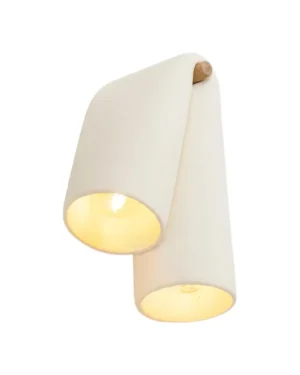
Onda Sconce In Raku White Ceramic
By arrived aliens
€2.200 -
 In stock
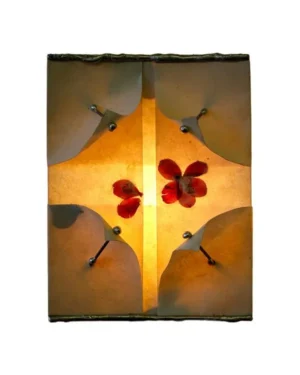
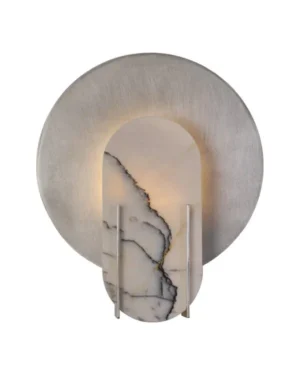
Coral Wall Lamp – Clay Sconce
By Dzovag Kotchian
€900 -
10% off

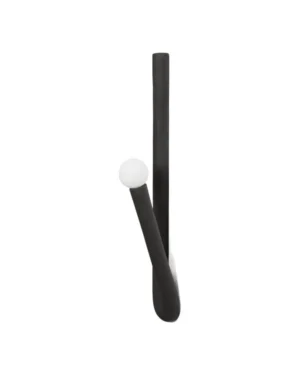
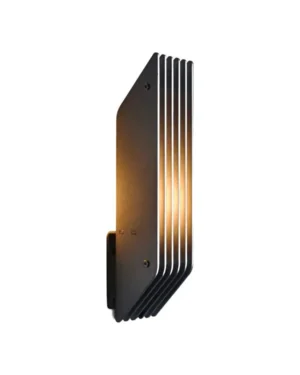
Obli Wall Sconce In Stainless Steel
By T44 design studio
€148€134 -

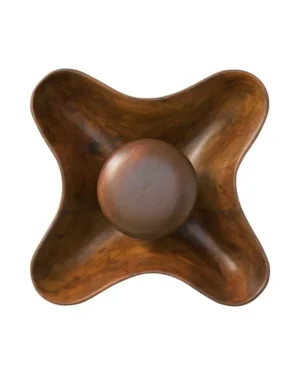
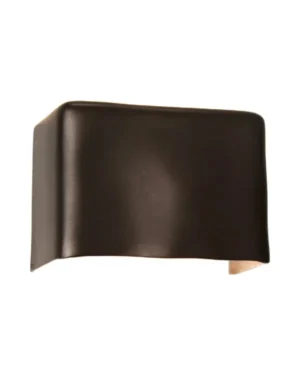
Onda Black Wall Sconce In Raku Ceramic
By arrived aliens
€2.200 -
10% off

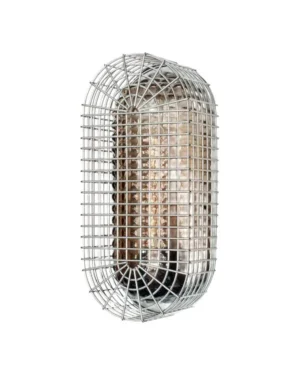
Versa Wall Sconce In Stainless Steel
By T44 design studio
€215€194 -
 In stock
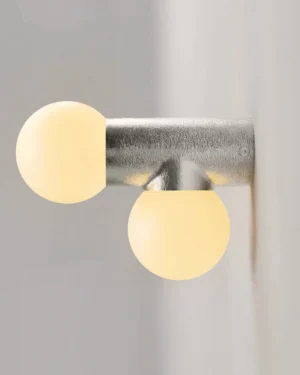
Pp02 Wall Lamp In Stainless Steel And Frosted Glass
By Balance Lamp
€245 -
 In stock
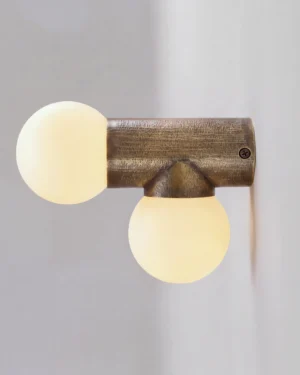
Pp04 Wall Lamp In Brass And Frosted Glass
By Balance Lamp
€310 -
 In stock
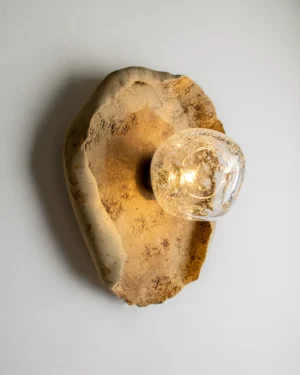
Onda Cosmic Wall Sconce In Glazed Ceramic
By arrived aliens
€2.200 -
 In stock
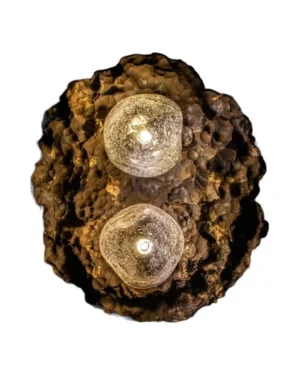
Asea No. 41 Wall Sconce in Stoneware and Blown Glass
By Ceren Gürkan
€1.000 -

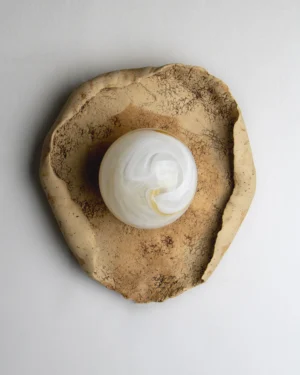
Onda Copper Wall Sconce In Raku Ceramic
By arrived aliens
€2.200 -
 In stock
Asea No. 41 Pearl Wall Sconce in Stoneware and Blown Glass
By Ceren Gürkan
€1.000 -
 In stock
Pearl Wall Lamp – Clay Sconce
By Dzovag Kotchian
€1.200 -
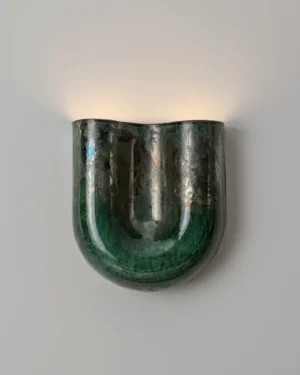
Onda Green Wall Sconce In Raku Ceramic
By arrived aliens
€2.200 -
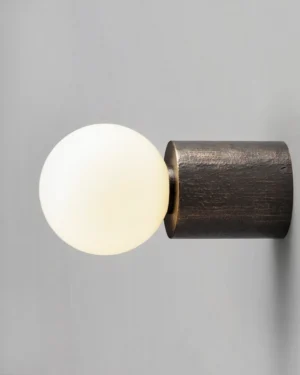 In stock
Pp03 Wall Lamp In Brass And Frosted Glass
By Balance Lamp
€230 -
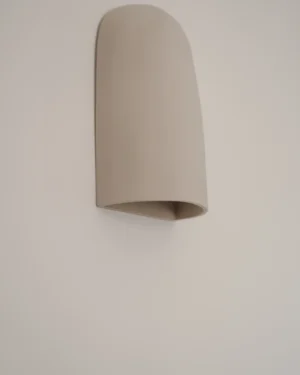 In stock
Arte Wall Sconce in Stoneware
By TERA CERAMIC
€290 -

Endu Wall Sconce In Metal
By Natural Urbano - Sebastián Beltrán
€365 -
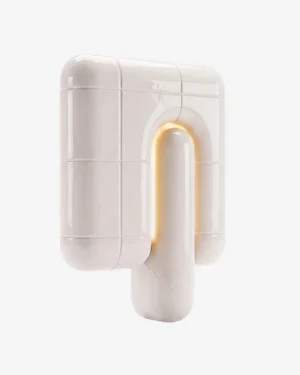 In stock
U-013 Wall Lamp In Chalk 3d Printed Pla
By Rollo Studio
€820 -
Black Friday −10%

Diplo Wall Sconce In Bio Plastic
By Julie Mallet Studio
€375 -
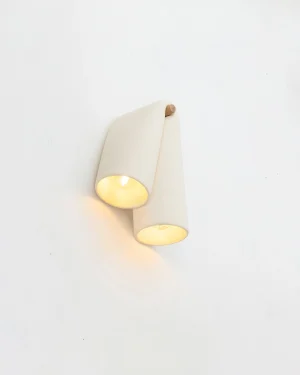
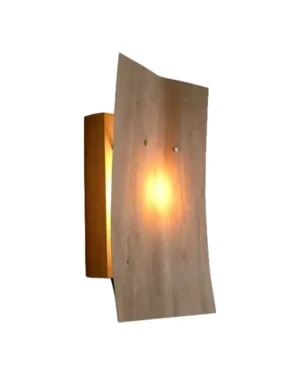
Melo Wall Sconce In Stoneware And Beech Wood
By Catalin Filip
€350
Kitchen wall lamps are built for a room that already works hard, which is why the studios behind them favor materials that resist steam, grease and daily handling without losing their finish. Most pieces found here are hand-built in ceramic or stoneware, hand-blown in glass, or shaped from brass, steel and aluminum, using glazing, raku, hand-building or glassblowing rather than mass production. Mounted above a counter, a stove or a run of open shelving, a kitchen wall lamp puts light exactly where chopping, plating and washing actually happen.
What defines a kitchen wall lamp
Unlike a pendant or a ceiling fixture, a wall lamp sits close to the task and throws light downward or sideways rather than filling the whole room. In a kitchen this matters because surfaces are often already busy with pans, jars and cutting boards, so a fixture that takes nothing from the counter is doing real work. Clay and glass bodies also tolerate heat and moisture better than fabric shades, which is part of why they dominate this part of the room.
Materials, colors and ways of making
Ceramic and stoneware shades, glazed in white, off-white, sand, terracotta or black, carry a slight hand-built irregularity that machine-formed glass or plastic does not. Hand-blown glass gives a softer, sometimes smoked or clear diffusion, while brass, steel and aluminum bodies add weight and a cooler, more graphic line. Styles range from wabi-sabi and neo-artesanal, where the maker's hand stays visible, through to brutalist and contemporary profiles built from flat planes and hard edges.
- Ceramic and stoneware, hand-built, then glazed or left raku-fired
- Blown glass shades in clear, smoked or milky tones
- Brass, steel and aluminum arms and backplates, polished, brushed or blackened
Editions vary by studio: some kitchen wall lamps are produced as open editions, others as limited runs or one-off pieces, so the glaze or the glass tone on any single fixture will not necessarily repeat.
How to choose a kitchen wall lamp
Start with the surface it will sit above. A lamp mounted over a stove or sink needs enough projection to clear splashes but not so much that it catches an elbow, while one beside open shelving can sit flatter against the wall. Height matters more than most buying decisions in a kitchen: set too low, a shade throws glare into the eyes; set too high, it lights the ceiling instead of the counter.
Finish should answer to the rest of the room rather than stand apart from it. A brushed or blackened metal body reads well against stone and steel, while a glazed ceramic shade in sand or terracotta sits more easily with oak cabinetry and warmer plaster. If the kitchen already carries brass hardware or taps, a metal wall lamp will usually match that warmth rather than compete with it.
Where these lamps work beyond the stove
Task light is the obvious job, but a wall-mounted fixture also fills the gap left when a kitchen has an island with no ceiling point above it, or a run of wall with no room for shelving. Paired fixtures either side of a window or a run of tiles give a kitchen symmetry without needing a pendant overhead. For the rest of the room, kitchen lighting as a whole and the wider range of kitchen decor tend to follow the same material logic: clay, glass and metal over fabric and paper, which fare worse near heat and moisture.
Caring for ceramic, glass and metal fixtures
Glazed ceramic and stoneware wipe clean with a damp cloth; avoid abrasive pads, which can dull a glaze over time. Blown glass shades benefit from the same light touch, since grit trapped under a cloth can scratch the surface during cleaning. Unlacquered brass will darken and spot with kitchen humidity, a natural shift some owners prefer to a polished finish; stainless steel and lacquered metal resist this and need only occasional dusting.
For the full range of wall-mounted lighting beyond the kitchen, the wall lamps category covers bedrooms, hallways and living spaces, while pieces grouped under kitchen extend from lighting into vases, tableware and other objects made for the same room.
How do I choose a kitchen wall lamp?
Match the material to how the spot is used: ceramic or stoneware for a softer glow near a counter, glass for a cleaner diffusion, brass or steel where grease and splashes are frequent and wiping down matters.
What height should a kitchen wall lamp be mounted at?
Most sit above eye level near a counter, stove or shelving run, high enough to clear daily use but low enough to light the work surface directly. The maker can confirm exact placement on the piece's page via Chat with the maker.
Are ceramic or glass wall lamps hard to clean in a kitchen?
Glazed ceramic, stoneware and glass resist steam and grease and wipe clean easily. Brass, steel or aluminum bodies tolerate the same conditions but may need occasional polishing to keep their finish even.
Can kitchen wall lamps be used in other rooms too?
Yes. The same heat- and moisture-resistant materials work well in bathrooms, hallways or above a bed, anywhere a fixture needs to sit close to the task rather than fill the room.
What is ADORNO's shipping and returns policy?
Shipping is insured and worldwide. Pieces can be returned within 14 days, except made-to-order pieces, which are excluded from returns.
Does ADORNO guarantee authenticity and price?
Every piece comes with a certificate of authenticity, and ADORNO offers a lowest-price guarantee.