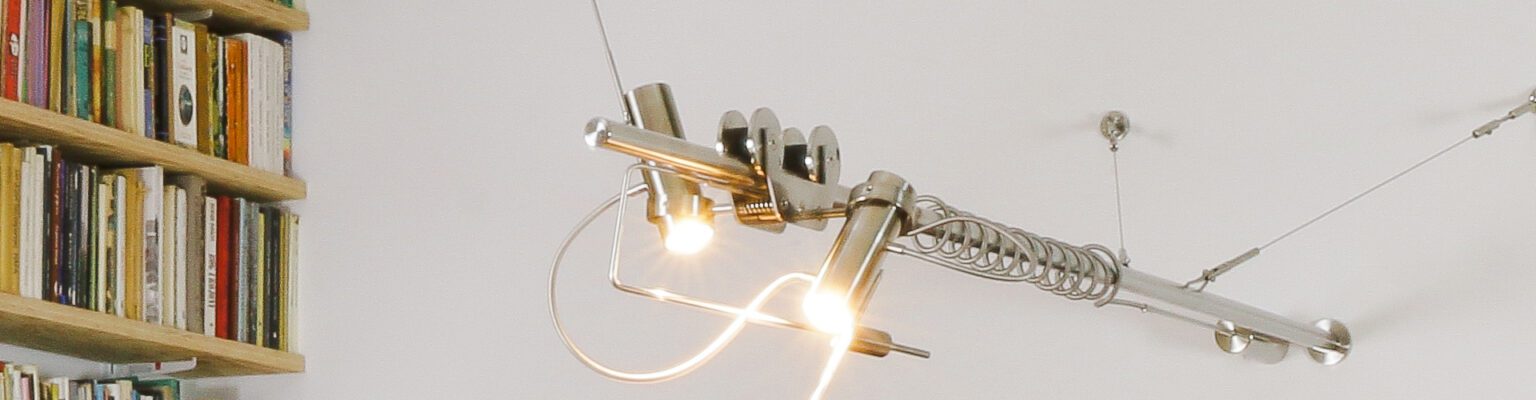
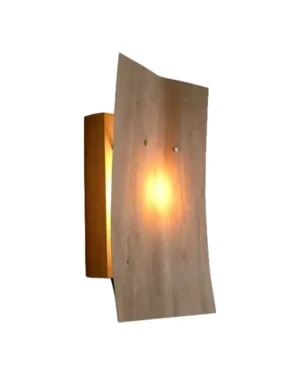
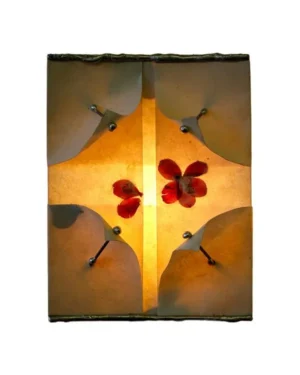
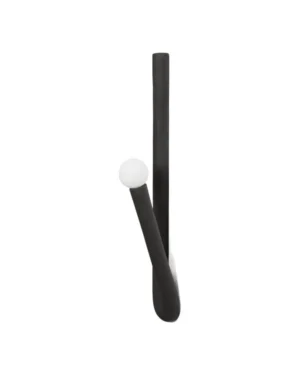

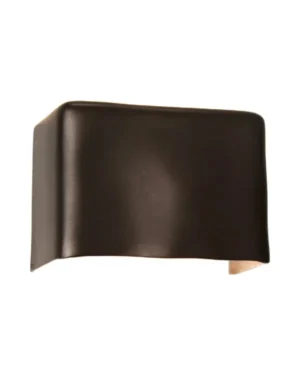

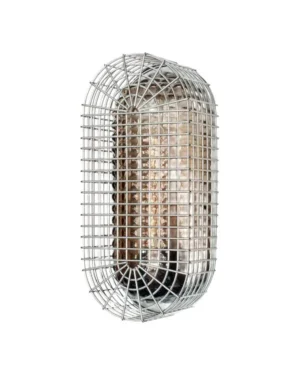
-
 In stock
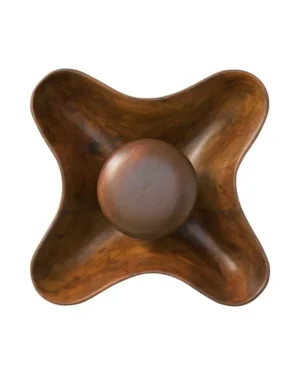
Object 09 Sconce in Nylon and Sand
By Hot Wire Extensions
€1.145 - €1.163 -

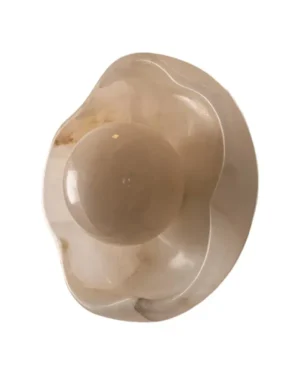
Onda Sconce In Raku White Ceramic
By arrived aliens
€2.200 -
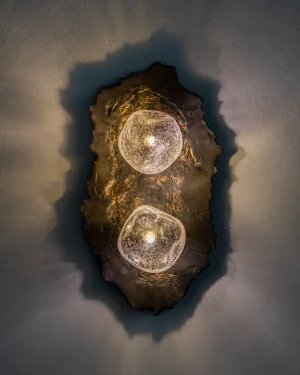 In stock
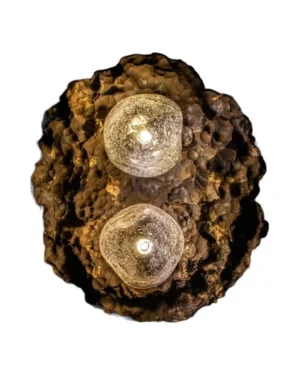
Asea No. 25 Wall Sconce In Blown Glass And Stoneware
By Ceren Gürkan
€1.100 -
 In stock
Object 09 Sconce in Nylon and Sand
By Hot Wire Extensions
€935 - €1.145 -
 In stock
Object 12 Sconce in Nylon and Sand
By Hot Wire Extensions
€1.145 - €1.355 -
 In stock
Object 04 Sconce in Nylon and Sand
By Hot Wire Extensions
€1.208 -
 In stock
Object 07 Sconce in Nylon and Sand
By Hot Wire Extensions
€1.145 -
 In stock
Object 08 Sconce in Nylon and Sand
By Hot Wire Extensions
€1.670 -
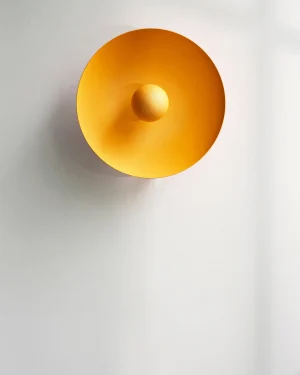 In stock
Sun Wall Lamp in Aluminum
By Anne Nowak
€1.340 -
 In stock
Coral Wall Lamp – Clay Sconce
By Dzovag Kotchian
€900 -
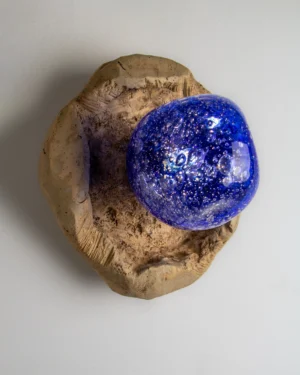 In stock
Asea No.13 Wall Sconce In Stoneware And Blown Glass
By Ceren Gürkan
€1.300 -
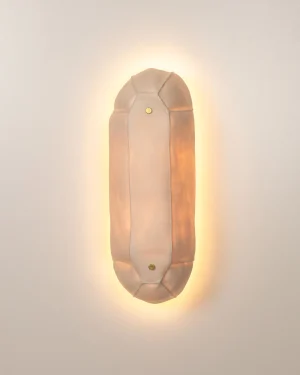
Kawa Series 01 Wall Sconce in Porcelain and Brass
By Luft Tanaka Studio
€1.600 -
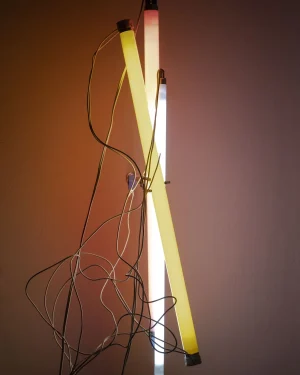 In stock
Extreme Il Wall Lamp in Metals
By TUNK I Busra Tunc
€280 -
 In stock
Asea No. 12 Green Wall Sconce In Stoneware And Blown Glass
By Ceren Gürkan
€800 -
 In stock
Nova Wall Sconce in Blown Glass and Steel
By Ceren Gürkan
€700 -
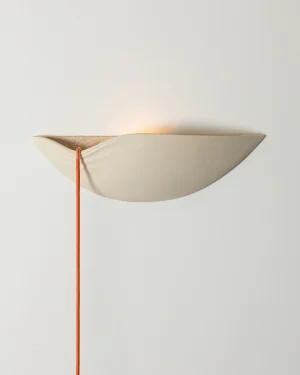
Loma Wall Sconce In Stoneware
By Catalin Filip
€450 -
10% off
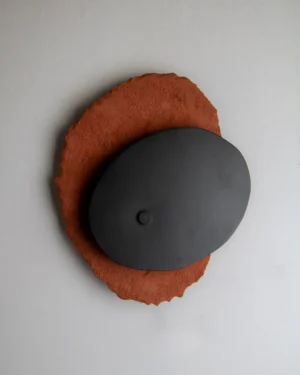
Asea No.1 Cherry Wall Sconce In Stoneware And Metal
By Ceren Gürkan
€1.000€900 -
10% off
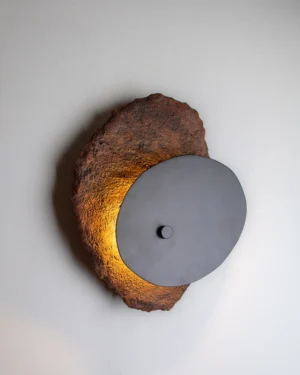
Asea No. 1 Cherry Dark Wall Sconce in Stoneware and Metal
By Ceren Gürkan
€1.000€900 -
 In stock
Pearl Wall Lamp – Clay Sconce
By Dzovag Kotchian
€1.200 -
 In stock
Extreme I
By TUNK I Busra Tunc
€450 -
 In stock
Asea No. 26 Pink Wall Sconce in Stoneware and Blown Glass
By Ceren Gürkan
€1.000 -
 In stock
Nova Blue Wall Sconce in Blown Glass and Steel
By Ceren Gürkan
€700 -
 In stock
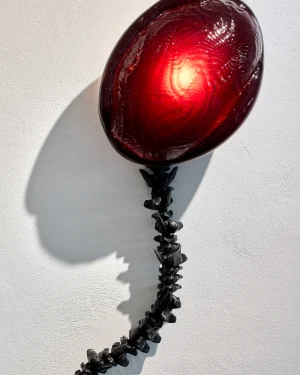
Dysplasio Wall Sconce in Blown Glass
By Anna Jožová
€2.000 - €3.300 -
 In stock
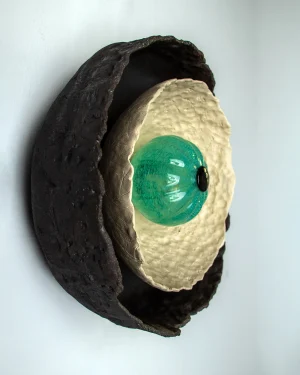
Asea No. 26 Eye Wall Sconce in Porcelain and Blown Glass
By Ceren Gürkan
€1.100 -
 In stock
“Object 06” Wall Lamp from the “Hotel” Collection
By Hot Wire Extensions
€1.208 -
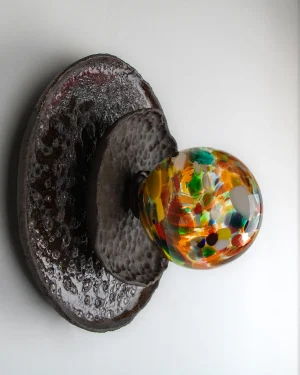 In stock
Asea No. 34 Wall Sconce in Stoneware and Blown Glass
By Ceren Gürkan
€1.000 -
 In stock
Asea No. 27 Blue Wall Sconce in Stoneware and Blown Glass
By Ceren Gürkan
€1.000 -
 In stock
Asea No. 35 Moss Wall Sconce in Stoneware and Blown Glass
By Ceren Gürkan
€1.200 -
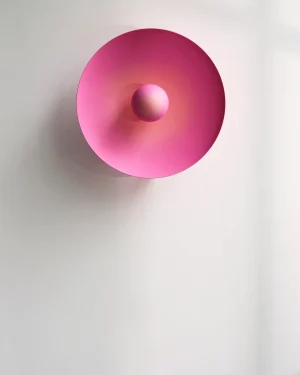 In stock
Pink Moon Wall Lamp in Aluminum
By Anne Nowak
€1.675 -
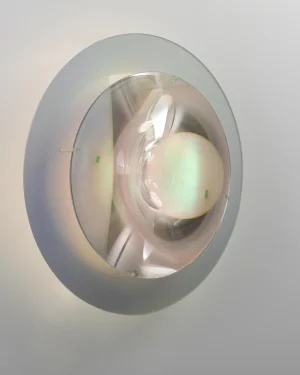
Noosphere Wall Sconce in Aluminum and Acrylic Glass
By Catrinel Sabaciag
€1.072 - €1.112 -
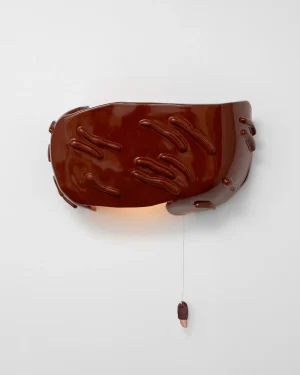
Killing the Mood Wall Sconce in Ceramic
By Studio AOAO
€2.200 -
 In stock
Asea No. 14 Wall Sconce in Stoneware and Metal
By Ceren Gürkan
€900 -
 In stock
“Object 10” Wall Lamp from the “Native” Collection
By Hot Wire Extensions
€1.145 -
 In stock
“Object 02” Wall Lamp from the “Hotel” Collection
By Hot Wire Extensions
€1.145 -
 In stock
“Object 05” Wall Lamp from the “Hotel” Collection
By Hot Wire Extensions
€1.208 -
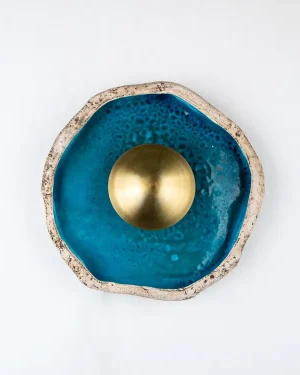 In stock
Asea No. 18 Blue Wall Sconce In Porcelain And Brass
By Ceren Gürkan
€600 -
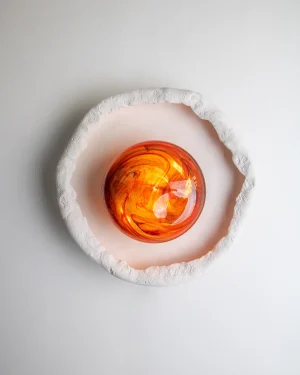 In stock
Asea No. 35 Wall Sconce in Porcelain and Blown Glass
By Ceren Gürkan
€1.200 -
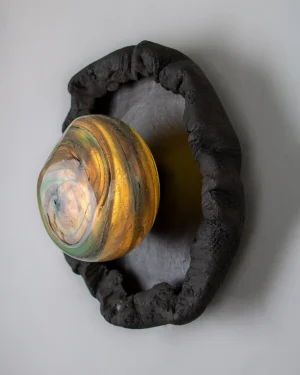 In stock
Asea No. 27 Wall Sconce in Stoneware and Blown Glass
By Ceren Gürkan
€1.000 -

Wall Light Franca B
By MANUHITA
Price Upon Request -

Wall Light Franca C
By MANUHITA
Price Upon Request -
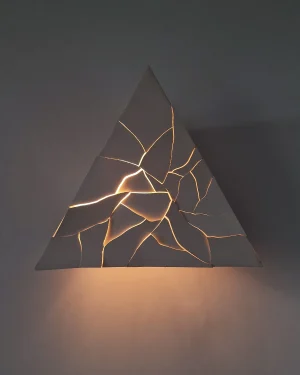 Sold
Mira Luminaire Wall Sconce in Jesmonite and Wood
By Catrinel Sabaciag
€2.500 -
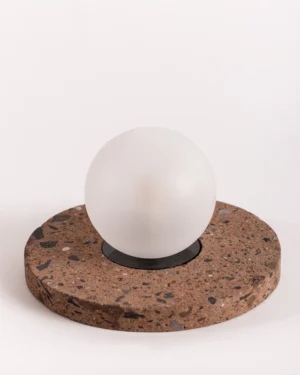
Saturn Floor Lamp in Volcanic Stone
By Daniel Orozco Estudio
€560 -
 In stock
“Object 08” Wall Lamp from the “Native” Collection
By Hot Wire Extensions
€1.995
Eclectic wall lamps bring together materials and eras that do not usually share a wall: a hand-blown glass shade next to a raw stoneware base, a bent steel arm holding a form that looks hand-built rather than machined. Independent studios working this way favor glassblowing, hand-building and metalwork, sometimes layering in 3D printing or slip casting, so no two pieces lean on the same process. The result sits closer to a small sculpture than a fixture, chosen as much for what it is made of as for the light it throws.
What makes a wall lamp eclectic
Eclectic design does not follow one material or one decade. It borrows a glazed stoneware body from a studio pottery tradition, pairs it with a brass or aluminum arm, and lets the mismatch read as intention rather than accident. The style works because each material is left honest: glass stays translucent, stone stays rough where it is rough, metal keeps its tool marks.
On a wall, that honesty matters more than on a table, since the piece is seen at eye level, often side by side with artwork, mirrors or other objects. An eclectic wall lamp earns its place by holding its own against whatever else is on that wall, not by blending into it.
Materials, finishes and techniques
The range changes as pieces sell and new studios join, but the kinds of work repeat. Expect to find:
- Blown glass shades in aqua, cream or off-white, shaped by hand at the furnace
- Stoneware and ceramic bodies, hand-built or slip cast, then glazed or left in raw sandstone and stone tones
- Metal arms and frames in brass, steel or aluminum, finished in charcoal, sand or left bright
- Nylon and recycled material shades, often 3D printed, in yellow, dusty pink or white
- Pieces made as open editions, unique one-offs, or limited editions, depending on the maker's process
Raku-fired stoneware and hand-glazed ceramic will carry slight variation piece to piece, which is part of the appeal rather than a flaw. Pieces from the wider metal wall lamp range tend to run leaner and more linear, a useful counterweight if the rest of the shade work leans soft and organic.
Choosing scale, height and finish
Scale decides whether a wall lamp reads as a detail or as a focal point. A small glass or ceramic form works in pairs, flanking a mirror or headboard, while a single larger piece can anchor a run of empty wall on its own.
Mounting height follows function: lower and closer to a bed or sofa for reading light, higher and more central when the lamp is there to wash a wall or highlight a painting. Finish should answer the room's other metals and clays already in use, picking up a brass handle or a stoneware vase rather than competing with it.
Where eclectic wall lamps work
These pieces suit rooms built from more than one material already: a living room with a stone side table and a woven rug, a bedroom with linen and dark wood, a hallway that doubles as a small gallery wall. They hold their character in low-traffic spots where people pause rather than pass through quickly, which is why they do well either side of a hallway mirror or above a bedside table. For a fuller view of the style across other rooms and furniture, the eclectic pieces on ADORNO extend well past lighting.
Caring for glass, stoneware and metal
Blown glass needs only a soft, dry cloth; avoid sudden temperature change near an open window in winter, since thermal shock can crack a thin shade. Stoneware and ceramic are stable once fired but chip at sharp edges, so mount them where a hand or elbow will not graze them daily. Brass and steel will develop a light patina over years unless lacquered; wipe with a dry cloth rather than anything abrasive, and keep aluminum away from harsh cleaners that can dull its surface.
For the full spread of finishes, mounts and sizes in this shape of lighting, the complete wall lamp range sits alongside these eclectic wall lamps, organized by material rather than style.
How do I choose an eclectic wall lamp?
Look for a piece that pairs materials you would not expect together, like blown glass with stoneware or metal, and let the mismatch sit against whatever else hangs on that wall, including art or mirrors.
How do you care for glass, stoneware and metal wall lamps?
Dust glass and glazed stoneware with a soft, dry cloth, avoid abrasive cleaners on raw or unglazed surfaces, and wipe metal arms with a dry cloth to keep brass or aluminum from streaking.
What height should a wall lamp be mounted at?
Eye level usually works best, roughly 60 to 65 inches from the floor, though bedside placement sits lower, level with where a seated reader's shoulder would be.
Which rooms suit eclectic wall lamps?
Hallways, bedsides and living room walls all work, anywhere the lamp is seen up close, since the honesty of the materials, rough stone, clear glass, visible tool marks, reads best at eye level.
Are these wall lamps handmade, and are they one of a kind?
Many are shaped by hand through glassblowing or hand-building, and editions range from open runs to limited editions and unique pieces, so availability depends on the individual maker.
What about shipping, returns and authenticity when buying from ADORNO?
Shipping is insured and worldwide, returns are accepted within 14 days except on made-to-order pieces, each lamp comes with a certificate of authenticity, and ADORNO offers a lowest-price guarantee.