



-
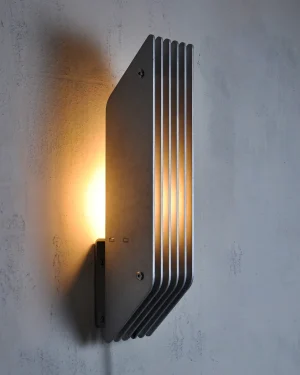
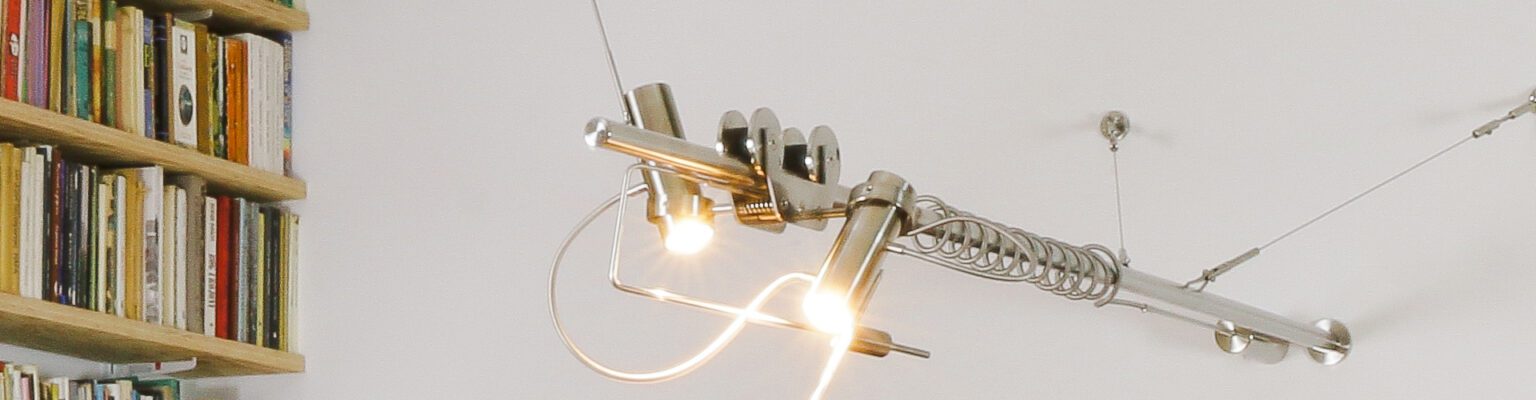
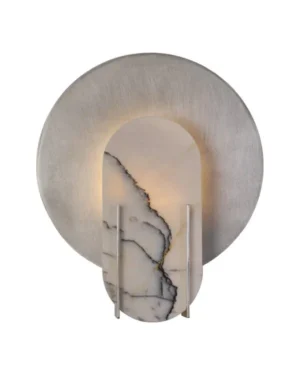
Rln460 Wall Lamp In Matte Aluminium
By MLK Furniture
€390 -
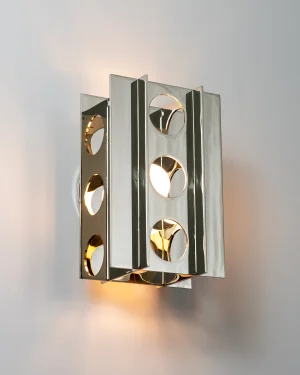
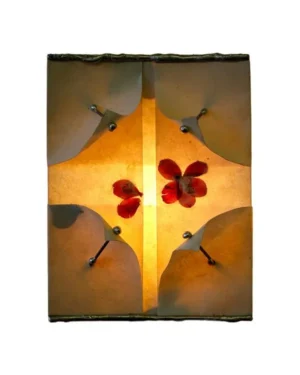
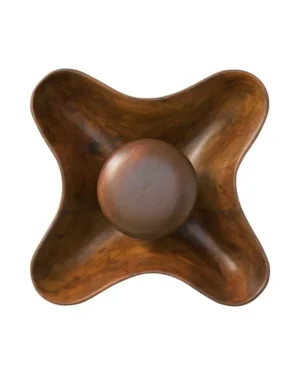
Tenfold 3T Mirror Wall Sconce in Steel and Aluminum
By Luft Tanaka Studio
€1.540 -
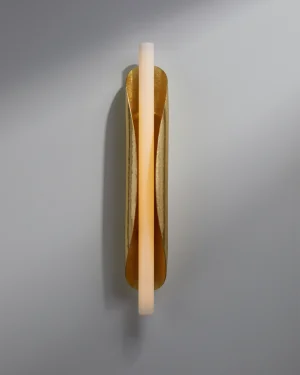 In stock
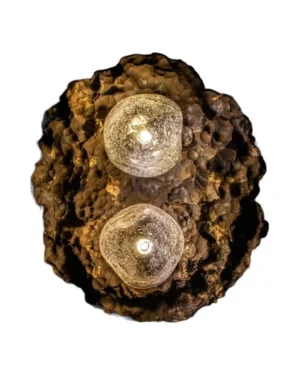
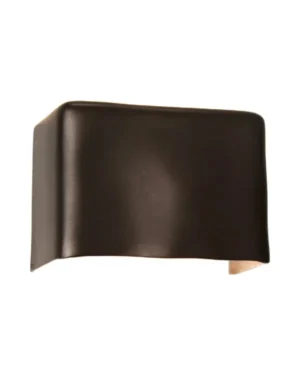
Taco De Luz 50cm Wall Sconce in Satin Brass
By Studio Aristotelis Barakos
€1.250 -
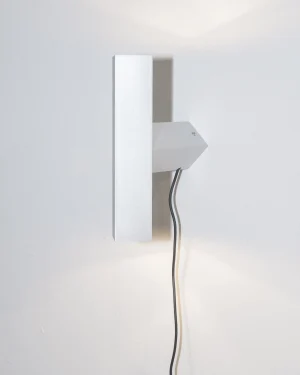 In stock
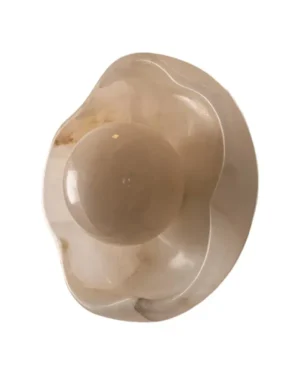
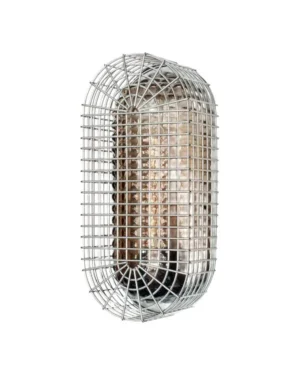
Sculptural Wall Sconce in Aluminum
By NOSTUDIO
€420 - €450 -
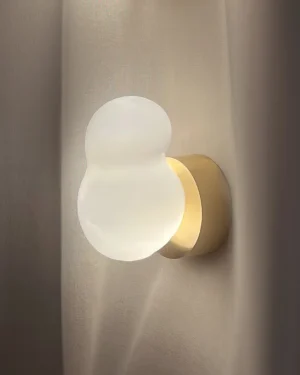
Vv Applique Wall Sconce in Brass and Blown Glass
By Clara Viladecans
€451 -
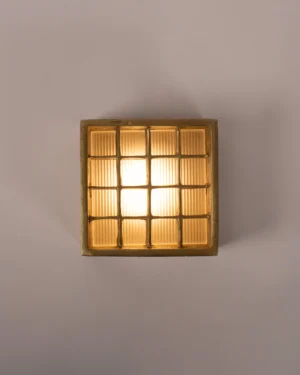
Oasis Mirage Wall Light In Cast Aluminum And Fluted Glass
By Harshita Jhamtani Designs
€620 -
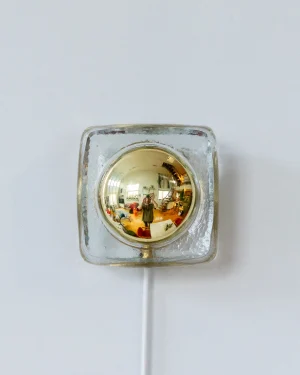 In stock
Starburst Wall Sconce in Brass and Blown Glass
By Voidfill Studio
€1.635 -
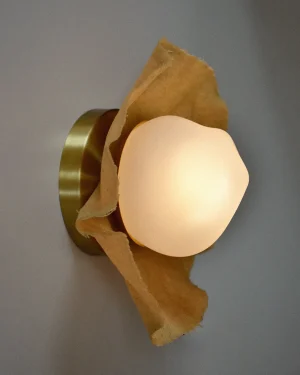 In stock
Liora I Wall Sconce in Glass and Brass
By Atelier Alz
€350 -
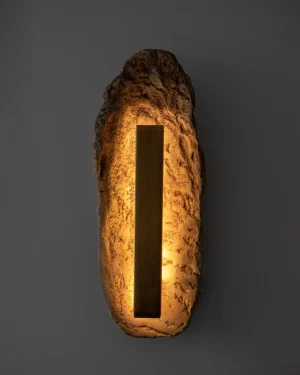 In stock
Asea No. 2 Wall Sconce In Stoneware And Brass
By Ceren Gürkan
€1.000 -
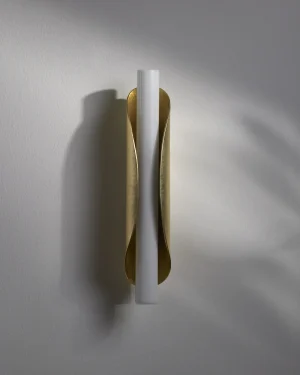
Taco De Luz 30cm Wall Sconce in Satin Brass
By Studio Aristotelis Barakos
€870 -
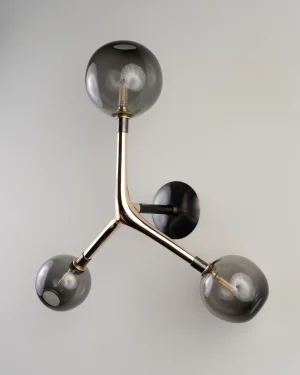
Ocellus Wall Sconce in Bronze and Blown Glass
By Isabel Moncada
€3.510 - €4.036 -
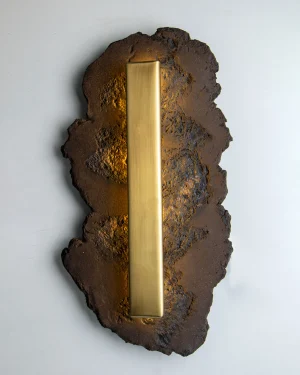 In stock
Asea No. 3 Wall Sconce In Stoneware And Brass
By Ceren Gürkan
€900 -
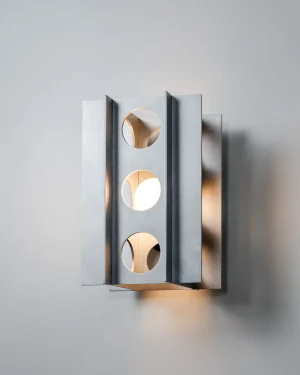
Tenfold 3T Satin Wall Sconce in Steel and Aluminum
By Luft Tanaka Studio
€865 -
 In stock
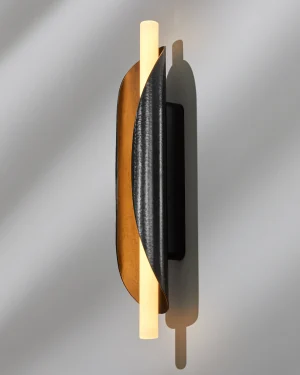
Taco De Luz 50cm Wall Sconce in Black Patinated Brass
By Studio Aristotelis Barakos
€1.300 -
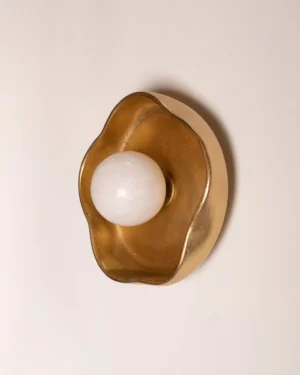
Flower Casted Wall Sconce In Brass-finished Aluminum
By Harshita Jhamtani Designs
€760 -
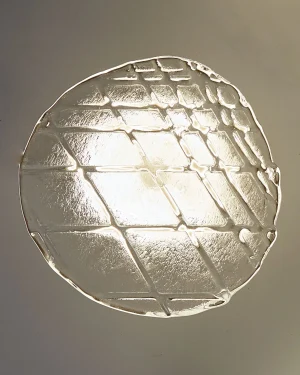
Hot Casted Rhombus Wall Sconce in Brass and Glass
By Pablo Ejarque-González
Price Upon Request -

Hot Casted Lines Wall Sconce in Brass and Glass
By Pablo Ejarque-González
Price Upon Request -

Hot Casted Wall Sconce in Brass and Glass
By Pablo Ejarque-González
Price Upon Request
Art deco wall lamps carry the geometry of the 1920s and 1930s into rooms built decades later, their lines stepped, fanned or fluted rather than curved. Independent studios cast brass, blow glass and cut chrome into fixtures that read as small sculpture even before they are switched on. The material does the talking here, so the making stays visible: hammered metal, faceted glass, a polished edge that catches a passing light.
What sets the style apart in wall lighting
Art deco design favors symmetry and repetition over asymmetry, so a pair of sconces either side of a mirror or a headboard reads as one gesture rather than two accidents. Brass and chrome bring the sheen the period is known for, while glass, whether cast, tinted or left clear, softens the metal's hard lines. Where other styles chase a single point of brightness, these pieces often spread light sideways or upward, letting the fixture itself stay the focus during the day and the glow take over at night.
Materials, finishes and ways of making
- Metalwork and metal casting for stepped or fluted frames in brass, aluminum and chrome
- Glassblowing and glass casting for shades in clear or tinted glass
- Repoussé and laser cutting for raised or pierced geometric pattern
- Open editions alongside limited editions and occasional unique pieces
Colors lean toward gold, bronze and silver, with gray, aubergine and sand appearing on frames or shades where a studio wants contrast rather than shine. Because the category spans everything from metal wall lamps built almost entirely from brass or steel to pieces where glass carries most of the form, finish varies as much as shape does.
Choosing scale, height and placement
A wall lamp has to earn its spot without a shade's worth of surface to disguise poor proportion, so scale matters more here than on a table lamp. Measure the wall it will sit on and treat the fixture as part of the room's geometry: a pair should align with a headboard's center or a mirror's edges, not float off to one side. Mounting height depends on use, lower and closer to eye level for reading light near a bed, higher and more oblique where the lamp is washing a wall or a piece of art rather than lighting a task.
Where these lamps work
Bedrooms suit the style well, since a pair of sconces either side of a headboard frees the nightstands for books and glasses instead of lamp bases; see the range of bedroom wall lamps for scale references. Living rooms take the geometry just as easily, flanking a console or a fireplace where the brass or chrome can hold its own against other finishes in the room, an approach covered further among living room wall lamps. Corridors and stairwells, which rarely have room for a table lamp, are where a wall fixture does work no other lamp in the house can.
Living with brass, glass and chrome
Unlacquered brass will darken and spot with handling and air, a change most owners allow rather than polish away, since the patina is part of what the metal is for. Lacquered brass and chrome need only a soft, dry cloth, since solvents and abrasive cleaners dull the finish faster than daily use ever will. Glass shades should be dusted rather than wiped wet while a bulb is still warm, to avoid thermal shock cracking a cast or blown surface. For the full range of Art Deco lighting and objects beyond the wall, the complete Art Deco collection on ADORNO and the related Art Deco table lamps show how the same geometry carries across other kinds of lighting, while the broader wall lamps category covers every style working in brass, glass and metal beyond this one.
How do I choose an art deco wall lamp?
Match the metal tone to existing hardware, brass or gold with warm fixtures, chrome or silver with cooler ones, and look for glass that filters rather than exposes the bulb for a softer spread of light.
What are art deco wall lamps made of?
Most frames are brass or aluminum, finished in gold, bronze or a matte tone, paired with glass shades that are hand-blown or cast, giving each one slight variation even within an open edition.
How do I clean and care for a brass or glass wall lamp?
Dust metal with a dry soft cloth and avoid abrasive cleaners, which strip lacquer and dull the finish; wipe glass with a damp cloth, and let any patina on unlacquered brass develop on its own.
How high should a wall lamp be mounted?
Eye level or just above works for hallways and living rooms, while bedside sconces usually sit higher than a table lamp would, clear of pillows and sightlines; the maker can confirm exact placement for a given piece.
Which rooms suit art deco wall lamps?
Their symmetry suits pairs either side of a mirror, headboard or console, and they hold their own in hallways, living rooms and bedrooms where a steady wash of light reads better than a single bright point.
What happens if I need to return or ship an art deco wall lamp?
Shipping is insured and worldwide, returns are accepted within 14 days except on made-to-order pieces, and every lamp arrives with a certificate of authenticity backed by a lowest-price guarantee.