

-
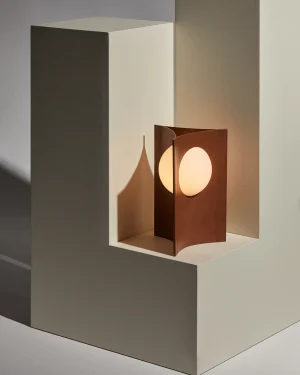
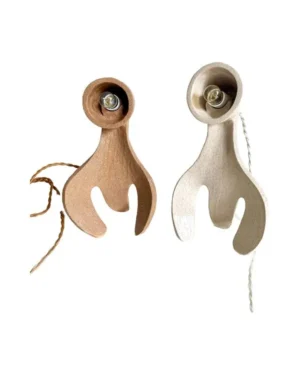
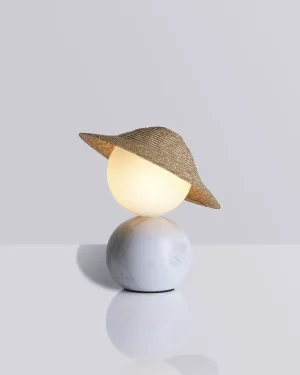
Hecate Table Lamp in Leather and Glass
By Studio Aristotelis Barakos
€480 -
 In stock
Théros 0.2 Table Lamp in Blown Glass and Marble
By Studio Aristotelis Barakos
€950 -
 In stock
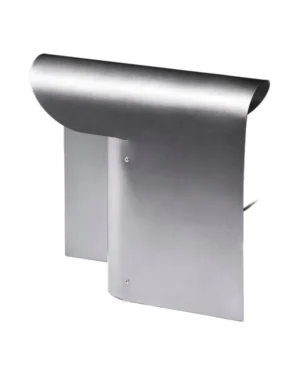
Handrail Table Lamp in Stainless Steel
By studio re.d
€440 -
 In stock
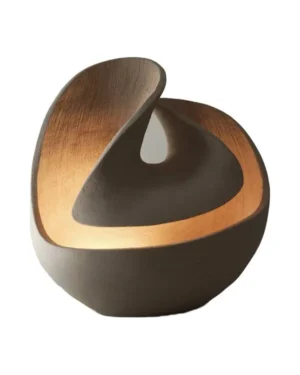
Navazi Table Lamp in Ceramic
By SVITANOK
€440 - €670 -
 In stock
La Bergère Table Lamp In Glazed Ceramic
By Mina Wright
€686 -

El Joyero De Odette Table Lamp In Stoneware
By Mina Wright
€810€689 -
 In stock
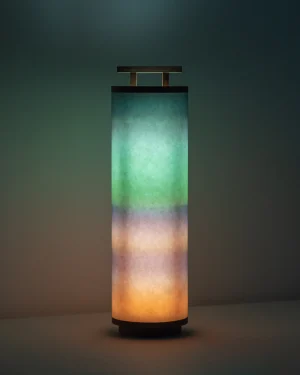
Ding Dong 01 Table Lamp in Ceramic
By Luft Tanaka Studio
€1.442 -
 In stock
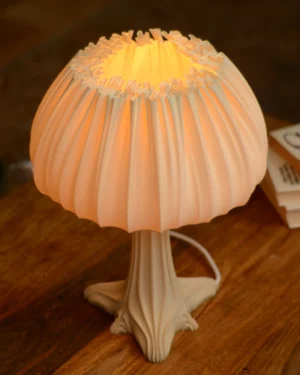
Torii G Pala Table Lamp in Washi Paper and Walnut
By Prangé
€1.232 -
 In stock
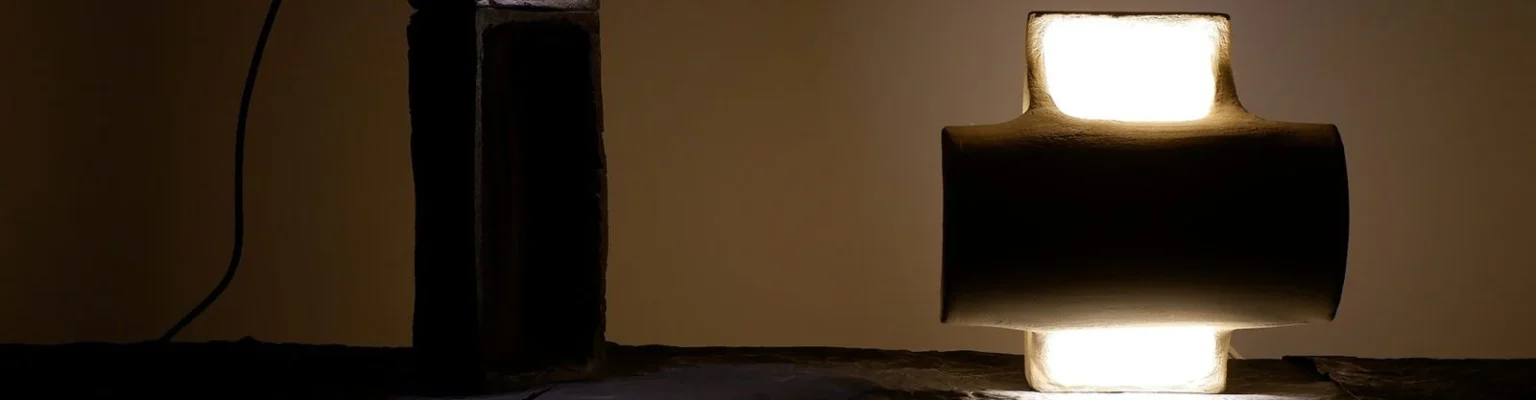
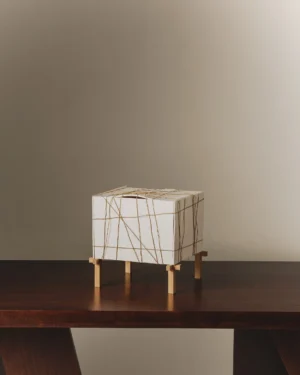
M 2 Table Lamp In Bio Polymer And Sand
By diploria studio
€395 -
 In stock
Fardo Table Lamp in Porcelain, Oak Wood and Rope
By Mike Hausmann
€2.800 -
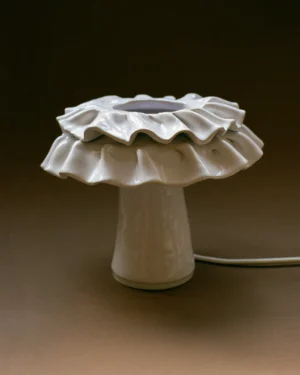 In stock
Lulu Table Lamp In Stoneware
By Mina Wright
€670 -
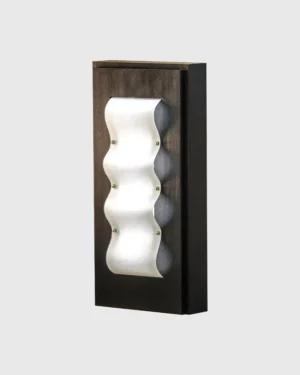 In stock
Mora Table Lamp in Sapele Wood and Recycled Paper
By MESEME by Riya Panchal
€1.397 -
 In stock
Square Table Lamp in Epoxy Resin
By Ragna Ragnarsdottir
€1.900 -

Navazi Table Lamp in Glazed Ceramic
By SVITANOK
€590 - €890 -
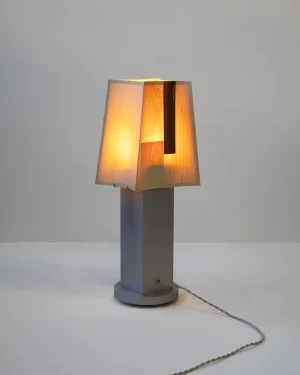
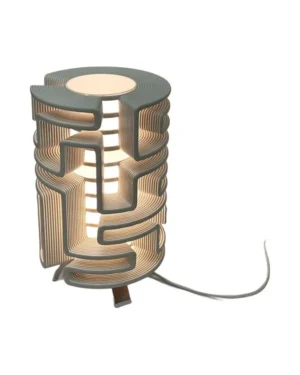
Soft Ply Table Lamp in Birch, Willow and Aluminum
By Sheyang Li
€1.000 -
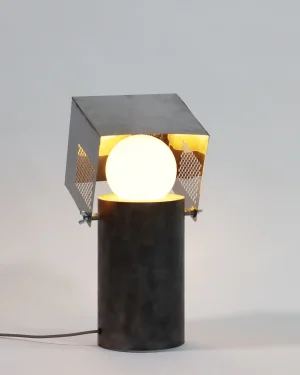 In stock
Hood Light Table Lamp In Stainless Steel
By Nolan Talbot-Kelly
€900 -
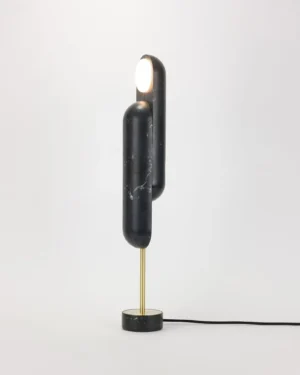
OFFSET Table Lamp in Marble and Brass
By Dan Yeffet
€2.500 -
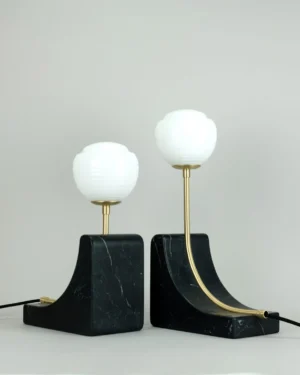
DU/ET Table Lamp in Marble and Brass
By Dan Yeffet
€1.650 -

Falcon Table Lamp in Brass and Walnut Wood
By Nathan Chintala
€1.914 -

The Mammal Table Lamp in Walnut Wood
By CHANDLER MCLELLAN
€1.155 -

Pinnacle Of Aphelion Table Lamp in Aluminum
By BUREAU OF ENTROPY
Price Upon Request -
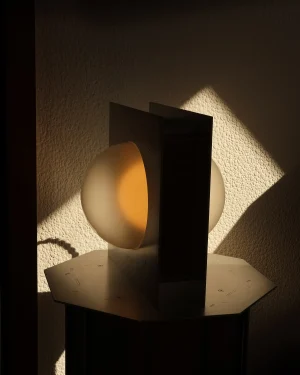
Event Horizon Table Lamp in Aluminum
By BUREAU OF ENTROPY
Price Upon Request -
 Sold
Soft Ply No. 2 Table Lamp in Wood and Steel
By Sheyang Li
Price Upon Request -
 Sold
Soft Ply No. 1 Table Lamp in Wood and Steel
By Sheyang Li
Price Upon Request
Mid-century modern table lamps carry forward a design language set in the 1950s and 60s, when ceramic bases, hand-formed metal and glazed stoneware replaced heavier, ornamented forms with cleaner silhouettes built for daily use. Independent studios working in hand-building, glazing, metalwork and cabinetmaking return to these proportions today, keeping the material visible rather than disguised under paint or lacquer. The result is a lamp that sits quietly on a surface, its base doing as much visual work as its shade.
What shapes a mid-century modern table lamp
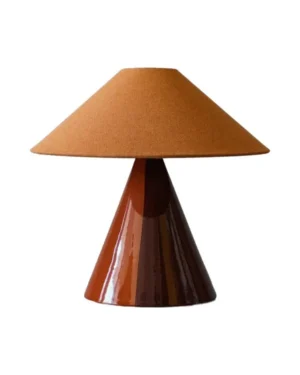
The body usually comes first: a hand-built ceramic base, a block of wood, or metal bent and welded into a simple geometric stand. Clay and stoneware are fired, then glazed in tones such as amber, ochre, black or white, so no two surfaces catch light in quite the same way. Aluminum and other metals are shaped through welding or hand-forming and often left with a visible seam or tool mark rather than polished smooth.
These lamps favor honest joins over hidden mechanics. A dome or drum shade sits on a slim stem, a bulbous ceramic form holds its own weight on a wide foot, and the proportions stay close to what a tabletop can carry without looking heavy. That restraint is part of what still reads as mid-century: function stated plainly, with no surplus detail.
The range of finishes and editions
On ADORNO the style spans a working set of materials and colors rather than one fixed look. Expect ceramic and stoneware bodies in black, white, brown or black-and-white glazes; aluminum, stainless steel and other hand-formed metal in silver, black or black-and-brown combinations; and wood bases worked through cabinetmaking or veneering.
- Ceramic and stoneware, hand-built, then glazed
- Aluminum, stainless steel and other metal, welded or hand-formed
- Wood, shaped or veneered for a warmer, grained base
- Open editions, limited editions and unique, one-off pieces
Because many of these lamps are made in small runs, glaze colors and metal patinas shift slightly from one piece to the next. That variation is expected in hand-building and glazing, not a flaw to correct.
Choosing one for scale and placement
Start with the surface it will stand on. A lamp for a console or sideboard can take a taller stem and wider shade, while one for a bedside table or a narrow side table reads better low and compact, its shade sitting roughly at eye level when seated. Measure the surface depth too, since a wide ceramic base needs more than a few inches of clearance on every side.
Think about what the light needs to do. A lamp beside a reading chair benefits from a shade that directs light downward and forward, while one placed purely for ambience can sit higher and softer. Pair a dark glaze or black metal with a light surface so the base reads clearly, or let a pale stoneware body disappear quietly against a similar wall tone.
Where these lamps work
Mid-century modern table lamps suit rooms built around low, horizontal furniture: a sideboard in a living room, a nightstand in a bedroom, or a console in an entry. The style pairs naturally with walnut, teak and other warm woods, but a glazed ceramic base also holds its own against painted walls or stone surfaces. For a fuller sense of the period across other lighting types, the mid-century modern lighting range shows how the same forms carry into pendants and floor lamps.
Caring for ceramic, stoneware and metal
Glazed ceramic and stoneware should be dusted with a dry or barely damp cloth; harsh cleaners can dull the glaze over time. Hand-formed metal bases develop a patina with handling and light, which is part of their character rather than something to polish away. Wood bases benefit from being kept out of direct sun, which can shift tone unevenly across the surface.
For the full working set of forms and finishes, the table lamp category covers every material side by side, while mid-century modern pieces across ADORNO extend the same look into seating, tables and objects.
How do I choose a mid-century modern table lamp?
Match the base material to the room's existing tones: warm ceramic glazes for wood-heavy rooms, hand-formed metal for cooler palettes. Check that the shade size suits the surface it will sit on.
How do I care for a ceramic or metal table lamp?
Dust ceramic and stoneware with a dry cloth, since glazes can dull under harsh cleaners. Wipe metal bases with a soft, slightly damp cloth and dry them to avoid water spots or tarnish.
What height should a mid-century table lamp be?
A good rule puts the shade bottom near eye level when seated, usually requiring the full lamp to stand between 24 and 34 inches, depending on surface height.
Which rooms suit mid-century modern table lamps?
They work on living room consoles, bedside tables and sideboards alike, anywhere a warm, low light source and a visible material surface add presence without needing installation.
Does ADORNO ship these lamps worldwide and insured?
Yes, shipping is insured and worldwide, so a lamp arrives covered against damage or loss no matter where it is headed.
Can I return a mid-century modern table lamp?
Most pieces can be returned within 14 days of delivery. Made-to-order lamps are excluded, so check the piece's page or chat with the maker before ordering.