

-
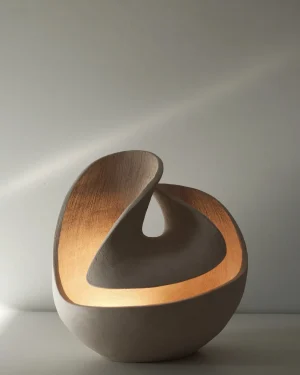
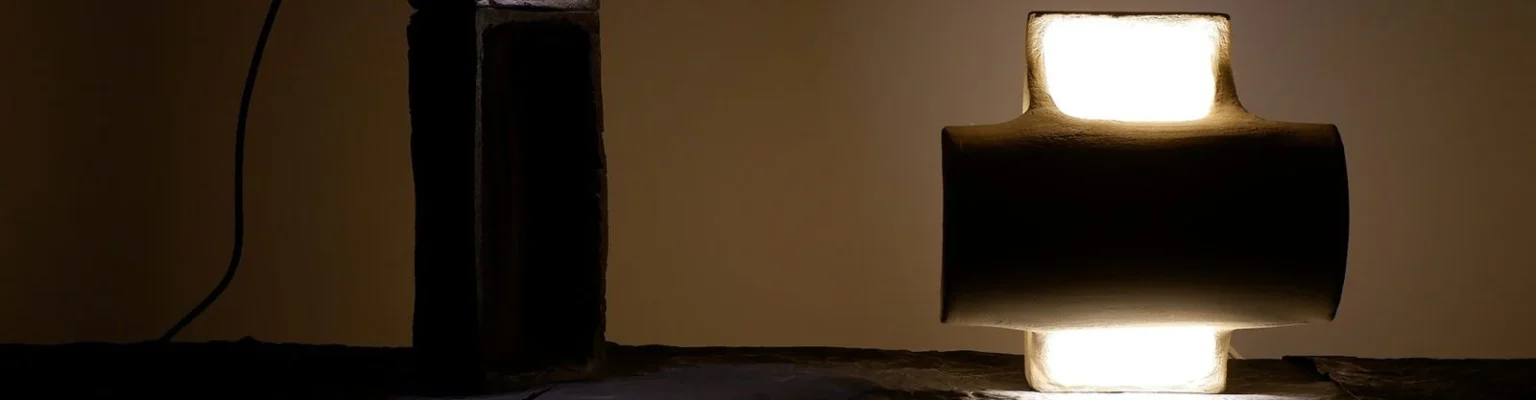
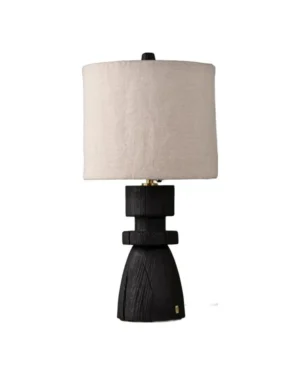
Athari Table Lamp in Ceramic
By Andrei Clontea STUDIO
€900 -
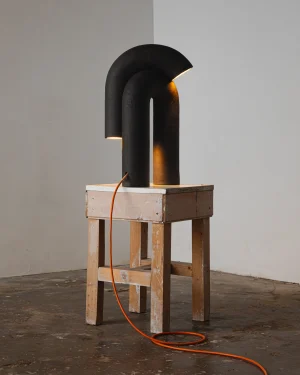
Pendulū Table Lamp In Ceramics And Gold-leaf
By Catalin Filip
€950 -
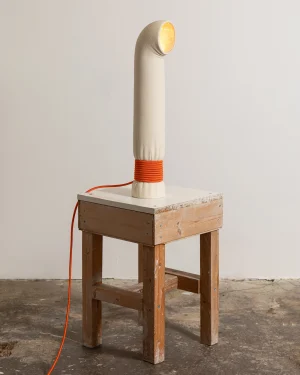
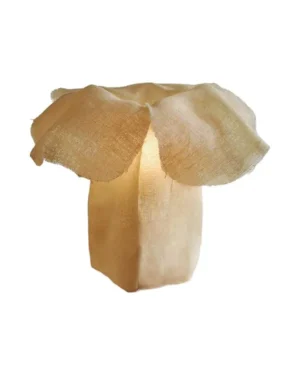
Knotto_01 Table Lamp In Glazed Stoneware And Synthetic Fibers
By Catalin Filip
€800 -
 In stock
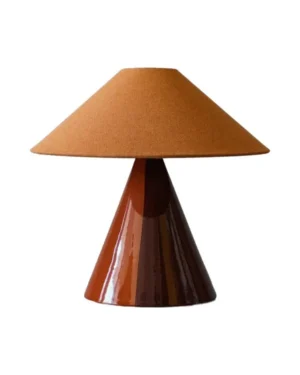
La Bergère Table Lamp In Glazed Ceramic
By Mina Wright
€686 -

El Joyero De Odette Table Lamp In Stoneware
By Mina Wright
€810€689 -
 In stock
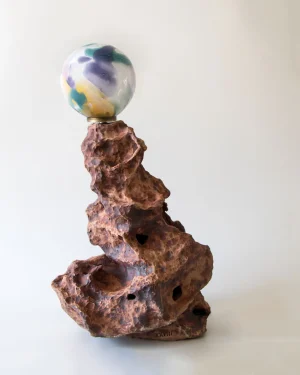
Abyss No. 28 Sculptural Table Lamp In Stoneware
By Ceren Gürkan
€1.400 -
 In stock
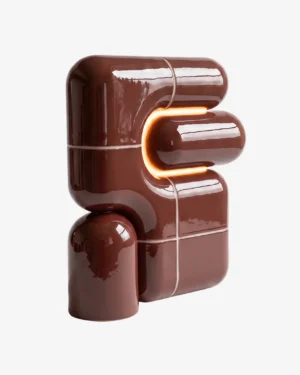
U-021 Table Lamp In Garnet Pla
By Rollo Studio
€795 -

The Mesia Table Lamp In Ceramics And Glass
By Luis Gimeno Design
€1.600 -
 In stock
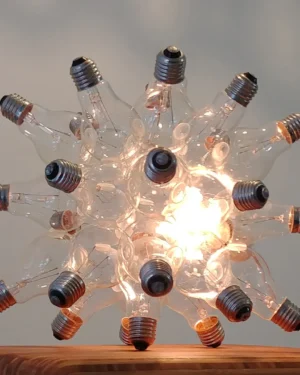
“spare” Table Lamp Constructed From 26 Lightbulbs
By JAN PAUL
€220 -
 In stock
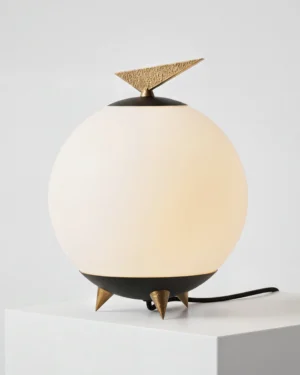
Eoni Table Lamp In Steel, Brass And White Glass
By Balance Lamp
€410 -
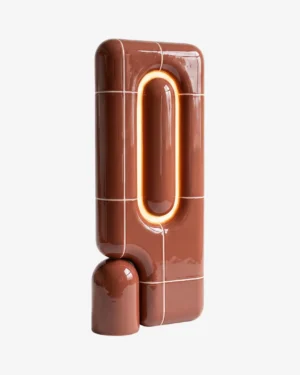
U-037 Table Lamp In Oxide Pla
By Rollo Studio
€940 -
 In stock
Cave Table Lamp In Glass
By Dace Sūna
€1.500 -

Fractical Neon Table Lamp In Glass
By Dace Sūna
€1.000€850 -
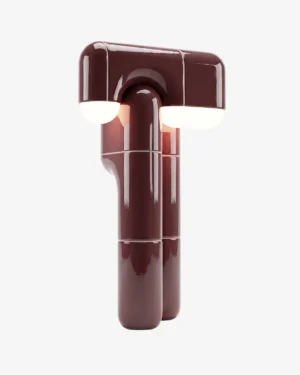
U-016 Table Lamp In Oxblood Pla
By Rollo Studio
€1.380 -

Hoja Table Lamp In White Steel
By Natural Urbano - Sebastián Beltrán
€315 -
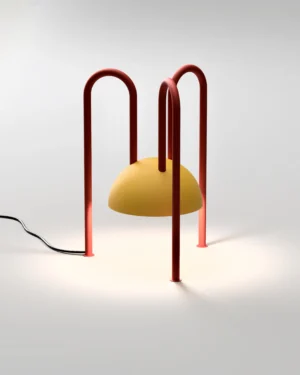 In stock
Allugi Table Lamp In Steel
By Balance Lamp
€450 -

Stutter Table Lamp In Aluminum
By Calen Knauf Studio
€1.344 -
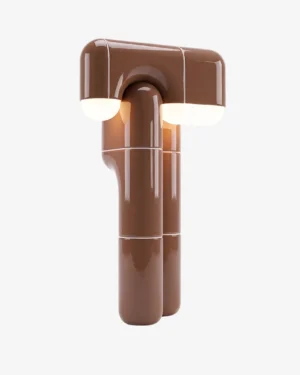
U – 016 – Table Lamp – Umber
By Rollo Studio
€1.380 -
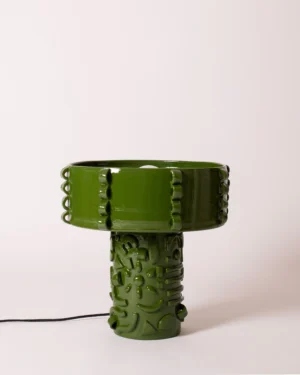
Sculpt Table Lamp In Glazed Stoneware
By Harshita Jhamtani Designs
€3.600 -
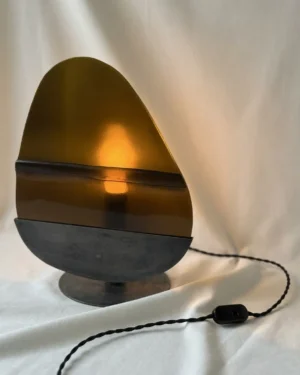 In stock
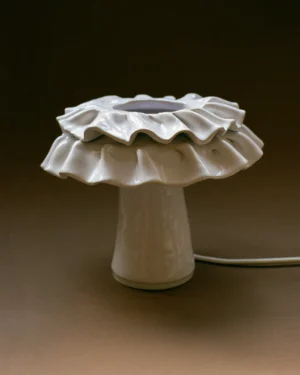
Veilleur Lp1 Table Lamp In Steel And Glass
By Louise Hurth
€1.600 -
 In stock
Lulu Table Lamp In Stoneware
By Mina Wright
€670 -

Sedna Table Lamp In Petrol Blown Glass
By ELOA - Unique Lights
€2.330 - €4.085 -
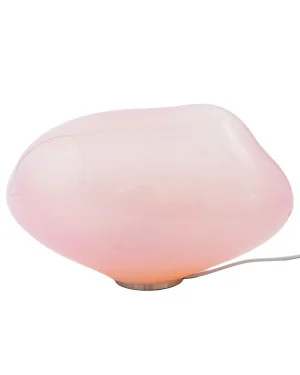
Haumea Convex Table Lamp In Flamingo Opaque Glass
By ELOA - Unique Lights
€2.330 - €4.085 -

Haumea Amorph Table Lamp In Amber Iridescent Glass
By ELOA - Unique Lights
€2.330 - €4.085 -

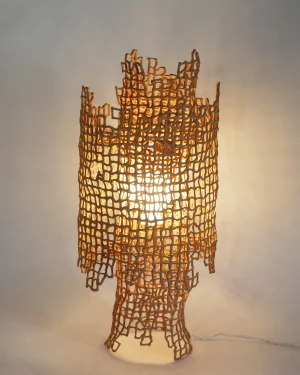
Moon Sixteen – Alabaster Table Lamp
By A.D.U. Studios
€1.240 -
 In stock
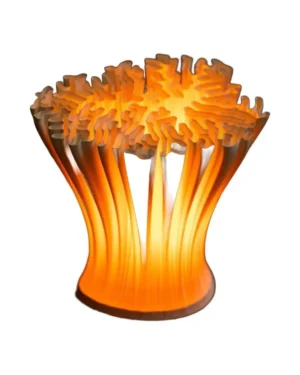
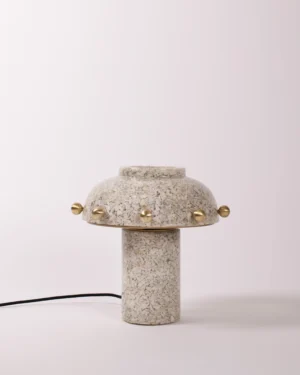
Coral Lamp – Clay Table Lamp (big)
By Dzovag Kotchian
€2.600 -
Second Tide Table Lamp In White Recycled Plastic And Brass
By Harshita Jhamtani Designs
€1.340 -
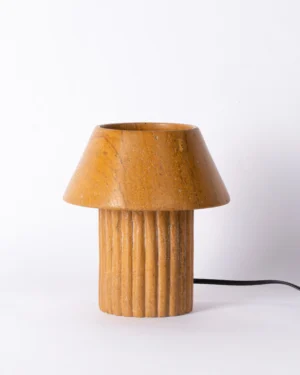
Rio (m) Table Lamp In Sandstone
By Harshita Jhamtani Designs
€690 -
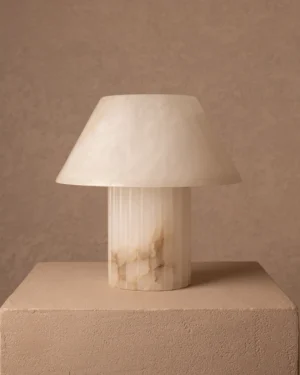
Rio (m) Table Lamp In Alabaster
By Harshita Jhamtani Designs
€800 -
 In stock
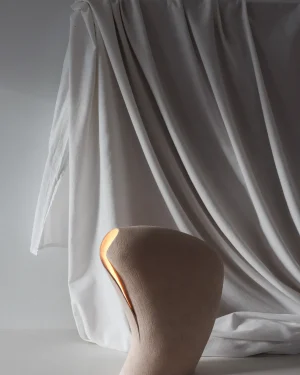
Parabanda – Terrazzo Table Lamp
By Pierre Klein
€750 -
 In stock
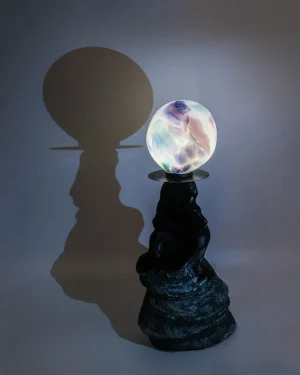
Oris Minimalist Table Lamp in Ceramic
By Andrei Clontea STUDIO
€700 -
 In stock
Abyss No. 3 Sculptural Table Lamp In Stoneware
By Ceren Gürkan
€1.300 -
 In stock
Abyss No. 31 Sculptural Table Lamp In Stoneware
By Ceren Gürkan
€1.400 -

Layers Bedside Lamp In Glazed Ceramic
By Katia Langeard
€750 -
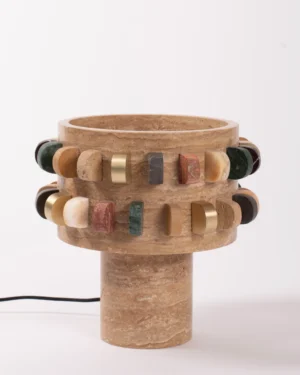
Outcasts Table Lamp In Marble And Travertine
By Harshita Jhamtani Designs
€2.140 -
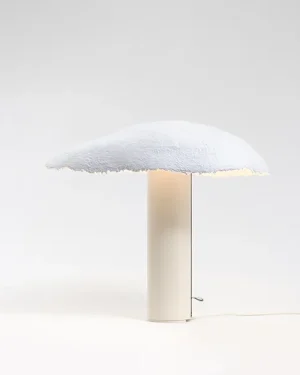
Overcast Table Lamp In Aluminum, Leather And Paper Pulp
By Calen Knauf Studio
€1.570 -

Haumea Convex Table Lamp In Amber Iridescent Glass
By ELOA - Unique Lights
€2.330 - €4.085 -

Haumea Convex Table Lamp In Blue Opaque Glass
By ELOA - Unique Lights
€2.330 - €4.085 -
 In stock
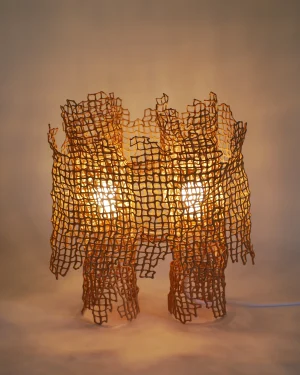
Coral Lamp Duo – Clay Table Lamp
By Dzovag Kotchian
€1.400 -
 In stock
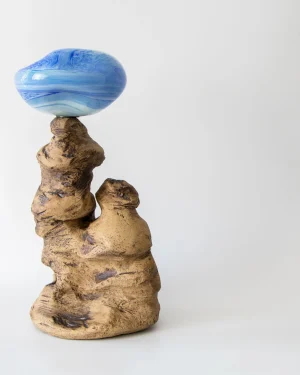
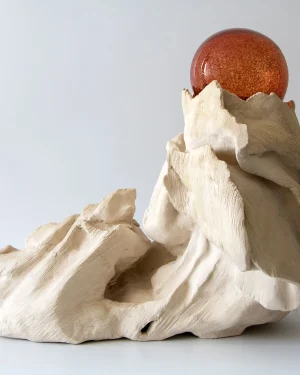
Abyss No. 4 Sculptural Table Lamp In Stoneware
By Ceren Gürkan
€1.600 -
 In stock
Abyss No. 23 Sculptural Table Lamp In Stoneware
By Ceren Gürkan
€2.500 -

Sedna Table Lamp In Amber Iridescent Glass
By ELOA - Unique Lights
€2.330 - €4.085 -
 In stock
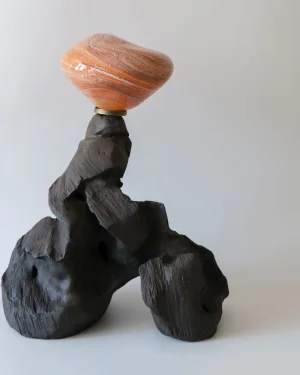
Llamas Table Lamp In Casted Bronze And Handblown Glass, In Stock
By ANDEAN
€1.781 - €2.171 -
 In stock
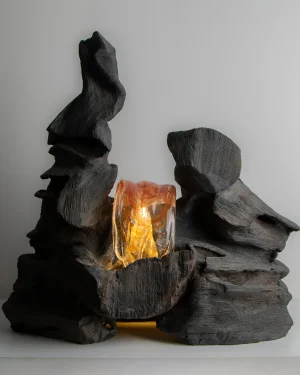
Abyss No. 27 Sculptural Table Lamp In Stoneware
By Ceren Gürkan
€1.900 -
 In stock
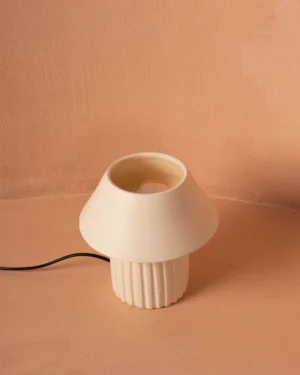
Abyss No. 33 Sculptural Table Lamp In Stoneware
By Ceren Gürkan
€2.200 -
Rio (s) Table Lamp In Stoneware
By Harshita Jhamtani Designs
€200 -
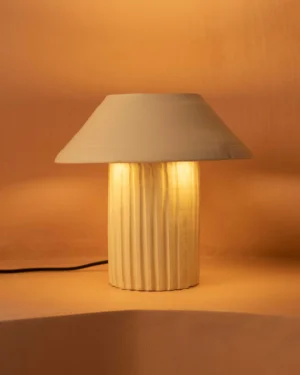
Rio (m) Table Lamp In Stoneware
By Harshita Jhamtani Designs
€360 -
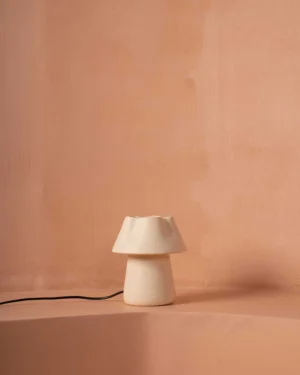
Bloom (m) Table Lamp In Stoneware
By Harshita Jhamtani Designs
€360 -
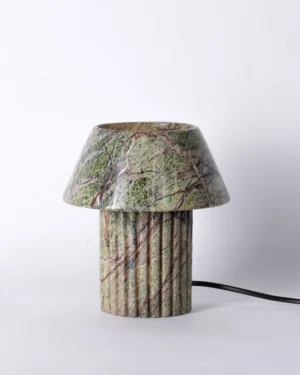
Rio (s) Table Lamp In Green Rainforest Marble
By Harshita Jhamtani Designs
€360 -
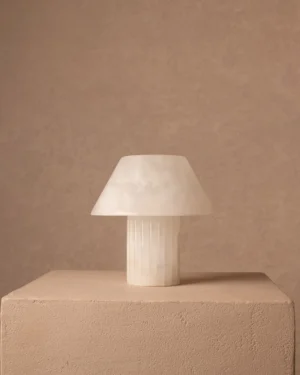
Rio (s) Table Lamp In Alabaster
By Harshita Jhamtani Designs
€430 -
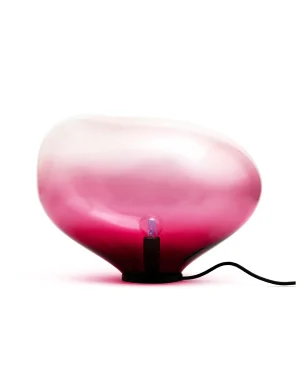
Sedna Table Lamp In Brilliant Ruby Glass
By ELOA - Unique Lights
€2.330 - €4.085 -
10% off
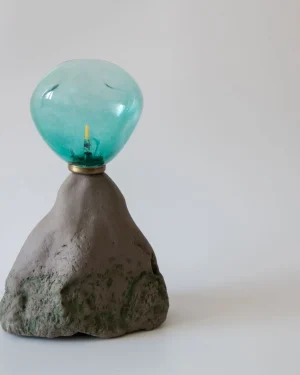
Abyss No. 7 Sculptural Table Lamp In Stoneware
By Ceren Gürkan
€1.100€990 -
 In stock
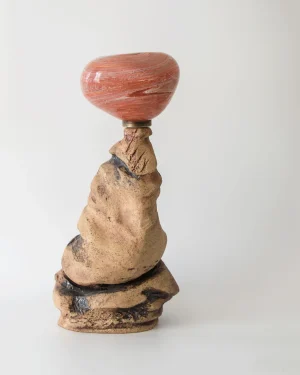
Abyss No. 8 Sculptural Table Lamp In Stoneware
By Ceren Gürkan
€1.500 -
 In stock
Abyss No. 12 Sculptural Table Lamp In Stoneware
By Ceren Gürkan
€1.800
Hallway table lamps bring light to the surfaces people pass daily, console tops, sideboards and narrow consoles where a switch within reach matters more than a ceiling fixture. Independent studios shape them from ceramic, stoneware, travertine and alabaster, working by hand-building, glazing, stone carving, metalwork, patination, sand casting and, increasingly, 3D printing and biofabrication. The result is a body of work where no two bases read quite the same, even within a single material.
What defines the material and finish
Ceramic and stoneware dominate the range, thrown or hand-built and finished with a glaze that can sit matte, gloss or somewhere between, in white, off-white, black, gray, red or amber. Glaze is never fully predictable: it pools thicker at a seam, thins at an edge, so one lamp differs slightly from the next even inside the same run.
Travertine and alabaster bring a different register. Travertine, including the red variety some studios favor, is carved or honed into a base with small pits and veining left visible rather than filled, a record of how the stone formed. Alabaster is denser and faintly translucent, so lit from within it glows at the edges rather than staying opaque. Steel appears less often, usually patinated or left raw, giving a cooler, more graphic base against these softer stone and clay forms.
Techniques and editions in the range
Most pieces come from hand-building or stone carving, slower methods that keep runs small by nature rather than by marketing. Sand casting and metalwork turn up on steel and brass fittings and bases. A smaller number of studios work with 3D printing or biofabrication, newer processes aimed at sustainable design, producing forms that would be difficult to carve or throw by hand. Across all of it, pieces are sold as open editions or limited editions, so a base that reads as one-off today may return in a later batch, or not at all.
Choosing a lamp for a console or sideboard
Scale matters more in a hallway than in most rooms, since the surface is often narrow and the space is walked through rather than sat in. A base roughly a third of the console's depth leaves room for keys, a bowl or a stack of mail without crowding. Shade height should clear sightlines at head height near a doorway, and a warmer, lower-wattage bulb suits a transitional space better than a bright, task-level one.
Finish is worth weighing against the wall and floor it sits near. A matte black or gray stoneware base holds its own against pattern or dark paint, while a pale travertine or off-white ceramic reflects more light back into a dim run of hallway. For anyone narrowing by material or form, it helps to look across table lamps as a category before settling on a hallway-specific shape, or to check metal table lamps for a cooler alternative to ceramic and stone.
Rooms and settings beyond the hallway
Though shaped for consoles and sideboards, these lamps move easily into an entryway table, a landing or a narrow console behind a sofa. Many studios working in this material and scale also supply wall-mounted hallway lighting and hallway furniture built to the same proportions, so a console, bench and lamp can be chosen from related lines rather than matched by guesswork. The full spread of pieces suited to transitional spaces sits under everything made for the hallway.
Caring for ceramic, stone and metal lamps
Glazed ceramic and stoneware need only a dry or barely damp cloth; standing water can work into any hairline crazing in the glaze over time. Travertine and alabaster are porous stone and mark if liquid sits on them, so they are best kept away from damp umbrellas or wet coats on an entryway table. A soft wax applied occasionally keeps stone bases from drying out, and patinated steel should be wiped dry rather than left wet, to keep its surface color stable.
How do I choose a table lamp for a hallway?
Pick a base narrow enough to leave the surface usable and a switch placed where a hand passes naturally. Stoneware and travertine bases sit heavier and resist knocks better than tall, top-heavy forms.
What material is best for a hallway table lamp?
Ceramic and stoneware are common for their weight and glazed finish, while travertine and alabaster suit a console meant to hold its ground. Steel bases give a cooler, more graphic look against softer stone and clay.
How do I care for a ceramic or stone table lamp?
Dust glazed ceramic with a dry or barely damp cloth, since moisture can dull the glaze over time. Wipe travertine and alabaster promptly after any spill, as both stones stain and etch easily.
What size and height work for a hallway table lamp?
A base should sit low and stable enough not to tip on a narrow console, with the shade clearing eye level so light falls rather than glares. Chat with the maker on a piece's page to confirm exact dimensions.
Which rooms suit a hallway table lamp besides the hallway?
The same base works on a living room console, a bedroom nightstand or a sideboard in an entryway, anywhere a switch within reach matters more than overhead light.
What happens with shipping, returns and authenticity on ADORNO?
Shipping is insured and worldwide, with a 14-day return policy excluding made-to-order pieces. Every lamp comes with a certificate of authenticity, backed by a lowest-price guarantee.