


-

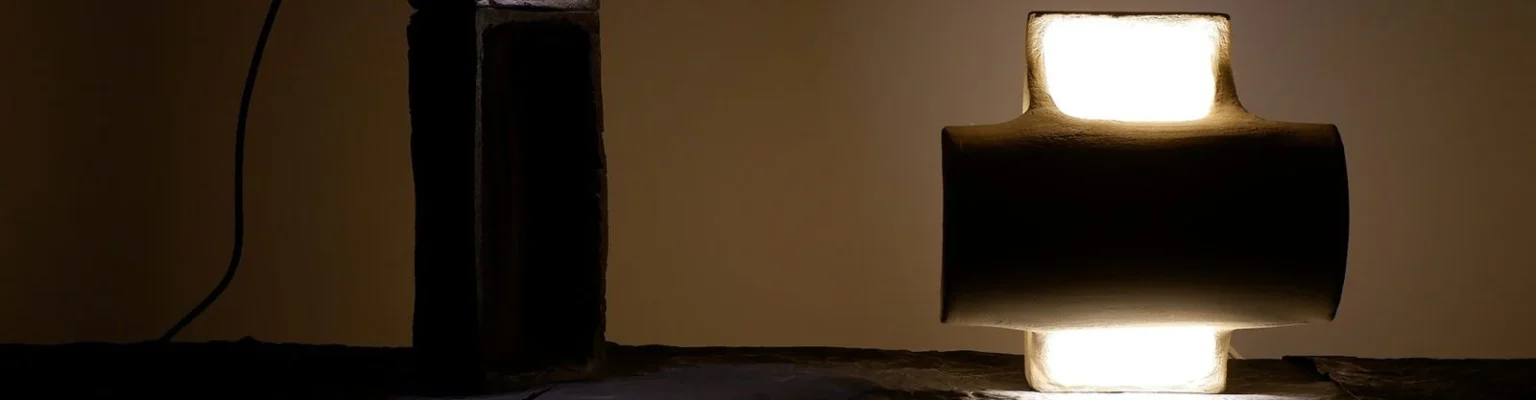
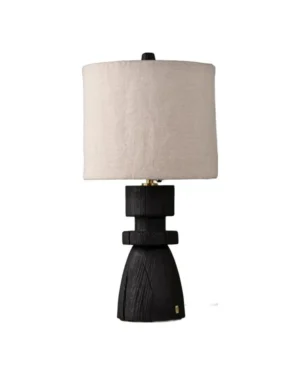
Rakis Lite Table Lamp – Black Stoneware Ceramic
By Catalin Filip
€455 -

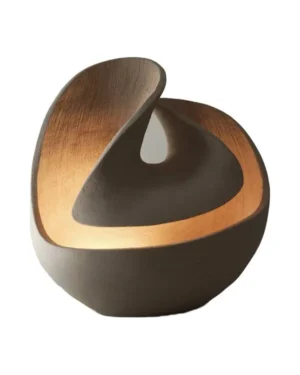
Pendulū Table Lamp In Ceramics And Gold-leaf
By Catalin Filip
€950 -

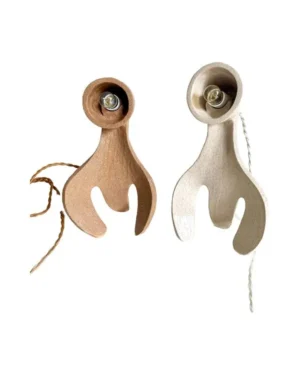
Knotto_01 Table Lamp In Glazed Stoneware And Synthetic Fibers
By Catalin Filip
€800 -

El Joyero De Odette Table Lamp In Stoneware
By Mina Wright
€810€689 -
 In stock
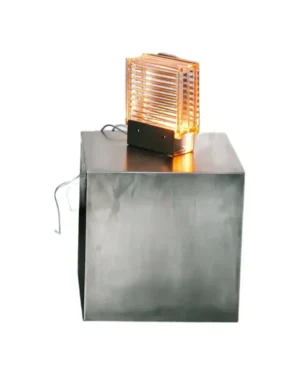
“spare” Table Lamp Constructed From 26 Lightbulbs
By JAN PAUL
€220 -

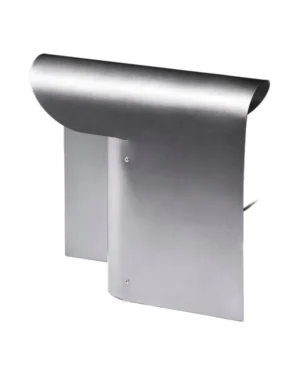
Hoja Table Lamp In White Steel
By Natural Urbano - Sebastián Beltrán
€315 -
 In stock
Cave Table Lamp In Glass
By Dace Sūna
€1.500 -

Rakis Lite – Table Lamp In White Stoneware
By Catalin Filip
€455 -
 In stock
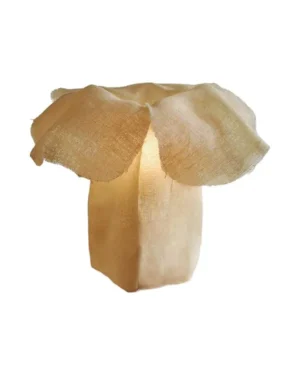
Apapuchi Table Lamp In Earthenware And Cotton
By Aileen De La Ree Valencia
€1.200 -
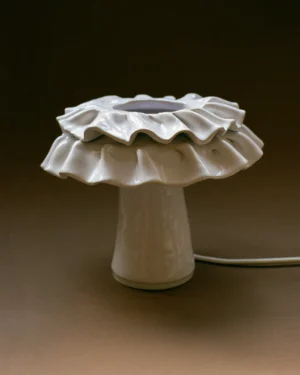 In stock
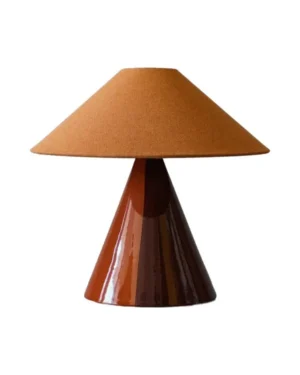
Lulu Table Lamp In Stoneware
By Mina Wright
€670 -

Melo C Table Lamp In Black Ceramic
By Catalin Filip
€270 -

Overcast Table Lamp In Aluminum, Leather And Paper Pulp
By Calen Knauf Studio
€1.570 -

Melo M Table Lamp In Ceramic
By Catalin Filip
€455 -
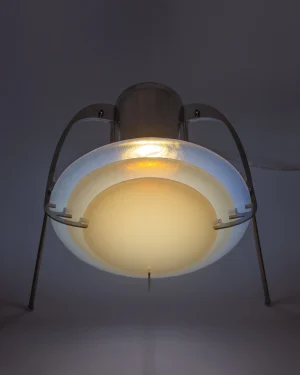
Sky-set Mini Table Light
By Dace Sūna
€2.800 -
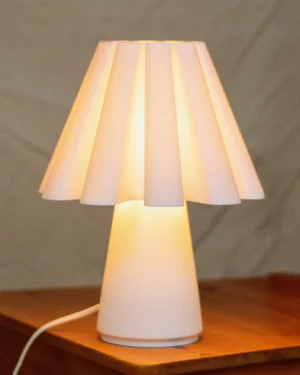
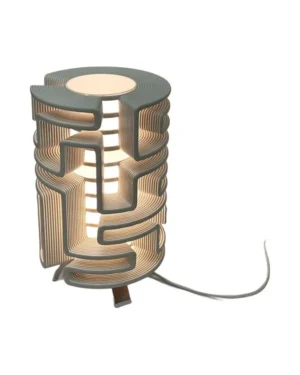
Ruff Table Lamp In Recycled Pla
By Mina Wright
€238 -
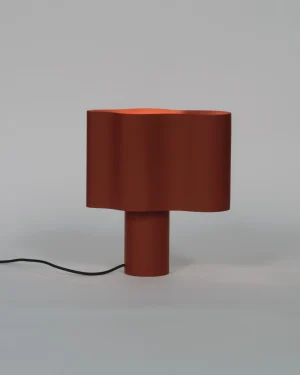
Lake Table Lamp In Steel
By Natural Urbano - Sebastián Beltrán
€330 -
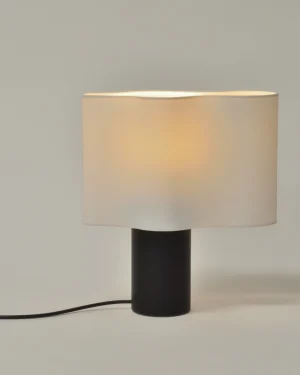
Lake Table Lamp In Steel And Textile
By Natural Urbano - Sebastián Beltrán
€330 -
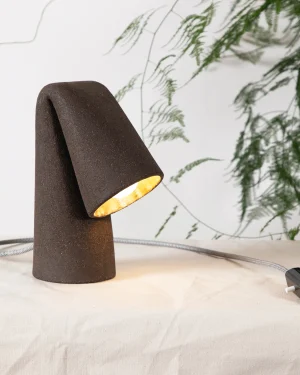
Melo Fold Table Lamp In Ceramic
By Catalin Filip
€290 -

Follow The Deer Table Lamp In Neon Glass
By Dace Sūna
Price Upon Request
Conceptual table lamps begin with an idea rather than a brief for illumination, and the object that results argues for itself before the light goes on. Independent studios working in ceramic, glass and metal use hand-building, glazing, glassblowing and metalwork to turn that idea into a lamp that still does the ordinary job of lighting a surface. The light itself is often secondary to the question the form asks.
What makes a table lamp conceptual
A conceptual piece treats proportion, silhouette and material as the argument, not as decoration on top of a familiar lamp shape. A base might be built off-center, a shade might be a single sheet of glass with no visible seam, a switch might sit in open view instead of hidden underneath. These qualities make conceptual table lamps easy to spot on a shelf full of ordinary fixtures: they read as sculpture first and lamp second, though they still plug in and still light a desk or side table.
Materials, finishes and techniques found here
Ceramic and stoneware bodies, hand-built and finished in glazes from off-white and sand to terracotta and gloss black, make up much of what is found in this group. Glass appears blown, fused or worked over a flame into forms that hold light inside the material rather than beside it, and steel and other metals are welded or bent into bases that carry visible weight. Neon and textile shades turn up less often but push the same idea further, treating the light source itself as the subject.
- Ceramic and stoneware, hand-built and glazed in solid or textured finishes
- Blown and fused glass, clear, tinted or sandblasted
- Welded or cast steel, left raw, blackened or finished in gold and brass tones
- Neon and textile elements used as light sources in their own right
Open editions sit alongside limited editions and unique pieces here, so the same idea can appear as a small run or as a one-off depending on how the studio works, giving conceptual table lamps a wide range of scale and finish. Anyone wanting a broader spread of form in metal can look through metal table lamps or the full range of table lamps.
How to choose one
Finish decides how the piece reads in daylight as much as after dark: a matte glaze absorbs light and sits quietly, while a glossy or metallic surface catches reflections and draws the eye even when switched off. For a fuller sense of how the style extends beyond lamps, the range of conceptual pieces across categories shows the same ideas worked into seating, mirrors and objects.
Where these lamps work
A sculptural ceramic or glass lamp holds its own on a console or sideboard in a living room, where there is space to see the whole form rather than a cropped corner of it. In a bedroom, a quieter, smaller-scale piece on a nightstand avoids glare at close range while still carrying the maker's idea through the room. Paired across a living room table lamp arrangement, matching or contrasting forms can frame a sofa or reading chair without needing to match each other exactly.
Caring for ceramic, glass and metal lamps
Glazed ceramic and stoneware wipe clean with a dry or barely damp cloth; standing water left on an unglazed foot can mark the surface over time. Glass holds dust visibly, so a soft cloth used often keeps a clear or tinted shade from dulling. Metal bases finished in brass or raw steel develop a patina with handling and light; a light wax on raw steel slows tarnish, while lacquered finishes need only occasional dusting. For lighting beyond the table, the wider range of conceptual lighting follows the same material logic into floor and wall pieces, and keeps conceptual table lamps good company through the rest of a room.
How do I choose a conceptual table lamp?
Start with the form you want to live with, since the shape carries more weight than the light output. Consider how the base, shade and switch sit together, then confirm bulb type and wattage with the maker through Chat with the maker.
How do I care for ceramic, glass or metal lamp bodies?
Dust ceramic and glazed surfaces with a dry cloth, and wipe glass with a soft, lint-free one to avoid scratching. Metal bases need only occasional polishing, and all should stay away from damp or direct heat.
What size table lamp should I choose for my space?
A lamp should sit comfortably within reach of a seat and roughly at eye level when seated, but conceptual forms often break that rule on purpose. Check exact dimensions on the piece's page before ordering.
Which rooms suit a conceptual table lamp?
Living rooms and studies give sculptural lamps room to be seen from several angles, while bedside placement puts the form within arm's reach. Entryways and consoles work too, anywhere the object is meant to be noticed first.
Are these lamps one-off pieces or limited editions?
Conceptual table lamps appear as open editions, limited editions and unique pieces, depending on the studio and technique. The piece's page states which applies before you buy.
What are ADORNO's shipping, returns and authenticity policies?
Shipping is insured and worldwide. Returns are accepted within 14 days, excluding made-to-order pieces, and every lamp arrives with a certificate of authenticity alongside ADORNO's lowest-price guarantee.