

-
 In stock
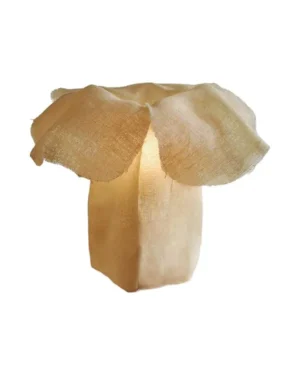
Torii G Pala Table Lamp in Washi Paper and Walnut
By Prangé
€1.232 -

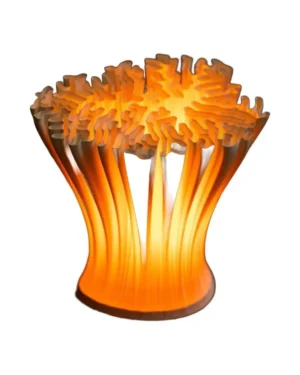
Coralight Table Lamp in Bio Plastic
By Cornu Design
€129 -
 In stock
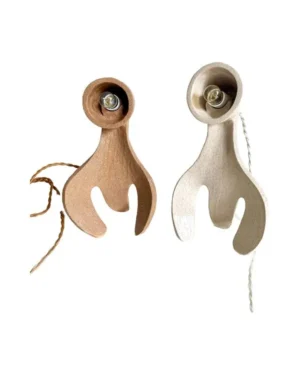
Pa Lamp
By BuRRo
€62 -
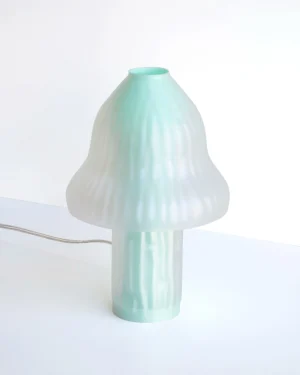 In stock
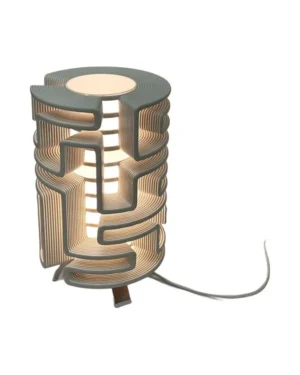
Lampamodelé Blue Table Lamp In 3d Printed Pla
By BehaghelFoiny Studio
€99 -
 In stock
Lolli Table Lamp in Blown Glass
By Studio Monsoleil
€700 - €900 -
 In stock
Pe Lamp
By BuRRo
€62 -
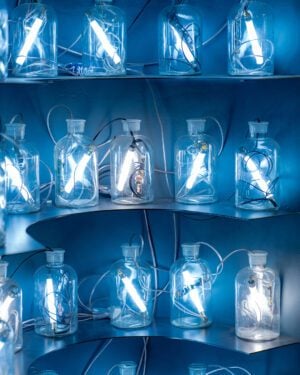 In stock
Äther 16
By TUNK I Busra Tunc
€2.200 -
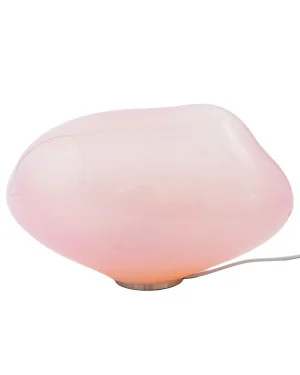
Haumea Convex Table Lamp In Flamingo Opaque Glass
By ELOA - Unique Lights
€2.330 - €4.085 -
 In stock
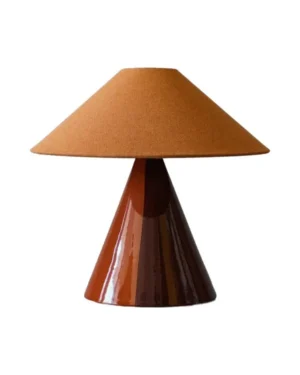
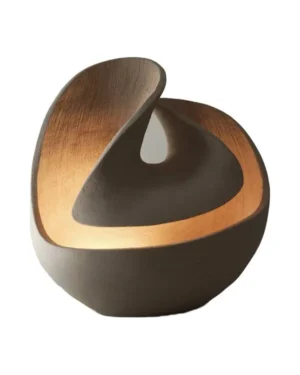
Tutu Table Lamp in Red Ceramic
By Slō
€1.150 -

Haumea Convex Table Lamp In Blue Opaque Glass
By ELOA - Unique Lights
€2.330 - €4.085 -
 In stock
Plissé Mini – Table Lamp In Royal Blue
By Vlad Oganov Objects
€299 -

Haumea Convex Table Lamp In Amber Iridescent Glass
By ELOA - Unique Lights
€2.330 - €4.085 -
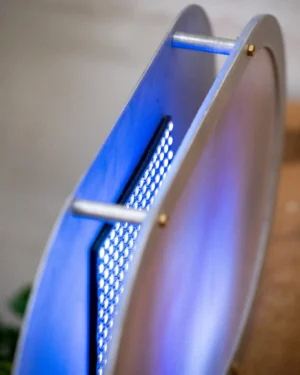 In stock
Cumulo Table Lamp in Aluminum and White Glass
By Valentine Maurice
€1.400 -
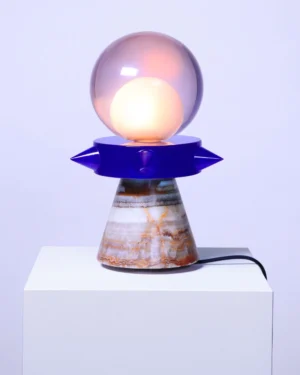
Tona Table Lamp in Onyx and Resin
By Adrian Cruz
€2.420 -
 In stock
Äther Seul
By TUNK I Busra Tunc
€325 -
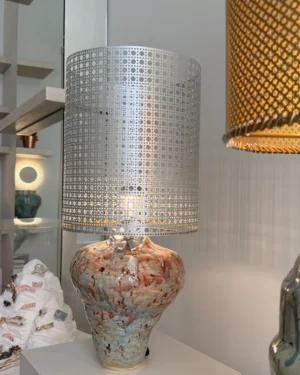
Veil Iv Jade Table Lamp In Aluminum And Ceramics
By Hania Jneid Design Studio
€2.900 -
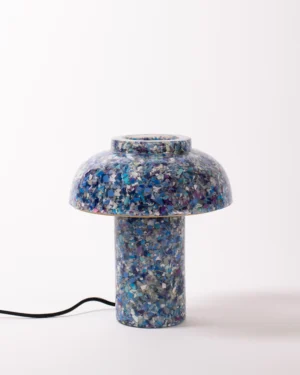
Second Tide Table Lamp In Blue Recycled Plastic And Brass
By Harshita Jhamtani Designs
€1.340 -
 Sold
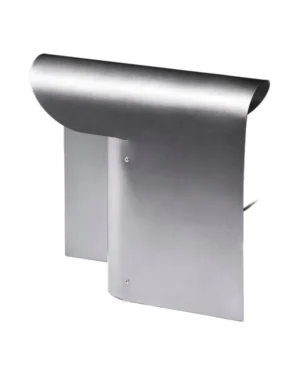
Chimney Table Lamp In Aluminum And Steel
By BOTHI
€210 -
 In stock
Plissé – Table Lamp In Royal Blue
By Vlad Oganov Objects
€399 -
 In stock
Empilé Petit – Table Lamp In Royal Blue
By Vlad Oganov Objects
€299 -
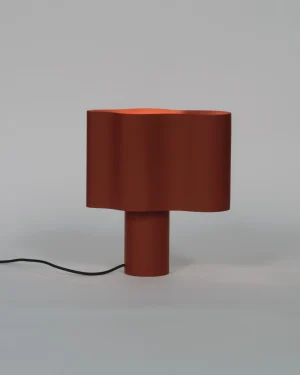
Lake Table Lamp In Steel
By Natural Urbano - Sebastián Beltrán
€330 -

Chimney Table Lamp In Aluminum
By BOTHI
€210 -

Haumea Convex Table Lamp In Flieder Opaque Glass
By ELOA - Unique Lights
€2.330 - €4.085 -

Haumea Convex Table Lamp In Taupe Opaque Glass
By ELOA - Unique Lights
€2.330 - €4.085 -

Follow The Deer Table Lamp In Neon Glass
By Dace Sūna
Price Upon Request -
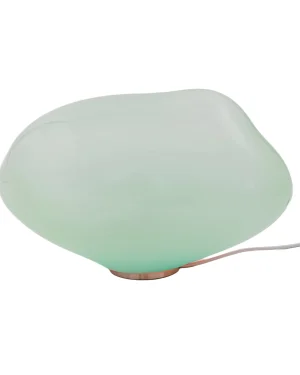
Haumea Convex Table Lamp In Salbei Opaque Glass
By ELOA - Unique Lights
€2.330 - €4.085 -
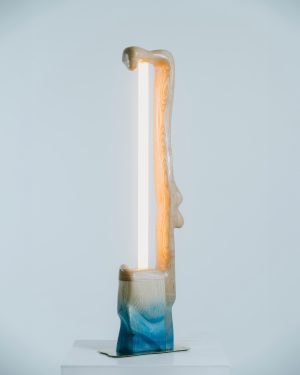 Sold
Blueprint Table Lamp in Ash Wood and Brass
By Studio Kloak
€1.200
Blue table lamps bring a single strong color into a fixture that is otherwise defined by material: ceramic bodies with a glaze fired to depth, hand-blown glass colored through the melt, or metal finished in a baked or painted blue. Independent studios work the color into the making process itself rather than applying it as a coat, so the hue reads differently depending on whether it sits in ceramic, glass or steel. Editions run from one-off studio pieces to small, repeatable batches, and from open runs to limited series.
What gives blue its depth in these lamps
In ceramic, blue comes from mineral oxides worked into a glaze and fixed by the kiln, which means the same recipe can shift from slate to cobalt depending on firing temperature and the thickness of the coat. Hand-building and wheel-throwing both leave small variations in surface that catch the glaze unevenly, so no two lamps carry the color in quite the same way. In blown glass, blue is mixed into the molten material, giving a color that changes with wall thickness: thin necks read pale and translucent, thick bases hold a denser, almost opaque tone.
Metal lamps take blue differently again. Painted steel holds a flat, consistent color that resists scratching better than it resists chipping at the edges, while aluminum keeps a slight sheen under light. Brass is sometimes lacquered in blue rather than left to patinate, which locks the tone in place and stops the natural darkening that bare brass would otherwise show over years of handling.
The range of materials and techniques to expect
Across the lamps grouped here, the usual materials are ceramic, blown glass, aluminum, brass, stainless steel and painted or neo-industrial steel, made through hand-building, glassblowing, glass cold working, metalwork or digital fabrication. Some studios also work in bioplastic or use resin casting and 3D printing, giving a smoother, more graphic blue that sits apart from the handmade surfaces of glass and clay. Styles move between contemporary, minimalist, Art Deco and sustainable design, so the color is as likely to sit on a severe geometric base as a rounded, hand-formed one.
- Ceramic: matte or glossy glazes, each piece slightly different
- Blown and cold-worked glass: color mixed into the material, varying with wall thickness
- Metal: painted steel, lacquered brass or finished aluminum, consistent in tone and easier to wipe clean
Choosing a blue table lamp by scale and finish
Start with the surface it will stand on. A side table or nightstand calls for a smaller, lower lamp so the shade sits near eye level when seated, while a console or sideboard can carry a taller, heavier base without crowding the space above it. Weight matters as much as height: glass and ceramic bases tend to be lighter and need a stable, wide foot, while cast metal bases carry their own ballast and sit more firmly on a narrow stand.
Finish should answer the light already in the room. A matte ceramic glaze softens a bright space, while polished metal or glass throws small reflections that suit a room already rich in surfaces. Pair the base against the walls and floor rather than against other blue objects in the room, since a single strong note of color tends to read more deliberate than two competing ones.
Where these lamps sit in a room
Blue table lamps work wherever a surface needs a fixed point of light rather than an overhead wash: a reading chair, a bedside table, a hallway console. In a living room table lamp placement, the color often grounds a seating group without needing a matching cushion or throw to justify it. On a bedroom table lamp, the same blue tends to read calmer at night, since lower wattage softens a saturated glaze or painted finish into something closer to gray.
Caring for ceramic, glass and metal finishes
For the wider range of lamps in this family, the full table lamp grouping spans every material and color, while every blue piece on ADORNO extends the same tone into seating, tables and objects beyond lighting. Within blue fixtures specifically, the broader set of blue lamps covers floor and pendant forms alongside the table versions shown here.
How do I choose the right blue table lamp?
Match the material to the room's other finishes: glass for a lighter, reflective look, ceramic for a matte, grounded tone, metal for a harder edge. Check with the maker on shade size and light output before buying.
How do I care for a blue ceramic or glass lamp?
Dust ceramic and glass with a dry or barely damp cloth, and keep painted or lacquered metal away from abrasive cleaners. Avoid direct, prolonged sun, which can fade painted finishes over time.
What size table lamp do I need?
A table lamp usually sits between 20 and 30 inches tall, roughly eye level when seated, though bases and shades vary by studio. Chat with the maker on the piece's page to confirm exact dimensions.
Will a blue table lamp fade or change color over time?
Fired ceramic glaze and glass color mixed through the melt hold steady for years. Painted or lacquered metal can dull or fade with constant direct sunlight, while bare aluminum keeps its sheen longer.
Which rooms suit a blue table lamp?
Blue works as a quiet accent on a bedside table, a console or a desk, and as a stronger focal point on a sideboard or side table in a living room.
How does shipping, returns and authenticity work at ADORNO?
Shipping is insured and worldwide, with a 14-day return policy on everything except made-to-order pieces. Every lamp arrives with a certificate of authenticity, and ADORNO offers a lowest-price guarantee.